
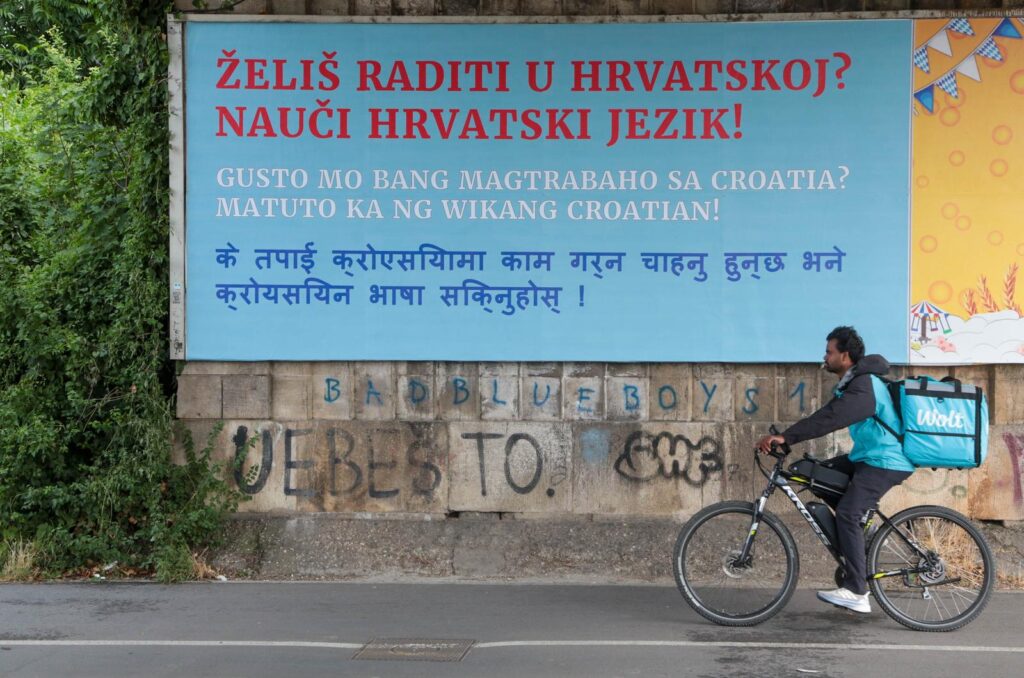
August the 14th, 2025 – Over 100,000 foreign workers have arrived in Croatia since January 2025, most of whom come from Bosnia and Herzegovina, Nepal, Serbia, India and the Philippines.
As Ana Roksandic/Poslovni Dnevnik writes, over the first seven months of this year, around 115,000 residence and work permits were issued to foreign workers. This information is according to the latest data released by the Ministry of the Interior (MUP). For comparison, 112,389 such permits were issued from January to June last year.
Workers who came from outside the borders of the European Union appear to have been the most needed this year. Judging by the 100,000 foreign workers who have arrived in Croatia since January 2025 who received permits, the numbers are as follows: the tourism and hospitality sector (38,372), construction (36,864), industry (13,704), transport and communications (7,723) and trade (4,163), which isn’t a particularly big change compared to 2024’s trends.
Employers and experts in employment mediation have constantly emphasised the “importance of domestic workers”, but also how much the Croatian economy now seriously depends on foreign labour imports. Petar Lovrić, Vice President of the HUP (Croatian Employers’ Association) Coordination for Agency Work and Employment Mediation, is satisfied with the progress being made by the state.
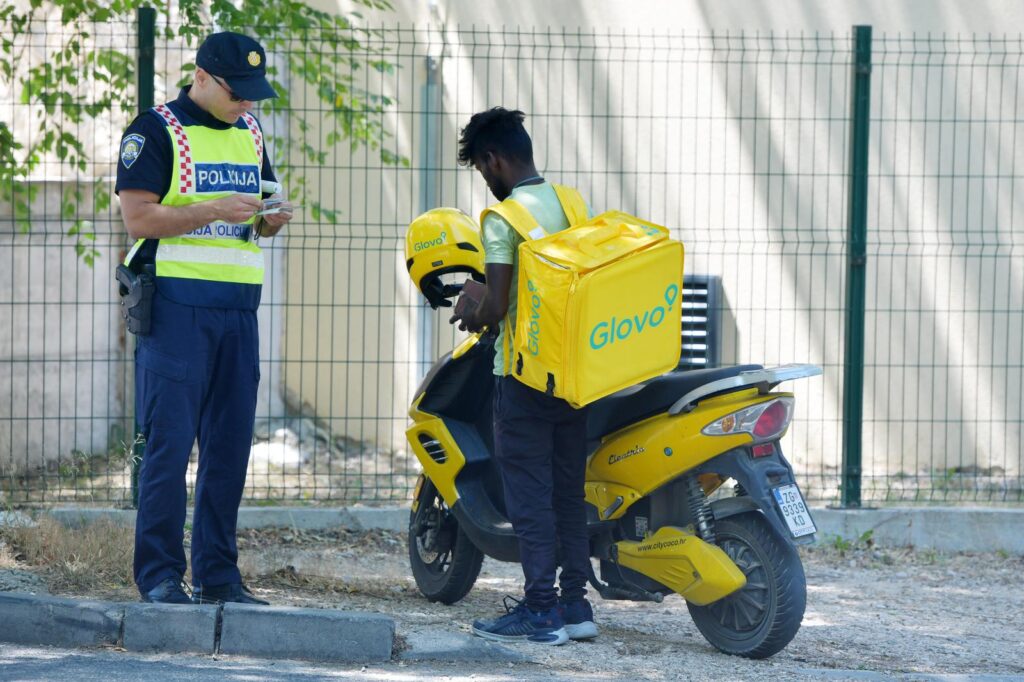
“In the process of issuing work and residence permits, I’ve noticed that the state has introduced a lot of order into the entire process. In my opinion, the Ministry of Labour is now doing an excellent job with work permits through the Employment Service, checking whether employers even need these work permits, whether they have the conditions… I believe that everything is heading in a transitional direction, which other countries have gone through. The situation is much better now, we had problems before with the immoral practices of certain individuals, and now it’s being properly controlled through the regulation of the law,” said Lovrić.
The labour shortage in Croatia has occurred for several reasons, mostly due to the emigration of young people, negative demographic trends and at the same time – very strong economic growth.
“We’ve currently the highest number of registered insured persons in the history of independent Croatia. Economic growth has led to the need for new jobs. So, even if there were no emigration and negative demographic trends, we’d still need a workforce. Foreign workers mainly fill those jobs up and in sectors where there is a huge need and there’s no workforce on the labour market to fill those positions. Foreign workers are the only way to fill them so that the economy can continue to function at all,” emphasised Irena Weber, Director General of the Croatian Employers’ Association (HUP).
Weber believes that the time has come for a significant reduction in the number of employees in the state and public sectors and their employment in the private sector. This is because the wage bill in the budget is becoming unsustainable. In addition, she reiterated the need for further tax relief for labour. “Further aggressive wage increases are impossible; instead, we need to invest in research and development. In terms of wage growth, we’re the absolute leaders in the EU and are destroying competitiveness,” she added.
Foreign workers mostly come from the countries of the former Yugoslavia or from distant Asian countries. Most permits were issued to citizens of neighbouring Bosnia and Herzegovina, followed by Nepal, Serbia, the Philippines and India. However, Weber emphasised that the domestic worker is still the highest priority for the vast majority of Croatian employers. “There’s no better worker than a native in every sense – from language, loyalty, teamwork, competence and compliance with procedures related to occupational safety,” concluded Weber.