
September the 9th, 2025 – If you’re after some free natural skin care and an experience that will invigorate your entire body, then there’s one Croatian beach named after a queen that will be right up your alley.
Long(ish) sandy beaches are not particularly common in Croatia, with only a few wildly popular ones to speak of. There’s one in Nin, however, which boasts healing mud fit for a queen – Queen Helen (Jelena), to be precise.
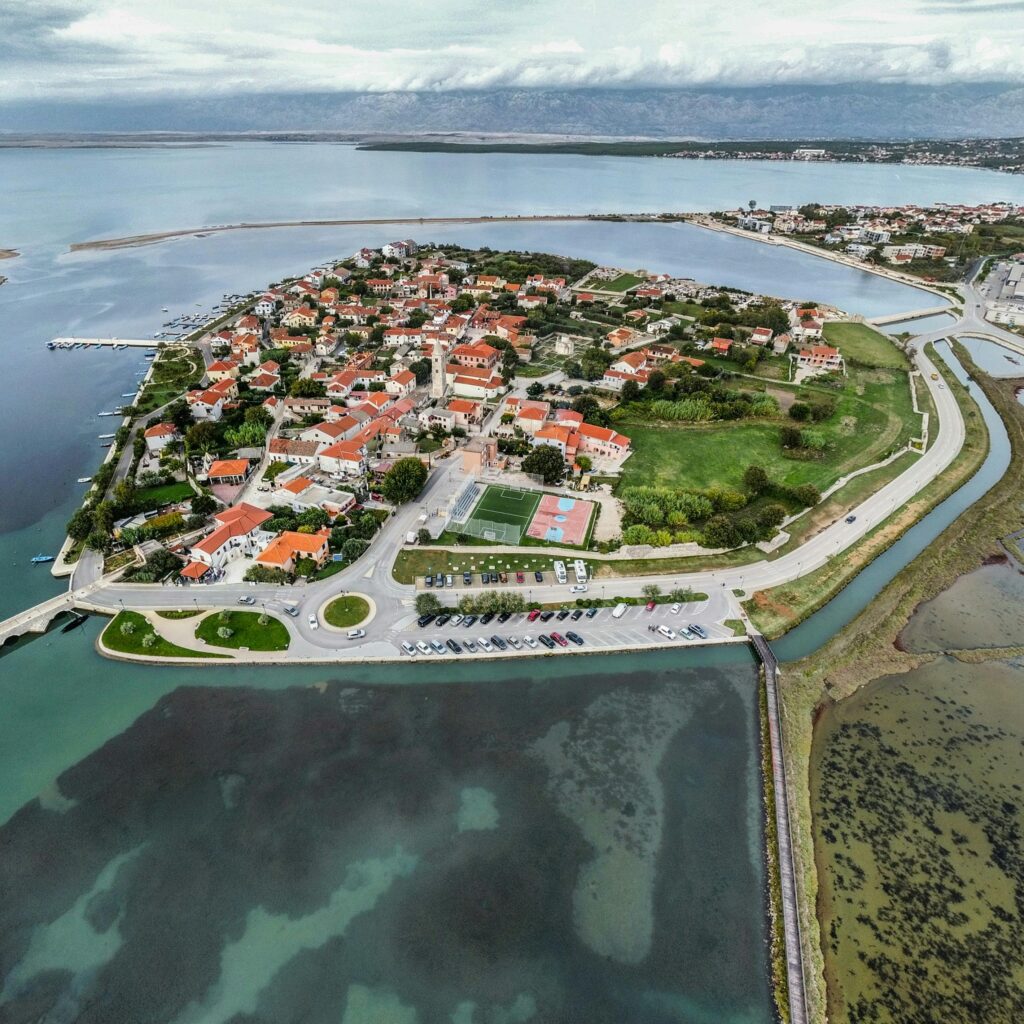
As Putni kofer/Ivana Vasarevic writes, the oldest Croatian royal city and the cradle of the Croatian state… It isn’t Zagreb. It’s not far from Zadar or Velebit, and it’s called Nin. This gorgeous Dalmatian pearl boasts an old town core which lies on an island in the middle of a rather strange looking shallow lagoon. It’s connected to the mainland by two ancient stone bridges.
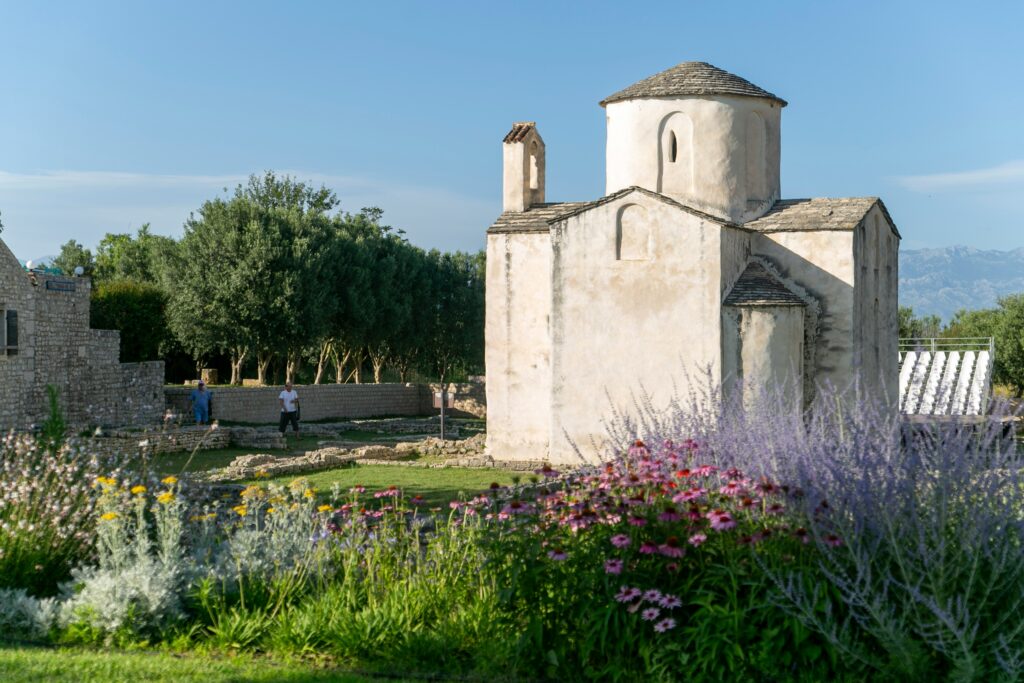
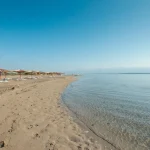
In addition to being home to the smallest cathedral in the world, the Church of the Holy Cross from the 9th century, Queen’s Beach (Kraljičina plaža) is one of the most beautiful in the entire world. It’s actually a natural salt pan, the work of which is still based on a thousand-year-old tradition. Nin also boasts miraculous, healing mud that helps to aid in the healing of many different skin complaints. The aforementioned eco-spa with a natural botanical garden is located in the open air, right next to Queen’s beach, and in July and August, controlled medical treatments and rehabilitation are carried out there that provide people with more than excellent results.
Organised therapy in Nin has been carried out since 1960, and the site of the medicinal mud (peloid) is located in an ecologically preserved environment. It lies in an oasis of shallow, long and sandy shores, far away from industrial zones and major roads. In addition, the entire area is home to many sensitive and rare plants, and as many as 240 different species of birds nest there, too.
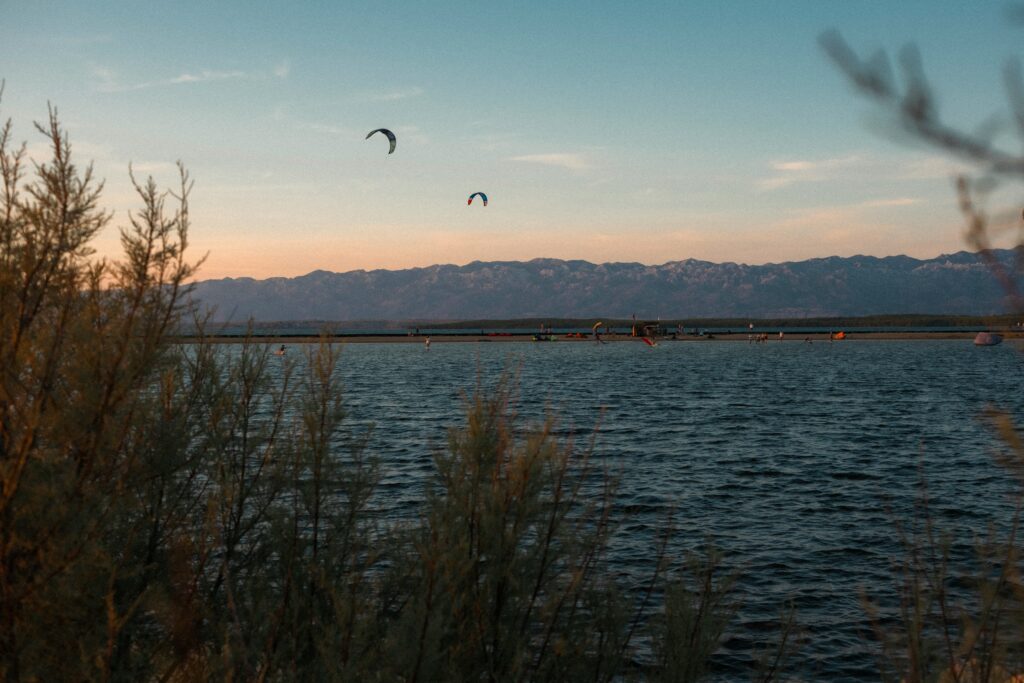
Tens of thousands of registered patients who suffered from all sorts of health problems – from those affecting the musculoskeletal system, rheumatic diseases, female infertility, skin diseases, etc, all swear by the healing power of Nin mud. Even the ancient Romans recognised and came to appreciate it long ago, as evidenced by the tegulae, round bricks that were used in prehistoric thermal baths, to transmit warm air. They are now stored in the Museum of Nin Antiquities. In addition, a statue of Venus Anzotica, the Liburnian goddess of fertility from the 1st century, was once found nearby.
Today, many people visit Nin and enjoy the natural, healing mud on the recommendation of their doctors or friends. In summer, the entire lagoon is teeming with people of all ages who smear themselves with this black sea mud rich in minerals and oxides. When that mud is fully absorbed and dries on the body, the therapy continues with a swim in the shallow and warm sea to wash off the excess.
This Croatian beach is located in the immediate vicinity of the mud. It was named after the Croatian Queen Helen (Jelena), who, according to legend, coated her skin with black mud from the closed lagoons of Nin, thus improving her health and beauty. Modern research has since proven that the Nin peloid restores the skin’s pH to normal, cleanses the subcutaneous tissue, tightens the skin, reduces wrinkles and cellulite, while also significantly improving the condition even in people suffering from psoriasis.
They quite rightly say that the Nin mud is pure health that comes straight from the heart of nature. In addition to having a lot of fun smearing yourself with and rolling in this “black gold”, the feeling of pure comfort on your skin after the treatment will leave you speechless. Refreshed, rejuvenated and completely reset.