December the 17th, 2025 – Instead of Cres, many people think of Krk when they imagine Croatia’s largest island. Cres is often referred to as the last unspoiled slice of the Adriatic – and with very good reason.
As Putni kofer writes, Croatia is absolutely full of natural beauty, impressive cities, rich history, unique museums and very many beautiful castles. All of this fits into a country that spans a small area of just 56,594 square kilometres and less than four million inhabitants. Of course, the most impressive are the 1000+ islands, islets and cliffs, which often end up on the front pages of glossy international mags and websites. Speaking of islands, many don’t realise that gorgeous Cres (on which there’s no stress, as the saying goes), is actually Croatia’s largest island. Most people immediately think of Krk as the biggest, but research conducted at the beginning of the 21st century revealed that it’s actually Cres that wears that crown.
Although it was long believed that the largest Croatian island was the vowel-less Krk, at the beginning of this century, it was confirmed that this actually wasn’t true and that the fairy-tale island of Cres is actually the largest island in Croatia’s area of the Adriatic Sea. With the help of new measurements and modern technology, researchers have calculated that Cres is actually several square metres larger than Krk, and given that the rocks on Cres are steeper and the sea level is rising slightly, they assume that Krk will further shrink in the future.
an island with an incredibly unusual type of biodiversity
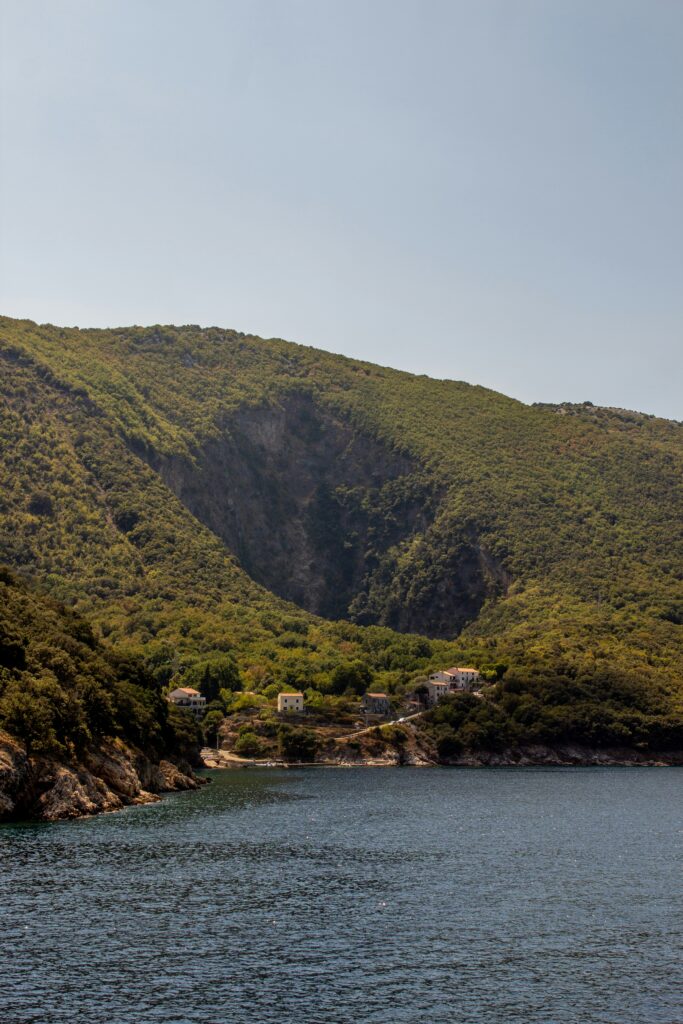
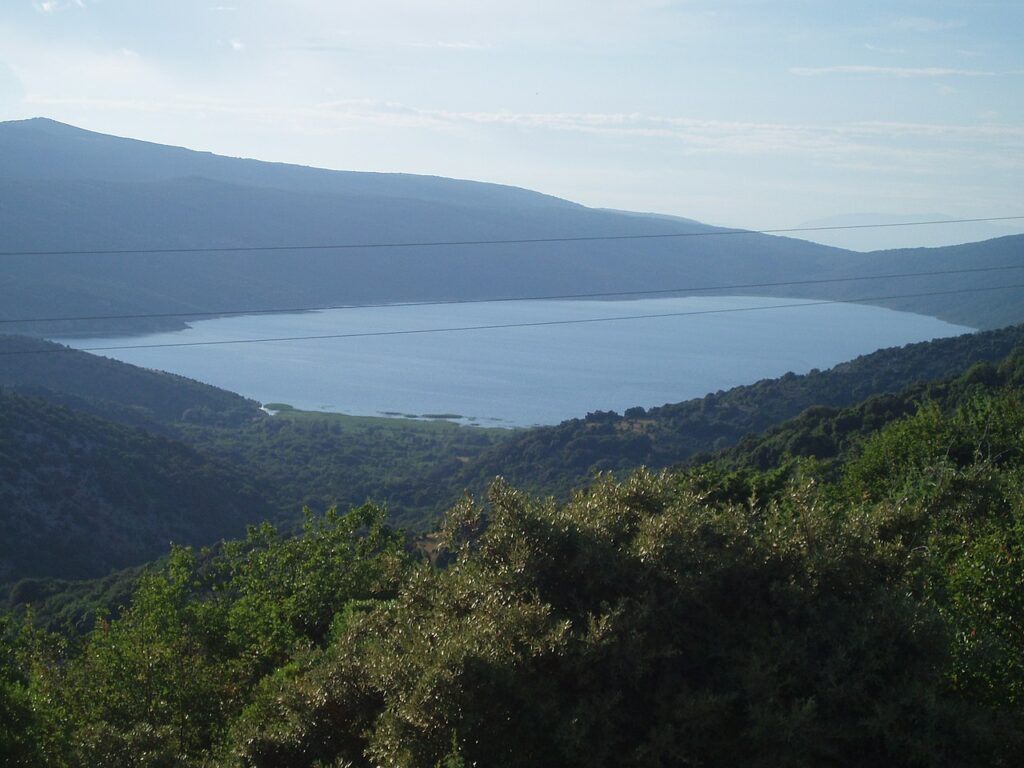
Cres is, in addition to being Croatia’s largest island, also one of the richest in flora due to its unique combination of different types of natural environment. The island is home to very dense oak forests, high and steep rocks, as well as exotic looking beaches and coves. What distinguishes it from all of Croatia’s many other islands is the natural phenomenon of Lake Vrana (Vransko Jezero), which supplies Cres and the island of Lošinj with drinking water. It might share the same name as the lake down near Zadar, but it’s very different. It’s so different in fact, that you aren’t actually allowed anywhere near it. This lake is home to an exceptionally delicate natural balance, the disruption of which could have very serious consequences.
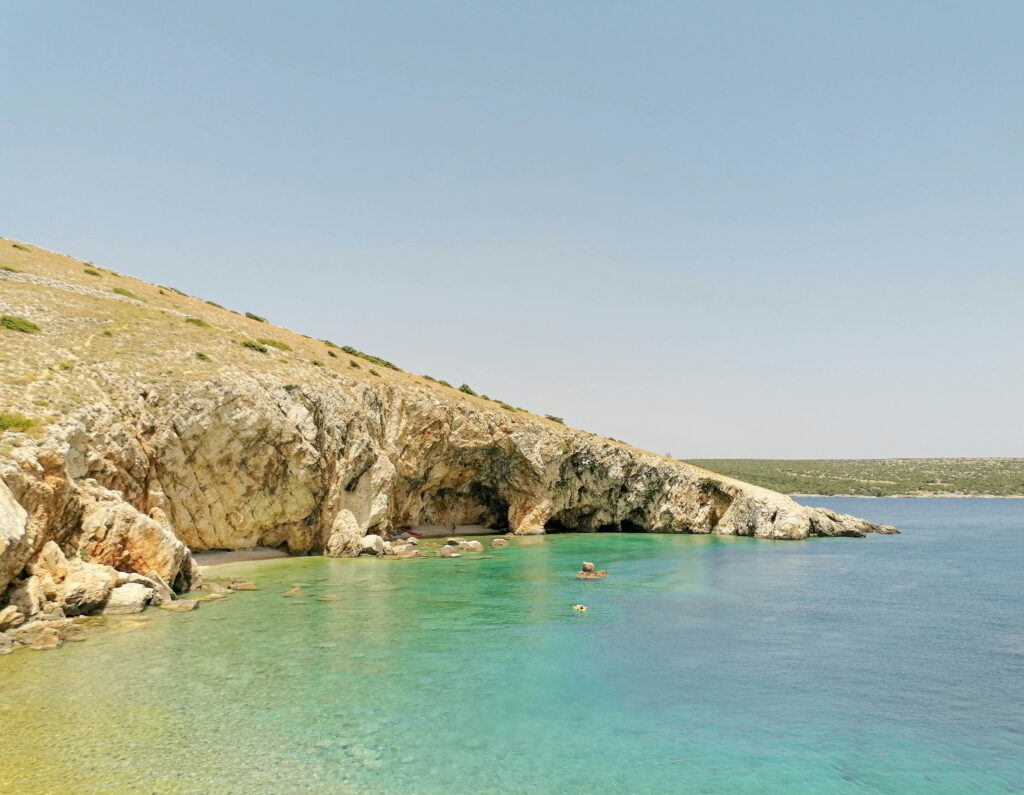
Sveti Ivan Beach is located in a secluded cove below the town of Lubenice, far from our everyday stress. Its beauty lies precisely in this sheer level of inaccessibility. Surrounded by dense, untamed Mediterranean vegetation and steep cliffs, this beach is a true paradise for all those seeking peace, quiet and true contact with nature. The sea here has that special turquoise hue that we usually only see on postcards, and the pebbles underfoot further enhance the impression of purity and untouched beauty.
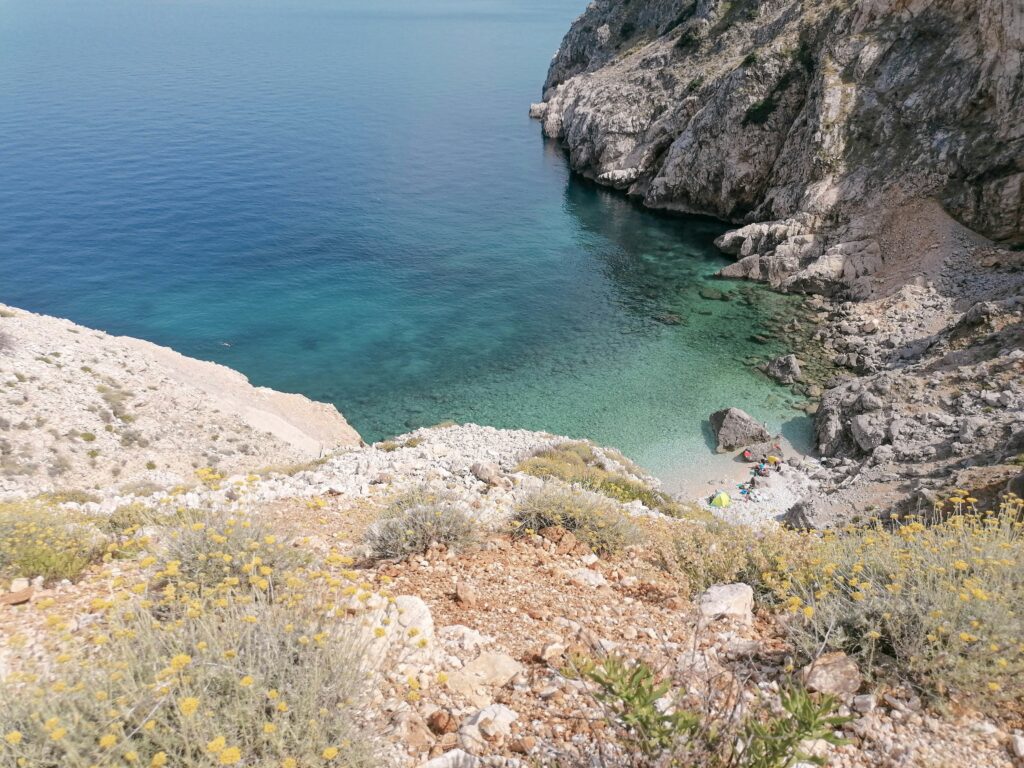
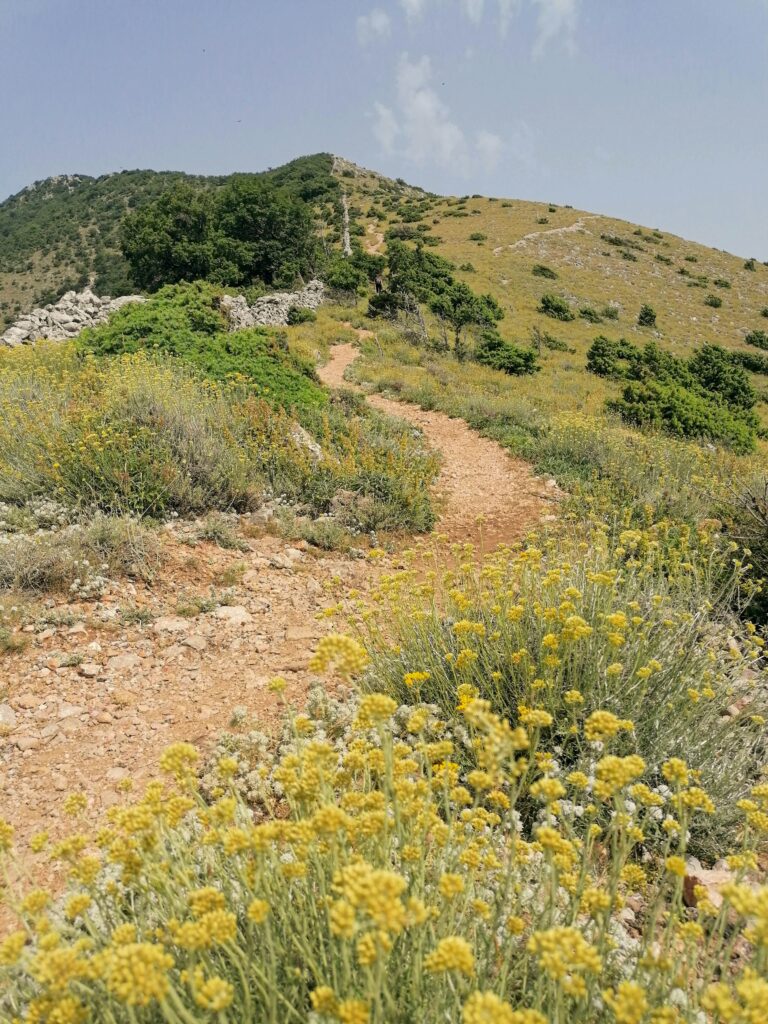
You can reach the beach in two ways: by boat, which is an easier option, or on foot, along a steep path from Lubenice that leads downhill through rocks and forests. The descent takes about 45 minutes, while the return uphill can take more than an hour (and we certainly don’t recommend attempting such an undertaking during summer). Although very physically demanding, this hike through nature is worth every step.
a forest full of legends and myths
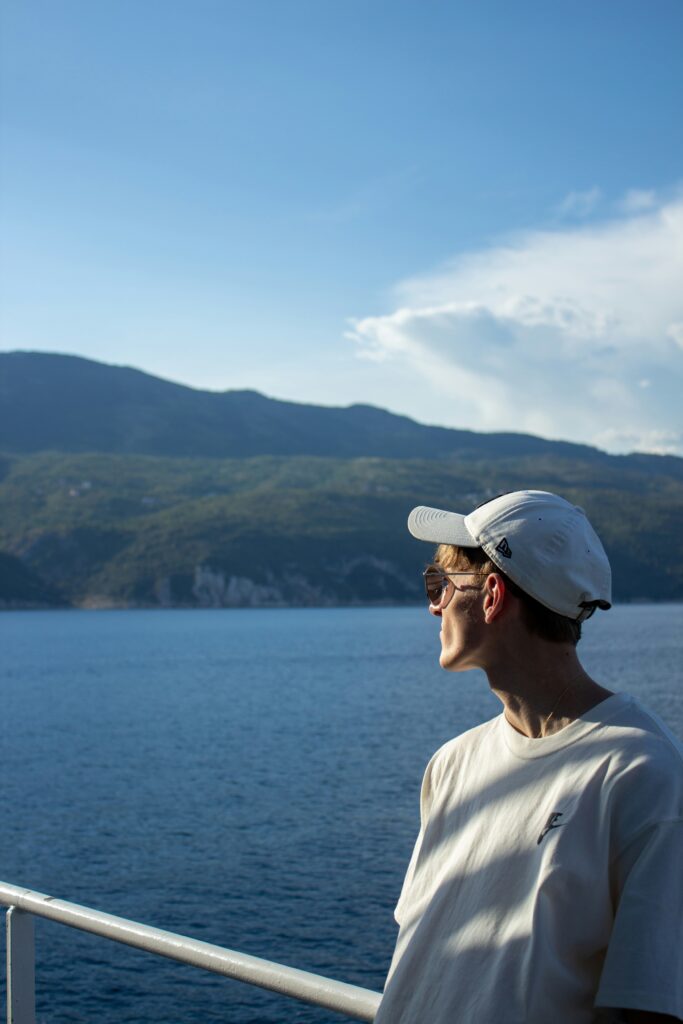
The Tramuntana Forest in the northern part of Cres is one of those places that stops you at the first step. The deciduous trees here create an atmosphere that is more reminiscent of northern Europe than an Adriatic island. Tall, thick oaks and maples whose crowns are intertwined about thirty metres above the ground grow very well there, while soft moss clings to the base of their gnarled old trunks. According to old legends, in the clearings of Tramuntana, fairies, dance as soon as the new moon appears, and when snow falls, the entire forest takes on that quiet, fairy-tale look that you remember for a lifetime. This wilderness is home to hundreds of plant species, around two hundred species of birds, deer, wild boars, moles and more.
one of the last sanctuaries for griffon vultures
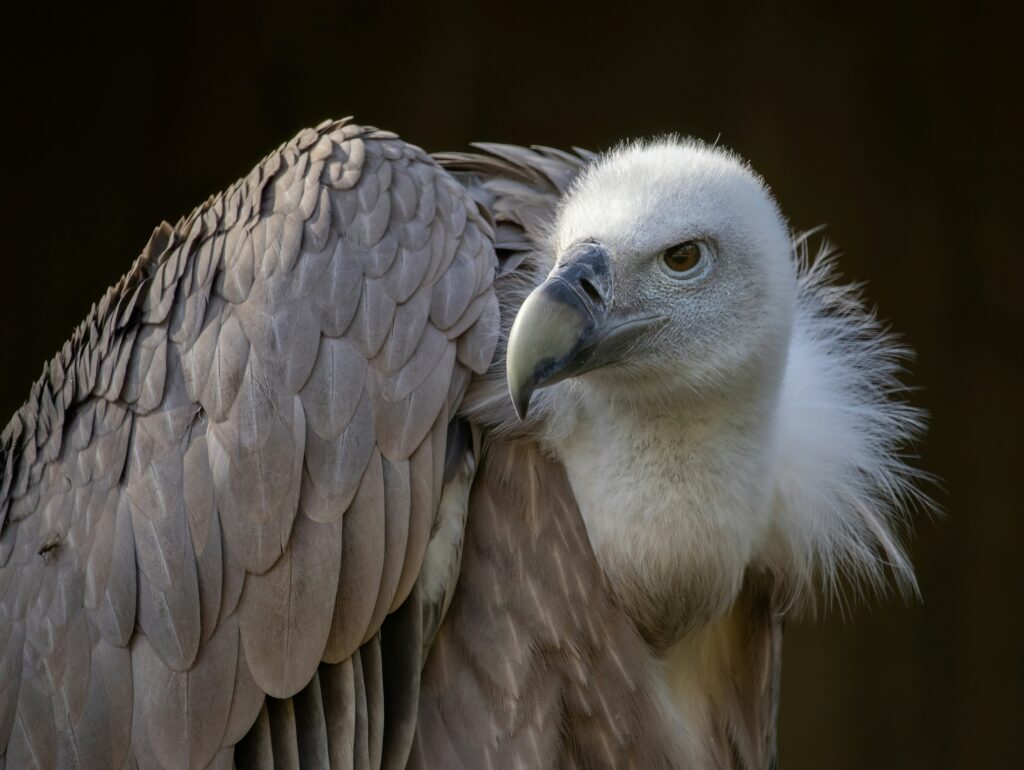
The entire island of Cres is a genuine oasis of wilderness and untouched nature. In a settlement called Beli, you will find one of the last refuges for griffon vultures, a rare and highly endangered birds of prey. These magnificent birds, which have become a symbol of nature conservation on the island and beyond, are unique in that they nest directly on steep cliffs above the sea. It’s often said that the native Cres population are actually the only population in the world with such a habitat.
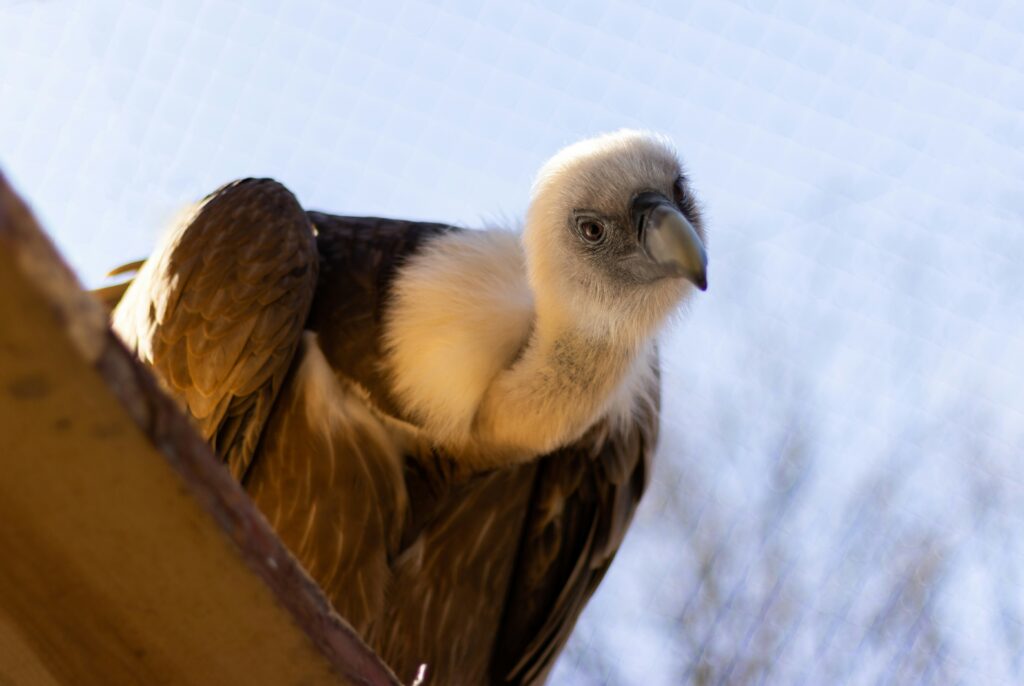
The Griffon Vulture Visitor Centre and Rehabilitation Centre in Beli provides a home for rescued birds and educates visitors through interactive exhibitions and expert presentations, emphasising the importance of protecting this endangered species. The centre’s professional staff is constantly working on rehabilitating injured and sick vultures, with most birds returning to the wild after recovery and treatment.
a calm port in stormy weather
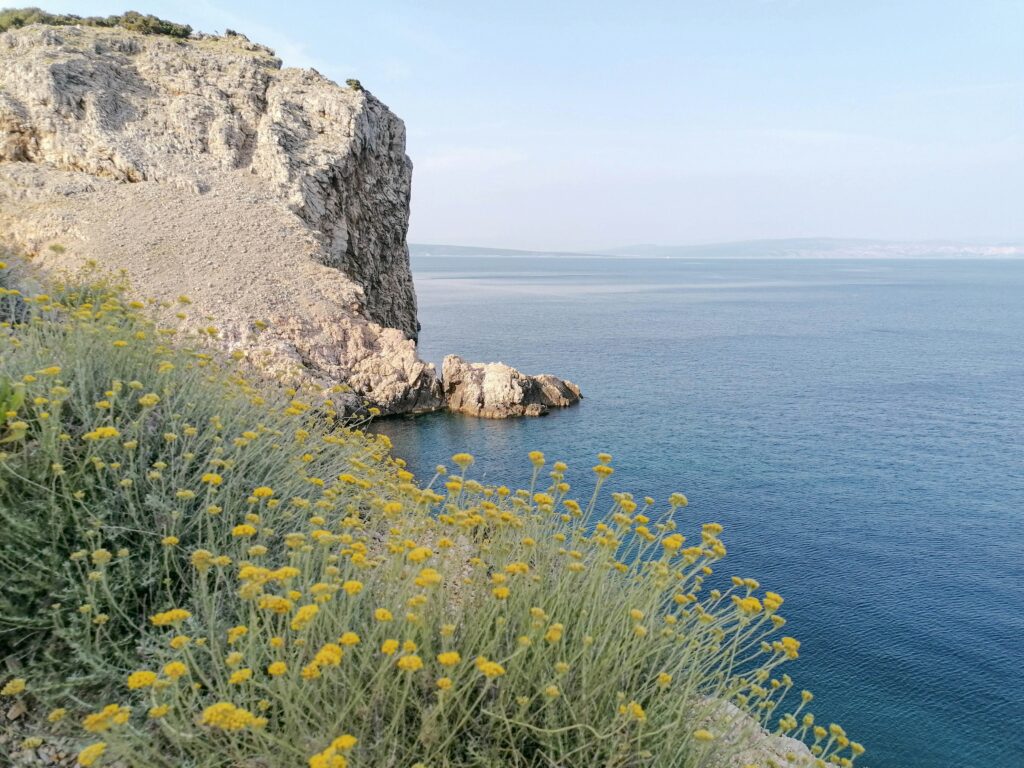
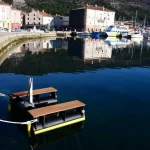
With just under 3,000 inhabitants, the town of Cres itself is the largest settlement on the island. For centuries, its strategic location in a protected bay has attracted sailors during stormy weather, and today, Cres is a favourite destination for sailors who find its peaceful coves to be an ideal haven.
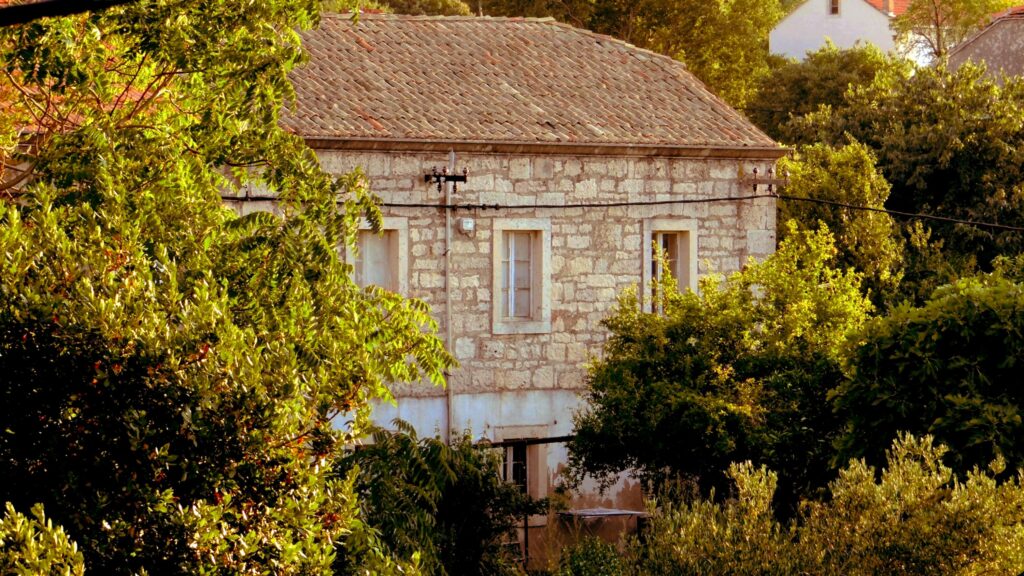
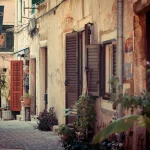
Cres is also a town rich in history and culture, as evidenced by a whole heap of wonderfully preserved historical monuments. Among them, the impressive tower that dominates the old town centre stands out in particular, as do the ancient narrow stone streets that exude the spirit of times gone by. Cres also abounds in fantastic restaurants where visitors can enjoy local delicacies and fresh seafood specialities.