
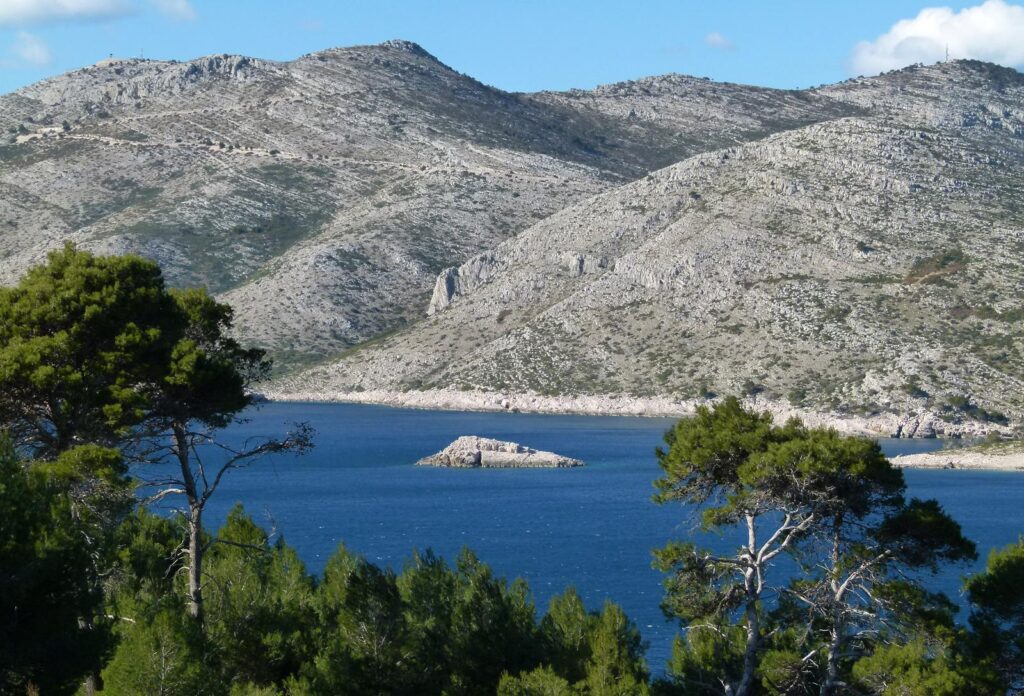
March the 1st, 2026 – Lastovo is a Dalmatian idyll that has remained free of the mass tourism much of the country has fallen victim to. It looks as if straight from a Medieval fairy tale, and it’s the home of one of Europe’s clearest, most unpolluted night skies.
As Putni kofer/Antonio Ivcevic writes, it’s one of the southernmost inhabited islands in all of Croatia, and in the opinion of many, one of the most beautiful. The gorgeous island of Lastovo has been attracting more and more domestic and foreign visitors in recent years, but it has remained free of mass tourism.
Those who visit it come in search of zen, silence, for a sea so clear that it seems unreal, and for scenes that are remembered long after they return home. Its indented bays, illuminated by the sun and sheltered by dense pine forests, offer that rare feeling of freedom and peace that is increasingly difficult to find on the Adriatic today.
one of the adriatic’s oldest settlements
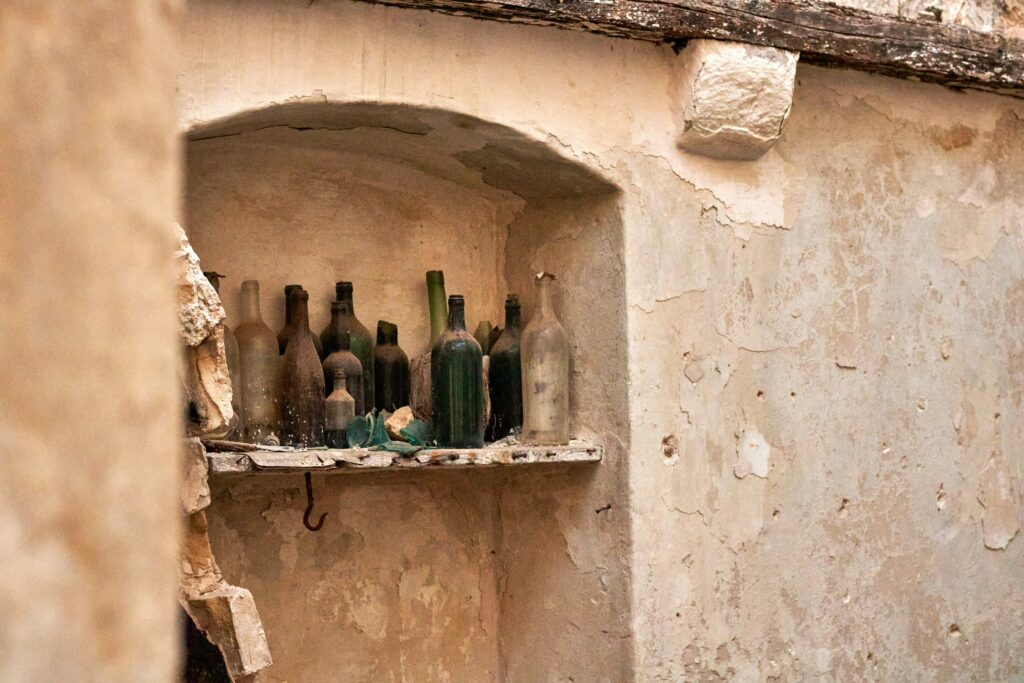
While stunningly beautiful, Lastovo is so much more than a postcard with a turquoise sea and the smell of pine in the air. Behind the natural beauty lies a layered story that has been deposited for centuries in its ancient stone, narrow alleys and traditional old houses. This island is a treasure trove of history, and as you walk through its magical corners, you will discover one of the oldest settlements on the Adriatic, the eponymous settlement of Lastovo.
Nestled between the clear sea and rich, fertile fields, the old medieval settlement of Lastovo is rightfully considered one of the most beautiful places this island has to offer. At first glance, it’s clear that this is a place that didn’t develop spontaneously, but thoughtfully and in harmony with the space and nature that surrounds it. Unlike many Adriatic towns that grew up alongside the coast, Lastovo is located inland, like a stone stage scattered across the slopes, in the shape of an amphitheatre that follows the line of the hill.
Surrounded by greenery and rolling hills that protect it from the view from the sea, this ancient settlement has preserved its intimacy and security for countless centuries. This very position was crucial back during turbulent times when pirate attacks posed a constant threat to towns dotted all over the Adriatic coast. Sheltered and difficult to access, Lastovo managed to avoid total destruction, which enabled it to continue developing and preserving an architectural and social entity that we rarely catch a glimpse of anywhere else today.
A stroll through its ancient stone streets reveals more than just beautiful facades and harmoniously arranged houses. Here, you can still feel the spirit of community that has shaped the lives of the islanders, their everyday routines, their local customs and the relationships developed within the community for centuries. Every single terrace, every square and every narrow old alley waves a warm story of a life that took place in the rhythm of nature and the sea, but far from its direct exposure.
the home of lastovo’s fumari
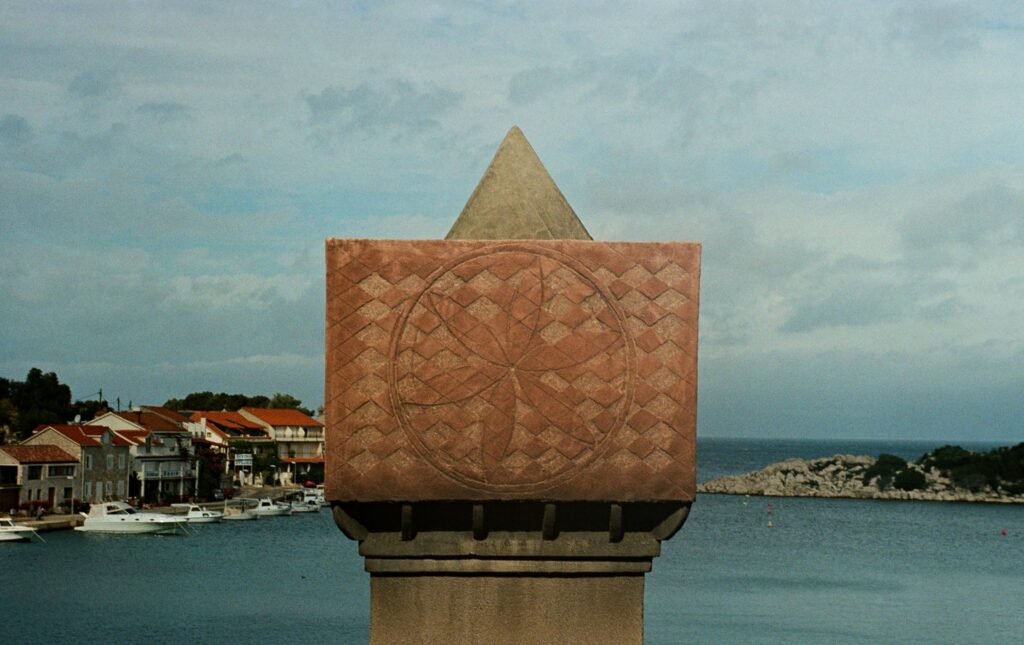
It’s almost impossible to talk about interesting things about Lastovo without mentioning the famous fumari that you’ll notice at first sight. They’re apparent as soon as you sail from the sea towards the ferry port in Ubli and continue towards the interior of the island. As the old houses gradually reveal themselves on the slopes, your gaze inevitably stops at their roofs, where unusual chimneys rise like stone sculptures, each one being a bit different, and each marked with its own signature.
No two fumari are ever the same. Some are slender and elegant, others are lavishly decorated, while others resemble small stone towers. It’s precisely this diversity that has aroused the curiosity of visitors and historians for centuries, because to this day there is no completely clear answer why the locals built such complex and decorative stone structures on the roofs of their houses. Back during a time when functionality was much more important than aesthetics, the people of Lastovo still turned chimneys into small architectural works.
Folklore offers a more romantic explanation for the fumari. According to legend, Lastovo’s former residents competed in building the most luxurious and complex chimneys possible, striving to make theirs more beautiful and impressive than their neighbours’. Their chimneys therefore became a symbol of prestige, a silent and dignified indicator of the wealth and social status of the homeowner. In a community where houses were close together and gazes were always curious (and perhaps a bit envious), chimneys spoke louder than words.
lastovo – the “no filter” island free of mass tourism
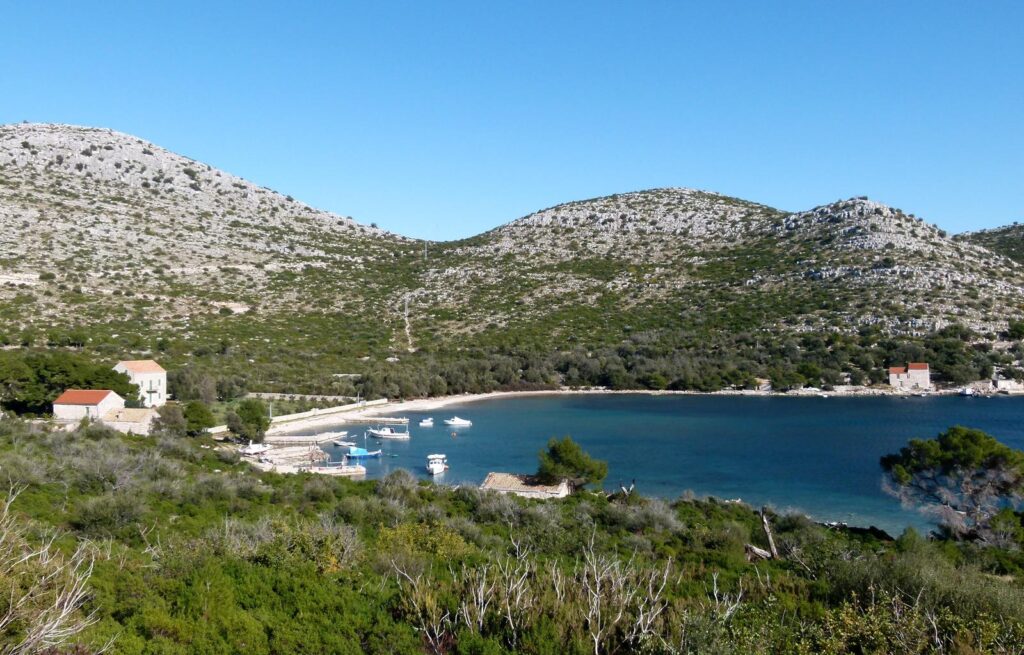
They say that there is no filter on social media that can evoke those shades of turquoise sea that reigns over Lastovo. In the background, the lazy, soothing sounds of crickets echoes endlessly. Lastovo is free of the curse of mass tourism, and has remained relatively untouched by the hoards of visitors that descend on the Dalmatian coast each summer.
Lastovo’s beaches are rocky, wild and sometimes a bit dangerous. They’re usually hidden under the shade of thick pine forests, and the most popular of all is the cove of Skrivena Luka (Hidden Port), which is better known to the islanders as Portorus. Owing to its location, it is loved by boaters and is one of the most beautiful on the island. The beach “Mali žal” (Little pebble) is suitable for children and non-swimmers because it has plenty of shallow water that stretches up to 10 metres out into the open sea. It can be accessed by car, bicycle, on foot and by boat.