
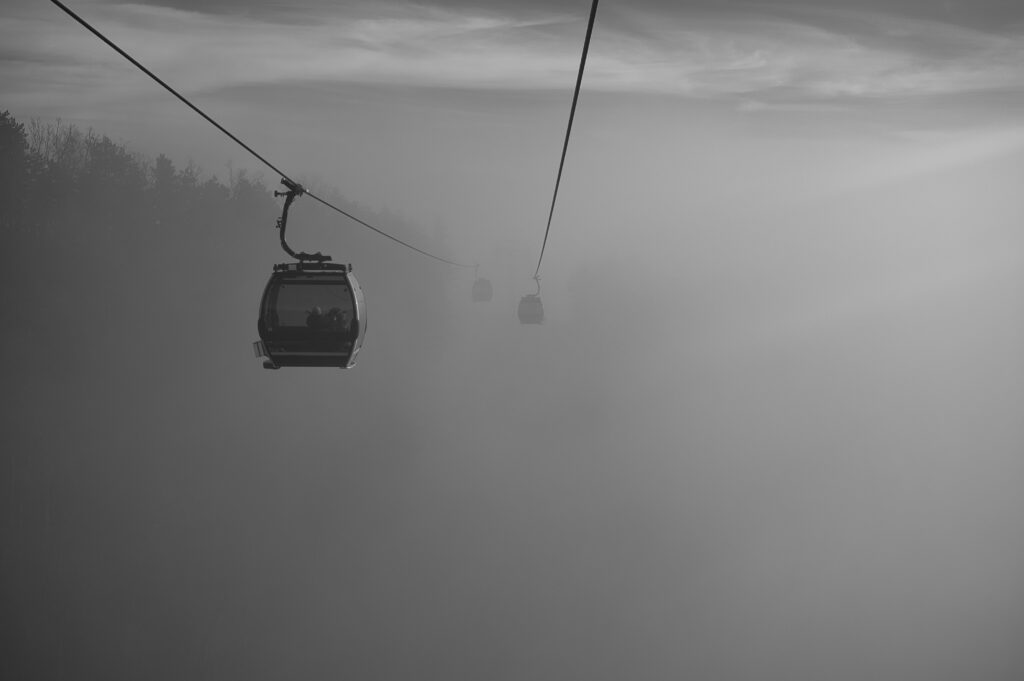
March the 10th, 2026 – The air pollution in Zagreb is known to be extremely poor, always ranking dangerously low on readings, but what’s actually being done about it?
As Index/Nenad Jaric Dauenhaur writes, the issue of air pollution across the City of Zagreb is the result of a combination of geographical location, meteorological conditions and of course – particular human activities. Given that there is zero choice but to constantly breathe it (or you know… drop dead), polluted air can be more harmful than smoking.
Data shows that around 240,000 people die prematurely each year across the EU and around seven million worldwide as a result of polluted air. Zagreb is in the top half of the list of the ten most polluted EU capitals in terms of PM2.5 levels. This is a damning statistic for a city with almost no industry to speak of.
Location and meteorological conditions
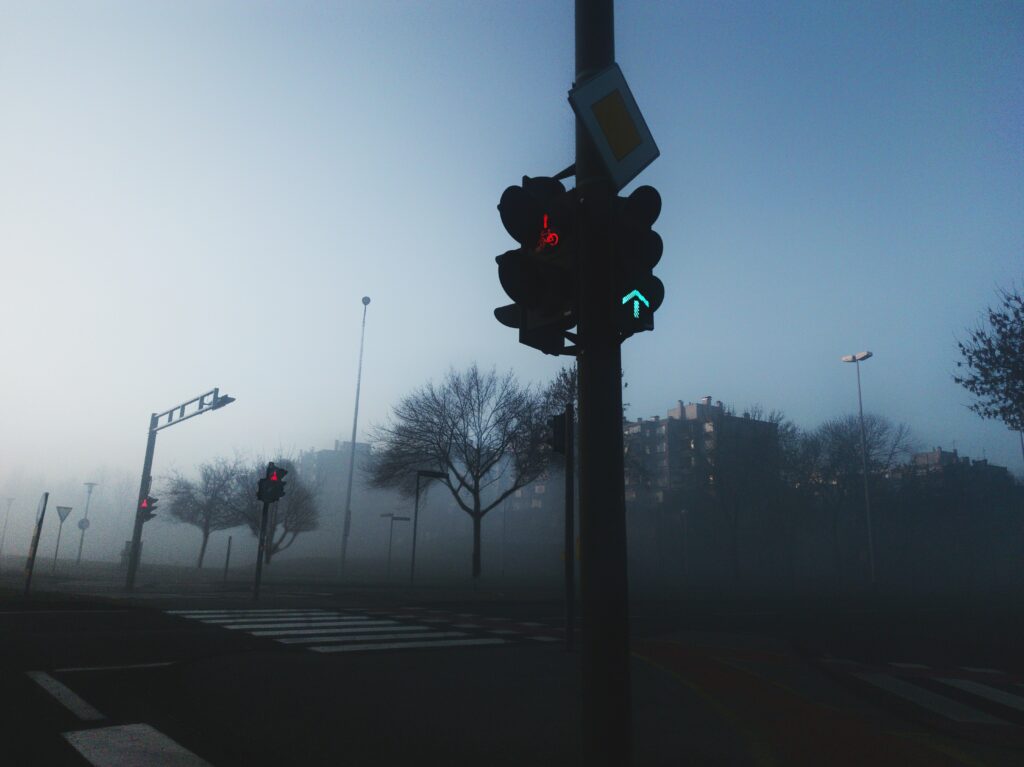
Zagreb is located in a lowland area along the Sava River, surrounded to the north by Medvednica and fairly high rolling hills. During the winter, weak air circulation and stable weather conditions often encourage the formation of temperature inversions. This results in cold air remaining close to the ground, while warmer layers above it prevent vertical mixing of air, this causes pollution from traffic, heating and industry to get stuck in the lower layers of the atmosphere where people live. It’s also why Zagreb is always cloaked in thick fog by the time we get to about mid-October each year.
Air pollution issues aren’t uncommon in urban centres and larger cities, but many European cities have introduced measures that have significantly reduced them. With the air in Zagreb consistently being so terrible, the City of Zagreb and the state were directly asked what they’re doing about this issue.
fireplaces inside people’s homes pose another problem
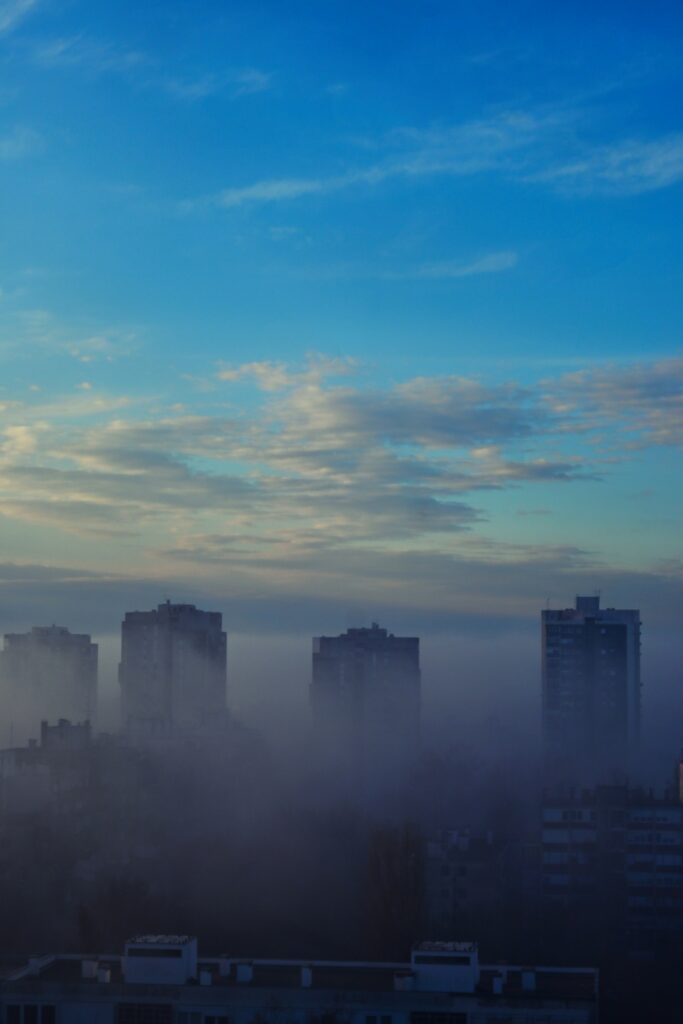
The largest source of winter air pollution across the City of Zagreb are household fireplaces that burn fossil fuels, wood and coal. In nearby Ljubljana, for example, burning wet wood has been banned by the Slovenian Government and much stricter controls have been introduced. This has directly led to a visible improvement in air quality overall.
Zagreb’s administration stated that their measures are primarily aimed at the energy renovation of residential buildings, especially single-family homes in poor households. The aim is to replace outdated heating systems with more efficient, modern tech and to encourage the wider use of renewable energy sources. They pointed out that analyses have shown that the greatest reduction in emissions is achieved through better thermal insulation and more modern heating systems.
The powers that be within the City of Zagreb also explained that there is a social climate policy plan for the period 2026–2032 worth around 1.68 billion euros. That large cash sum is intended to support vulnerable and energy-poor households through energy renovation and heating de-carbonisation measures. The effectiveness of such programmes will depend on proper cooperation between national and local policies, as well as the rapid targeting of funds to households most affected by high energy costs and air pollution.
low-emission zones – how london took back control

One of the more effective measures to reduce air pollution implemented in many (far, far bigger) European cities is the introduction of low-emission zones from traffic. These laws restrict access to vehicles with high emissions. Cities like Madrid, Paris and the gigantic and incredible City of London have very significantly reduced concentrations of nitrogen dioxide and suspended particles and encouraged the use of public transport.
At the time of writing this article, no response from the City of Zagreb as to whether they have similar plans to introduce low-emission zones had been received.
the electrification of the city’s public transport network
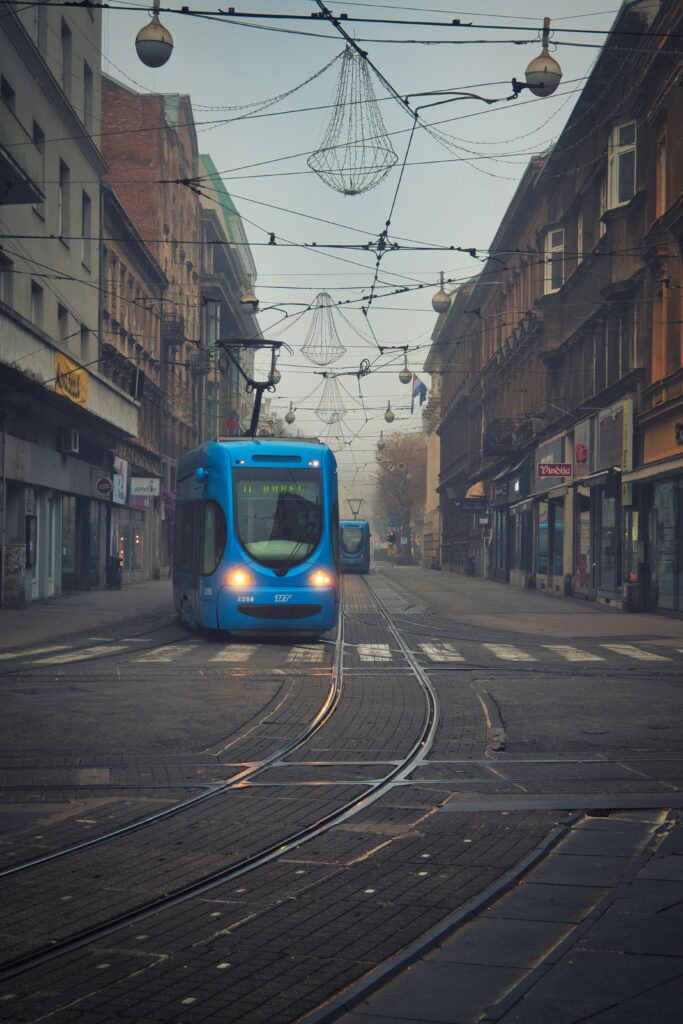
Another important measure is the electrification of public transport. In many cities, such as Paris, Berlin and Amsterdam, a large part of the buses are already electric, while in Eindhoven all buses are electric. Zagreb has a fairly well-developed tram network, which is good, but bus transport still relies largely on diesel.
The city has stated that they currently have four electric buses in operation, and this year ZET should receive another 62 electric buses worth 56.7 million euros, financed from EU funds through the National Recovery and Resilience Plan. The goal is to completely electrify the bus fleet operating in Zagreb in the coming decade.
cycling infrastructure
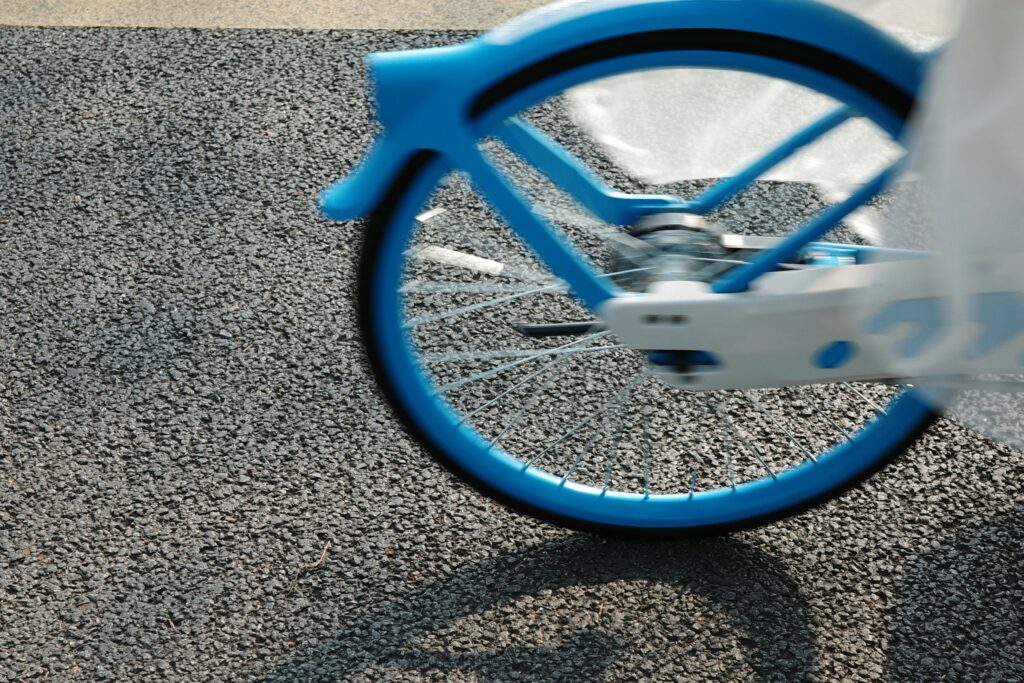
The experience of cities which are much bigger than Zagreb like Paris, Copenhagen and Amsterdam shows that a developed network of cycle paths and pedestrian zones can reduce car traffic and emissions in the long term. In Zagreb, cycling infrastructure is gradually expanding, but is often disconnected and insufficiently safe, with people walking, scooting, cycling and trying to park typically taking place on one tiny strip of pavement by a busy roadside.
One good move is that back in August 2025, Zagreb introduced a public bicycle system called “Bajs” with 2,000 bicycles at around 180 locations, available 24 hours a day via a dedicated Bajs mobile app. The city also needs to be better equipped with safe trails, and it’s yet to be seen what Zagreb is concretely planning in this respect.
constant (and incredibly irritating) construction work
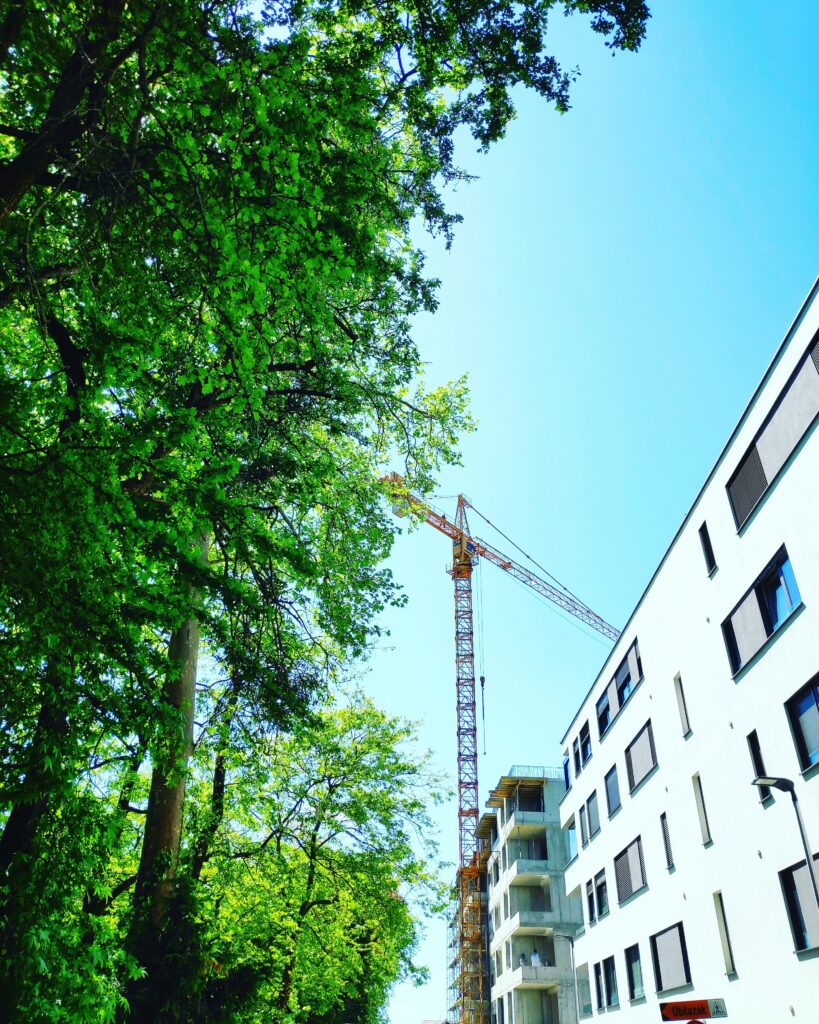
Construction machinery and works can also be a significant local source of pollution, especially in Zagreb, which has become a major construction site after the earthquake. Yes, the one back in March 2020. Yes, it’s still going on. Cities like Oslo already require the use of electric or low-emission equipment on construction sites. No response to this particular question had been received at the time of writing this article.
industry – something zagreb doesn’t even really have
A number of European cities have tightened emission standards for industry and large sources, introduced better monitoring, and data on such emissions is publicly available. Some regions across both Germany and the Netherlands have also introduced stricter local thresholds and the mandatory use of the best available technologies solely to try to reduce emissions.
Fortunately, or unfortunately, Zagreb does not even have a developed heavy industry, yet the air across Zagreb is still so terrible that you would have no idea of that. They explained from the city administration that emissions from existing industrial and energy facilities are being monitored according to European and national regulations. Supervision is carried out by the State Inspectorate, while the City of Zagreb itself monitors emissions through the Air Protection Program 2022–2026, encourages the application of the best technologies and regularly reports on the implementation of measures.
They pointed out that air quality data is published daily on the “Air Quality in the Republic of Croatia” portal and through the European AQI index. They claim that SO₂ and NO₂ levels are mostly below warning thresholds, and that ozone levels are only occasionally exceeded during the summer.
informing the general public
Cities like Vienna, Stockholm and Helsinki have all shown that public campaigns, clear recommendations and timely information can reduce pollution levels.
The City of Zagreb stated that they are conducting campaigns and informing the wider public about the proper use of fireplaces, the use of dry wood and the ban on burning waste. Back in December 2025, they stated that the distribution of leaflets “Clean and energy-efficient wood heating” began in cooperation with the Chimney Sweepers’ Cooperative, and advisory support on energy efficiency is also provided by the Zagreb Energy Centre.
pollution rolling in from elsewhere
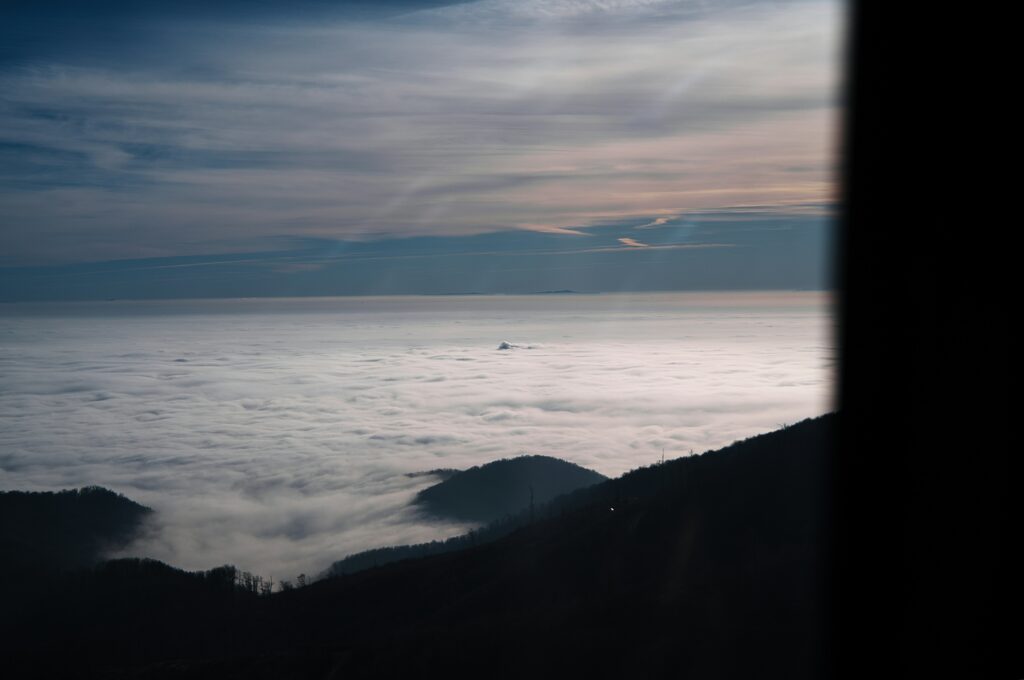
Air pollution that ends up getting stuck in Zagreb partly comes from other parts of Croatia and from cross-border sources. The city emphasised that the state has an important role in this context, but we haven’t been able to find out what is actually being done about this issue, if anything.
plans at the national level

According to the responses received from the Ministry of Environmental Protection and Green Transition, the key planned measures include increasing the energy efficiency of single-family homes and multi-apartment buildings and investing in clean and sustainable, emission-free public transport.
The plan is to submit all such plans to the European Commission for approval by the end of March 2026, and due to its population density and traffic intensity, Zagreb is expected to be among the more significant beneficiaries of the funds.
By 2030, the aim is to invest around 260 million euros in projects to reduce emissions and modernise energy systems, including the de-carbonisation of district heating systems using renewable sources and without extending the use of fossil fuels.
e-mobility
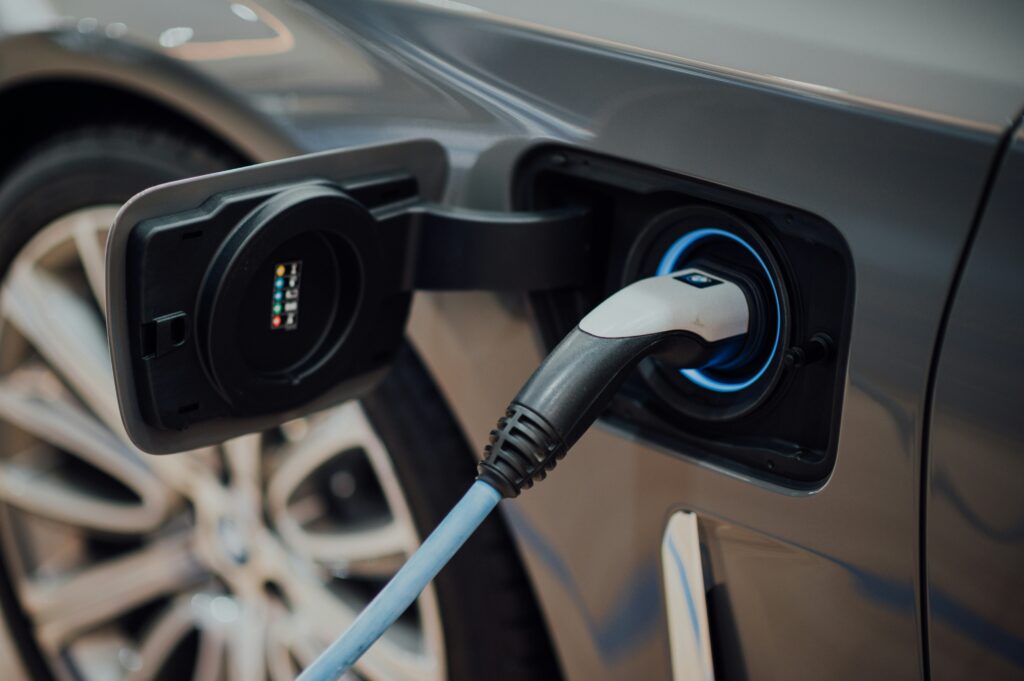
From 2019 to 2024, the Environmental Protection and Energy Efficiency Fund co-financed the procurement of 6,263 alternative fuel vehicles through ten calls. Last year, the largest call for e-mobility was carried out, worth a total of 21.2 million euros, with requests for more than 2,800 vehicles. With 3.2 million euros remaining, a call for proposals is planned to be reopened in early March. A new call for proposals for the public worth 20 million euros for electric vehicles and home charging stations is also currently being planned for the third quarter of this year.
According to the Air Protection Act, if pollution limit values are exceeded, local governments must adopt an action plan within 15 months, adopt it within 18 months, and prepare an implementation report every two years. In the period from 2013 to 2025, such plans were drawn up by Zagreb, Sisak, Kutina, Osijek, Rijeka, Slavonski Brod, Vinkovci, and Velika Gorica, the Ministry concluded.
Subscribe to our newsletter
the fields marked with * are requiredRelated posts:
 One of the biggest yachts in the world: ”Ocean Victory” near Plat
 Mljet Plans to Electrify as Many Boats as Possible
 Chef Tomica Đukić Delights Food Influencers With Modern Take on Slavonian Cuisine at Panona Mare Event
 Dalmatian Islands Environment Foundation Launches Crowdfunding Campaign to Protect Coral on Island of Iž