April the 12th, 2026 – This idyllic island is part of the Elaphiti archipelago just northwest of bustling Dubrovnik. Šipan is home to less than 500 permanent residents and boasts over 300,000 olive trees. Beloved by all who visit it, it even managed to enter the Guinness Book of Records.
As Putni kofer/Anita Budimir writes, people like to call it the “little island of gold” because of its exceptional fertility and equally rich past. Situated a mere 17 kilometres from the City of Dubrovnik on the mainland, Šipan is the largest of the Elaphiti Islands. Back during the time of the Dubrovnik Republic, Šipan’s estates were owned by the nobility. At that time, glamorous summer houses, churches and all kinds of palaces were built across the island, which shows how much it was appreciated even long ago.
the greek origins of one of croatia’s “deer islands”
It owes its name to the travelling Greeks who called the Elaphiti Islands the Deer Islands (élaphos in Greek means deer), although these animals sadly no longer live on them. According to another explanation, the archipelago got its “animal” name because it has the rough shape of a deer. As an integral part of this archipelago, Šipan was named Gypanon, which translates as the name for an eagle’s nest.
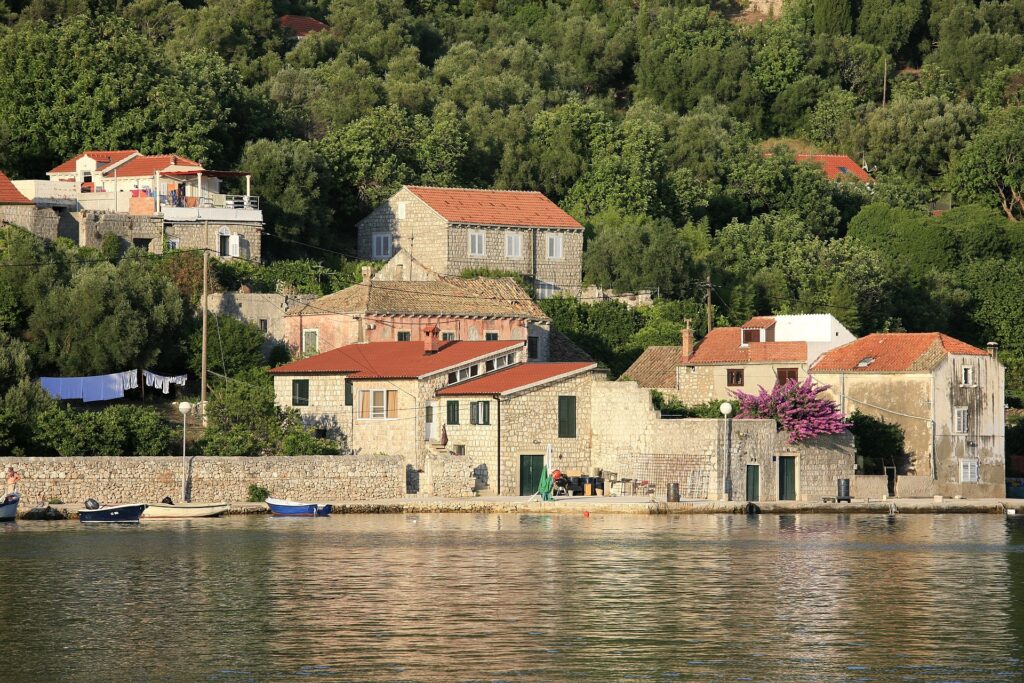
This beautiful island still preserves a multitude material traces from the ancient period, and it experienced its cultural, infrastructural and economic flourishing sometime between the 17th and 18th centuries. Only 16 square kilometres in size, the island has two developed settlements, Šipanska Luka and Suđurađ, which have approximately 200 permanent inhabitants living in them, respectively. The island itself has retained the spirit of the old times; time has truly stood still there, and only the occasional renovation of the old summer houses gives the impression that they are still actually existing in the 21st century.
Šipan is home to less than 500 people, but plenty of olive trees
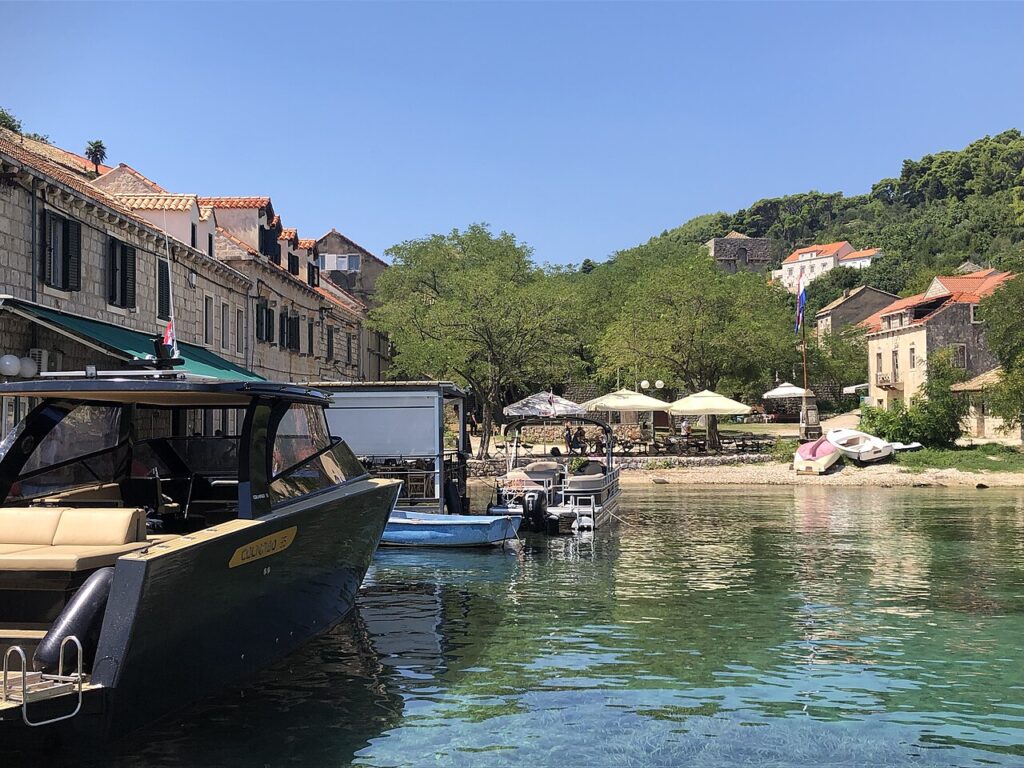
Although seemingly frozen in time, this southern Dalmatian gem is one of the most desirable destinations for anyone looking for a holiday that brings one in touch with not only unspoiled nature but ancient glamour, which you will rarely find anywhere else in the world. Šipan is home to less than 500 people in total, and they’re grossly outnumbered by gnarled, ancient olive trees which do exceptionally well there.
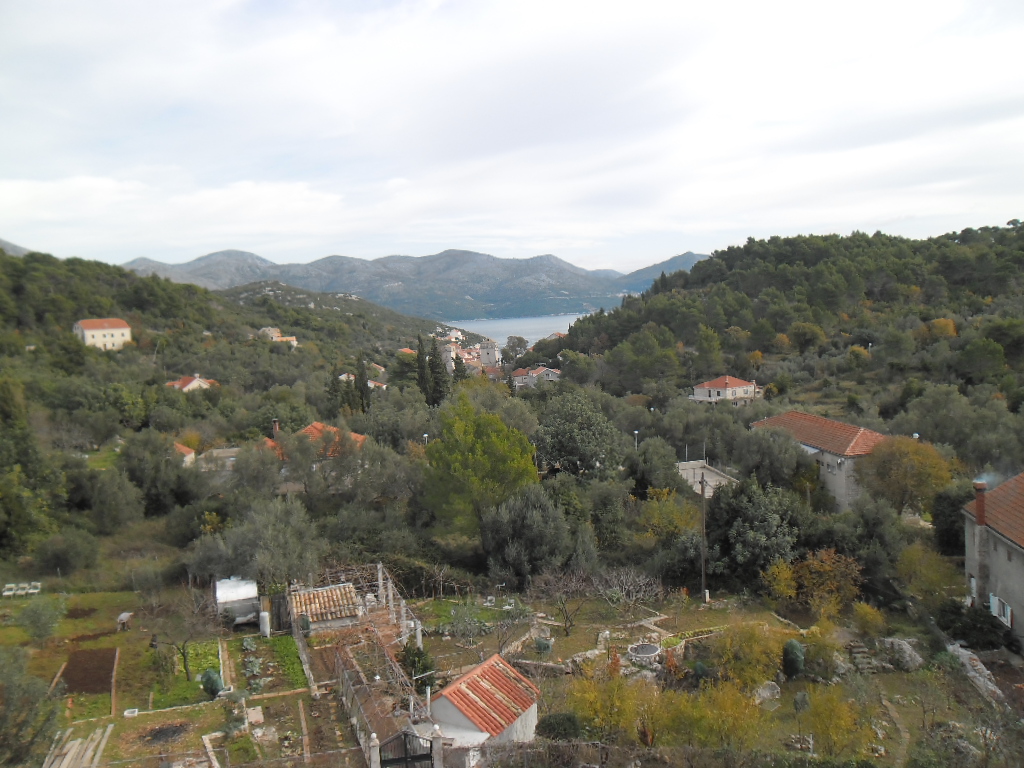
Šipan has everything a person may need, despite its rejection of modernity. The beaches are incredibly beautiful, and the interior of the island is home to rolling hills full of vineyards, citrus fruits and ancient olive trees with several forgotten, long-abandoned villages. An authentic and traditional Dalmatian atmosphere can be felt at every turn, from the intoxicating scents of the wild herbs to the old, worn, stone streets. The combination of deep blue, green and slightly yellowish medieval stone exists as if in a time capsule. When you add to all this that access to cars is entirely prohibited on this island, it immediately becomes clear why so many are attracted to it.
ancient island architecture

In addition to its natural beauty, Šipan also has some very interesting statistics that were touched on before. The island is home to as many as 42 fancy old summer houses, and in addition to them there are 34 churches and chapels, of which the Church of the Holy Spirit in Suđurađ stands out in particular for its flat roof, the largest of its kind on the entire Adriatic coastline. Other buildings there also stand out, including the Rector’s Palace from the time of the Dubrovnik Republic and the Pakljena Tower from the 16th century. That goes without even mentioning the fully renovated summer house of the noble Stjepović-Skočibuha family, as well as the summer houses of the Sorkočević and Katina families and the Parish Church of St. Stephen the First Martyr.
Šipan is in the guinness book of records for its unusual demography
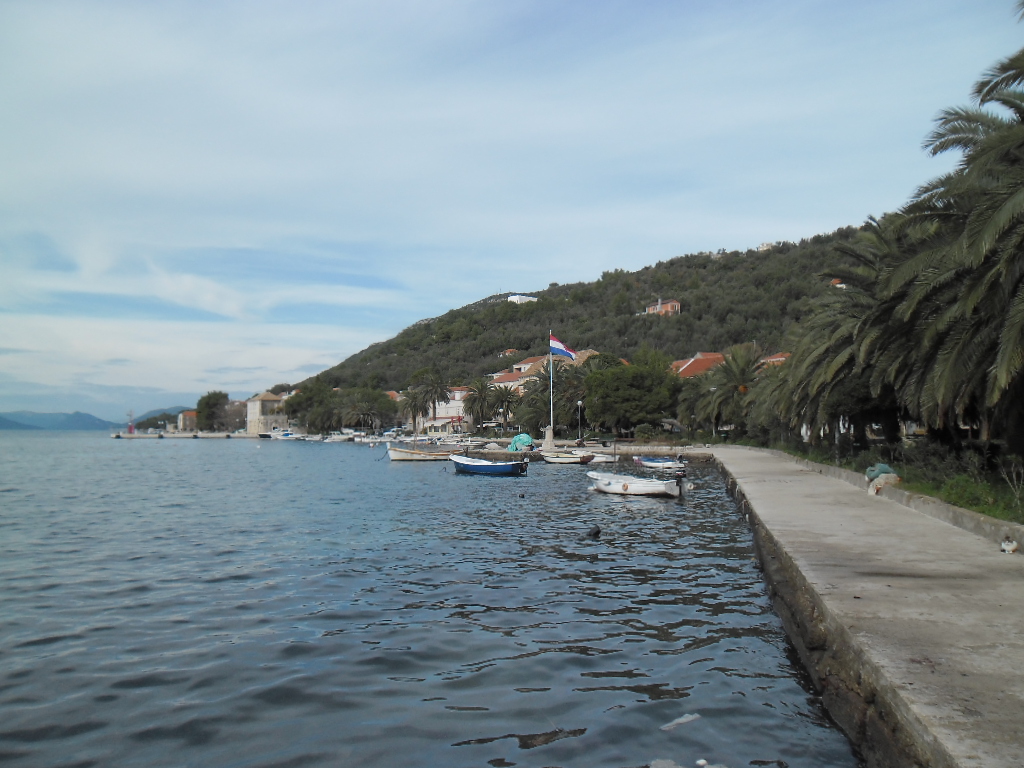
One fascinating fact that places Šipan on the global map that would likely otherwise simply forget it is that it has also made it into the Guinness Book of Records as the island with the largest number of olive trees in relation to its area and human population.
Historical data states that this is a “consequence” of the tradition of the Dubrovnik Republic, according to which an islander could only get married after planting a certain number of olive trees. According to National Geographic, there are about 300,000 olive trees dotted across the island, and only 476 officially registered residents, which earned it the aforementioned record.
Šipan is an example of how tiny, “forgotten” places still have plenty of character. Historical heritage, natural fertility and a peaceful life that is increasingly rare in the modern world have all come together to form something quite remarkable. The island offers an experience that is not measured by size or number of inhabitants, but by Dalmatian authenticity and the feeling that every single corner, no matter how tiny, has its own story.