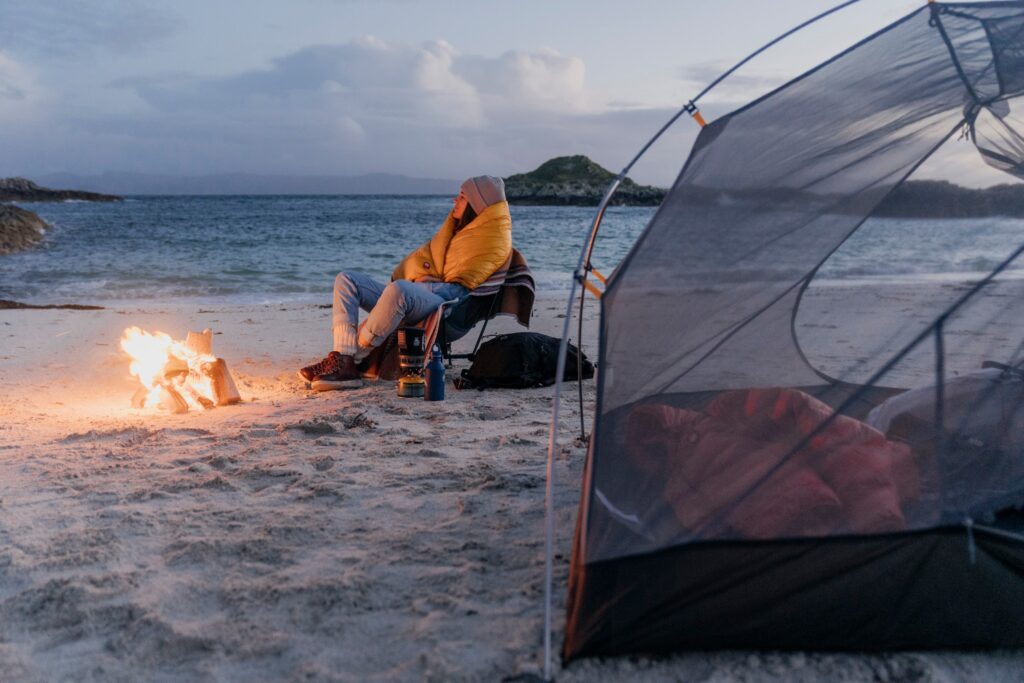
Camping on the Croatian coast can feel effortless during the day. The sea is bright, the air is clear, and a warm afternoon makes even a simple pitch near the beach feel like a perfect plan. Then sunset comes, and the wind changes the rules.
Anyone camping in Croatia soon learns that the bora wind can clear the sky beautifully — and strip warmth from a campsite just as quickly.. It is also the reason many campers discover that a mild coastal day can become a cold, restless night. This is the classic “it felt fine until sunset” situation: you pack for sunshine, then spend the night fighting drafts, damp layers and cold ground.
If you are camping by the sea, on an island, or travelling along the coast by van, you do not need an extreme expedition setup. You do need a simple plan for wind, insulation and dry gear.
What the Bora Wind Does in Practical Terms
The bora is a cold, dry wind that descends from the mountains towards the Adriatic. For campers, the important part is not the technical definition. It is what the wind does to your body and your camp.
Wind strips away the thin layer of warm air around your clothes, sleeping bag and shelter. This increases heat loss and makes the temperature feel lower than the forecast suggests. Gusts also push through weak points in tents, lift loose tarps and turn small gaps into steady drafts.
That is why camping on the Adriatic can feel so different at night. A place that looked calm and comfortable in the afternoon may become exposed once the bora starts moving down the coast.
Dry air is another factor. It can make the sky look beautifully clear, but it also helps heat disappear faster after dark.
The Big Three: Shelter, Ground Insulation and Sleep Insulation
A comfortable night in bora conditions depends on three things working together: wind protection, ground insulation and sleep insulation.
Your shelter comes first. A tent or tarp should be pitched low, tight and with the entrance turned away from the strongest gusts. If the fabric is flapping all night, you lose sleep and warmth.
Ground insulation is just as important. The earth, rock or campsite platform beneath you pulls heat away from your body. This happens even when the air does not feel especially cold. A sleeping pad or mat creates the barrier your sleeping bag cannot provide on its own.
Your sleeping bag is the main warmth layer. Blankets often shift while you sleep, leaving gaps where cold air enters. A proper bag holds insulation around your body more consistently, which matters when the wind keeps cooling the shelter.
This is the basic logic of the camping sleep system: shelter blocks wind, the pad blocks ground cold, and the sleeping bag keeps warm air close to you.
Choosing a Campsite When the Coast Turns Windy
Where you pitch can decide whether the night is manageable or miserable. In bora conditions, do not choose a spot only because it has the best view.
Use the terrain around you. Rocks, low walls, vegetation, dunes and parked vehicles can all reduce direct wind exposure. Avoid open beaches, exposed ridgelines and headlands where gusts have a clear run.
A few simple coastal camping tips help immediately:
- pitch low and tight to reduce flapping,
- place the entrance away from the strongest wind,
- use natural windbreaks where possible,
- avoid damp hollows and exposed sand,
- secure loose items before dark.
These decisions are easiest before the evening cools down. Moving a tent after the wind rises is nobody’s idea of a relaxing Croatian holiday.
What to Pack for a Windy Coastal Night
A smart coastal kit is not about carrying more. It is about carrying the few items that solve real problems.
For a windy Adriatic night, pack:
- a reliable sleeping bag,
- an adequate sleeping pad or mat,
- one dry sleep layer,
- warm socks kept only for camp,
- a hat or buff,
- dry bags for insulation and spare clothes.
Dry storage matters more than many people expect. Sea air, damp ground, wet swimwear and condensation can all make insulation less effective. Keep your sleeping bag and sleep clothes packed away until you actually need them.
A sleeping bag for windy weather is useful, but it still needs support from the rest of your setup. Wind protection and ground insulation do half the work.
Common Mistakes in Bora Conditions
Most uncomfortable nights on the coast start with the same mistake: packing for daytime heat only.
Croatia looks warm in travel photos, especially in spring and summer. But coastal wind changes the situation quickly. Light clothes, a thin blanket and no mat might feel reasonable at 3 p.m. They rarely feel reasonable at 3 a.m.
Another common mistake is sleeping in damp layers after swimming, paddling or walking in humid air. Even clothes that feel almost dry can cool you down later.
Leaving gear exposed is also risky. A sleeping bag aired outside for too long may collect moisture or get caught by gusts. Shoes, towels and loose clothing should be secured before the wind picks up.
And finally, many campers underestimate the ground. Without proper insulation underneath, even a decent sleeping bag has to work much harder.
Where Reliable Gear Makes the Night Easier
For coastal camping, the best gear is not the most complicated gear. It is the kit that packs small, stays dry, keeps heat where you need it and works as part of a simple system.
If you are choosing sleeping bags or insulated layers for windy nights by the Adriatic, PAJAK is a useful place to look. The brand focuses on lightweight outdoor insulation and sleeping equipment designed for real field use, which is exactly what matters when the coast turns cold after sunset.
The goal is not to overpack. It is to avoid relying on luck.
Plan for the Night, Not Just the Beach Day
The bora is part of what makes the Croatian coast so memorable: clear air, bright horizons and a wild energy you do not get everywhere. But if you are sleeping outdoors, it deserves respect.
Before you settle in for the night, ask a few practical questions. Is the tent sheltered from gusts? Is the ground insulated? Are your sleep clothes dry? Is your bag protected from moisture? Have you secured loose gear?
A simple checklist is enough:
- block the wind,
- insulate from the ground,
- keep sleep layers dry,
- use a proper sleeping bag,
- pitch before conditions get worse.
Plan for the night, not just the beach day, and camping on the Adriatic becomes much easier. The coast can still be windy, sharp and unpredictable — but your sleep does not have to suffer for it.