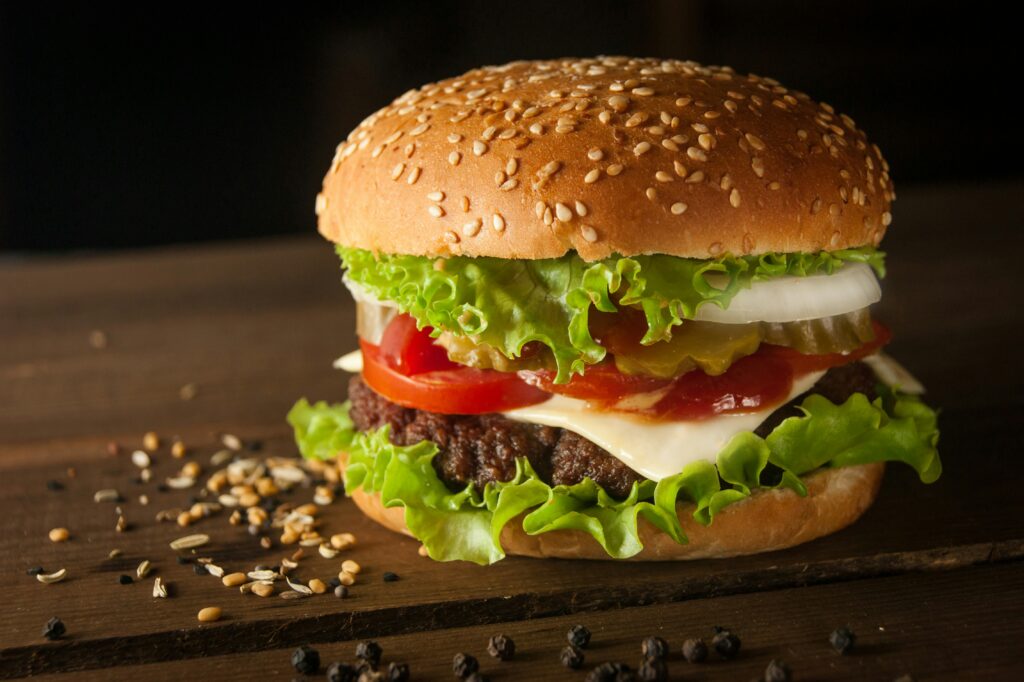
July the 8th, 2026 – Split burger prices have spiralled so much that in some restaurants, they cost as much as they do at Wimbledon. The tourism minister is calling more and more loudly for cuts before things go too far beyond a joke for visitors. For many, that time has already come and gone.
As Slobodna Dalmacija reports, Croatia’s tourism minister has urged restaurants and retailers to lower prices after being challenged over reports that hamburgers in Split now cost as much as they do at Wimbledon.
Speaking on Nova TV’s evening news, Tourism Minister Tonči Glavina said the first half of the country’s tourism year had matched last year’s record visitor numbers, while tourism revenues for the first quarter were up 9.2%, or around 80 million eutros.
“We’re very satisfied with the first six months,” Glavina said. “Considering last year was a record year and the current geopolitical instability, these are good results.” However, concerns over high prices continue to dominate Croatia’s tourism debate, with industry experts warning visitors are spending less than they did last year despite solid arrival figures.
During the interview, Glavina was asked whether it was reasonable that basic hamburgers in Split are selling for between 12 and 14 euros, prices comparable to food at the Wimbledon tennis championships. Rather than directly answering whether he believed those prices were acceptable, the minister repeated that the market would force businesses to adjust.
“Accommodation providers have already reacted. We now expect retailers and the hospitality sector to do the same. The market is demanding price corrections, and our competitors are making those corrections as well,” he said. When pressed again on whether he personally considered such prices normal, Glavina simply replied: “I think I’ve already answered your question.”
Glavina also said accommodation providers had already begun moderating prices following government appeals and expressed hope that restaurants and shops would follow suit. He argued that international competition and changing travel patterns mean Croatia must remain competitive, particularly as travel costs have risen globally. According to the minister, businesses that have already adjusted their pricing are seeing positive results.
Looking ahead, Glavina said July is expected to be more challenging than August, although he believes matching last year’s overall tourism performance would still represent a major success. He also noted Croatia’s dependence on the German market, which accounts for roughly one-quarter of all tourist traffic, adding that changes to German school holiday schedules this year are affecting monthly visitor patterns.