

September the 13th, 2026 – Croats seem to generally be more generous than most Europeans as a new survey reveals that as much as 68% of them have donated money to various charitable causes.
Research shows that the decision to donate is influenced not only by the financial resources a person has at their disposal, but also by a sense of belonging to the community, personal values and trust in the organisations that receive donations. Ana Roksandic reports for Poslovni that Croatia is actually among the leaders in the share of income that citizens give for donations.
Croatian citizens set aside more for others than most Europeans. According to a new report by the Charities Aid Foundation (CAF), 68% of Croatian citizens donated money during 2025, whether to charitable organisations, directly to people in need or for religious purposes.
a culture of solidarity
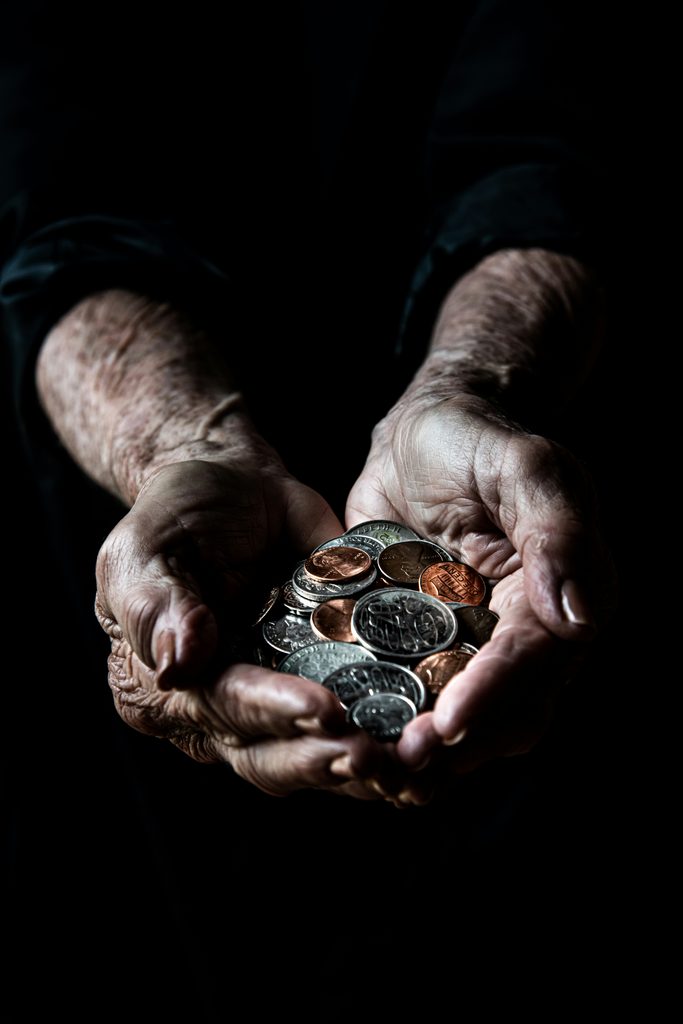
Domestic donors most often provide direct help to people in need, while donations to organisations are mainly directed towards local and national civil society organisations, states the National Foundation for Civil Society Development, according to CAF data. Research shows that the decision to donate is influenced not only by the financial resources a person has at their disposal, but also by a sense of belonging to the community, personal values and trust in the organisations that receive donations. Countries in which citizens feel a stronger connection with their local communities also record a significantly higher level of giving. Social connectedness is important for the development of philanthropy. The share of income that residents of Croatia set aside through various forms of financial assistance places our country in second place among European Union members, behind Romania, where that share is 0.9 percent, and ahead of Ireland with 0.7 percent. Domestic organisations that we asked for comment are not surprised by such a level of generosity.
“Croatia’s high position did not completely surprise us. In Croatia there is a strong culture of solidarity and helping, especially when it comes to concrete people and needs. Over the past 10 years we have recorded greater visibility and diversity of philanthropic activities and citizens’ readiness to help. It is important to further develop this culture of giving towards longer-term forms of philanthropy,” said Smiljana Rađa, Managing Director of the European Foundation for Philanthropy and Social Development.
From Croatian Caritas they said that, although they currently do not have consolidated statistical data with which they could give a precise answer to the question about donation trends, they confirm the tendency towards mutual help. “From our everyday experience we can confirm that the solidarity of Croatian citizens and companies is extremely great, especially in moments of crisis, which coincides with the positive trends cited by CAF,” they told us from Croatian Caritas.
donations directly to those in need

Of the 0.8 percent of citizens’ income that is on average set aside for various forms of giving, as much as 0.4 percent goes directly to people in need, while 0.2 percent goes to charitable organisations and the same amount for religious purposes. In other words, Croatian citizens on average direct twice as large a part of their income directly to individuals than to organisations.
“This shows that in Croatia there is strong direct solidarity; citizens often want to help a concrete person or family. At the same time, there is room for greater trust in civil society organisations, which can turn donations into long-term and systematic support for a larger number of people,” said Rađa.
between 10 and 19 euros

Research by the National Foundation for Civil Society Development from 2024 also showed what typical Croatian donating looks like. According to the research on citizens’ donating habits in Croatia, as many as 67 percent of citizens would rather donate to local than to international organisations, while the most common donation amount is between 10 and 19 euros. Donating is at the same time strongly connected with concrete circumstances. Around 53 percent of citizens say that crisis situations prompt them to donate, while 46.3 percent with higher personal incomes would donate more. Total donations in the three largest economies of the European Union, Germany, France and Italy, in 2025 on average amounted to only 0.4 percent of income. Europeans on average donated 0.6 percent of their income, compared to the global average of one percent.