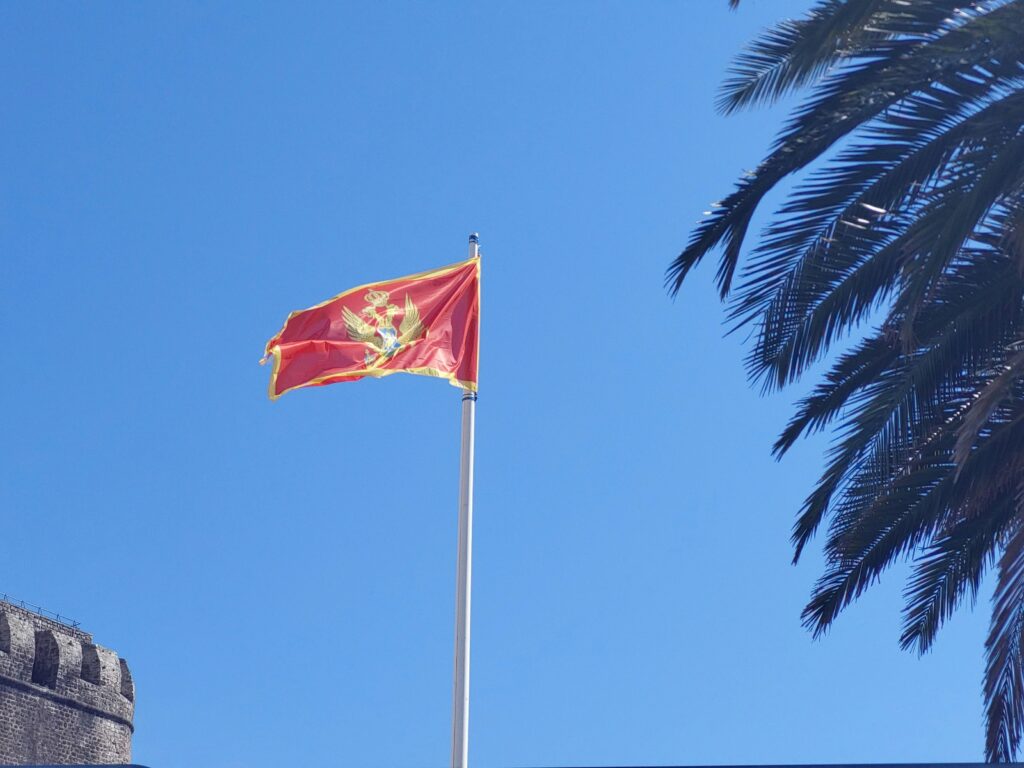
October the 22nd, 2026 – The issues surrounding Montenegro and its EU accession closely involve Croatia, with EU Commissioner Marta Kos saying that without Croatian consent there can be no progress.
Complicated, war-mired bilateral issues between Montenegro and Croatia are not part of the negotiating process with the European Union, but they must be resolved, said EU Commissioner for Enlargement Marta Kos. She explained that Montenegro’s further progress depends on the consent of all 27 member states. Anadolu/Index reports that Commissioner Kos emphasised that Croatia has its own interests, but that she is encouraged by the steps Montenegro has taken towards resolving these open issues. She considers the signing of the accession treaty by the summer of 2027 to be a realistic goal and that Brussels supports the plan for Montenegro to become the 28th EU member in 2028.
the differences between politics and eu accession negotiations
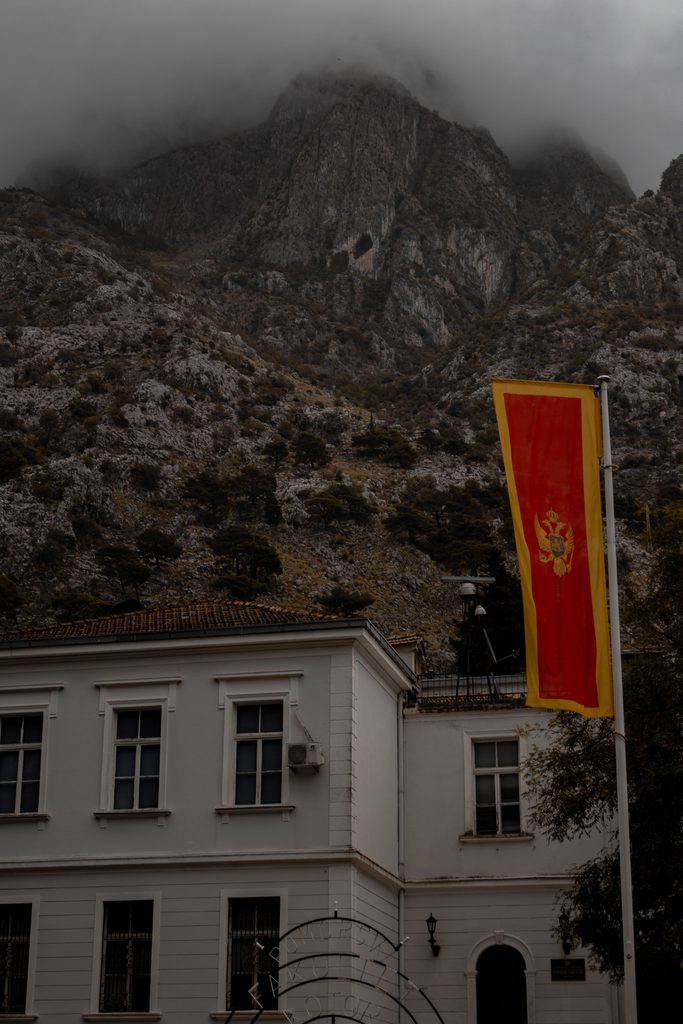
She also commented on the possibility that Croatian demands could become official Brussels conditions and explained that a distinction should be made between the technical part of the negotiations and the political support of the member states. “Here, I’d like to separate the technical process from the support that every candidate country must receive from all 27 European Union members. What you in Montenegro have achieved in the last three years truly happens once in a lifetime. You have made enormous progress and I’m genuinely proud of you. I hope you in Montenegro are also proud of yourselves,” Kos said.
She stressed that the consent of all member states is necessary for the continuation of the European path. “At that level you have done almost everything; we are just a little short. But if we want to go further in this process in Brussels, we need the consent of all 27 members. Croatia has its interests and speaks openly about them,” she stated. “I’m glad that Montenegro has taken certain steps in recent days and that dialogue between Croatia and Montenegro exists. I think you are on the right path to resolve these bilateral issues as well. They are not part of the negotiating process, but because of everything I have explained they must be resolved,” she added.
one step closer to formal eu membership
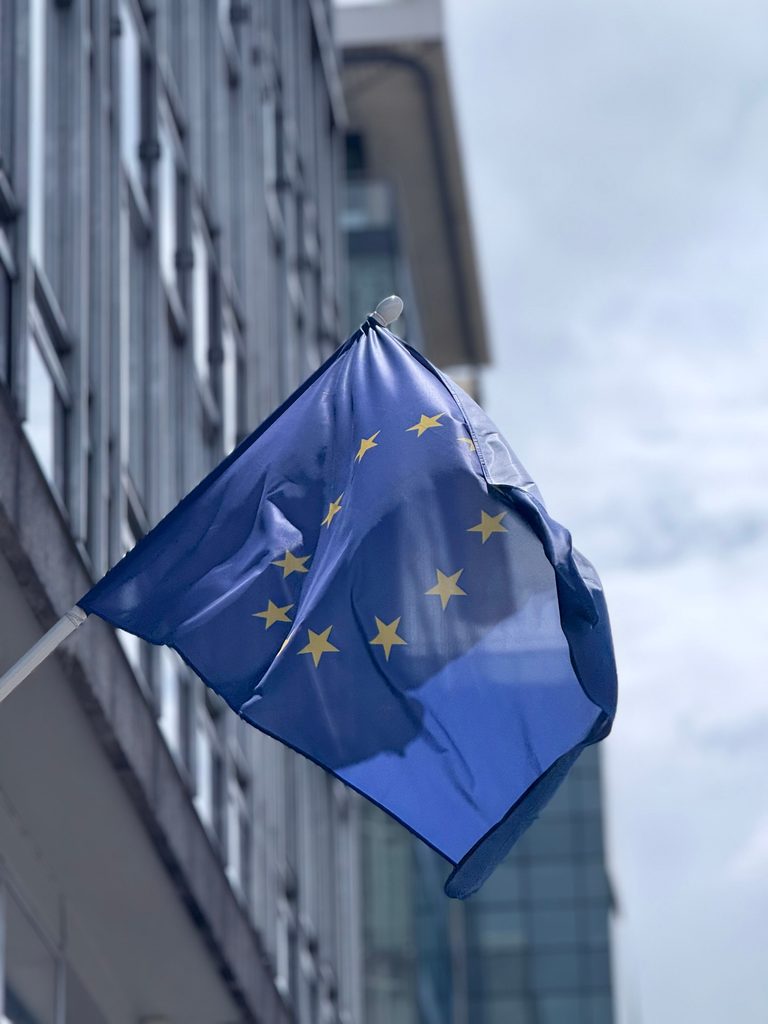
Kos also referred to the decision of the Montenegrin Parliament to accept constitutional changes relating to the integrity check of candidates for government members. “The Montenegrin Parliament has brought your country one step closer to the goal, which is full membership of the European Union. This is an excellent result that shows that your MPs also understand why it is now important that, in sporting terms, you are in the final of one of the most important matches in Montenegro’s history,” Kos said. She emphasised that the adoption of the constitutional changes brings Montenegro closer to closing Chapter 23 and then to the completion of the accession negotiations themselves.
the painful issue of war crimes committed against croatia
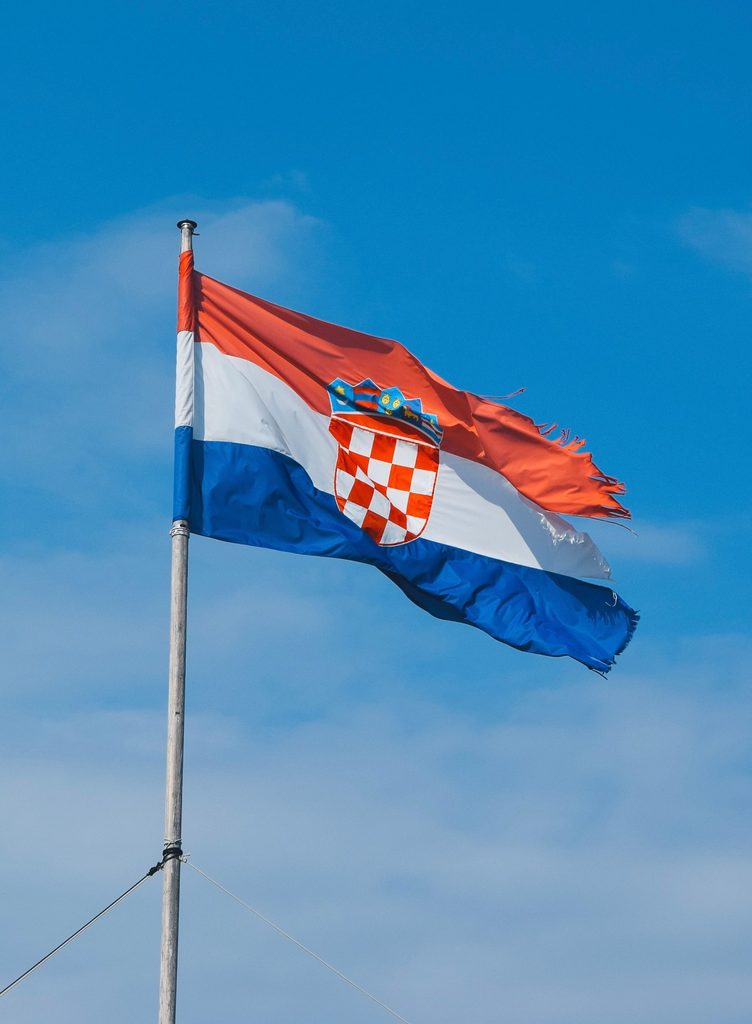
Kos also answered a question about Parliament Speaker Andrija Mandić. His removal did not succeed in parliament, and the opposition criticised him for expressing condolences to the family of convicted war criminal Ratko Mladić. Kos stated that only the Parliament decides on its leadership. “Only the Parliament can decide on its leadership, no one else. In the EU, there is truly no place for glorifying war criminals. It’s important, as President Ursula von der Leyen and I personally have stressed, that reconciliation and respect for the victims are values that mean a great deal to us in Europe,” Kos said.
“The painful history of the former Yugoslavia is full of open wounds. I think it is good to talk about this, but not by looking backwards, but forwards. It is important to say if something is not right or if someone has not acted well. These are our values, and these European Union values are one of the reasons why Montenegro wants to join the EU.”
Ahead of the upcoming Berlin Process summit in Budva, Kos assessed that Montenegro is in the focus of European leaders and that its results are increasingly of interest to the member states. She believes that the summit in Budva, after the one in Tivat, will further strengthen Montenegro’s international visibility and its European perspective. “European leaders see how much Montenegro has achieved and it is clear to Europe who will be our next member. In June at the summit in Tivat the French President Emmanuel Macron was present for the first time, and today the German Chancellor is coming. I believe each of them is delighted when they come here,” Kos said.
She added that, along with regional cooperation, one of the primary topics will be the way in which the EU can help Montenegro complete the negotiations and become a full member.
Subscribe to our newsletter
the fields marked with * are requiredRelated posts:
 Andrej Plenković: “Lowest Unemployment since 1990”
Agrokor: Ivica and Ante Todorić Still in London, Several Arrests Made
Arbitration: Slovenia’s Karl Erjavec Threatens Legal Proceedings Against Croatia
 Croatian MEP Tonino Picula: Croatia Not interfering In Bosnia’s Affairs, Expects Greater EU Involvement