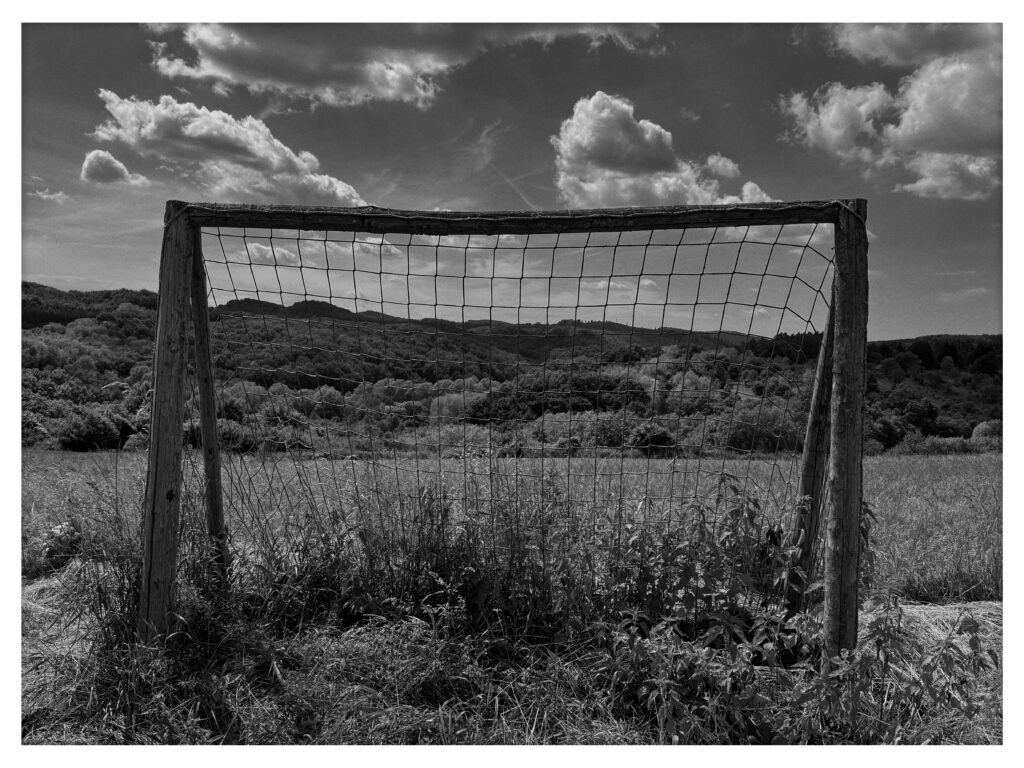
November the 15th, 2026 – Podravina-based geographer Vedran Šikić and film director Vedran Štefan have joined forces to tell the story of 37 villages with fewer than 50 residents in the documentary film Disappearing Homeland.
After two years of filming, more than 25 interviews with local residents, and over 20 hours of recorded footage, the film is entering the final stage of production. A crowdfunding campaign has been launched on the Bona Fides Invest platform to complete the film, with a fundraising target of €15,000.
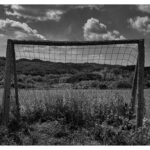
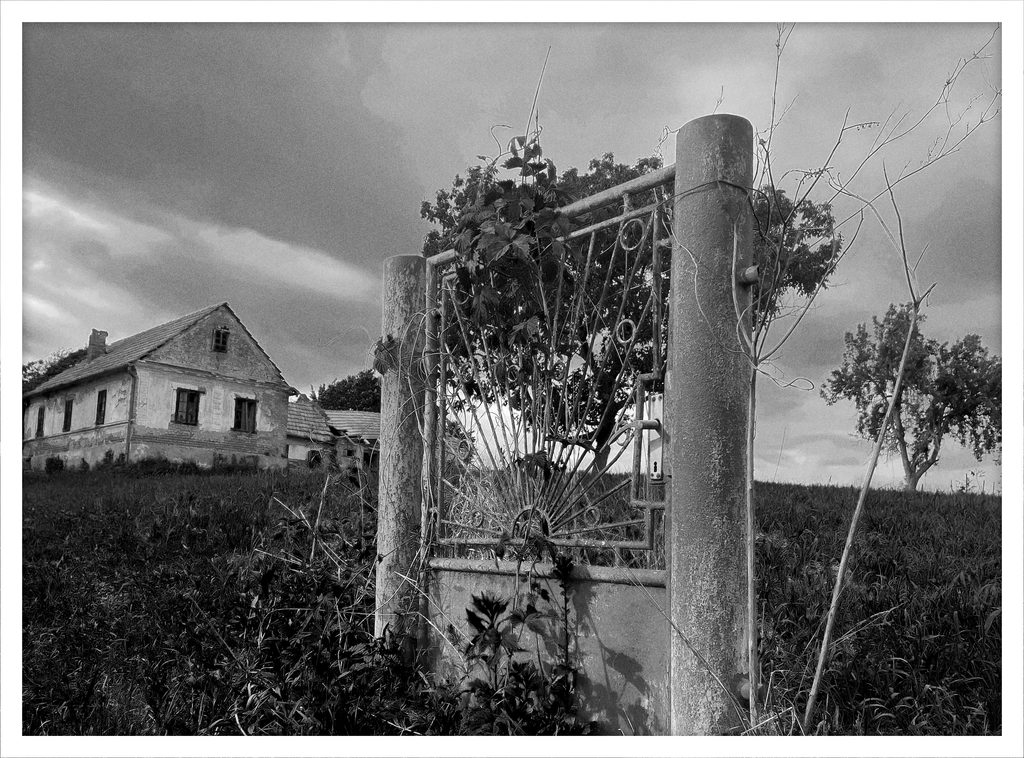
The village of Srdinac, not far from Koprivnica. Beside an old, abandoned house, of which only crumbling walls and an old gate remain, a shepherd tends to a flock of sheep. It is a scene that can still be found in Podravina’s villages, but one that many people would no longer even stop to notice. For Vedran Šikić, a geography professor from Koprivnica, this particular scene was one of the first things that inspired him to take a closer look at the villages of Podravina.
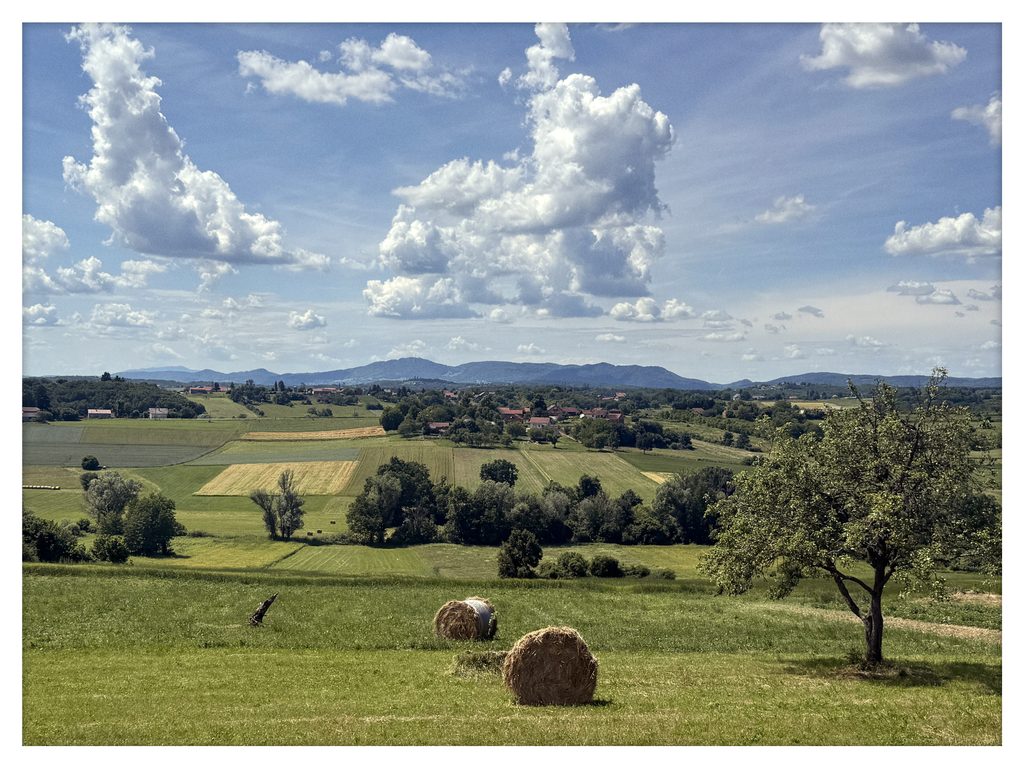
As he cycled through the villages of Podravina, Šikić gradually began to discover just how little we know about places that are, in fact, right on our doorstep. His friends, for example, had often never even heard of certain villages located just a few kilometres from Koprivnica. They knew even less about how many people still lived there, how they lived, and what was happening to places that had once been much more vibrant.
This realisation gave rise to the Disappearing Homeland project, followed by the documentary film of the same name, which seeks to capture life in small Podravina settlements before their residents, homes, and memories become nothing more than entries in historical records. After two years of work, filming has been completed, and the filmmakers are now facing the demanding final stage of production, which requires additional funding.
37 villages, less than 1,000 residents
The selection criteria were straightforward: all villages with fewer than 50 residents according to the 2021 population census, located within a 20-kilometre radius, measured as the crow flies, of Koprivnica. Since official census figures do not always fully reflect the actual situation in the smallest settlements, Šikić also verified the data directly in the field by speaking with local residents.
In the end, he included 37 villages. The smallest is Mali Botinovac, which today has just six residents.
The scale of demographic change becomes particularly evident when comparing past and present figures. Around thirty years ago, all 37 villages together had more than 2,500 residents. Today, that number has fallen to fewer than 1,000.
Most villages are now predominantly inhabited by older people, and their age structure is particularly unfavourable. Nevertheless, there are exceptions showing that the future of rural settlements is not equally uncertain everywhere. In Vojvodinec, for example, more than 30% of the population is under the age of 19, considerably above the Croatian average of less than 20%.
“Some villages have a future, but unfortunately, there aren’t many of them,” Šikić points out.
The reasons why young people leave are complex. A lack of infrastructure, poor transport connections, and inadequate internet access are just some of the problems. In certain villages, the internet connection is, as he puts it, “catastrophic”. The vast majority of working-age residents are still engaged in agriculture, but even this activity can no longer ensure the demographic renewal of villages on its own.
the asphalt ends at the village sign

The first phase of the project consisted of cycling trips through the villages. These journeys allowed Šikić to meet people, earn their trust, and document scenes that would later become part of the film’s story.
One such moment took place in Kostadinovac. “The asphalt road reaches the village sign, and then there’s nothing. It’s tragically comical. And it’s still the same today,” he recalls.
Yet alongside the shortcomings in infrastructure, it was the people who left a lasting impression on him. In Pobrđani Vojakovački, during one of his most demanding cycling routes, the local hosts immediately offered him homemade food to help him regain his strength. Later, those same people treated the film crew on several occasions during filming.
A particularly touching encounter took place with an elderly woman in Velika Branjska. Speaking about her neighbours from nearby Mala Branjska, and visibly moved while discussing the project, she pointed out with tears in her eyes that she is an Orthodox Christian and that the best people in the world are her neighbours from Zagorje.
Her testimony also reveals a lesser-known dimension of Podravina’s villages, connected with the history of migration and the shared lives of people from different backgrounds and religious traditions. Part of the local population consists of descendants of settlers from Hrvatsko Zagorje who, both before and after the Second World War, driven by poverty and overcrowding in their homeland, moved to Podravina in search of work as domestic servants and day labourers. In some settlements, Catholic and Orthodox families lived side by side for decades, building communities in which mutual respect, good neighbourly relations, and everyday solidarity mattered more than their differences.
It is precisely these encounters that give the project its particular value. Disappearing Homeland is not simply about documenting empty houses and demographic statistics, but also about recording human relationships, shared history, and ways of life that have shaped this region.
Gaining the trust of interviewees was not difficult. Šikić had met most of them during his cycling trips, and the residents were pleased that someone was showing an interest in their small villages. Nobody refused to speak in front of the camera, resulting in more than 25 interviews.
two vedrans, and the story that became a film
A documentary film was not the original idea. Šikić initially considered publishing a monograph, but over time he concluded that a film would be a more effective way of bringing the story to a wider audience.
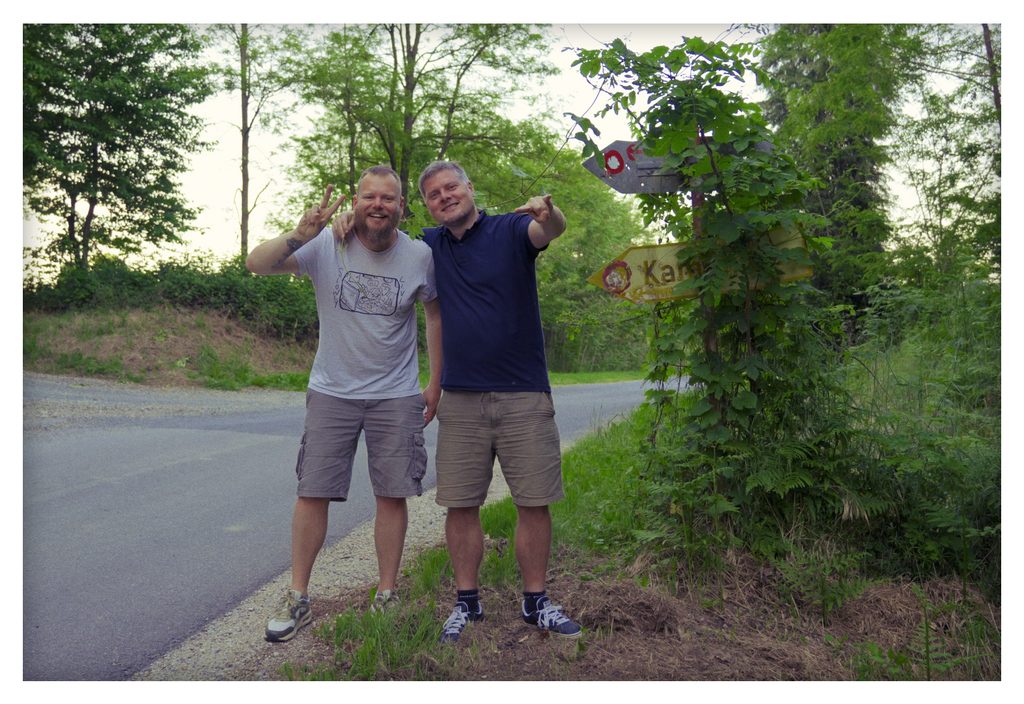
His collaboration with film director Vedran Štefan of the production company TETRABOT Ltd. began following one of Šikić’s presentations about the project. Together, they concluded that making a documentary was a natural next step in the research.
Over the two years of filming, the villages changed somewhat. In some, the population declined; in others, new residents arrived, while certain settlements gained paved roads, playgrounds, or water supply infrastructure. Nevertheless, these remain small improvements compared with the long-term demographic trends.
The film material comprises more than 20 hours of footage, interviews, and scenes from everyday life. It is from this material that the final story of the 37 villages, their residents, their past, and their possible future will take shape.
agro-tourism: untapped potential waiting for better days…

The economic dimension of the project is particularly interesting. Disappearing Homeland is not only about demographic decline, but also about the untapped opportunities offered by rural areas.
The Podravina region has relatively fertile soil, arable land, forests, and a diverse landscape. On one side are the Drava River lowlands and the river itself, while on the other are the hills of Bilogora and the foothills of Kalnik.
Most of the land surrounding the villages included in the project is still cultivated, although some areas remain unused. Farmers interviewed by the film crew pointed to difficulties in consolidating agricultural holdings, which makes it harder to expand production.
Several villages are home to a number of family farms engaged in dairy farming. However, they face problems related to labour shortages and an ageing population. Increasingly, young people are reluctant to pursue this type of work.
The tourism perspective is also interesting. Despite the natural beauty of the area and its proximity to Koprivnica, there are only three holiday homes across all 37 villages, all located in a single settlement, Segovina.
“Perfect for holiday homes,” says Šikić, describing a landscape that, with adequate infrastructure and entrepreneurial initiative, could attract significantly more visitors.
However, potential alone is not enough. Without good transport connections, communal infrastructure, reliable internet access, and favourable conditions for business development, it is difficult to expect new residents and investments to arrive.
Šikić believes that the future of some villages may not resemble the way they were lived in fifty years ago, but that rural areas can take on a new role. He envisions a kind of “Village 2.0” model, in which older residents connected with agriculture would live alongside younger families or individuals seeking peace, nature, and a better quality of life, while working in a town just 15 to 30 minutes away by car.
crowdfunding as a way to complete the film
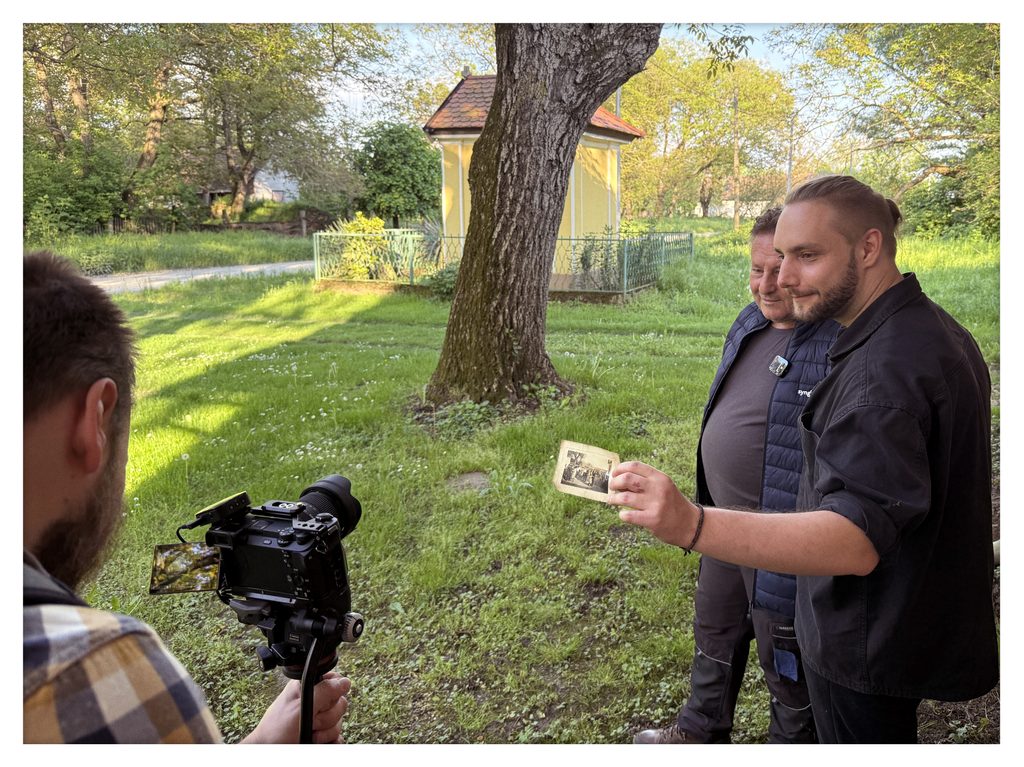
The filming has so far received financial support from the City of Koprivnica, the Municipalities of Rasinja, Novigrad Podravski, and Legrad, as well as the company Hartmann.
The City of Koprivnica provided funding through its annual public call for cultural projects, while the other partners supported the project through donations. In this way, slightly less than €15,000 was raised. However, completing the film to full professional standards requires between €60,000 and €70,000. The production company has therefore also invested some of its own funds to ensure the highest possible quality of filming.
After the project failed to secure funding through the public call of the Croatian Audiovisual Centre, the filmmakers had to find an alternative way to obtain the resources needed to complete production. They decided to turn to crowdfunding, a form of collective financing in which a large number of individuals and organisations contribute smaller individual amounts towards achieving a shared goal.
The campaign is being conducted on the Bona Fides Invest crowdfunding platform, with the aim of raising an additional €15,000.
The funds raised will be used to engage the film professionals whose expertise is essential to completing the documentary. Most importantly, a film editor will need to review and process more than 20 hours of footage and shape it into the final cinematic narrative. A composer will prepare the music in collaboration with KUD Rudarice, while a sound designer will process the recorded audio and create the final sound mix.
The production also requires the creation of graphics and animations of historical maps featured in the film, final colour grading, and preparation of the documentary for screening in cinemas, on television, and on online platforms.
supporters become guardians of their homeland
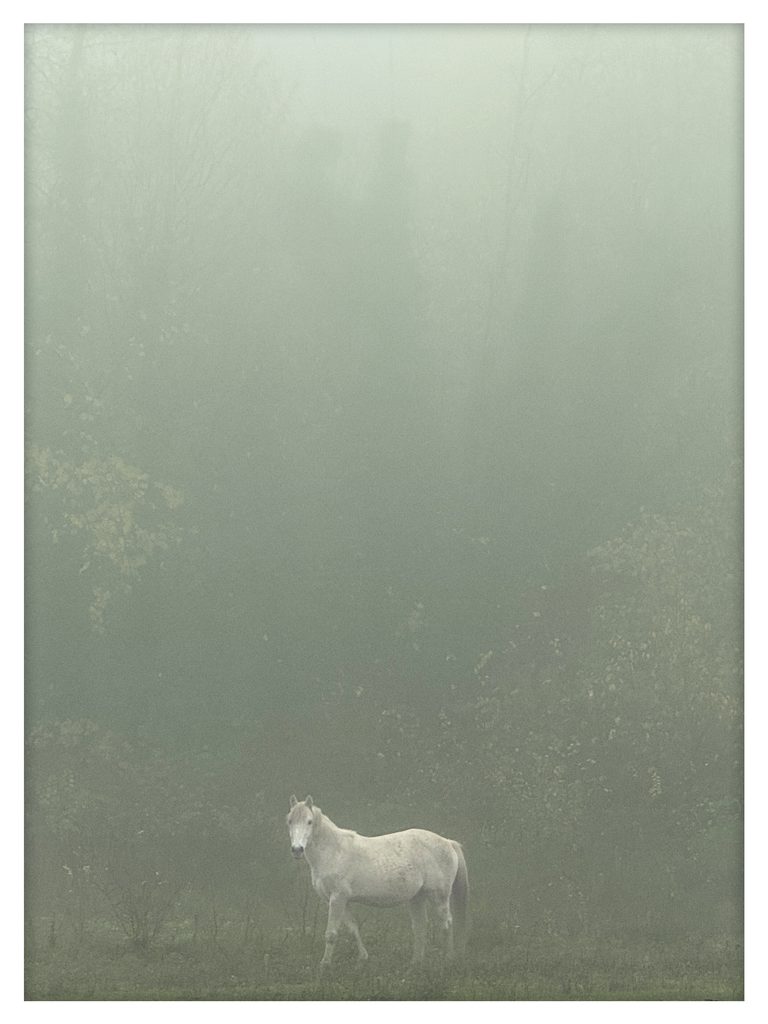
The crowdfunding campaign is open to everyone who wishes to support the project, regardless of whether they live in Podravina, have family roots in one of the villages featured in the film, or are simply interested in preserving Croatia’s rural heritage.
Contributions start at €10, and supporters are assigned to different categories depending on the amount they contribute. These include Donors, Friends of the Village, Friends of the Homeland, Guardians of the Village, Guardians of the Homeland, and Guardians of Heritage. Those making larger contributions can also become sponsors of an individual village or the entire homeland.
The names of supporters will appear in the film’s end credits in accordance with their selected contribution category. Particularly interesting is the opportunity to sponsor a specific village, symbolically connecting a financial contribution with a place the supporter wishes to help preserve from oblivion.
Contributions can be made by credit or debit card, KEKS Pay, Aircash, cryptocurrency, or through a general payment slip, online banking, or mobile banking.
According to the figures published during the campaign, the public response has been encouraging. The project’s Facebook page has attracted approximately 4,700 followers and more than 2.3 million views. Support has come from the authors’ friends and acquaintances, active followers of the page, as well as residents of the villages featured in the film.
Šikić openly admits that one particular aspect of the campaign is especially difficult for him.
“We are sorry that people from the very areas we are filming have to finance this documentary. We wanted to make this film for them and their region, without them having to financially support the project.”
He had hoped that the necessary funding could be secured through larger sponsorships and donations, for example from major companies in the region for which many residents of these villages had worked for many years. Nevertheless, the very fact that local people are supporting the project shows how much they care about having their stories documented and preserved.
a record for future generations
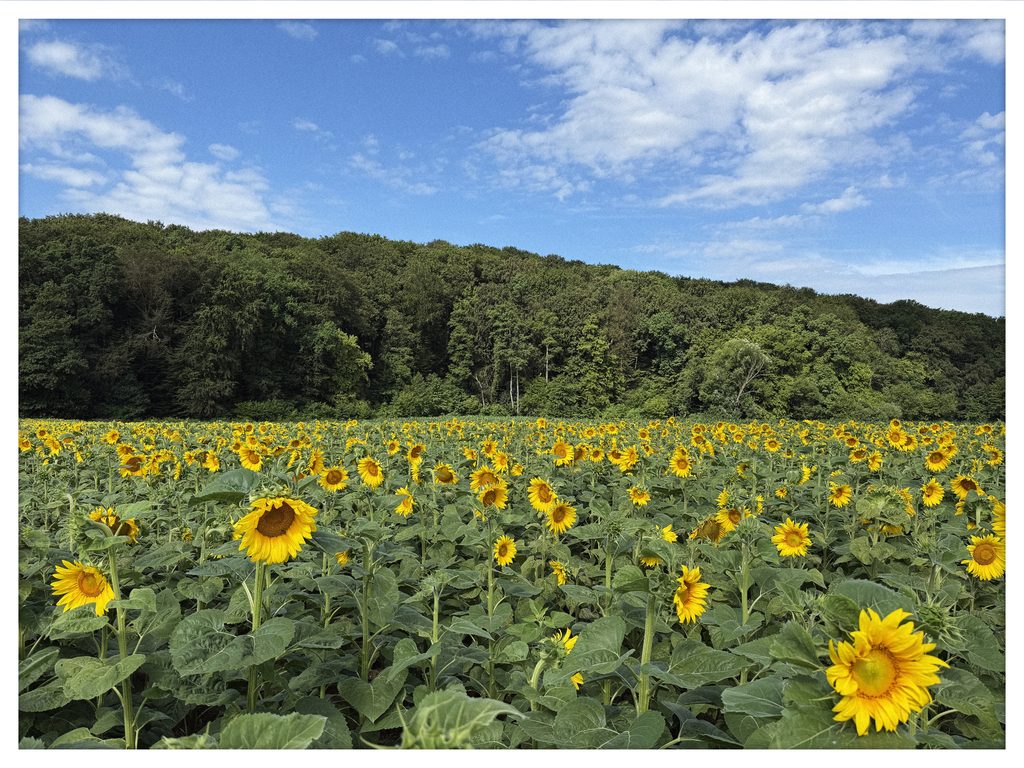
The plan is to complete the film in the spring of 2027, followed by festival distribution and efforts to secure screenings on television and online platforms. No concrete acquisition agreements have been made so far, as the filmmakers have focused most of their energy on fundraising and completing production.
They are particularly excited about the possibility of organising free outdoor screenings in several of the villages featured in the film during the summer of 2027. They hope to secure support from local tourist boards and other partners who could assist with the technical and logistical arrangements. A photography exhibition has also been scheduled for the spring of 2027, while a monograph is being considered as a possible continuation of the project.
Nevertheless, the film’s greatest value may not lie in its initial screenings, but in what will remain long after them. Šikić makes no secret of the fact that some villages may no longer be capable of demographic recovery. Those with fewer than 20 residents, and especially those with fewer than ten, could disappear completely over the coming decades.
This is precisely why the film also has an important archival dimension. Its creators want to produce a high-quality documentary that will remain valuable 50 or even 100 years from now, when some of these villages may no longer exist.
“One of the purposes of the film is to record these places forever, while they are still here,” Šikić emphasises.
Although he often encountered pessimistic reflections from older residents who remember the time when the villages were full of life, the film’s conclusion nevertheless carries a message of hope. He believes that rural areas possess values that contemporary society fails to recognise sufficiently.
“As a society, we have too little respect for nature, agriculture, and the people who put food on our tables,” he warns.
He hopes the film will encourage viewers, as well as decision-makers, to become better acquainted with the region, explore its historical, recreational, and tourism opportunities, and recognise its uniqueness and the value of preserving it. A village does not have to remain forever as it was fifty years ago, but it should not disappear simply because we have failed to recognise its value and the opportunities it still holds.
At the end of the conversation, Šikić shares the words of an elderly local resident, which perhaps best summarise the entire story:
“Once, the village fed the town, and today the town feeds the village. Think about whether this is realistic and sustainable in the long term for the village itself and for agriculture.”
how you can support the disappearing homeland
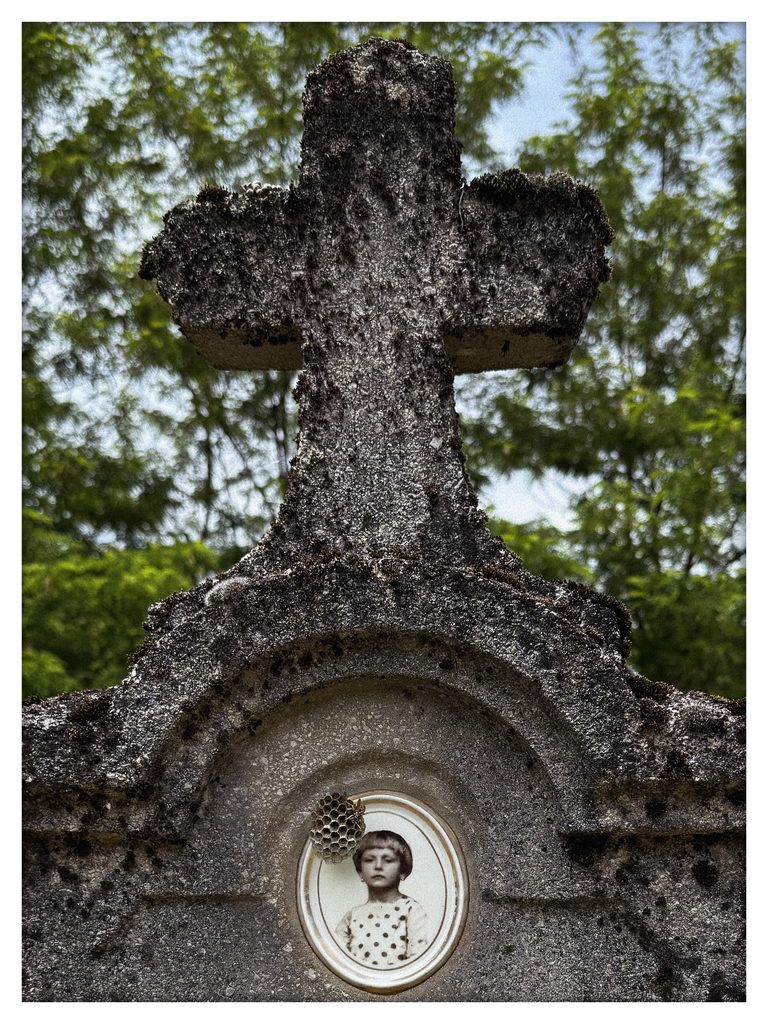
The crowdfunding campaign to complete the documentary is being conducted on the Bona Fides Invest platform. The goal is to raise €15,000, with contributions starting at €10. Depending on the amount contributed, supporters will be included in the corresponding acknowledgement category in the film’s end credits, with the additional opportunity to sponsor an individual village. Every contribution helps preserve the stories of 37 Podravina villages, their residents, and their way of life for future generations.
Visit the crowdfunding campaign here.