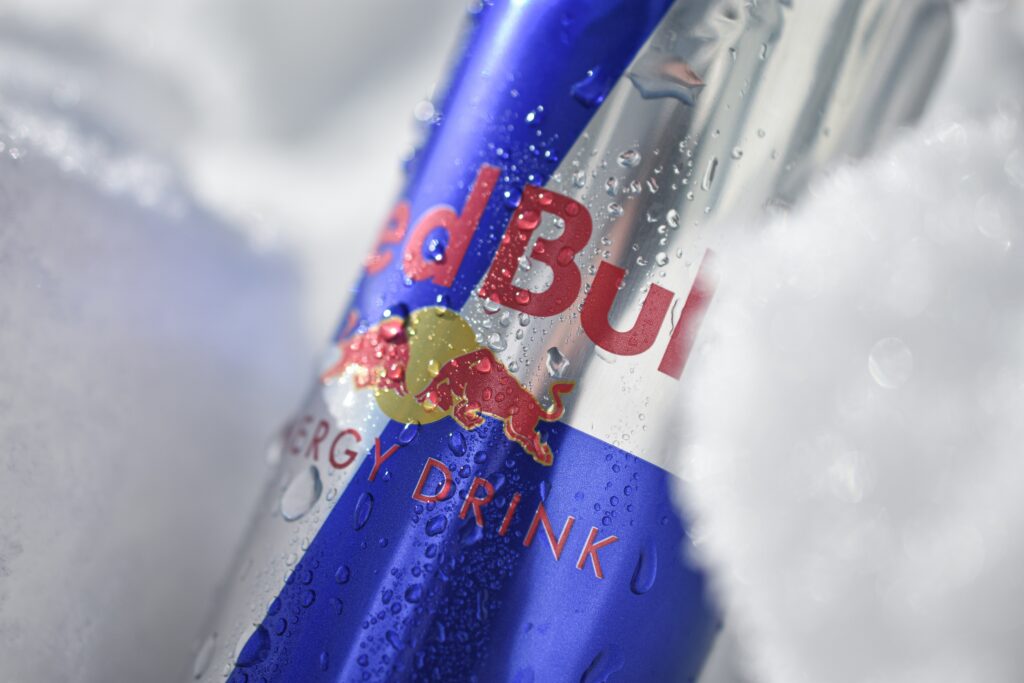
November the 16th, 2026 – Minors in Croatia will soon be unable to order energy drinks in cafes after shops banned their sale to under 18s back in June.
Energy drinks have not been allowed to be sold to minors in shops since June this year, and a ban on serving them in hospitality establishments is provided for in the Hospitality Activity Act. Poslovni reports that the Ministry of Health has launched the procedure for adopting the Act on Restricting the Use of Energy Drinks and Products Similar to Energy Drinks by persons under the age of 18.
The aforementioned Hospitality Activity Act will go before Parliament for a second reading. The new law will thus form a joint package of measures for the protection of children’s health together with those rules.
“Energy drinks are not harmless, and their effects can be more pronounced in children and young people whose bodies are still developing. That is why with the law we are not stopping at warnings on the packaging, but are also taking into account the composition of the products and their effect on the child’s body. We protect children best through prevention, timely information and clear rules, and with this proposal we are turning those principles into concrete measures, from expert risk assessment to clearly established responsibility of everyone who places these products on the market. In this way the Government continues to strengthen the system of child protection, providing support to parents and creating a safer environment for growing up,” said Minister of Health Dr Irena Hrstić.
Caffeine, other stimulants and sugar, with which energy drinks abound, can negatively affect the heart and blood vessels, the nervous system and mental health, and children are exposed to a greater risk of such consequences than adults. Although drinks with a high caffeine content already carry a mandatory warning that they are not recommended for children, pregnant women or breastfeeding women, research by the Croatian Institute of Public Health (HZJZ) shows widespread consumption among schoolchildren, and some of them drink 750 millilitres or more on a single occasion.
That is why the Ministry of Health is going a step further and giving a health foundation to the bans from the areas of trade and hospitality. According to the draft, an energy drink will be considered a drink with more than 150 milligrams of caffeine per litre, from any source, with products based on coffee, tea and cocoa being excluded. The law will ensure the implementation of these bans, and minors will not be able to buy products that by composition or physiological effect correspond to an energy drink or are comparable to it, regardless of the form in which they come on the market or are used.
Protection does not stop at the point of sale. Advertising of all these products will not be allowed to be aimed at a minor audience, and in schools and other institutions where children stay it will be completely banned, as will their display. Educational institutions will also receive an obligation to promote knowledge about the harmfulness of energy drinks and similar products as part of preventive programmes, and monitoring of the impact on health is also envisaged.
The key expert role will be played by the HZJZ. It will keep a register of products to which the law applies, and entry into it will be mandatory for everyone who places them on the market. The Institute will also assess how much these products endanger the health of persons under the age of 18 and determine which product is considered similar to an energy drink. On the basis of that assessment a temporary ban order may also be issued, which will enable a rapid response to new risks.
The Ministry has submitted the Form of Legislative Activities to the Government’s Office for Legislation with a view to including the new law in the List of Laws outside the Plan of Legislative Activities for 2026. Public consultation on the Form will be conducted on the e-Consultations portal, the text of the Draft Proposal of the Act will be published in the next phase, and submission to the Government procedure is planned by the end of this year