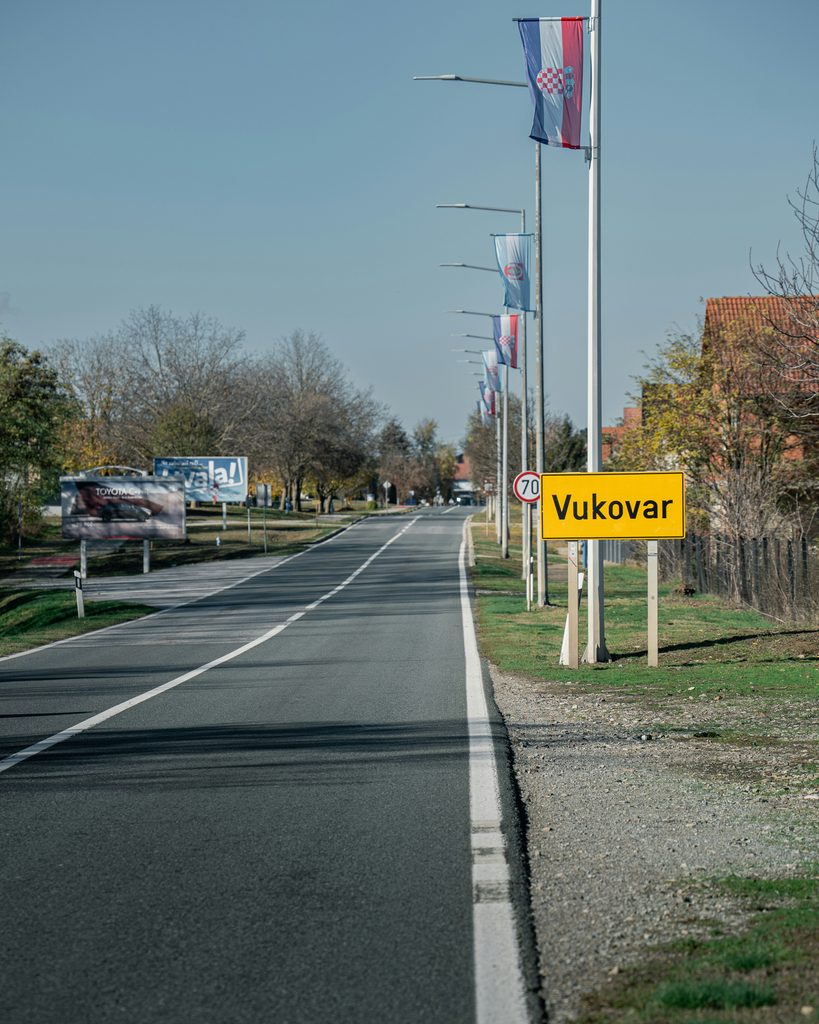
November the 26th, 2026 – The resolution on Vukovar will undergo five changes, and now the liberals will support it as well. Here’s all you need to know.
Political groups in the European Parliament have reached an agreement on the text of a resolution marking the 35th anniversary of the fall and destruction of Vukovar. Index reports that five amendments have been incorporated into the proposal initiated by Croatian MEPs, including a reference to the apology by former Serbian President Boris Tadić at Ovčara and a change in the wording regarding the responsibility of political and social actors in Serbia.
Following the compromise reached, the resolution has also been supported by the liberals from the Renew Europe political group, who had previously submitted their own proposal. The European Parliament will therefore vote on a single agreed text in Strasbourg on Thursday, according to Večernji list. The original proposal, initiated by HDZ MEP Karlo Ressler and supported by all Croatian MEPs, was backed by four political groups: the EPP (People’s Party), the Social Democrats, the Conservatives and the Greens.
the five changes
In the final proposal, the formulation about Milošević’s Greater Serbian aggression against Croatia is retained, but the tribute to the victims is expanded to include the victims of other wars during the violent breakup of Yugoslavia. The text also includes the 2010 visit by the then Serbian President Boris Tadić to Ovčara, when, accompanied by the then Croatian President Ivo Josipović, he paid tribute to the victims and apologised for the crimes committed. The importance of reconciliation and clarifying the fate of the missing is also emphasised. The third change stresses that the families of missing persons of all nationalities are still waiting for information about the fate of their loved ones. The fourth change concerns the part of the resolution dealing with responsibility for fomenting ethnic tensions and hostilities through ultra-nationalist rhetoric and the idea of Greater Serbia. Instead of the previous formulation about Milošević and members of the Serbian political and social establishment, influential individuals from Serbian analytical, political and intellectual circles are now mentioned alongside Milošević.
The final change is terminological. Instead of “Territorial Defence of Serbia,” the resolution will refer to the Serbian Territorial Defence.
the alternative proposal is now also supported by non-governmental organisations
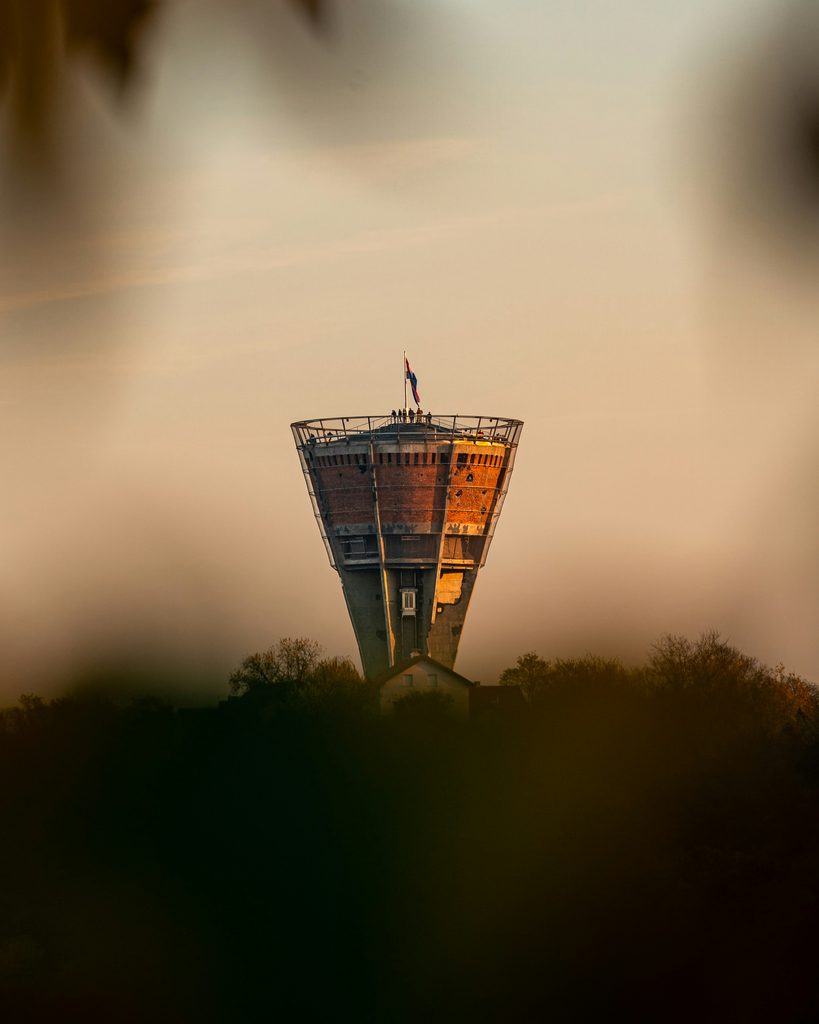
The agreement was preceded by disagreements over the content of the resolution. Representatives of Serbian students publicly opposed the proposal of the Croatian MEPs, while seven human rights organisations from the former Yugoslavia supported the alternative text submitted on behalf of the liberals by Austrian MEP Helmut Brandstätter. Among these organisations are the Croatian Documenta and the Serbian Humanitarian Law Centre. Their joint statement was also published by Serbian human rights activist Nataša Kandić. The organisations called for the resolution to also mention Serbian civilians killed or missing in Vukovar before the start of the siege of the city. They advocated equal criteria towards all countries in the region in confronting the wartime past and individual responsibility for war crimes. Unlike the proposal of the Croatian MEPs, the alternative proposal did not mention concentration camps in Serbia.
what are the demands of serbia?
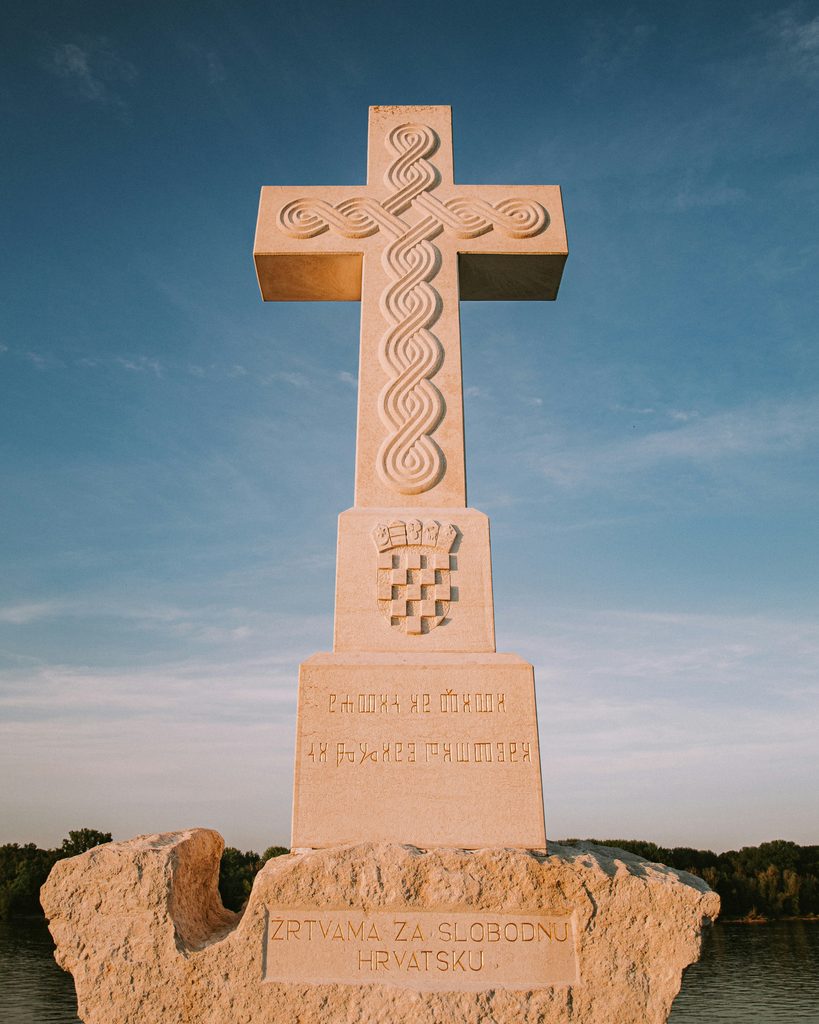
The proposal of the Croatian MEPs calls on Serbia to open wartime archives, provide information on the locations of mass graves, cooperate in the prosecution of war crimes and adopt a law on missing persons. The aim of the initiative is to make the suffering of Vukovar part of the common European historical memory and to emphasise the importance of establishing responsibility for war crimes and clarifying the fate of the missing. If adopted, it will be the first resolution of the European Parliament specifically dedicated to the suffering of Vukovar. The resolution is not legally binding, which means that its adoption will not in itself introduce new conditions for Serbia’s potential membership of the European Union.