April the 9th, 2026 – Croatia’s very first train station began operating way back in 1860 and formed a very important route, but contrary to popular belief – it wasn’t built in Zagreb.
As Putni kofer writes, train travel was once the only way to connect destinations, and the railway was invaluable for transporting various goods. Today, the train is making a big comeback and is an increasingly popular choice for slow, environmentally friendly travel offering speed, comfort and beautiful views. Croatia’s very first train station began operating back in 1860, but it wasn’t built in Zagreb. It wasn’t in Osijek, Rijeka, or Split. It was located in a very small, relatively unheard of municipality in the north of the country that tourists certainly have never visited. Its name is Kotoriba.
turning the clock back 164 years
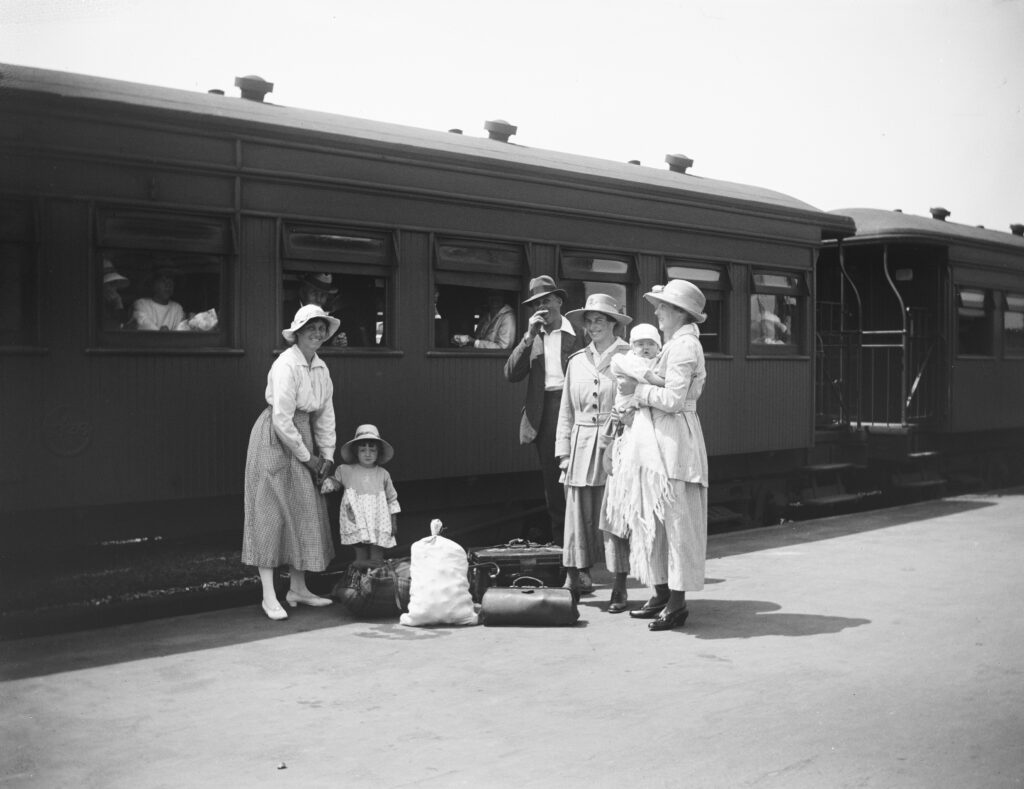
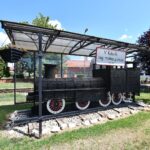
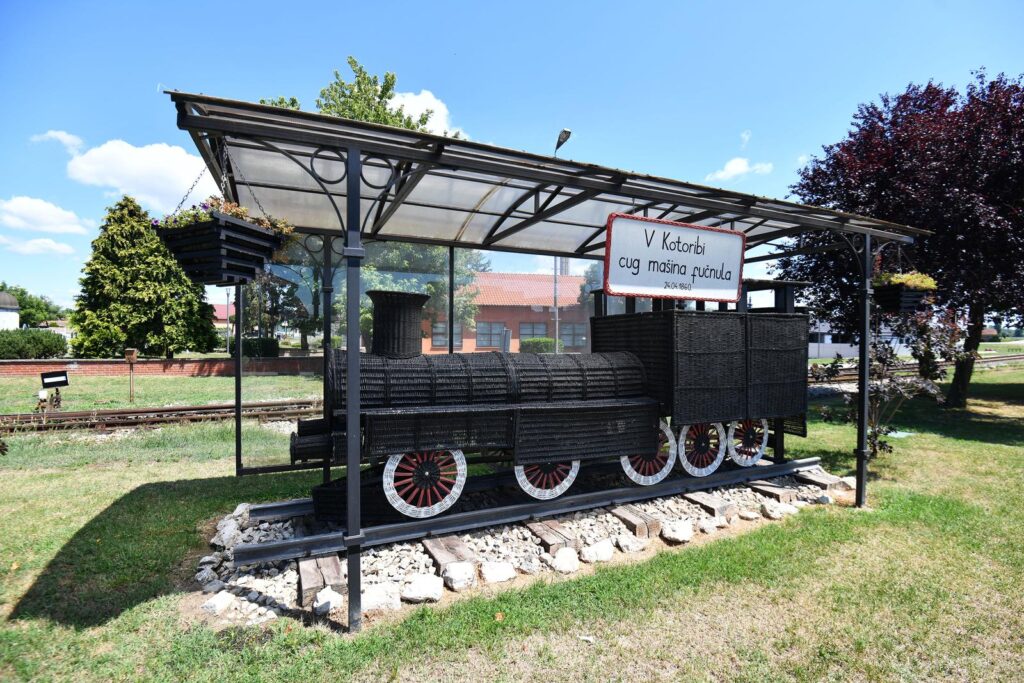
164 years ago, more specifically on April the 24th, 1860, the very first railway line in Croatia was put into service, and on the same day the train arrived at the first railway station in Croatia, not in Zagreb, but in unassuming little Kotoriba. According to HŽ Infrastruktura, this is a railway line that runs through Međimurje, between the Kotoriba station on what is today’s Croatian-Hungarian border and the Macinec stop on the Croatian-Slovenian border, and which was part of the Budapest – Nagykanizsa – Kotoriba – Čakovec – Pragersko railway line.
This famous section directly connected the Hungarian capital of Budapest to the main Vienna-Trieste railway, while also connecting Croatia to the main, far larger European railway network. This historic moment marked the beginning of industrial progress and faster connection of regions, and the railway became a key element of Croatia’s economic development.
may the 1st, 1860…

HŽ Infrastruktura further states that the construction of the railway began in late 1857 by the Imperial and Royal Privileged Society of Southern Railways, shortly after the Vienna-Trieste railway was opened to traffic. On the railway section which runs through what is now Croatia, three stations were constructed – Čakovec, Donji Kraljevec and Kotoriba, all with their associated infrastructure buildings and facilities.
The largest and most complex structure on the railway was the 153-metre-long bridge over the Mura River near Kotoriba. It was the first bridge built in one section from a continuous one-piece structure. Traffic on the railway began operating on the 1st of May 1860, with two pairs of mixed trains per day, running in both directions.
Kotoriba station is the last HŽ station on the railway, and all passenger and freight trains from the interior terminate there, while international trains pass through it. The station operates using sixteen tracks, one of which is a warehouse, and the second, third, fourth and fifth tracks are for receiving and dispatching. Kotoriba Station still has a reception building, a goods warehouse, a customs and shipping building, staff accommodation and a shunting house.
zagreb’s train story came later
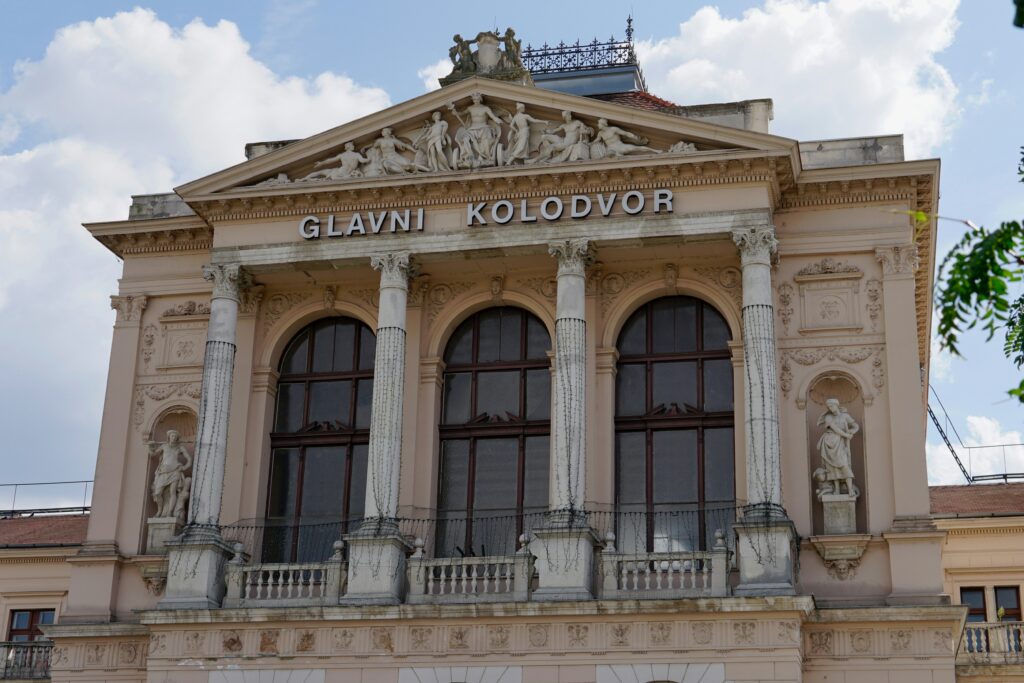
The City of Zagreb got its first station two whole years after Croatia’s first railway station in Kotoriba began operating. The city’s Main Station (Glavni kolodvor) was also not the first to open in the capital. The Western Station (Zapadni kolodvor) complex was built first, as part of the construction of the railway between Zidani Most, Zagreb and Sisak, as well as the river port of Galdovo.
Between 1862 and 1892, today’s Western Station was Zagreb’s central station, until the construction of today’s Main Station saw it lose importance.