
September the 2nd, 2025 – There’s a very old and very important Croatian road that was once used by a giraffe on his way from Egypt to Vienna. No, seriously.
Croatia is known and commended worldwide for its truly excellently maintained motorways and main roads, often appearing in various foreign magazines for precisely that reason. Did you know however that even centuries ago, Croatia had one of the most modern and perfectly constructed roadways?
As Putni kofer/Martina Hrupic writes, there are very many Croatian historical roads. Each of them has marked the country in its own way, each has written its name in history, and each tells a very special and, above all, interesting story. Among them all, one in particular stands out. It is remembered by history as one of the most important roads in the history of Croatia – Lujzijska cesta, or the Louisiana road.
This road is often described as the first completely successful attempt to truly connect the land with the sea. It connected Karlovac and Rijeka and represented the shortest route between these two cities. However, at the time of its “birth”, it was also one of the most modern, but also the most beautiful roads of the Habsburg Monarchy. It was built over a period of years, from 1803 to 1811.
a croatian road fit for… a giraffe!
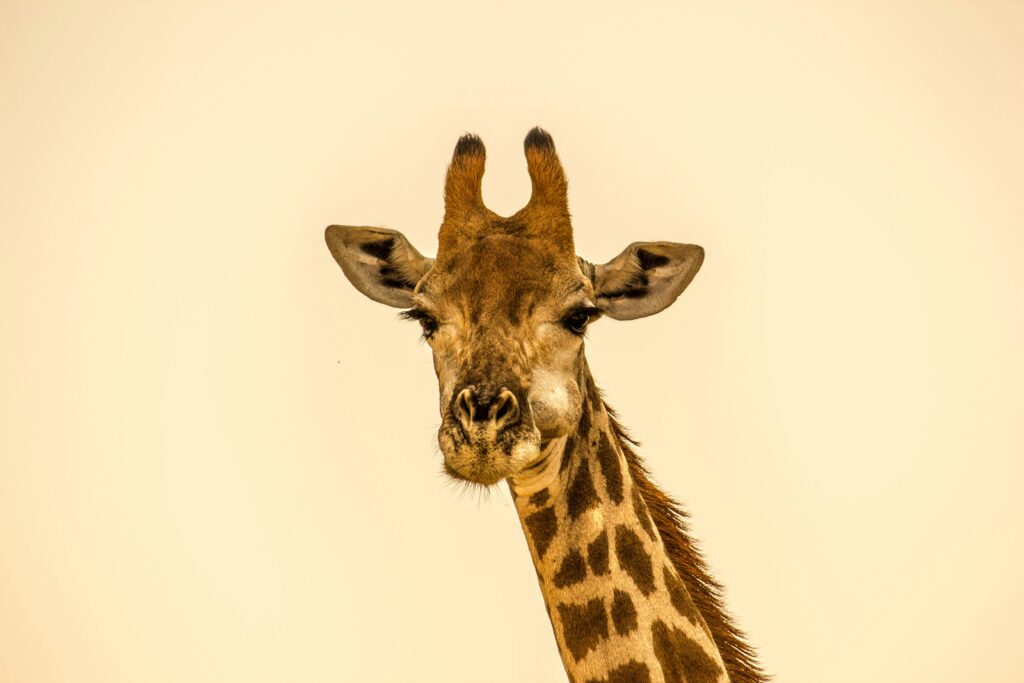
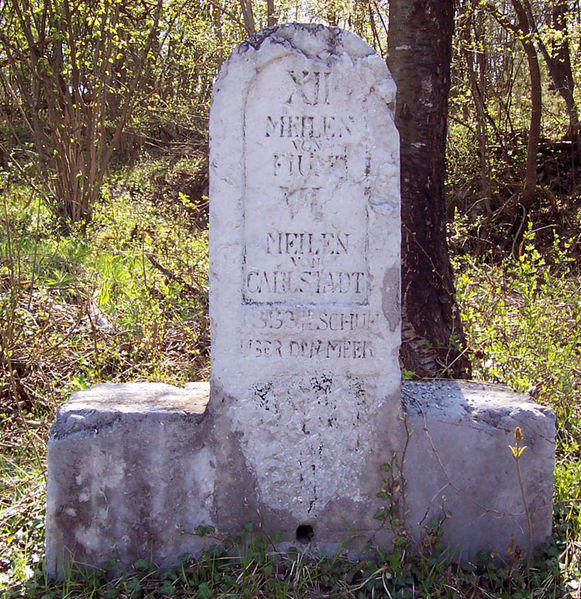
Its modernity stemmed from several things. It was practically built according to standards that are still in use today, and its goal was for it to be used all year round, despite being rugged and mountainous. It was 134 kilometres long, or 18 Austrian postal miles, and had an average width of eight metres. At its various sharp bends, it would have been 14 metres wide. It was also adorned with old stone bridges, milestones and dikes, fences, and solutions for draining rainwater. It was maintained by collecting tolls, and it contributed to the development of the area through which it stretched. In 1828, this Croatian road even hosted a giraffe on his way to Vienna! The giant animal was actually a gift from Egypt, and he travelled using this road through Croatia from Rijeka to Vienna.
The name by which it is remembered in history was not the one originally given to it. It was to be called Via Ludovice, named after the wife of the Austrian Emperor Francis II. However, as it was completed during the French administration, it was eventually named after Marie-Louise, who later became Napoleon’s wife. It connected Rijeka and Karlovac and was designed by Filip Vukasović.
an engineer from senj who found his place in history
Vukasović, an engineer and officer from Senj, was an excellent designer and already had several successful roads under his belt. Zagreb Bishop Maksimilijan Vrhovac was the main advocate and co-investor of the road’s construction, while the Royal Hungarian Privileged Canal and Shipping Company was responsible for its actual financing, according to the website of the Čavle Municipality Tourist Board. This Croatian road that once provided a safe passage for a Vienna-bound giraffe is said to represent the pinnacle of Vukasović’s impressive career, but unfortunately, he did not live to see it come to fruition.
“for those who do not believe”
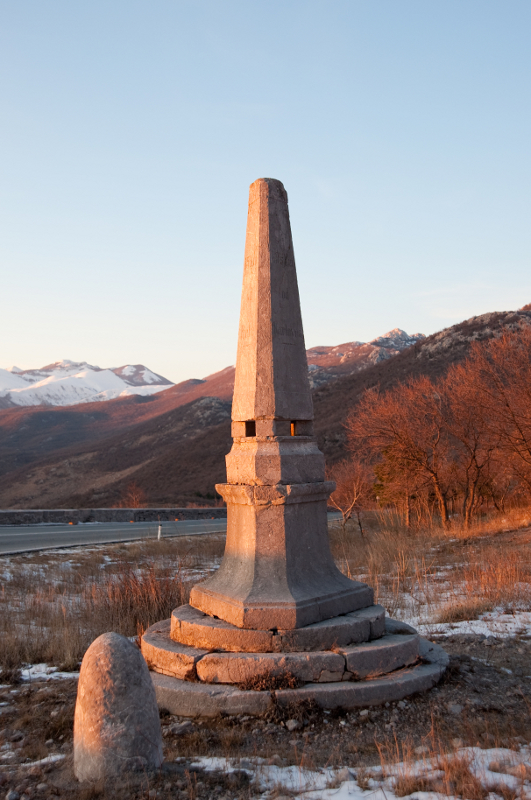
He tragically suffered serious war injuries, which he sustained before the last 15 kilometres of the road were completed. However, by building it, he showed the strength of his faith in what he did. Many thought the road would never materialise, and he even had the inscription “per gli increduli”, which translates to “for those who do not believe”, carved into the cut in front of Rijeka, which was later named Banska vrata. Those who doubted the project’s realisation were right to doubt. There were all sorts of problems and challenges, such as a lack of labour because many workers had to take up arms. Others did not want to work for the extremely low wages offered.
This Croatian road was used for almost 200 years, and today’s highway partly uses its best parts. It was renovated in the 19th century and paved during the 1960s. In its very beginnings, it was built of stone blocks that were supposed to prevent horses’ hooves from slipping. From 1827 to 1829, 80,000 horse teams and 90,000 ox teams passed along it. No horse or ox quite beats the fact that this Croatian road was the passage point for a giraffe set to begin a new life in Austria, however!