September the 11th, 2024 – There’s a southern Croatian volcanic island which, while small, is still on the move. Uninhabited, it has been under special protection for over 70 years.
As Putni kofer/Ivana Vasarevic writes, the stunning beauty of the Croatian coastline, islands and the Adriatic Sea never cease to fascinate all those who gaze upon them. One incredible location is certainly the Vis Archipelago Geopark, which encompasses the far flung island of Vis and its surrounding little islets, Biševo, Sveti Andrija, Brusnik, Jabuka and Palagruža. As a result of its exceptional geological, natural and cultural heritage, it has been part of the UNESCO World Geoparks Network since April the 17th, 2019.
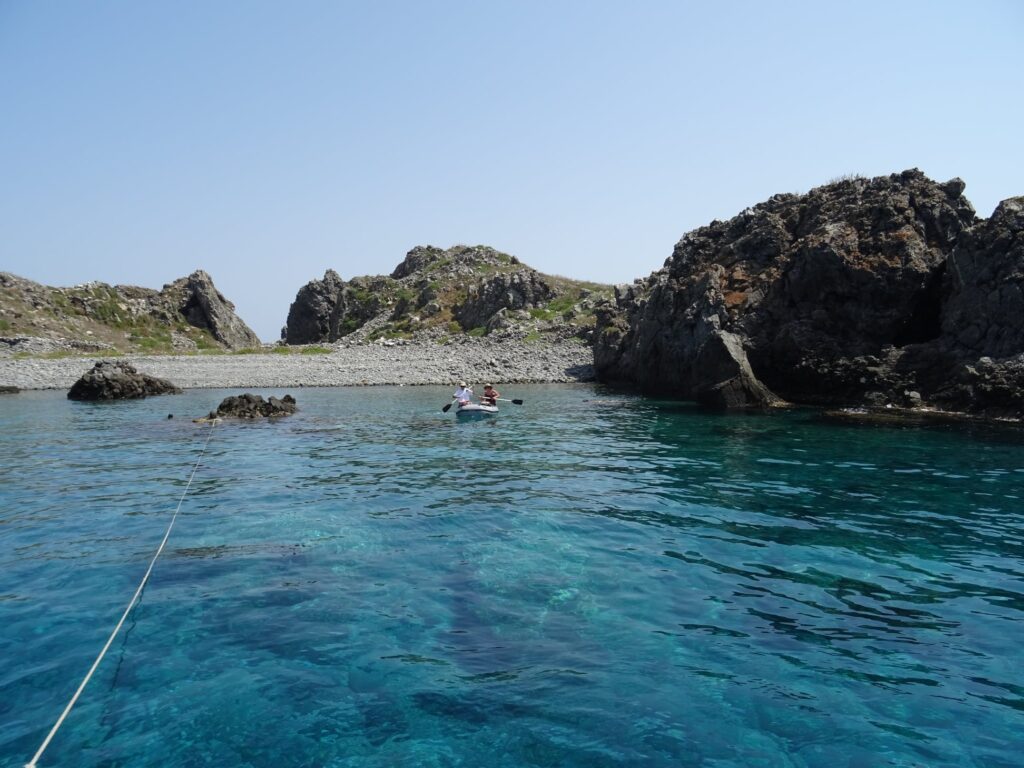
If you ever happen to find yourself exploring the Vis archipelago, make sure to visit the magical southern Croatian volcanic island of Brusnik. It lies about 24 kilometres from the settlement of Komiža, it is 23 metres high, about 200 metres long, and up to 150 metres wide. Along with Jabuka, it’s actually the only Adriatic island made of igneous rocks.
a wealth of life – both in the sea and on land

Considering that the coast and islands in Dalmatia are almost exclusively limestone structures, such islands built of igneous and volcanic rocks, formed 220 million years ago, are a rarity. The Vis archipelago’s sea depths are rich in all kinds of fish, and you can also come across dolphins. On land, you’ll find endemic species of lizards (the Brusnik black lizard) which live on the islands themselves. Seabirds also nest there periodically, including the stunningly beautiful Eleonora’s falcon.
This southern Croatian volcanic island has been protected as a geological monument of nature since 1951. It is actually still growing and on the move due to its tectonic activity. Pebble conglomerates from paleo-sandbanks can be found all the way to the very top of the island, which indicates its relatively recent uplift. The so-called Brusnik sandbank is also made up of grey diabase deposits of various sizes that are covered with algae in the seabed, giving this unique location an otherworldly colour.
local fishermen understood its importance

This natural wonder played a very important role in the past in the lives of Komiža’s resident fishermen, who fished around the island and found shelter there throughout the year. As such, on the island’s large beach, the remains of fishermen’s cottages can still be seen. Now, they’re only up to a metre and a half high and are built from black pebbles using a specific dry-stone construction method.
A roof made of pine branches from nearby Svetac protected the salted blue fish in barrels from the sun. In the gorge with a deep depression, which runs through the middle of the island, these same fishermen also made so-called “jastožera” from rough broken blocks of the island’s igneous rocks in small pools filled with seawater, in which they kept lobsters. They were caught during the winter and sent off to various big European metropolises. This alone speaks volumes about just how important Komiža’s fishermen were even before the advent of tourism as we know it today.
On this magnificent southern Croatian volcanic island, you’ll come across truly unreal beauty. Built out of rocks created “from fire”, there is also a paradise beach with unusual dark pebbles. Unlike the Komiža volcanic islands and islets, which are the result of cooling lava flows on the rim of an ancient volcano, the islets of Brusnik and Jabuka are built of sub-volcanic diabase, formed by the crystallisation of magma on its way from a deep magma chamber, all the way up to the surface.
Subscribe to our newsletter
the fields marked with * are requiredRelated posts:
 Traditional Boats of Komiža Heading for ‘Escale à Sète’ Festival in France
 Property of the Week: Waterfront Mamma Mia 2 Could Be Yours in Komiza, Vis
 Property of the Week: Luxury Apartments in Komiza on Gorgeous Vis
 New Hotel in Komiža Will Put Too Much Pressure on Public Infrastructure, Claim Local Residents