September the 25th, 2025 – Lotrščak Tower is a location that beckons tourists visiting Zagreb to come and enjoy the most beautiful view of the Croatian capital from it, but there’s so much more to its long story.
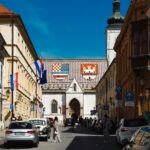
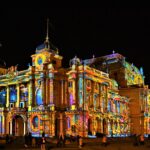
As Putni kofer writes, Zagreb is full of landmarks that testify to its rich history and culture, increasingly popular among tourists are Ban Josip Jelačić Square, the Upper Town (Gornji grad), the Church of St. Mark with its instantly recognisable colourful roof and the coat of arms of Zagreb and Croatia, the Stone Gate, the funicular, the famous “Tkalča” lined with cafes, restaurants and souvenir shops, Zrinjevac park, the Baroque Croatian National Theatre, the list goes on. Naturally, there’s also the beautiful medieval Lotrščak Tower, which Marija Jurić Zagorka, Croatia’s most widely read writer, wrote about in her cult novel “The Daughter of Lotrščak”. This historical beauty also hides some lesser-known interesting facts…
According to historical data, the Croatian-Hungarian King Bela IV repaid Gradec for the hospitality and shelter it provided while fleeing the Tatars. It was declared a free royal city, but in return, its inhabitants had to surround it with walls and towers. These were built over a full 20 years, until 1266. Then, the Lotrščak Tower was built, which was supposed to defend the southern entrance to the city itself, i.e. the former gate of Dverce, which was demolished in 1812 during the arrangement of the southern promenade (today’s much loved Strossmayer Promenade).
Lotrščak tower hasn’t always been called that…
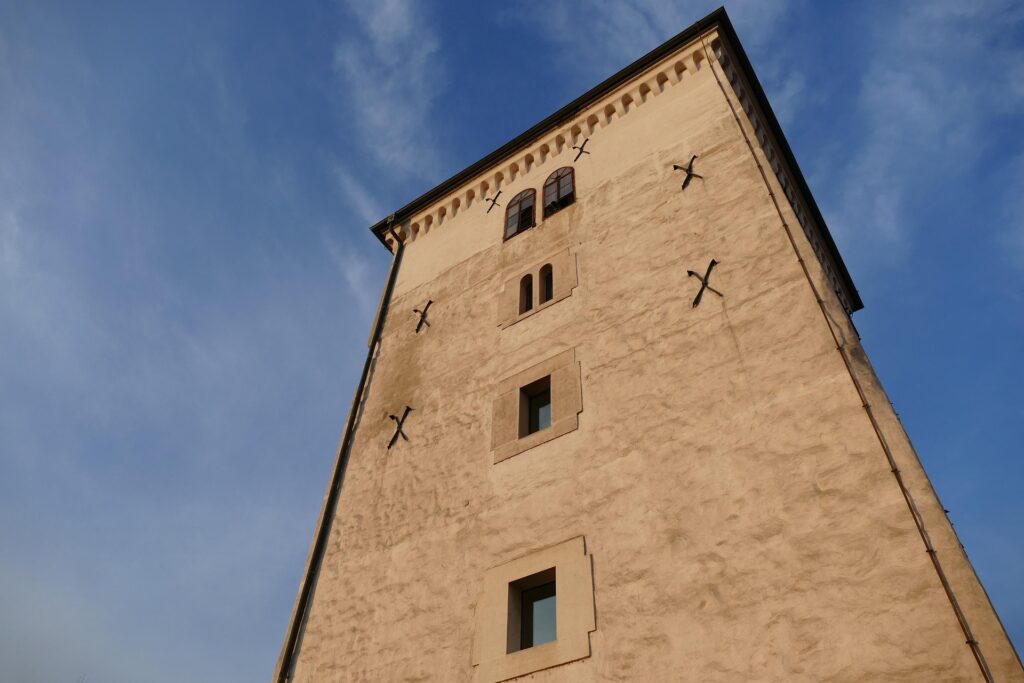
It’s therefore not really very surprising that Lotrščak was originally called the “Castle Tower”, and the name by which we still know it today was given in 1646, when a bell, campana latrunculorum, i.e. the thieves’ bell, was placed inside the tower. The tower warned the inhabitants when to come and close the city gates, at 22:00 in summer and 21:00 in winter. According to some old drawings, the tower initially had only two floors (with two windows on each) and a four-pitched roof.
At the end of the 16th century, when the dreaded Ottoman threat to the city finally began to subside, the defensive purpose of the tower itself gradually weakened. In the following period, its appearance also changed. The most significant modifications were recorded in the year 1857. During that year, two more floors were added to the tower in the then romantic wave of restoration of many medieval buildings, and a polygonal wooden fire alarm tower was erected on the roof.
Incidentally, Lotrščak tower is built of irregular stones, it is 19 metres tall, and its walls are 195 centimetres thick, except for the fourth floor, which is made of brick and is therefore significantly thinner. When the city did not have the money to repair and maintain the tower, it leased it to the citizens themselves, who were obliged to maintain it and also hand it straight back to the city in the event of an enemy attack.
from playing billiards to becoming protected cultural property
Lotrščak Tower was also used as a trading warehouse from the 17th century, and during the 19th century, a café was opened there. In addition, billiards were also played in the tower back during that period. On its first floor there was the first billiards table in Zagreb, and the game (sport) itself was mentioned in Croatia as early as 1813. Lotrščak was also used for residential purposes, and after it was renovated, it finally became accessible to the public. Today, the tower is a protected cultural property of the Republic of Croatia.
The famous Grič cannon arrived in the city at the end of the 19th century at the suggestion of the then city councillor Đuro Deželić. It was first fired on January the 1st, 1877, but from the building of what is now the Hydro-meteorological Institute. The cannon was eventually moved to the Lotrščak Tower, and all the bell ringers of the city’s churches were guided by the shot, which was fired every day at exactly noon. This tradition is still very much alive today, and if you listen out at 11:59, you’ll hear the cannon fired at exactly 12:00 on a daily basis.