March the 2nd, 2026 – Radoboj is an idyllic little settlement in Zagorje on the slopes of Strahinjčica, a location where millions of years of geological history can be absorbed in a single day and visitors can feel a peace that is rarely found.
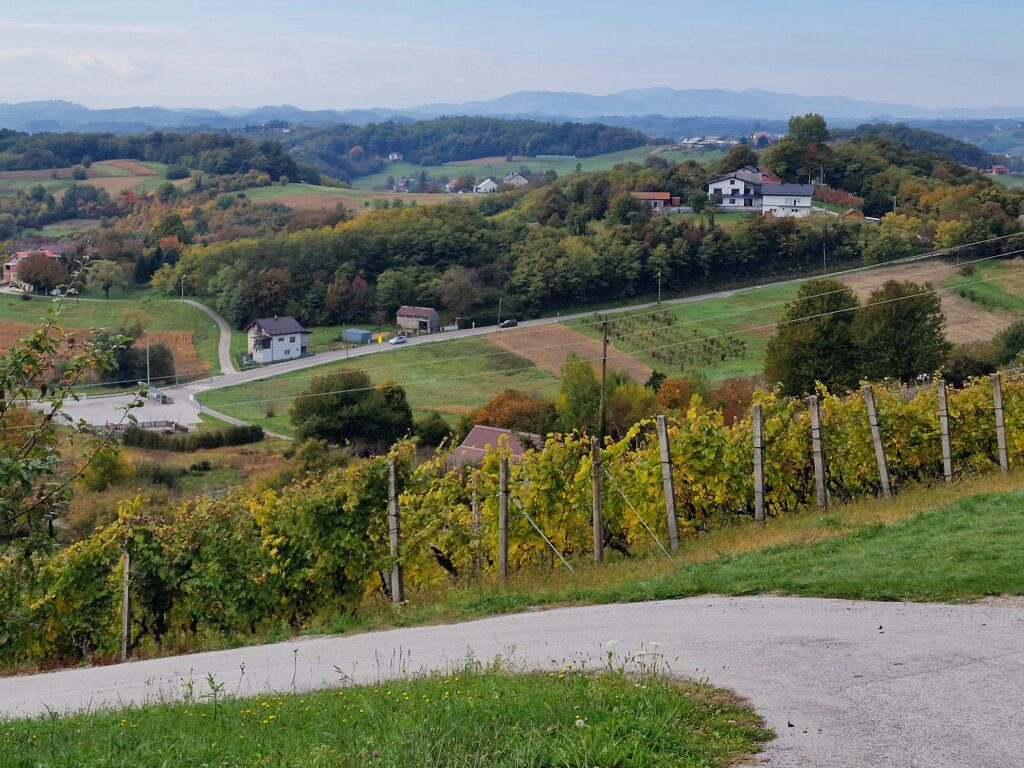
After a short drive from Zagreb, the road slowly climbs towards the slopes of Strahinjčica and opens up views of rolling green hills, scattered old cottages and church towers peeking over orchards. Radoboj, a municipality in Krapina-Zagorje County, is located in the northern part of Zagorje, between Krapina and the border with Slovenia, just half an hour’s drive from the city, but with a completely different rhythm of life. The welcome in front of the gorgeous Hiža vinove loze is almost family-like. Mayor Anđelko Topolovec, the curators, guides and hosts act as if they already know everyone who arrives, and the first impression you get is that pride and hospitality are equally strong here.
Hiža vinove loze and the radoboj (Radboa) museum
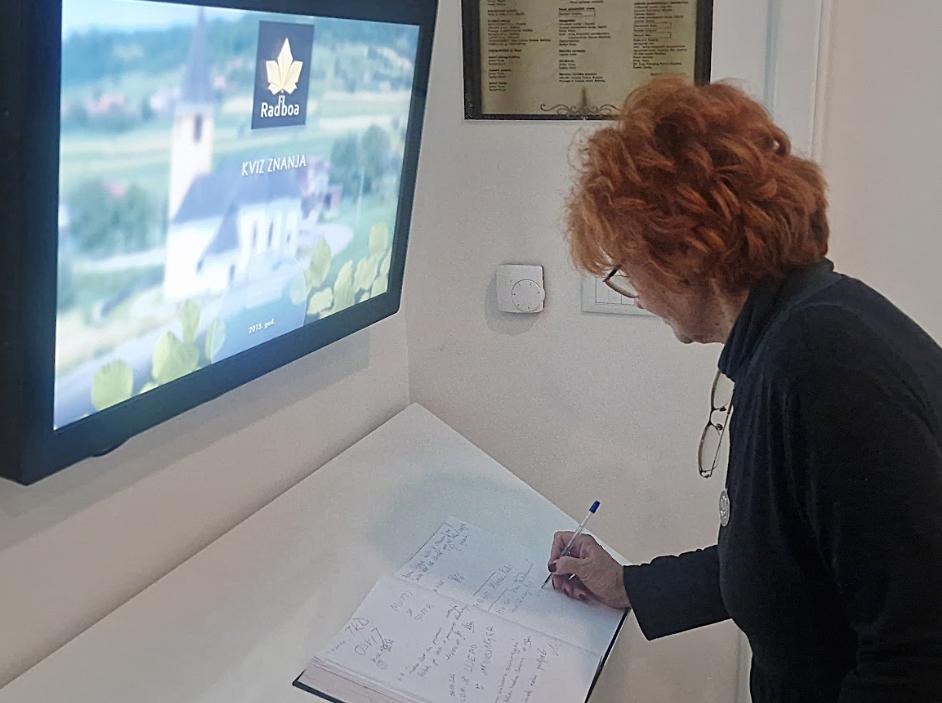
The first encounter with Radoboj leads to the Radoboj (Radboa) Museum, where the display cases and walls tell the story of a place that has become famous for its fossils, as well as for the humble people who live above these ancient layers of time. A long saga here is woven about the former Pannonian Sea, about the discoveries of plants and animals, about the geological layers put Radoboj on the world’s scientific map, and about the time when “scholars” from all over Europe visited this part of Zagorje in search of traces of ancient life.
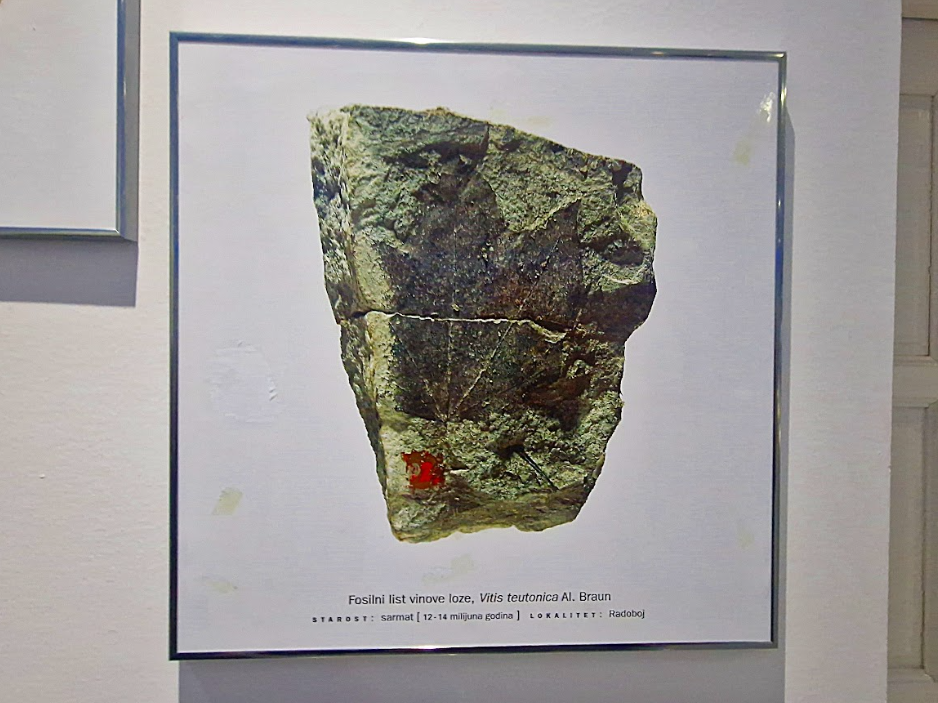
You leave the museum with a slightly unusual feeling: as you stroll across the asphalt and grass, you know that under your feet lies a natural archive that is millions of years old, and every little piece of rock could be part of a new story. Just a few steps away, in the very heart of the settlement, Hiža vinove loze transforms scientific fact into an emotional experience. The interpretation centre is dedicated to a unique grapevine leaf fossil whichis between 12 and 14 million years old. It’s actually the oldest of its kind in Europe and it is found right there in Radoboj.
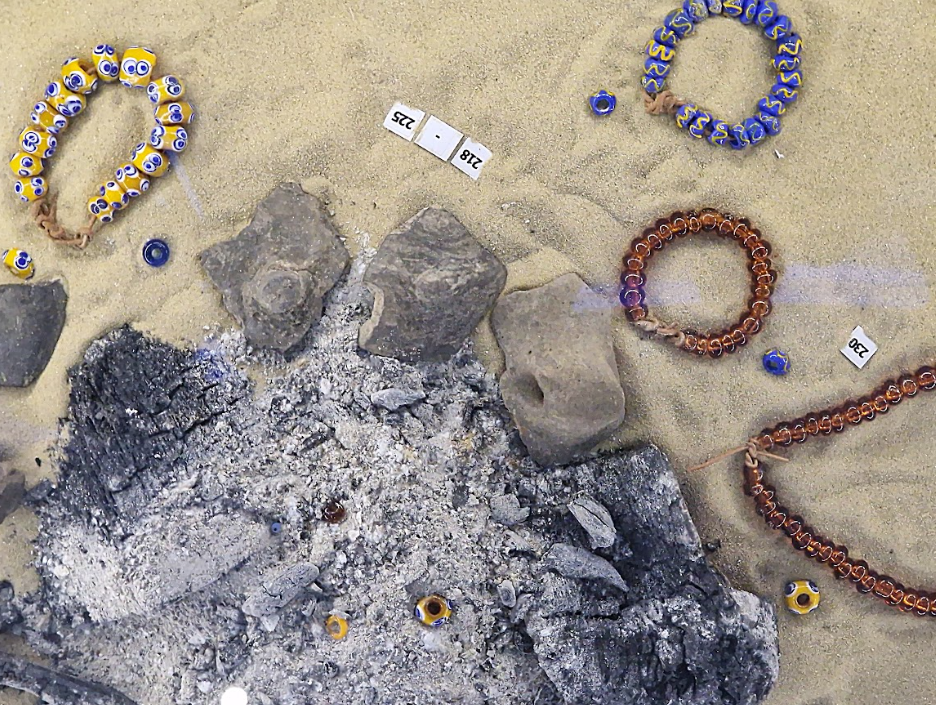
The fossil – fragile, but powerful in symbolism – stands at the very heart of the exhibition as a kind of cornerstone of the municipality’s identity, around which stories about wine, tradition, climate change and human curiosity are all intertwined. Hiža vinove loze isn’t merely another showcase attraction: it has been designed as a modern centre where local winemakers, tourists, schools and journalists meet, and a glass of wine at the end of the tour acts as a logical continuation of the story written in stone.
the insect hotel and the silence of the forest
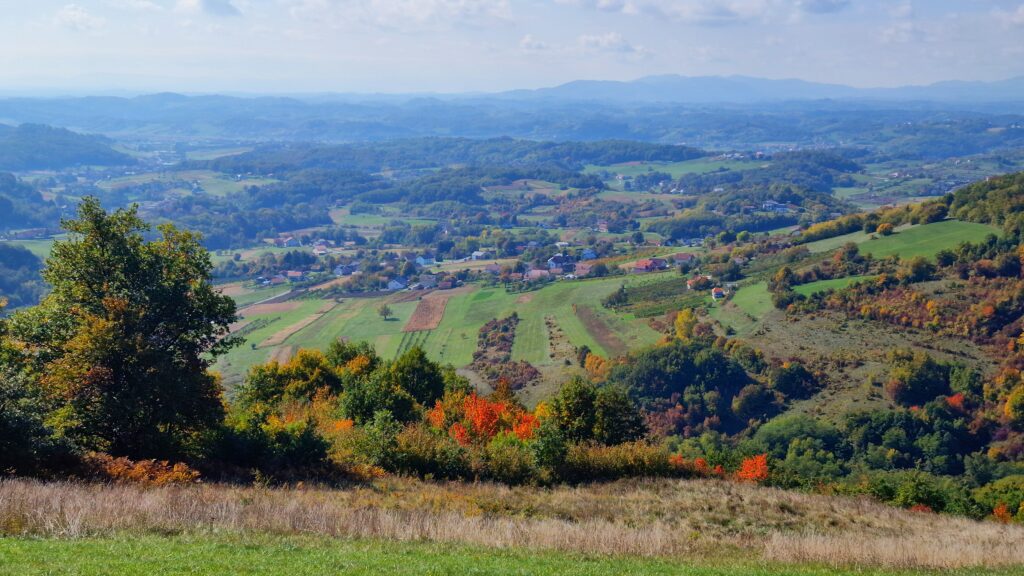
A completely different Radoboj opens up between the museum and the mountain – one where you learn the language of meadows, orchards and ancient forests. Radobojski trnac, a meadow orchard that is over a century old, preserves old indigenous fruit varieties and the atmosphere of much slower times. In the shade of old trees there is also an “insect hotel”, a small wooden object that looks like a children’s toy, but actually sends out a very serious message about the importance of biodiversity and the coexistence of man and nature. Nearby is the Zagorje Nature Centre with the Orchid Trails, which, when it’s the right season, transform the slopes of Strahinjčica into a natural herbarium out in the open air, a place where not only pollen is collected, but also photographs, notebooks and peace.
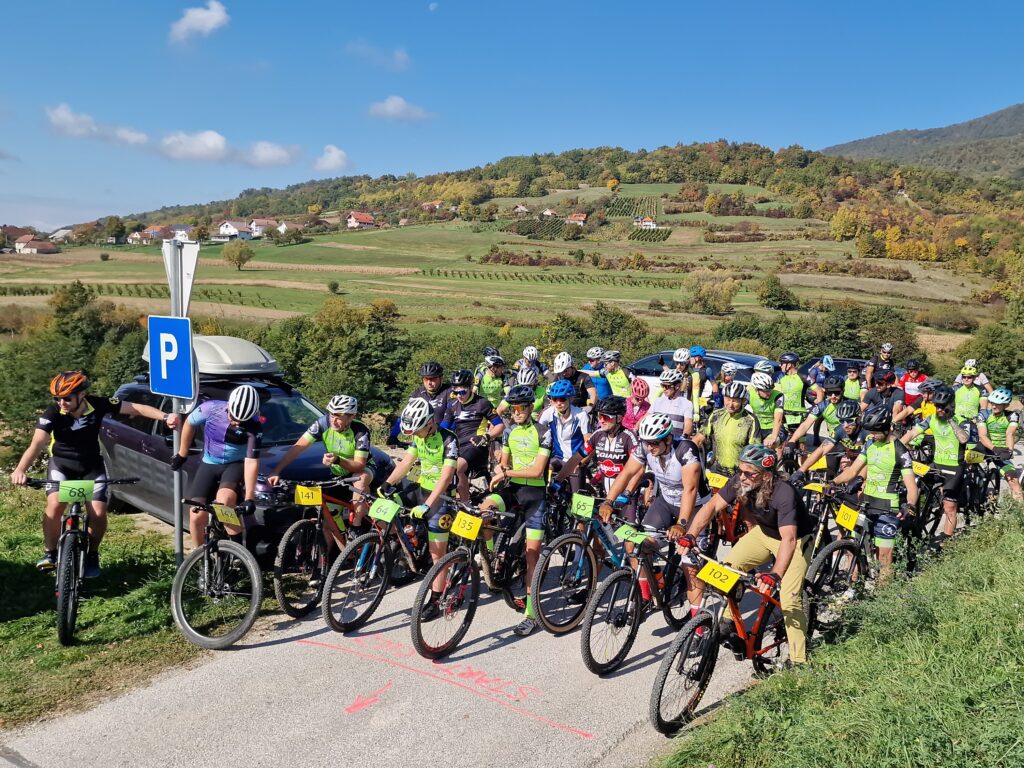
The Radoboj Mountain Lodge feels like the living room of the entire area, and the hosts call it without any sense of false modesty “the most beautiful and best mountain lodge in all of Croatia”. Hikers, families with children, weekenders and all sorts of curious people come and meet here, and the “Forest Bath” project introduces them to a completely new way of being in nature – slow, quiet, almost meditative.
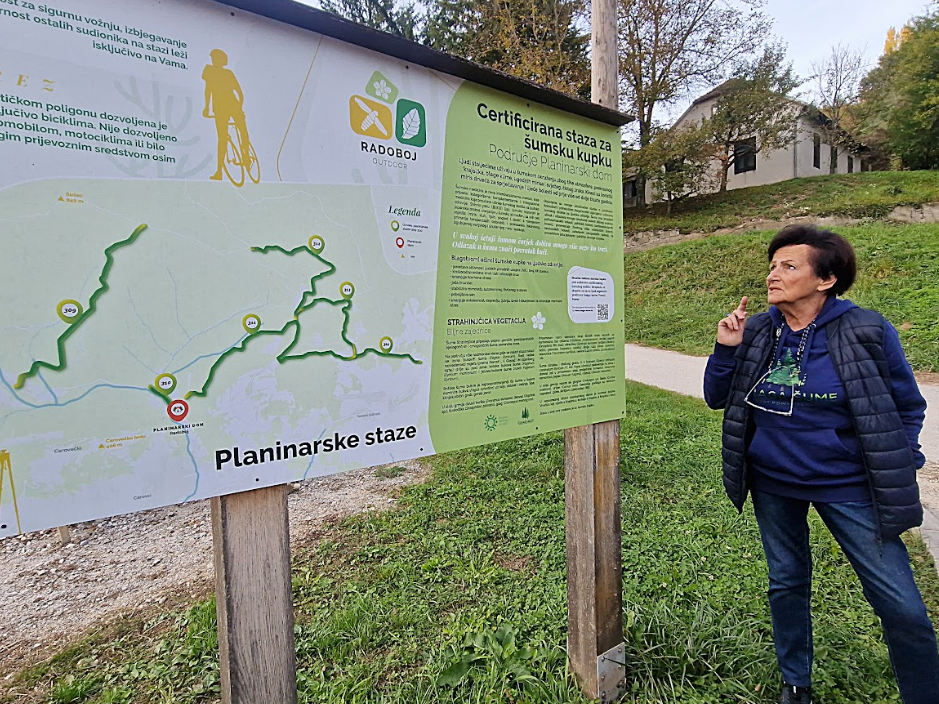
The first certified continental forest bath trail in Croatia winds among the trees, inviting you to breathe deeper, listen to the rustling of leaves and look carefully at the treetops, away from screens and notifications. The “Forest Power” Association led by president Jasna Vukas makes sure that when there, the main part of the story is about mental health, regeneration and the power of being in nature, a concept that in Radoboj takes on a very concrete form – a bench, a path, peace and time for oneself.
The flavors of Radoboj and the road to Očura
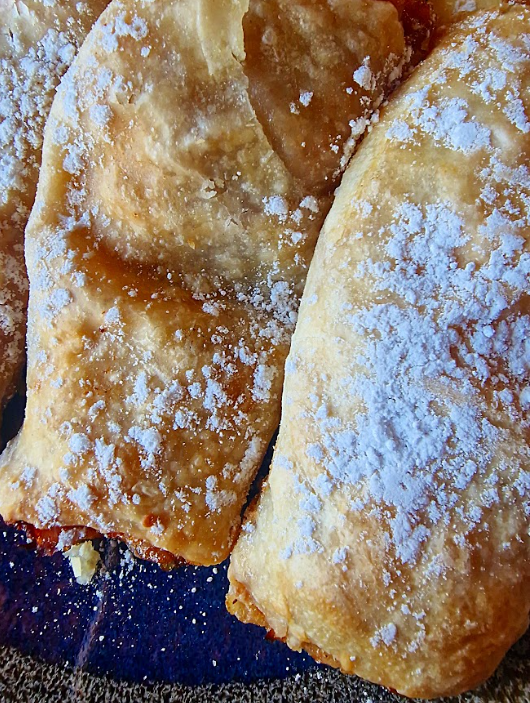
Radoboj cannot be fully understood without sitting down at the table, and lunch at Hiža štrukli confirms this in the first minute. Everything is “homemade”, as the hosts emphasise: the štrukli that come out of the oven have that familiar scent only cooks from Zagorje can produce, while also taking on a new dimension when you taste them after enjoying a stroll in the forest and through the old orchard.
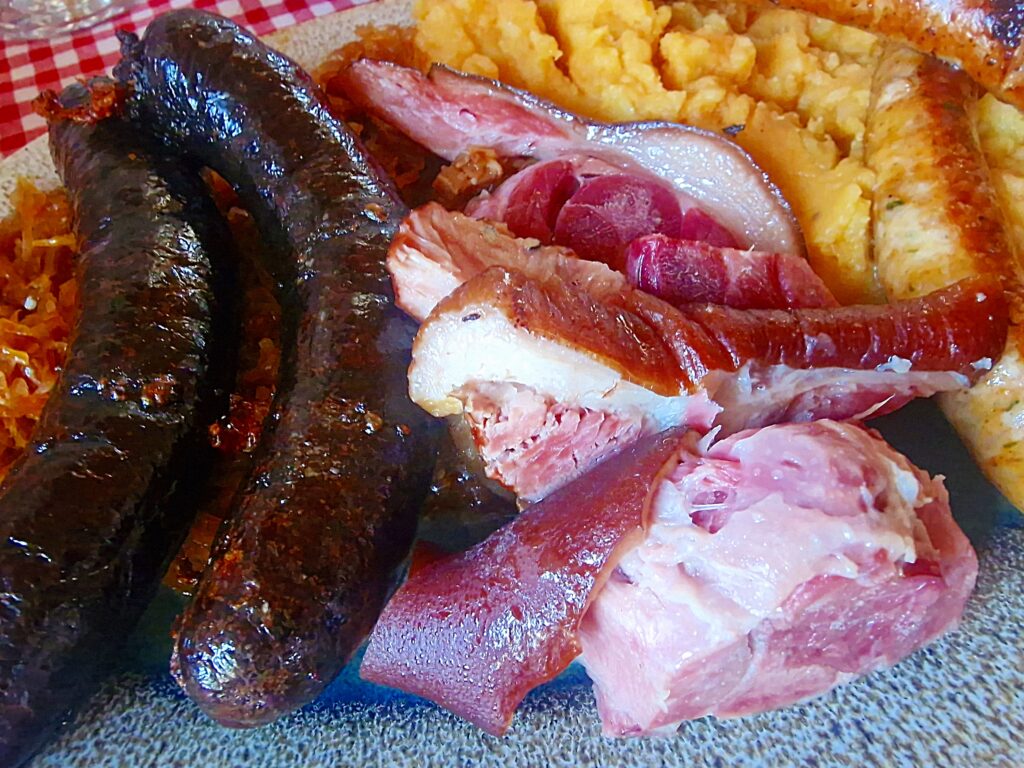
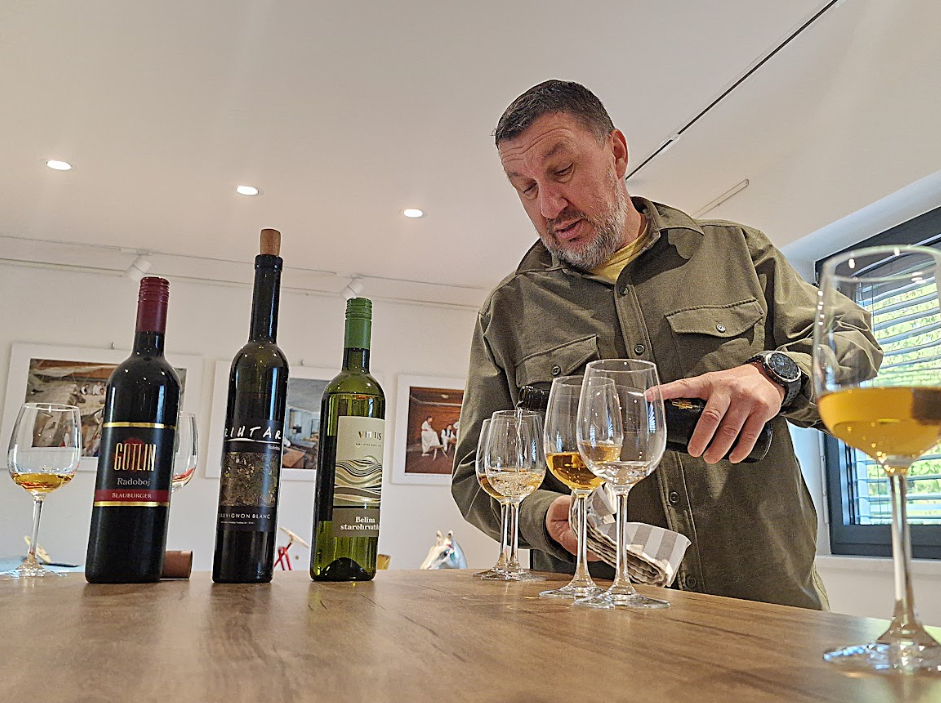
They’re accompanied by wines produced by local winemakers, the story of the Belina variety – the “mother” of many global wine varieties – and the ambition to have Radoboj wines on wine lists much further afield than Krapina-Zagorje County.
The afternoon brings perhaps the most poetic part of the trip: the climb to the Chapel of St. James on Očura. Located on a hilltop, outside the settlement of Gorjani Sutinski, this beautiful Gothic church is the largest of its kind in the Zagorje region and has almost completely retained its original dimensions from the late 15th century. The chapel is a protected immovable cultural asset, a piece of “sacred architectural heritage” that was later Baroqueised, but still exudes a simplicity and silence that we rarely encounter today.
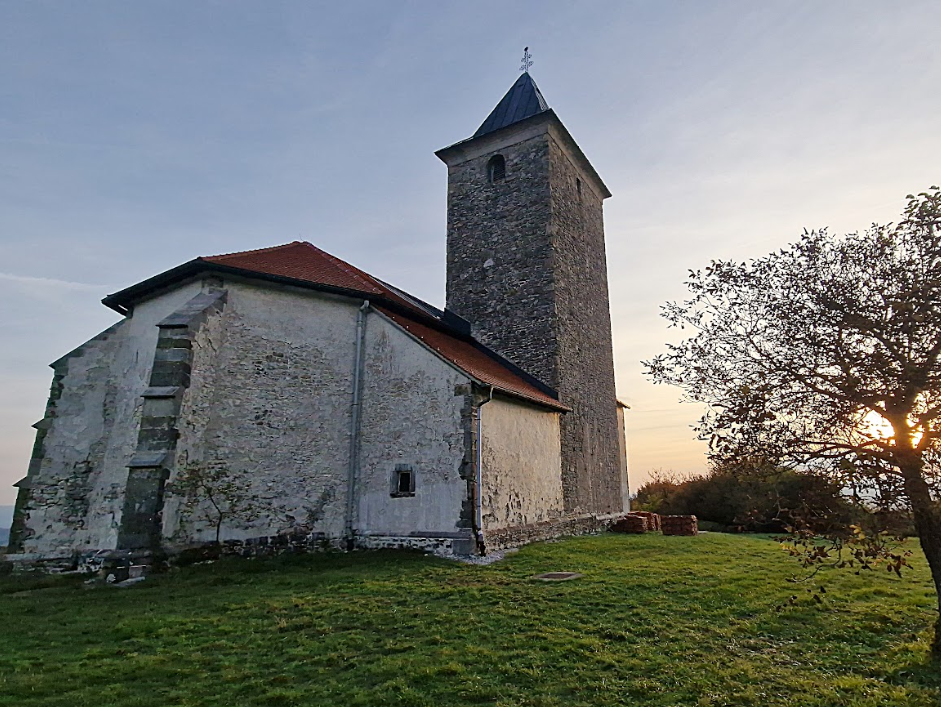
The view from the hill itself encompasses the endless rolling hills, dense forests and many vineyards – a frame that begs for a photo.
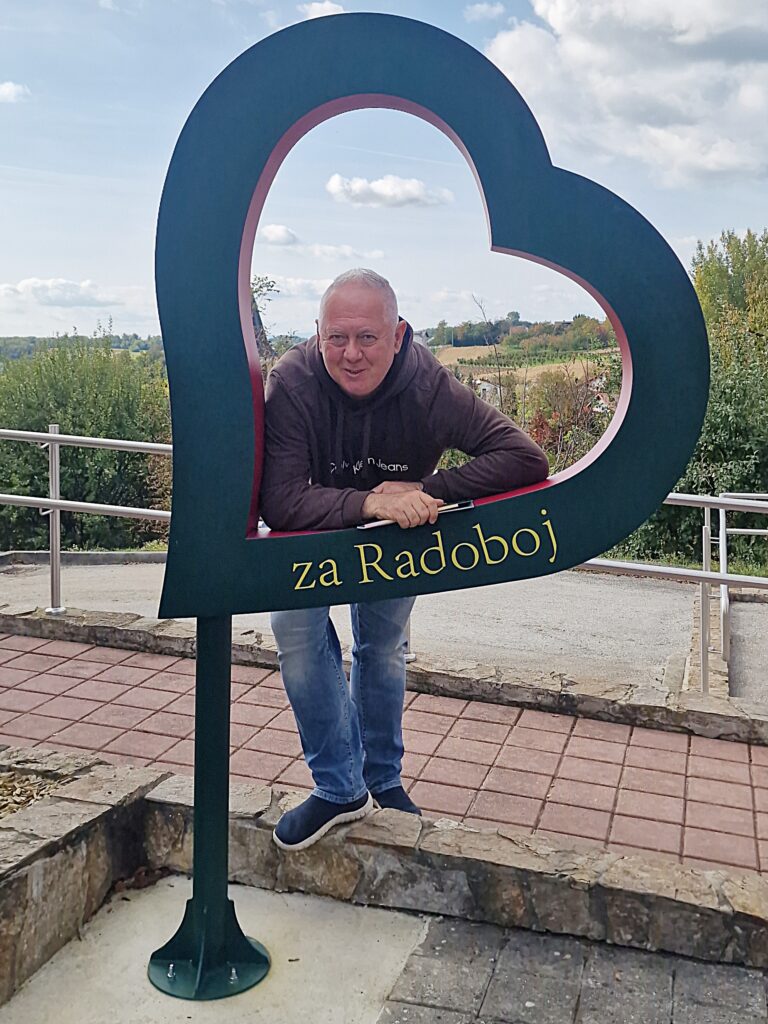
When the bus descends again towards Zagreb, Radoboj remains behind geographically, but not in your heart and mind. This delightful small settlement on the southern slopes of Strahinjčica, with only a few thousand inhabitants, has managed to combine science, tradition, wine, nature and spirituality into a story that is both local and universal. Radoboj acts as a laboratory of great ideas for small communities: how can we create an identity that attracts people from one fossil, one orchard, one forest path and one chapel, without losing its soul? Few have heard of Radoboj, but it’s yet another little place in Europe worth pinning on the map of every journalist, traveller and curious person. Many want to return after visiting, and never leave again.