March the 15th, 2026 – Rivanj has just 20 inhabitants, and there are only two surnames native to this Croatian island time forgot.
As Putni kofer/Ivana Vasarevic writes, the gorgeous and expansive Zadar archipelago is one of the most indented areas in the Croatian part of the Adriatic, consisting of about 300 islands, islets and rocks that stretch along the magical coast of northern Dalmatia.
zadar’s extensive archipelago
The largest of them all is Dugi Otok, as well as Pašman, Ugljan and Silba, all of which are extremely popular among tourists. There are also of plenty of smaller, somewhat hidden and definitely unsung islands that have retained the authentic atmosphere and spirit of some past times that we love so much.
Rivanj is a Croatian island just like that. It’s a small slice of zen and silence, untouched nature and a much, much slower pace of life. It is located not far from Zadar itself, between Ugljan and Sestrunj, and is separated from the latter by the Rivanj Channel. Its area spans about 3.6 square kilometres only, it is 3.4 kilometres long, up to 1.4 kilometres wide, while its coastline stretches for about 10 kilometres.
The highest peak of the island is called Lukočina, it lies at an altitude of 112 metres above sea level and offers a beautiful view of the neighbouring islands and open sea. Rivanj is covered with all kinds of low vegetation, and in its interior is tucked away the only village of the same name with only about 20 inhabitants.
the island where there are only two native surnames
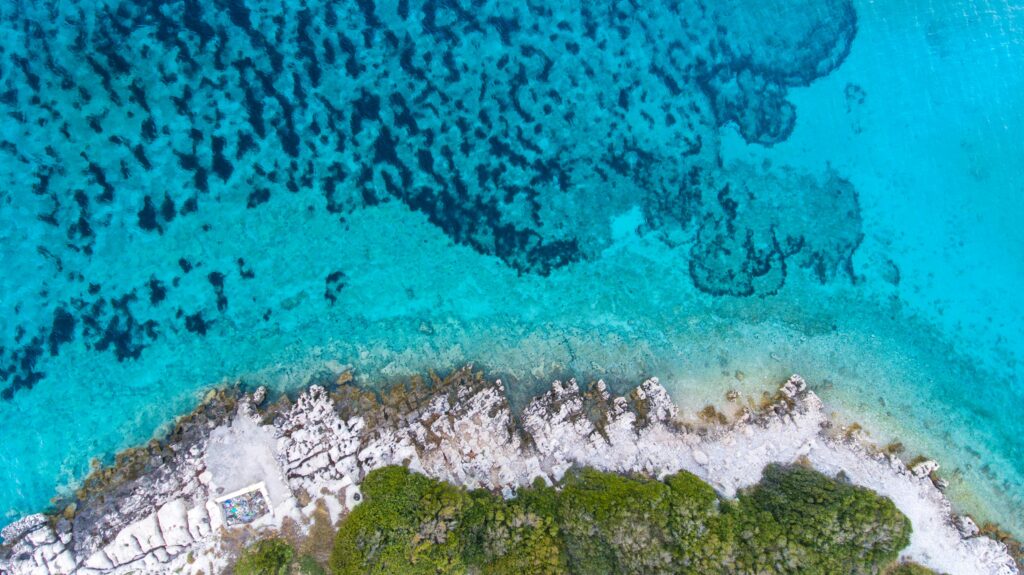
It’s also very interesting to note that Rivanj is a Croatian island where there are only two native surnames, Radulić and Fatović. Below the old town core, right by the sea towards the southwest coast, there is a small port, along which a newer settlement has developed over time. There are also several smaller islands near Rivanj: to the northwest are Tri Sestrice, and to the northeast is Jidula.
humans have inhabited rivanj since ancient times
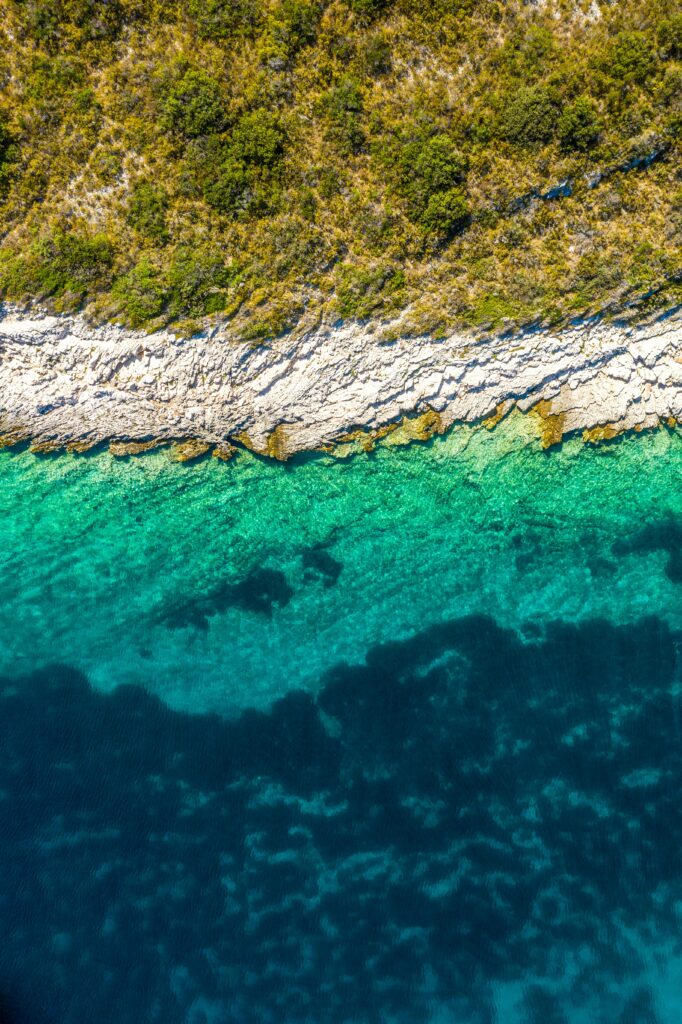
Although very small, Rivanj is home to two bays on the northeast side, and their beauty will simply take your breath away at first sight. They are called Dubrinka and Lokvina, and they’re lapped by crystalline, soft waves and peaceful beaches. Traces of human life on this tiny island go all the way back to prehistoric times, as evidenced by the remains of Liburnian forts at the Vela Glava site. Back during the Middle Ages, the island was part of the Zadar commune, and was first mentioned in written sources in the mid-14th century under the names Rivan or Ripanium. By the time 1640 rolled around, Rivanj was purchased by the Lantana noble family from Zadar.
It is widely believed that the present-day settlement was founded during the early 16th century by settlers from the island of Ugljan. During the late 19th and early 20th centuries, a large number of locals emigrated to the United States, while after World War II, most of them permanently moved to Zadar on the mainland. However, Rivanj still retains a strong sense of community and authentic island life.
no hotels, no nightclubs, but plenty of fishermen
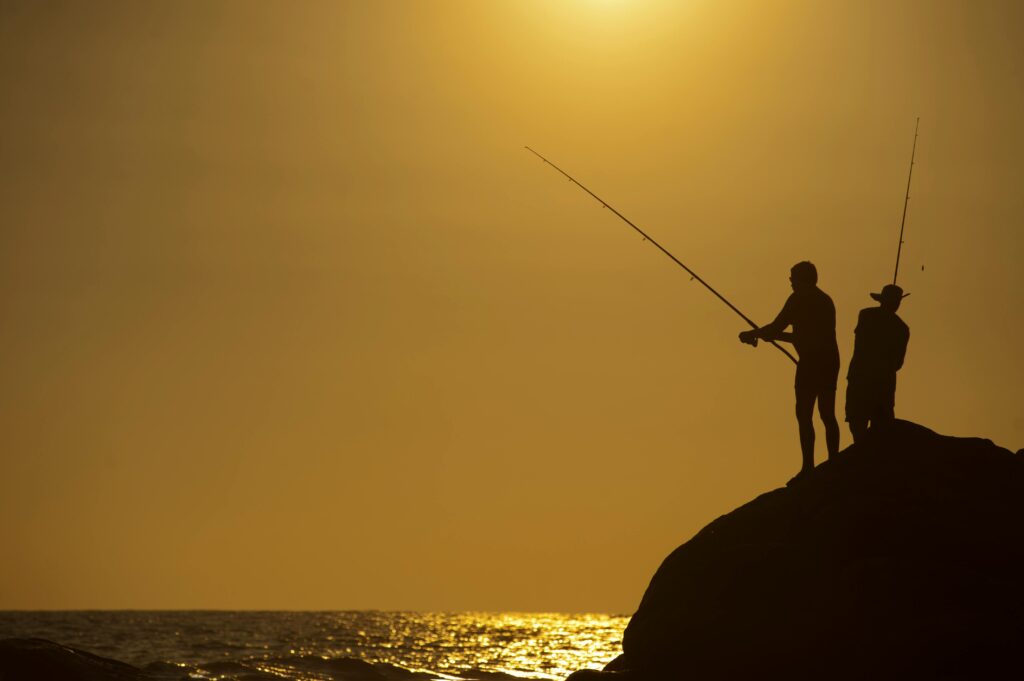
Among the religious monuments, in this unsung but magnificent Adriatic oasis you will find the chapel of St. Helena, the patron saint of Rivanj, whose feast day is celebrated on August the 18th. This tiny little church dates back to the 19th century and sits on a hill which offers a fantastic panoramic view of Zadar. There are also valuable remains of the medieval church of St. Barbara. The sea around this magical little island is rich in fish, so it is loved by both sport fishermen and divers, and its sandy coves and hidden rocky corners are ideal for exploring. There are no hotels or nightclubs on Rivanj, only untouched nature that enchants and invites all who visit to relax. Mass tourism is unheard of on this gem which is not far from Zadar geographically, but is many miles away in every other sense.