February the 22nd, 2026 – Sisak is a city that is often simply forgotten, but it has impressed the BBC, which showered praise on this Croatian city far from the glam of the coastline.
As Putni kofer writes, settlements built along rivers have always played a crucial role in the development of civilisations throughout time. Waterways enabled trade, irrigation and connecting people, and many of the world’s metropolises grew, prospered and prospered thanks solely to them. This was particularly evident in the countries of Southeast Asia, where rivers have been the basis for the cultivation of rice, one of the most important foods in the world, for countless centuries. Its value is also evidenced by records from Far Eastern mythology, in which rice is quite literally described as being a gift from the gods.
sisak captures the bbc’s attention
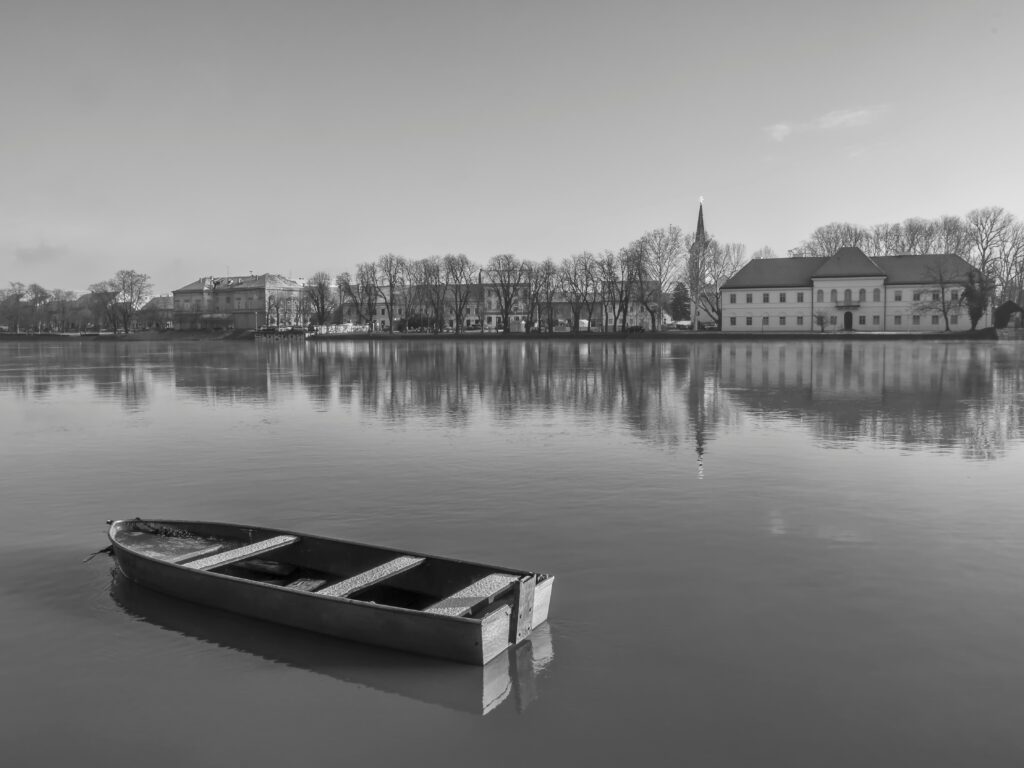
That said, you don’t need to travel to the other side of the world to hear the story of a city that owes its identity to its rivers. Only about an hour’s drive from Zagreb lies Sisak, an overlooked city embraced by the Kupa, Sava and Oder rivers. These rivers have shaped its entire history, economy and everyday life over the centuries, leaving a deep mark on the character of the settlement, which still surprises us today with the richness of its story. There is plenty about Sisak that people typically don’t know, and the BBC itself was more than impressed.
A few years ago, scenes from Sisak were broadcast around the world, and special recognition came from the famous BBC News, which filmed a documentary about the Sava River and Sisak itself. The editor-in-chief described this area as “truly magical and inspiring, not only because of its beauty, but also because of its history that dates all the way back to Roman times”.
sisak has been inhabited since the 4th century bc
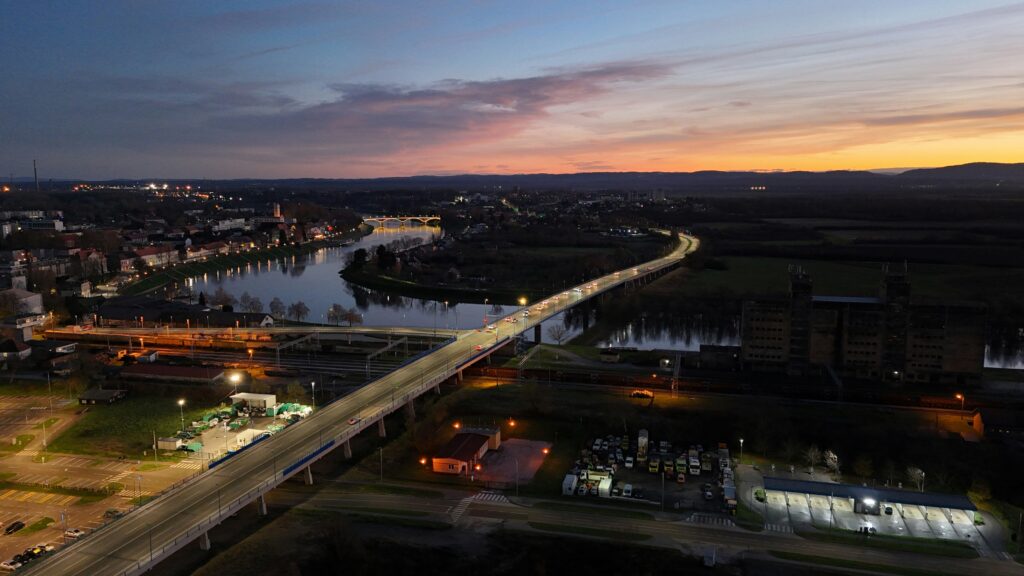
How deep its roots go back in time is confirmed by the fact that the area of today’s Sisak was already inhabited in the 4th century BC, when it was named Segestica. Over the centuries that followed, the settlement changed rulers, as well as its official names. Looking through historical records, in addition to Sisak, the names Sissek, Sziszek, Sciteck, Zysek, Sziscium, Scytzyc, Zitech and Scyteck all appear throughout time. Each of these names testifies to the rich and complex past of this city, which has always been an important meeting point for cultures and routes.
The history of Sisak is written with countless stories that testify to its former importance and vitality. It was here that the first railway in Croatia was built. During the 18th and 19th centuries, thousands of ships sailed the city’s rivers. At that time, Sisak was the largest river port in the whole country, as well as the place where the first Croatian river steamer was created, a symbol of the technological progress of its time.
And although many still perceive it as a dull industrial city, Sisak typically always surprises those who decide to give it a chance. The city is intertwined with green, romantic promenades that invite slow strolls, while colourful murals on the facades of buildings give the space a cheerful and artistic touch. In the very centre of the city, next to the Old Bridge that elegantly towers over the Kupa River and the Old Town, it’s easy to stumble across moments of peace and beauty, far from the hectic and often gloomy everyday life.
the setting of one of european history’s key moments
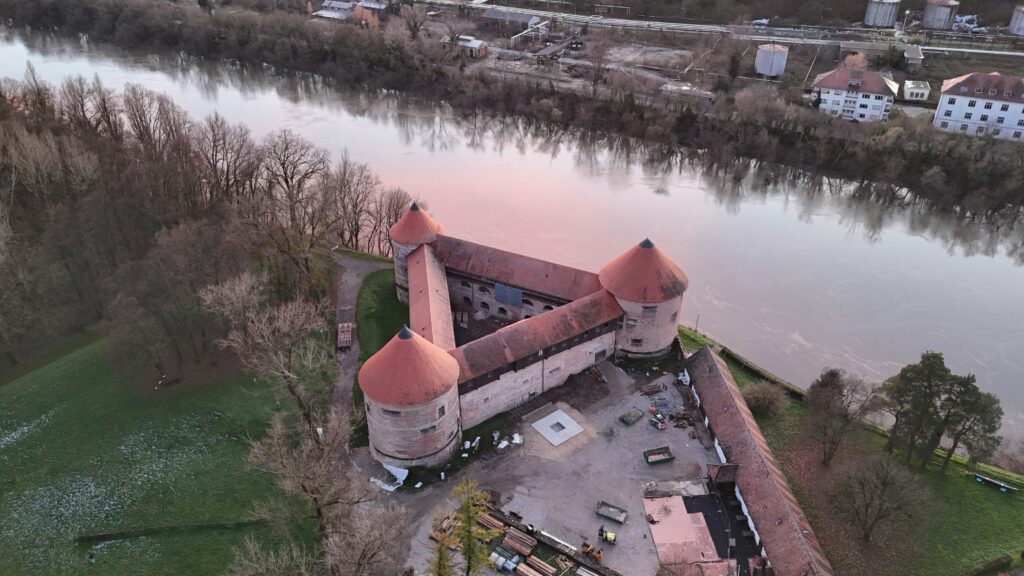
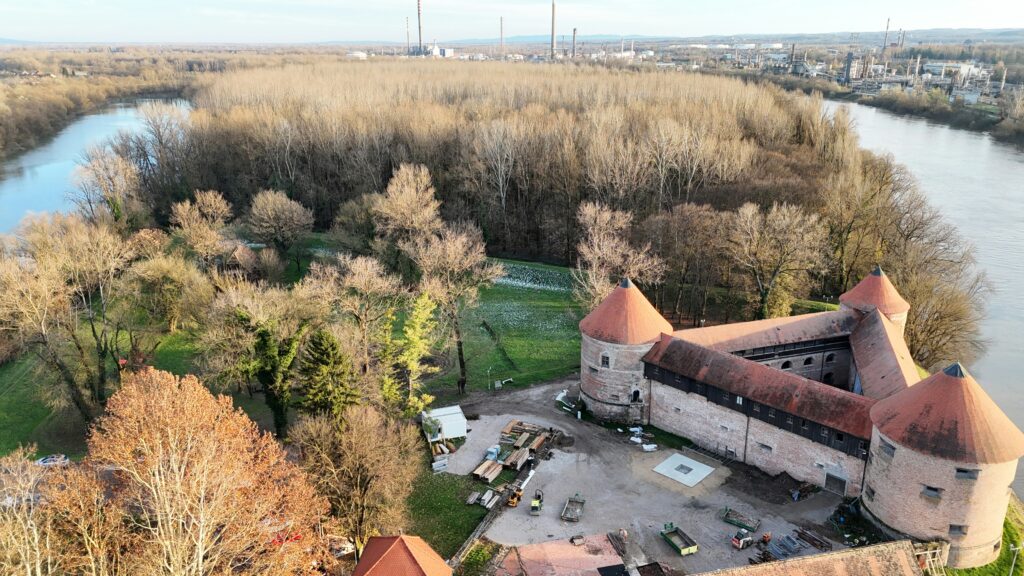
It is definitely worth finding a place on the itinerary for the Sisak City Museum, as well as the Old Town fortress, a category zero monument that suffered damage in the earthquake. It was under its walls that the famous Battle of Sisak took place on June the 22nd, 1593, one of the key moments in European history at that time. Located at the confluence of the Kupa and Sava rivers, the Old Town is only about two kilometres from the centre, so it is easy to reach even by a pleasant walk.
While exploring the city streets, stop and pay attention to the street art that adorns numerous facades. These are works created as part of the Re:Think Sisak street art festival, which gave the city a contemporary and creative expression. It’s also worth setting aside time for the Sisak Ironworks Sculpture Park in the Caprag neighbourhood, a unique outdoor space with 38 works of art created during the Sisak Ironworks Artists’ Colony. Its artistic and historical value has been confirmed by its entry in the Register of Cultural Heritage.
the home of croatia’s oldest football club
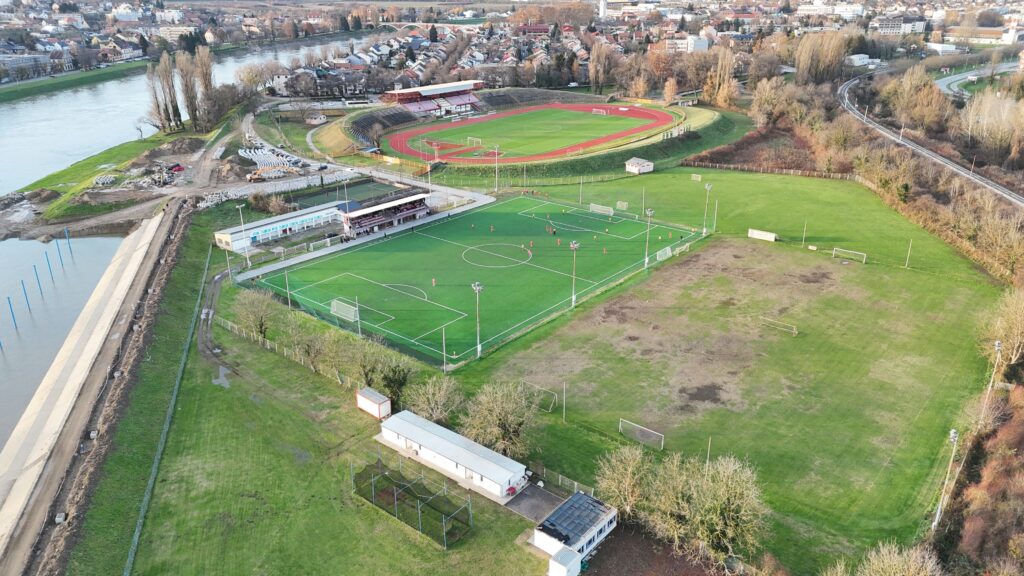
Sisak can boast another interesting fact. It is home to the oldest football club in Croatia, Segesta, which was founded back in 1906, supposedly around the same time that the first ever football arrived in the city. This fact further reveals how Sisak has always been a city that gladly embraces new ideas while shaping its own rich tradition and customs.