March the 21st, 2026 – Virovitica lies far inland, away from the glam of the coastline. Resembling Hungary more than it does the likes of Dubrovnik or Zadar, Virovitica is often overlooked, despite having once been known as continental Croatia’s “Little Venice”.
As Putni kofer writes, try to picture an old Slavonian city where bridges were once crossed at almost every turn. An idyllic settlement where water and branched canals shaped the daily lives of its inhabitants for centuries, giving the streets a special atmosphere, and ultimately earning it a nickname you wouldn’t expect at first in the heart of continental Croatia. Virovitica is home to exactly this largely forgotten tale. It’s an eastern Croatian town that once had over 30 bridges, and as many as 16 in the very centre alone.
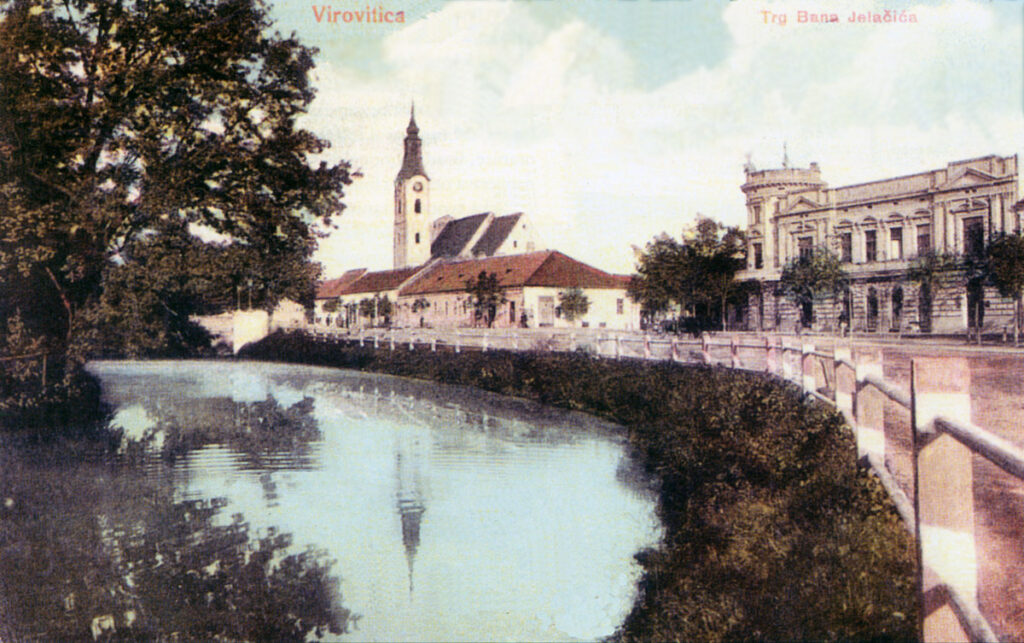
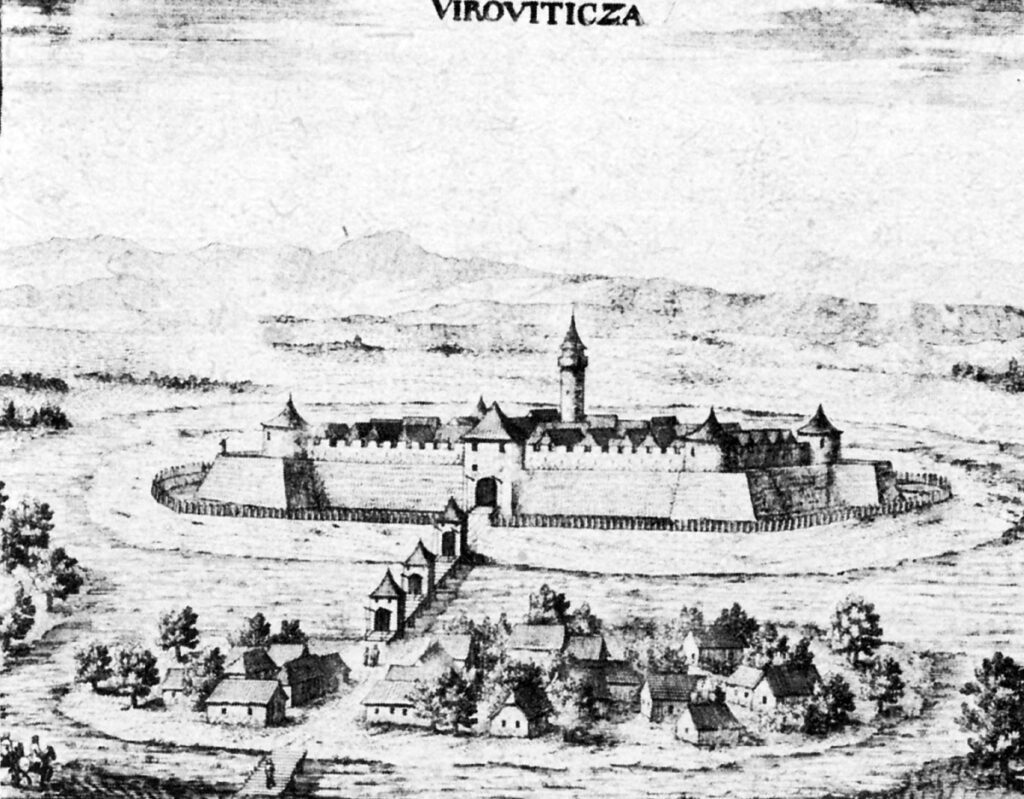
In the long, somewhat confusing history of Virovitica, water played a much more important role than it does today. The city developed along the Ođenica stream, whose course once passed through its very heart and created an extensive network of branches and canals. It was precisely because of this beautiful landscape that a large number of bridges were constructed that once connected the city’s old streets, squares, and important places in which everyday life unfolded.
move aside vrboska, virovitica is continental croatia’s very own little venice
It is estimated that Virovitica once had more than 30 bridges, and in the heart of the city itself, there were as many as 16 of them, bridging the flow of the Ođenica River. These bridges once shaped the recognisable skyline of Virovitica, giving it a special identity, which is why it was eventually nicknamed Little Venice. As urban planning needs altered during the 20th century and the flow of streams was better regulated, some of the bridges disappeared along with the former watery landscape. Despite that, the memory of that period is still strongly present in the area’s local history and the collective memory of the residents.
Today, the bridges in Virovitica have a different, symbolic role, but they still preserve the memory of the period when water shaped the face of the entire settlement. During the renovation of the Pejačević Castle and the landscaping of the park, five modern designer wooden bridges were installed, each of which has a special story and function.
the bridges of love, mirrors and even music…

The Bridge of Love (Most ljubavi) is a favourite spot for newlyweds who take photos there. The Gymnasium Bridge (Gimnazijski most), on the other hand has been a natural gathering place for younger people in Virovitica for decades now.
The Portal Bridge (Most portal) has been designed as a kind of time capsule that symbolises the transition from the old, historical Virovitica to its modern urban face. The Mirror Bridge (Most zrcala) provides interesting and changing views of the area’s grand architecture. The Musical Bridge (Glazbeni most), interestingly shaped like piano keys, is particularly alluring, given the fact it produces a tone with every step and turns a walk into a unique experience.
ideal for history, heritage and nature lovers

A castle with a luxurious park where everyone feels like a part of the former nobility for a moment, landscaped streets, museums and churches, and in the surrounding area greenery, forests and ponds… Although it sounds like a description of some historical place in Italy or Austria, all of the above is located in Virovitica, a typically entirely forgotten eastern city that is an ideal destination for a weekend trip.
The pride of Virovitica’s inhabitants is the now completely renovated Pejačević Castle, which houses the City Museum and the Tourist Information Centre and its accompanying souvenir shop.
In addition to those who love history and heritage, Virovitica, or should we say continental Croatia’s “Little Venice” is an ideal destination for lovers of nature and active holidays. Just seven kilometres from the bustle of the city are the Virovitica fish ponds, nine large lakes rich in freshwater fish. The city’s surroundings are ideal for cycling, and the most popular of the several well-maintained routes is the Carp Path, which surrounds the fish ponds and is over 10 kilometres long.