
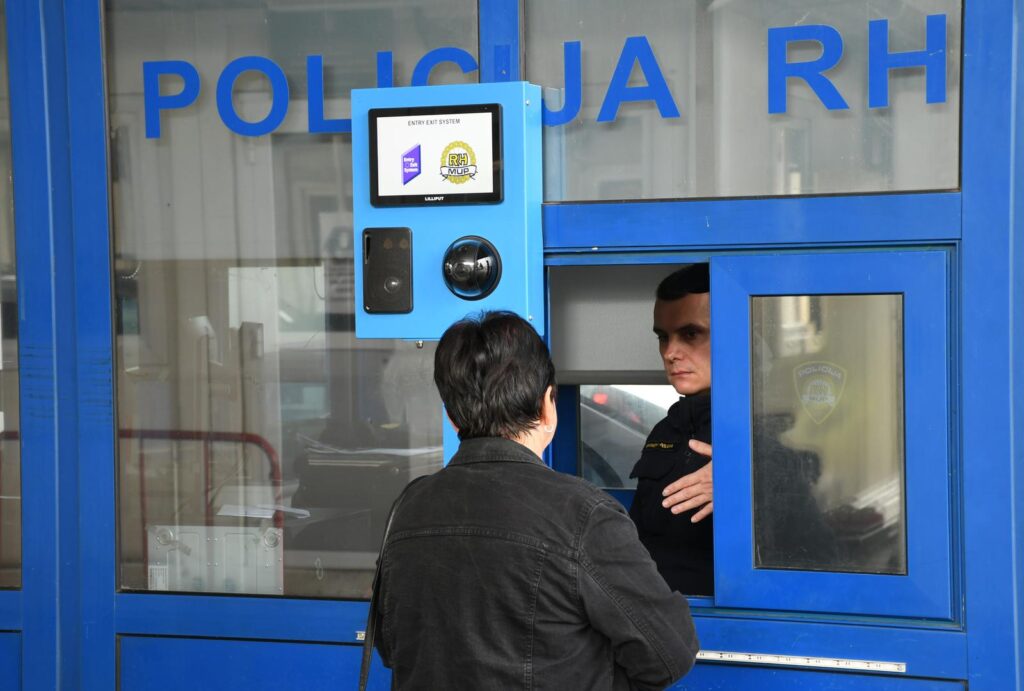
April the 10th, 2026 – Passport stamps, however dear to us they are, are soon to enter history entirely. Croatia has introduced the new digital border system with the EES finally operational.
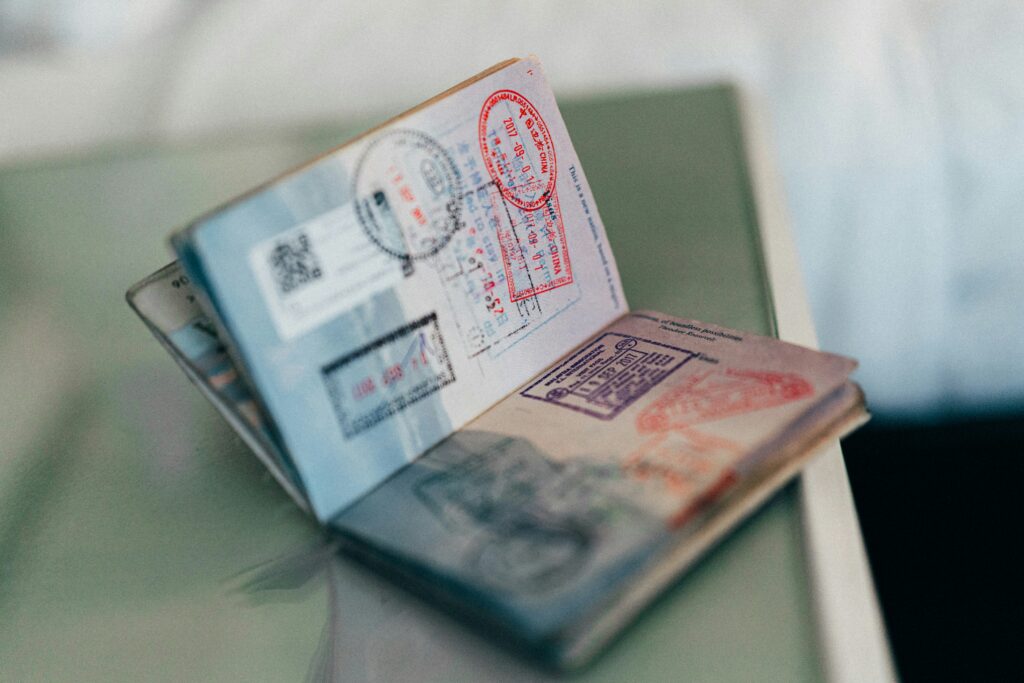
As Index vijesti/news writes, the EU is finally fully introducing the much anticipated (and often delayed) Entry/Exit System (EES) from the 10th of April 2026. This will therefore end the period of gradual adaptation and move to exclusively digital recording of crossings of the external borders of the Schengen area. For travellers, this means the abolition of stamping the passports of third-country nationals, as all data on entries and exits will be recorded electronically.
what’s actually changing at croatia’s borders?

Croatia introducing the new digital border system will allow for the automatic recording of the date and place of a person’s entry and exit from the country, calculate the duration of their permitted stay and record any refusals of entry. The duration of stay will be precisely determined using an integrated automated calculator. This enables more accurate monitoring of stay and further increases the security of the external borders of the European Union.
croatia is ready to introduce the new digital border system

Croatia actively participated in the process of introducing the EES and was praised as one of the EU Member States to implement the new system in a timely and efficient manner. Since the start of the gradual implementation on the 12th of October 2025 until the 1st of April 2026, over 3,750,000 files of third-country nationals have been created and verified in the system in Croatia, confirming the high level of operational readiness of the Croatian border police.
modernising border control processes
The new EU Entry/Exit System is a key information tool for border management. It modernises and improves border control for third-country nationals entering the Schengen area for short stays. The gradual introduction of the system began on the 12th of October last year to allow Member States to adapt, and as of the 10th of April this year, the system has been fully implemented across all Member States.
benefits and objectives
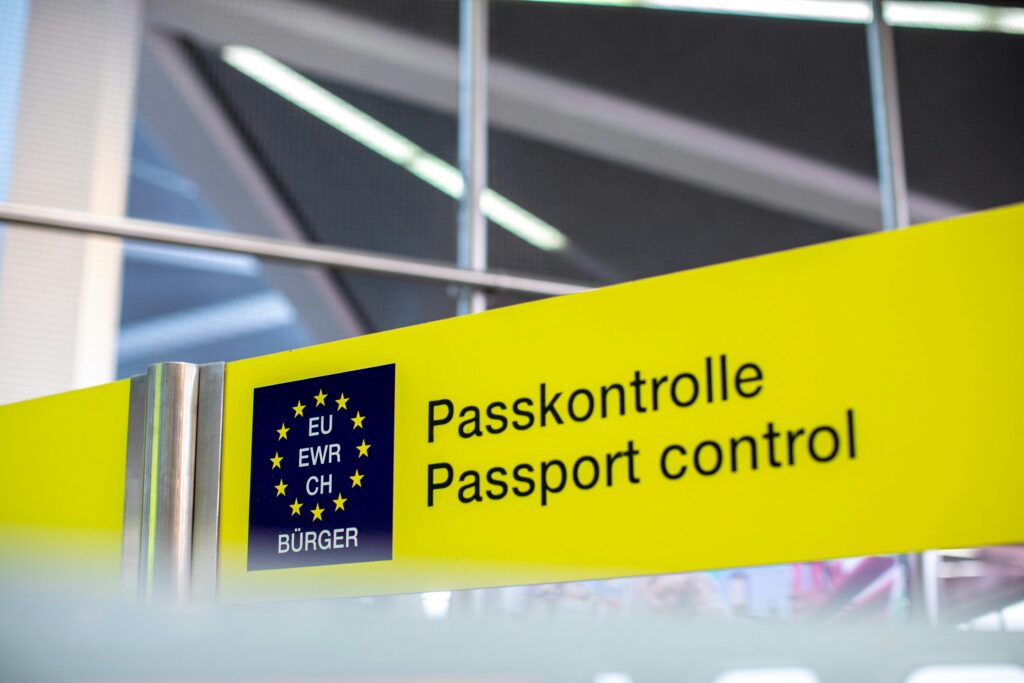
The implementation of the EES system at the EU level brings a number of benefits, including the strengthening the security of the bloc’s external borders, more efficient migration management and the reliable monitoring of the duration of stay of third-country nationals. System abuses and overstays are also much more likely to decrease.
recommendations to travellers

The police are urging travellers to be informed in a timely manner about the new way of recording border crossings. They are also advised to have all the necessary documentation when travelling and to act in accordance with the instructions of police officers in order to ensure that border control is carried out as quickly and efficiently as possible.
who doesn’t the new system affect?

Those who hold EU/EEA passports will not be affected by the new system.
Those who are third country nationals but have legal residence in either Croatia or another EU/EEA nation will also not be affected as long as they can present a valid residence card alongside their valid passport when entering and exiting either Croatia or any other EU/EEA country. The system only applies to third country nationals making short trips (90 days or less within a period of 180 days) to the bloc.