
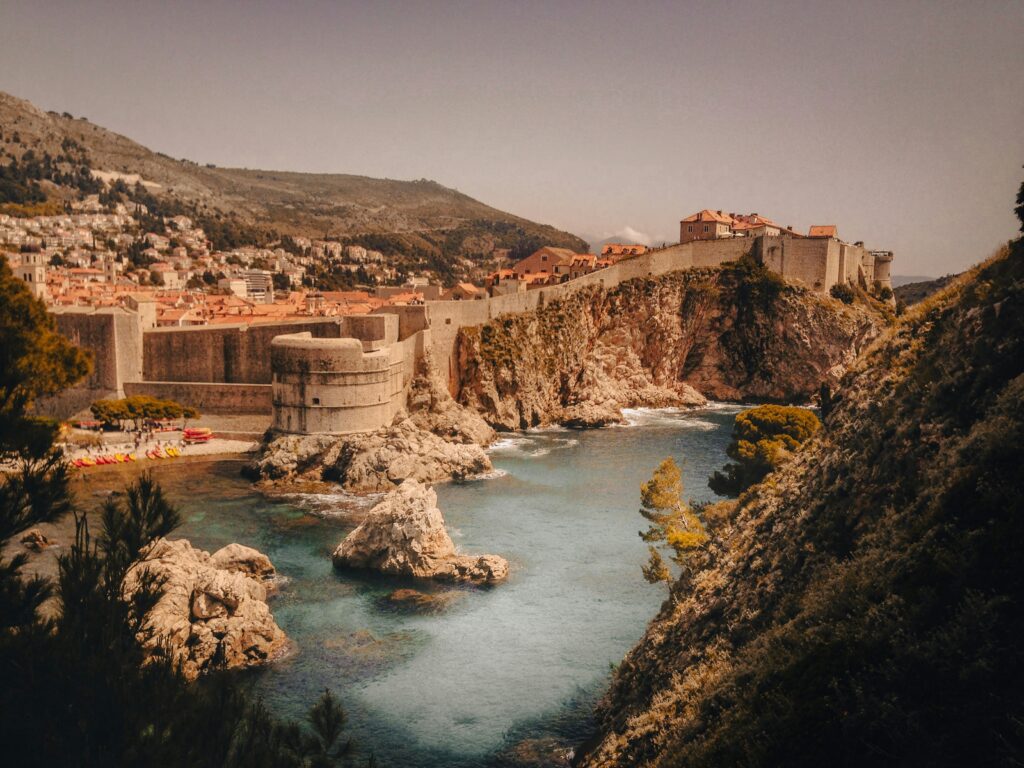
July the 21st, 2026 – Croatia has become one of Europe’s most sought-after summer destinations, but how does it compare to the longtime tourism giants Spain, Greece and Italy?
As Vedran Salvia reports for Index, each country offers something unique, from world-famous beaches to ancient cities and exceptional cuisine. Despite the constantly evolving competition, Croatia appears to very successfully continue carving out its own niche, attracting travellers looking for crystal-clear waters, historic towns and a more relaxed coastal experience.
the croatian coast needs very little help in attracting attention
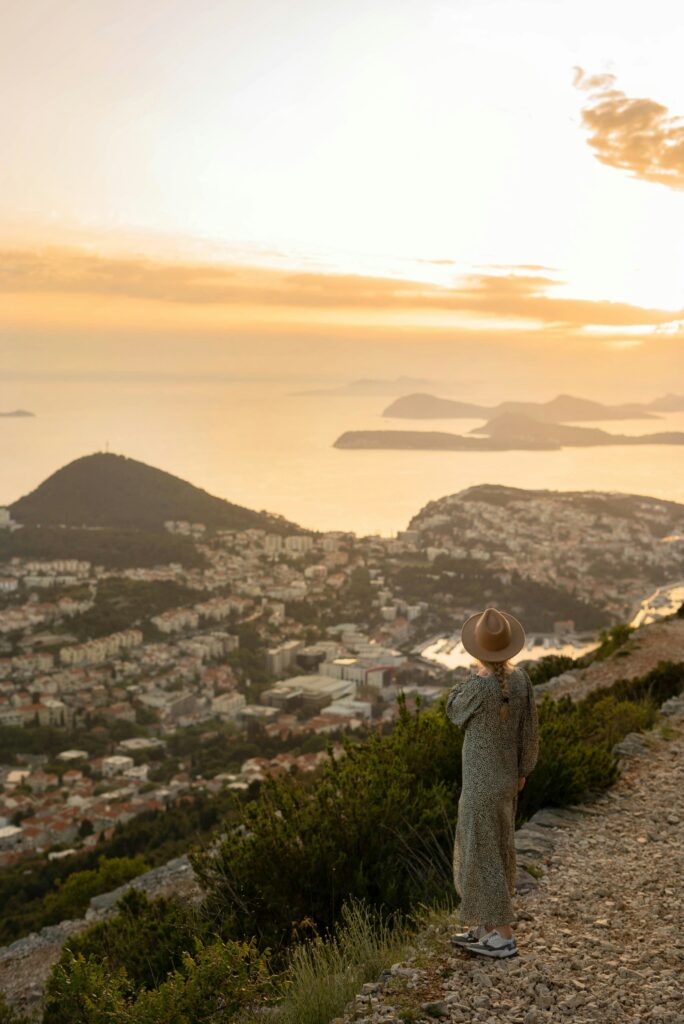
Croatia’s greatest strength remains its spectacular Adriatic coast. Stretching for more than 1,700 kilometres and dotted with over 1,200 islands, islets and reefs, it offers endless opportunities for sailing, island hopping and discovering secluded beaches. Unlike many Mediterranean destinations where development unfortunately totally dominates the coastline, much of Croatia’s shore remains remarkably well preserved, with national parks, hidden coves and picturesque, ancient fishing villages sitting alongside popular tourist hotspots like Dubrovnik, Split and Makarska.
how does that compare with spain?
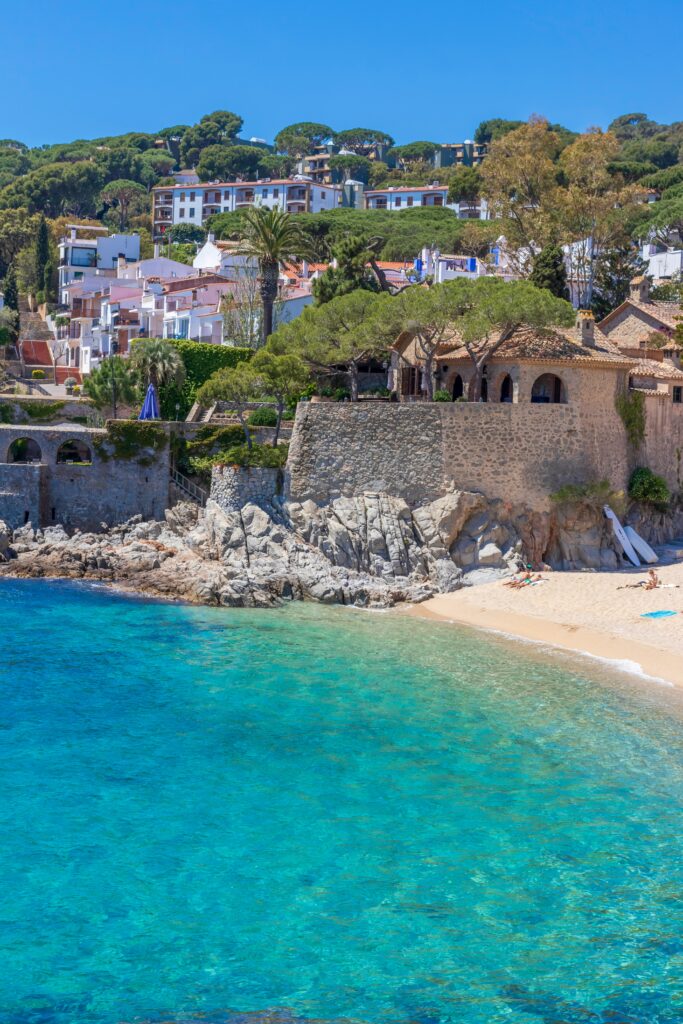
Tourism heavyweight Spain continues to attract visitors with its vast array of long, sandy beaches, lively nightlife and major cities such as Barcelona, Valencia and Málaga. It also offers year-round sunshine in many regions. Croatia, however, appeals to travellers seeking a more intimate experience. While destinations like Dubrovnik can become crowded during peak season, much of the coastline remains quieter than Spain’s busiest resorts, particularly away from the best-known locations.
greece – the home of influencer islands

Nearby Greece is globally renowned for iconic, entirely different islands such as Santorini, Mykonos and Crete, along with its ancient history and rich Mediterranean cuisine. Croatia, located just up north, offers a different style of island holiday. Rather than focusing on a handful of internationally famous islands which have become totally swamped by influencers over more recent years (see Mykonos, for example), visitors can choose from hundreds of inhabited and uninhabited islands. Each of them has its very own character, from the lavender fields of Hvar’s interior and the vineyards of Korčula to the untouched nature of Mljet and Lastovo.
the home of the romans is hard to contend with, yet croatia manages to do so
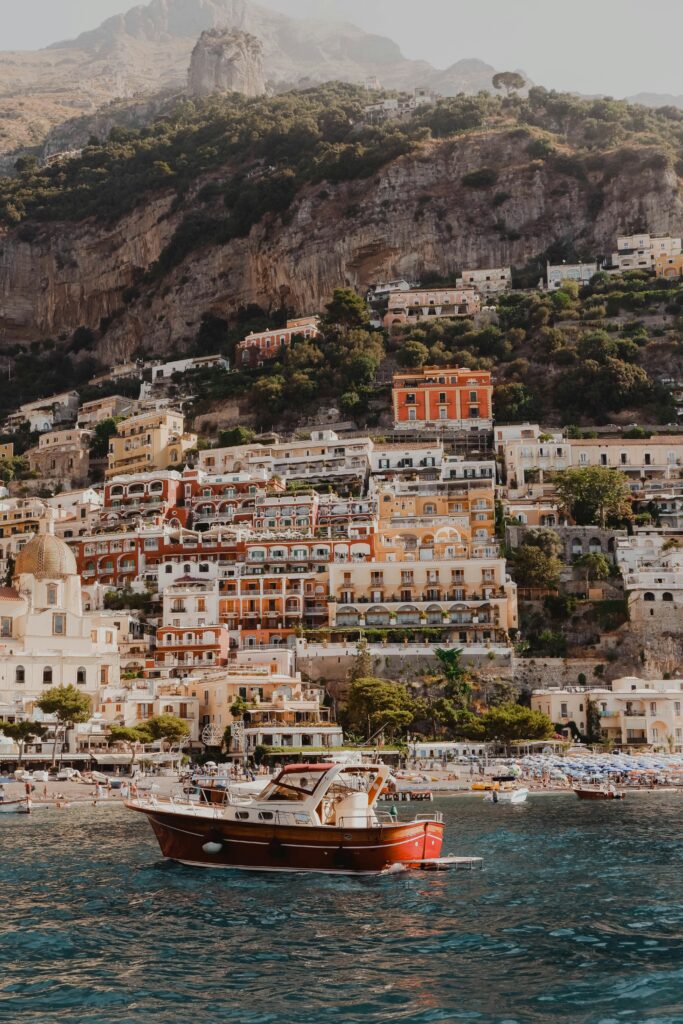
Neighbouring Italy remains one of the world’s most visited countries thanks to remarkable cities such as Rome, Venice and Florence, alongside the Amalfi Coast and Sicily. The country that gave the world the Romans would be difficult to compete with for anyone, and yet Croatia, in its own way, still manages. Naturally, Croatia cannot match Italy’s sheer number of globally recognised cultural landmarks or its geographical size, but it often provides a similar Adriatic atmosphere at a more accessible price point. This is particularly true for sailing holidays, waterfront accommodation and seafood dining outside the very height of the summer season.
croatian prices – a gap that is narrowing (and quickly)
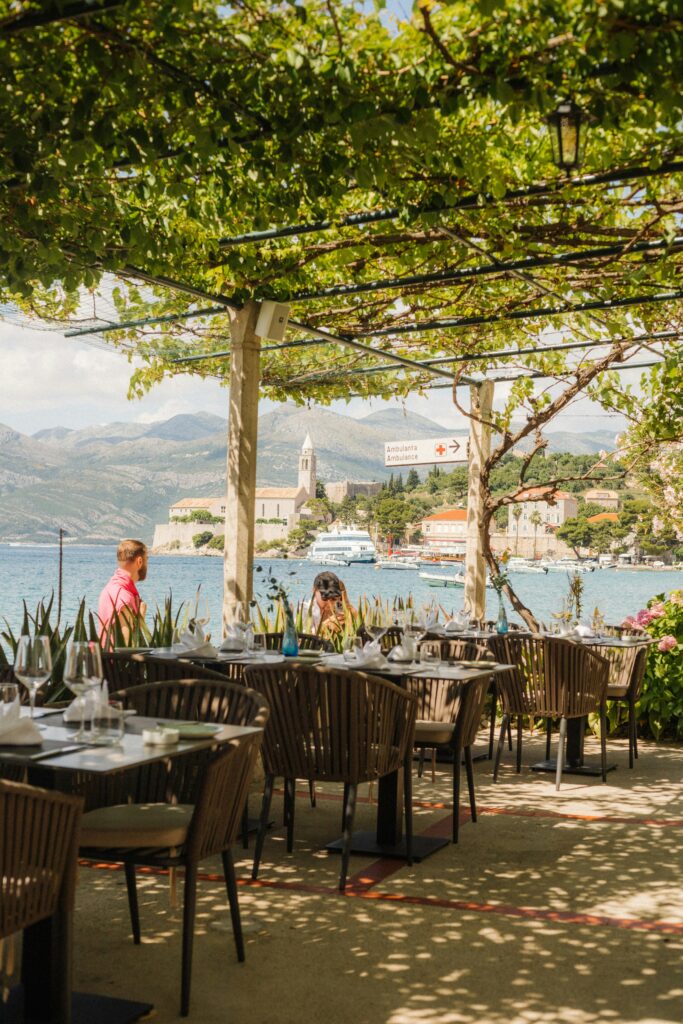
One of Croatia’s traditional advantages has always been affordability, although that gap has greatly narrowed in recent years. Since the country’s accession to the Eurozone, prices for accommodation, restaurants and tourism services have spiked noticeably, especially in popular coastal destinations. During the peak summer months, visitors may find Croatia approaching the prices of parts of Italy or Greece, particularly down in Dubrovnik, as well as in central Dalmatian destinations such as Hvar and Split. Despite that being the case, many lesser-known destinations continue to offer excellent value, particularly along the Kvarner coast, northern Dalmatia and of course away from the sea entirely in inland Croatia.
croatia is so much more than “just beaches”
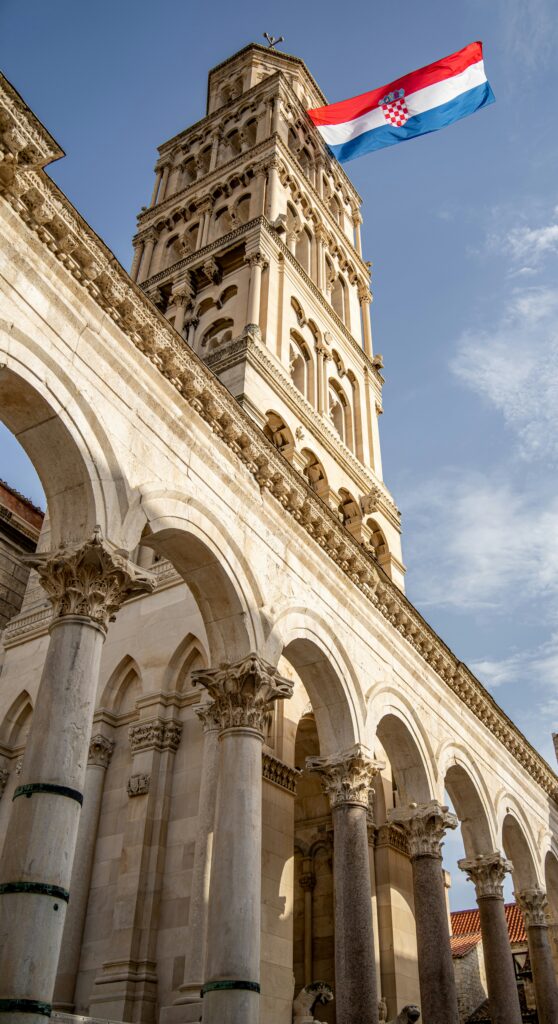
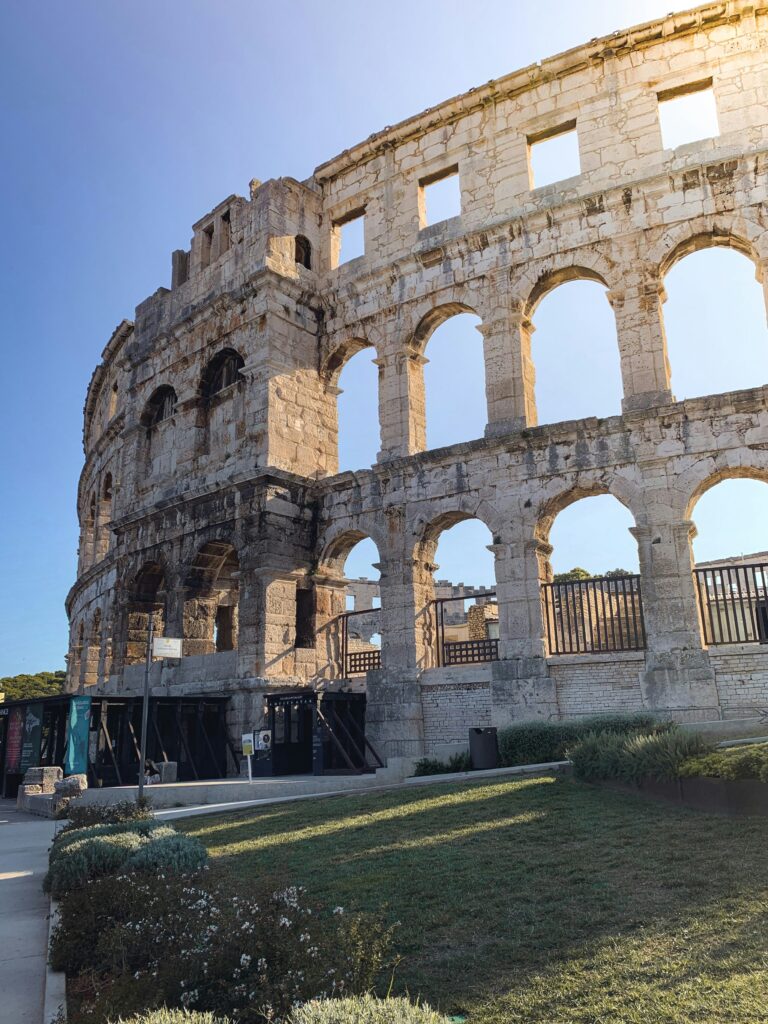
Croatia’s appeal extends well beyond the coastline and 1,000+ islands. Visitors can explore the marvellous Plitvice Lakes National Park, hike through the imposing mountains of Velebit, discover a great many Roman monuments in Zadar, Pula and Split, sample world-class wines up in Istria and down Pelješac, or experience vibrant festivals and cultural events throughout the entire summer. Combined with its strong reputation as one of Europe’s safest destinations by far, these experiences continue to attract travellers looking for far more than a traditional beach holiday.
the verdict – croatia is the small country that could (and very much has)
Spain offers energy and variety, Italy delivers world-famous culture, and Greece remains synonymous with idyllic island escapes. Croatia, meanwhile, combines elements of all three: spectacular islands, historic towns, exceptional natural beauty and a coastline that remains one of the cleanest and most diverse in Europe. For travellers seeking a Mediterranean holiday that balances relaxation, adventure and history, Croatia continues to prove that it deserves its place alongside the region’s biggest tourism giants.