
July the 31st, 2026 – Croatia-US economic relations have seen a new chapter in the (apparently very long) book penned, opening doors for diaspora business.
These new and upcoming tax changes will open doors for businesses operating between the two countries, as well as for the Croatian diaspora who might need another more concrete reason to seek citizenship.
For very many decades, the relationship between Croatia and the United States has been built on more than diplomacy. It has been shaped by migration, family ties, investment, and the millions of people of Croatian heritage who have made the United States their home. Now, a brand new step in that relationship could reshape how Croats and Americans do business, invest, and maintain connections across the pond.
the old double taxation hurdle…
A long-awaited agreement on avoiding double taxation between Croatia and the United States is finally moving closer to implementation, bringing the possibility of greater financial certainty for individuals and companies operating between the two countries. Until relatively recently, this all seemed to move at a glacial pace, with many in both Croatia and the diaspora forgetting about much movement at all on the issue.
For Croatian citizens living abroad, especially the large Croatian-American community, the changes represent more than a technical tax issue. They are part of a broader trend: Croatia is becoming increasingly connected economically, legally, and professionally with its diaspora. For a great many descendants of Croatian emigrants, that renewed connection may raise an important question about whether or not now be the right moment to formally reconnect with Croatia and gain citizenship.
croatia and america, a story of immigration, migration and struggle
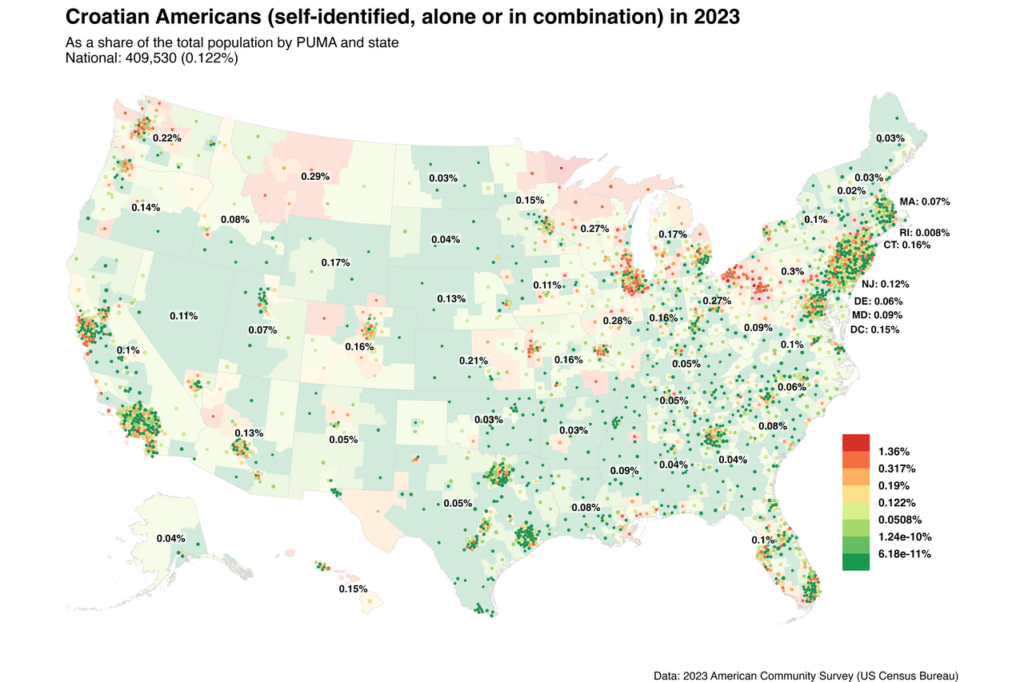
Ancient Croatia and the very new United States have a relationship that extends far beyond modern state diplomacy that we see all countries at least attempting to engage in in the modern day. From the waves of Croatian migration that took place back during the late 19th and early 20th centuries, to the creation of strong Croatian communities across major US cities such as Chicago, Cleveland, Pittsburgh, and New York, generations of Croatian-Americans maintained cultural and family links with their ancestral homeland.
During Croatia’s struggle for independence in the 1990s, the diaspora played a significant role in raising awareness of Croatia’s position internationally. Since Croatia gained independence back during the 1990s, relations with the United States have expanded into security cooperation, tourism, technology, investment, and trade. Looking at the situation as it is today, this relationship is entering a new economic phase, one where easier movement of capital, business opportunities, and legal certainty are becoming increasingly crucial.
Why this Tax Agreement Matters (in more ways than one)

Obviously, the primary goal of the Croatia–US income tax agreement is to reduce uncertainty for people and companies that have financial ties to both countries. Currently, individuals and businesses operating across borders often face complicated questions about where exactly any income actually be taxed, and how this problematic double taxation can be avoided.
They’re the basic questions. It becomes more complex as you delve deeper, with questions about what rules apply when investing, opening a company, receiving dividends, or earning income abroad often becoming too much for many. Understandably so.
The agreement aims to provide clearer rules and reduce situations where the same income could potentially be taxed twice. It includes measures related to withholding taxes, information exchange, dispute resolution, and mechanisms designed to create a more predictable environment for cross-border activity. A protocol signed in 2026 further addressed outstanding issues and is intended to support the treaty’s progress toward US Senate consideration.
For businesses, this could mean greater confidence when investing between Croatia and the United States. For individuals, especially those with connections to both countries, it could simplify financial decisions and encourage closer economic links.
A New Opportunity for americans with croatian ancestors who might want croatian and eu passports
The Croatian diaspora has always been one of Croatia’s greatest assets. Indeed, there are now more ethnic Croats born and living outside of Croatia than there are living in it. Millions of people around the world have Croatian roots, but many have never formally explored their legal connection to Croatia. There are a wide array of reasons for that. For descendants of Croatian emigrants, being granted Croatian (and as such EU) citizenship can represent more than a passport. It can be a practical bridge to easier access to life, work, and property ownership in Croatia and the European Union, much stronger connections with family heritage, new business and investment possibilities and the ability to participate more directly and concretely in Croatia’s future.
For many Americans with Croatian ancestry, the gap between loving dida’s war stories or enjoying Dalmatian gregada was comfortable, but there wasn’t enough of an urge there to try to get a Croatian passport. America is a country filled with people who value economic success and the grind in a way few in Europe do. For many, pursuing citizenship would need an extra push wrapped in a more economic bow.
As Croatia becomes more economically integrated with countries such as the United States, citizenship can become increasingly valuable for those who want to maintain a meaningful connection with their ancestral homeland, all while seeking business opportunities without getting ravelled up and ultimately strangled in red tape. Many members of the diaspora already visit Croatia every year. Some invest in properties, start businesses, or consider spending more time in the country. Formal citizenship can be the next step in turning a cultural connection into a legal and practical one, all without the threat of Croatia’s infamous bureaucracy on steroids.
From Tourism to Investment: Croatia’s Changing Image Abroad
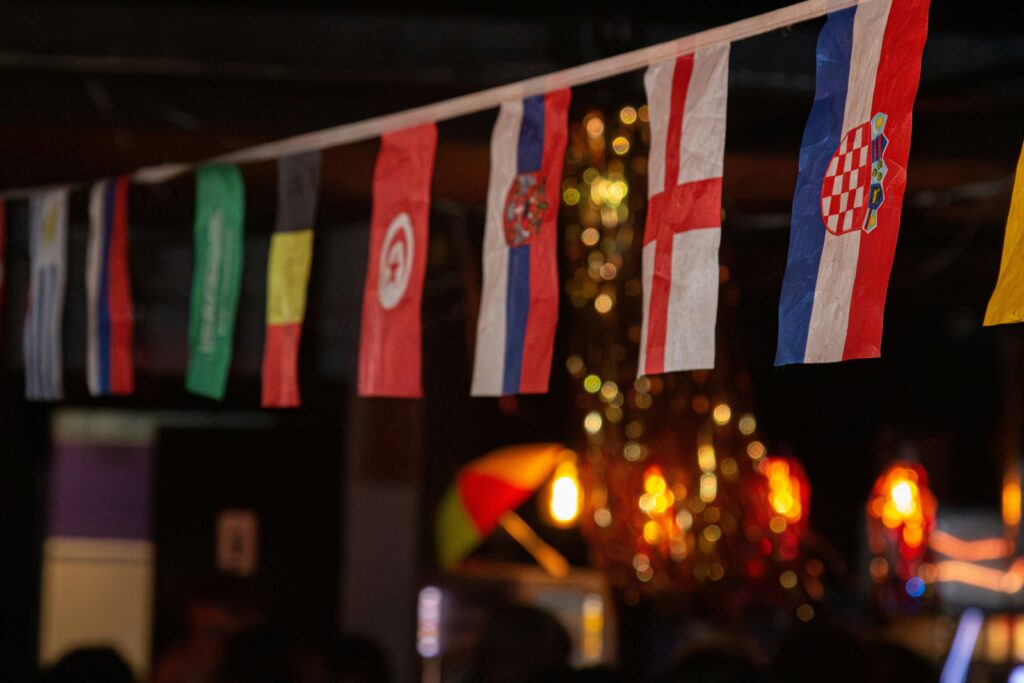
For decades, Croatia’s global reputation was primarily connected to tourism. It would be a lie to say that is no longer the case, but things are altering. Now, the country is increasingly positioning itself as a place for investment, entrepreneurship, technology, and international cooperation. A more predictable tax environment with the United States could encourage additional economic activity, particularly among Croatian-Americans who already understand both markets. The massive Croatian diaspora has a unique advantage: many already have knowledge of American business culture while maintaining personal ties to Croatia. That combination can create opportunities in areas ranging from technology and renewable energy to tourism, manufacturing, real estate, and services.
What Comes Next and what does this all really mean?
In practical terms, the implementation of the Croatia–US tax agreement will depend on completion of the necessary procedures in both countries. There are still a few hurdles to jump, but the direction is clear and the track is getting shorter. Croatia and the United States are moving toward a closer economic relationship, and the Croatian diaspora is positioned at the centre of that connection.
For descendants of Croatian emigrants who have always felt connected to Croatia but never explored citizenship, this may be a moment worth genuinely considering. As Croatia strengthens its global economic position, those with Croatian heritage are increasingly asking not only where their ancestors came from and exploring their origins for emotional reasons, but what concrete, economic and business opportunities their Croatian identity can provide today.
croatianbydescent – turning heritage into opportunity
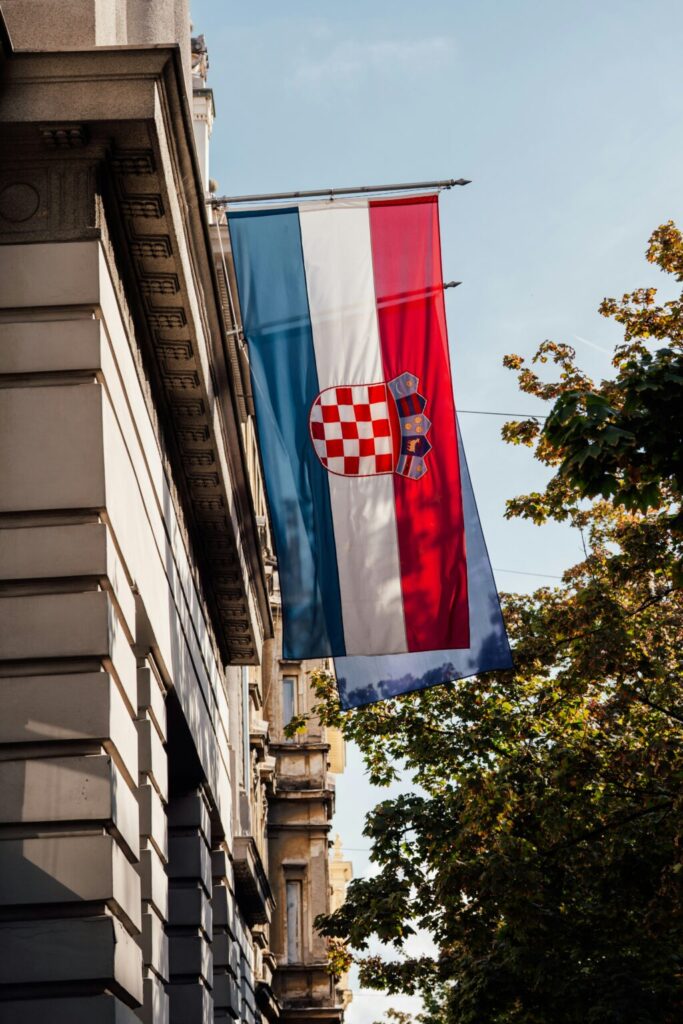
Croatian by Descent has helped many Americans pursue their interest in gaining Croatian citizenship, as it goes without saying that few know where to even begin. For the vast majority of the Croatian diaspora, the connection to Croatia has always existed through family traditions, language, memories, and annual visits to the coast and islands. However, as Croatia’s role in the European and global economy continues to grow, more descendants of Croatian emigrants are exploring what it means to make that connection official.
Obtaining Croatian citizenship is increasingly viewed not only as a way to preserve family heritage, but also as an opportunity to strengthen personal and professional ties with Croatia and the European Union. For those who qualify, citizenship can open the door to greater mobility, easier long-term stays, investment opportunities, and a deeper relationship with the country their ancestors once called home.
Navigating the Croatian citizenship process, however, can involve complex documentation, historical records, and legal requirements, especially for descendants whose families left Croatia generations ago. The attitude you’re likely to receive as you attempt to do all this is also a bit of a culture shock for many Americans used to smiles and client-facing service. This, is, let’s say… not so common in Croatia!
It’s precisely why many choose to work with the likes of Croatian by Descent, who understand both Croatian regulations and the unique challenges faced by applicants living abroad. They have noted an uptick in those seeking their services and help as more and more of the diaspora look to Croatia as more than just sunshine and sea in their ancestral village each summer. As Croatia and the United States enter a new era of economic cooperation, reconnecting with Croatia through actual citizenship may become an increasingly valuable step for a new generation of Croatian-Americans looking to turn their heritage into a permanent, unbreakable connection cemented with (another), stronger blue passport.
Subscribe to our newsletter
the fields marked with * are requiredRelated posts:
 As Croatian Passport Power Climbs, So Does Diaspora Interest in Obtaining One
 New Croatian Residence Programme Simplifies Citizenship by Descent for Diaspora
 From Family Stories to Croatian Passports: How Malkovich Inspires the Croatian Diaspora
 How the World Cup is Driving More Interest in Obtaining Croatian Citizenship