March the 25th, 2026 – Fuel and electricity prices are set to remain under control as Croatia introduces measures to combat rising prices as a result of American and Israeli attacks on Iran.
As Poslovni Dnevnik/Jadranka Dozan writes, given that the start of this week on global markets was marked by reassuring statements from US President Donald Trump regarding the crisis in the Middle East, things aren’t looking so great for many.
trump and iran are singing from different hymn sheets

On Monday in Croatia, the week was marked by a government session at which new energy measures were adopted. Following Trump’s statements that talks with Iran were on the right track towards a “complete resolution of hostilities” and that he had ordered the postponement of any military attacks on Iranian energy infrastructure, oil prices fell below 100 euros at the beginning of this week’s trading.
However, in addition to the fact that totally different claims continue to come from the Iranian side, the disruptions in energy supplies in the fourth week of the conflict Iran is in with Israel and the US are no longer just a matter of the (de)blockade of the Strait of Hormuz. They also include the impact of damaged facilities across the Persian Gulf on production dynamics, which will take some time yet to overcome.
croatia is among the first in the eu to introduce measures
Croatia was actually among the first in the EU to intervene with measures in the face of a sharp jump in oil prices. This will be done through a two-week rhythm of limiting the retail prices (MPC) of fuel. In addition to that, a significantly broader package was presented this week. This is the tenth set of measures over the past four years, so many of its components are not actually new. According to government calculations, this package is worth a total of 450 million euros, and it also includes a series of measures for households and businesses that also relate to other energy sources, many of which involve regulating their continued use.
As such, the financial burden of Croatia’s measure to prevent the rise in electricity prices is estimated at 101 million euros. In addition to households and the public and non-profit sector (from kindergartens, schools and hospitals to car homes, municipalities, cities, etc), the prices will remain unchanged for all businesses with a semi-annual consumption of up to 250 thousand kWh.
taking care of the vulnerable in society

In addition to the above, the value of Croatia’s recently introduced measures stands at 55 million euros for energy cost compensation for certain vulnerable groups. 20 million euros have been set aside for spring sowing support, and 8 million euros each is the price tag estimated for the effects of aid for the sustainability of fisheries and aquaculture, as well as domestic public transport and student food subsidies. The aforementioned total value of the 10th package also includes a set of measures aimed at strengthening energy resilience in the medium term, worth a total of just under 250 million euros.
the burning issue of fuel prices
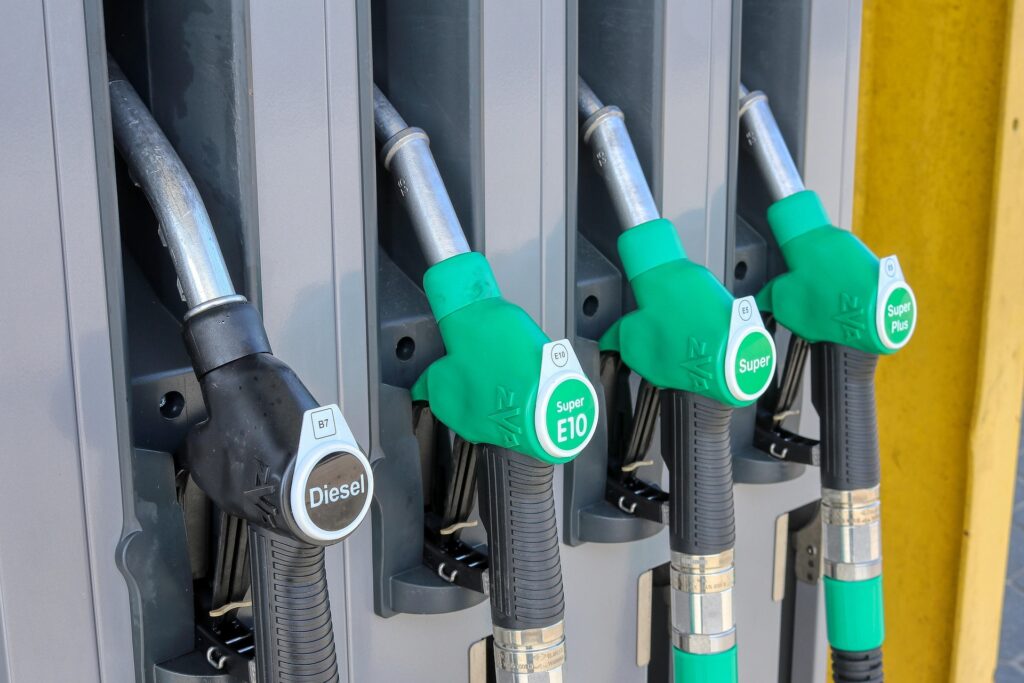
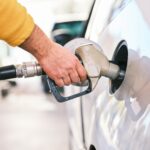
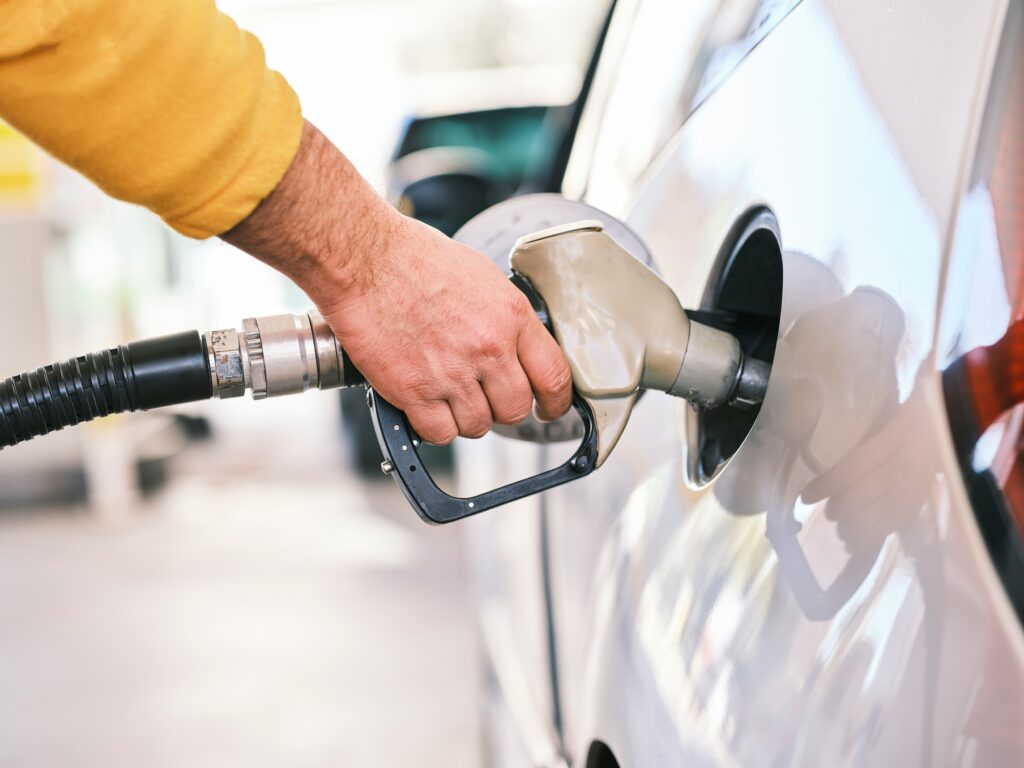
The current focus is on the continuation of interventions in fuel prices. In addition to the fact that the capped prices for the next two weeks are still somewhat higher than in the first intervention round, the news is that as of now, these limited prices will only apply to petrol stations located outside motorways. In this regard, the issue of “petrol tourism” has already become a topic, and many are wondering whether this will become even more pronounced with the upcoming increased traffic ahead of the Easter holidays. In other words, how much will the pressure of vehicles (possibly also freight) on local roads increase? There’s also the question of whether this could cause congestion and reduced availability at fuel stations for local consumers.
As of now, one litre of Eurosuper outside of motorways costs 1.62 euros, which is 12 cents more than it did, but without government intervention it would have increased by 21 cents. In the case of Eurodiesel, the price is 1.73 as of tonight, which is an increase of 18 cents, while without intervention it would have increased by 31 cents. The new prices are the result of a combination of a reduction in excise duties and a part of the fuel distributor’s premium.
At the same time, the scope for direct intervention in the price of blue diesel has been reduced because there are no excise duties on it. This means that compensatory measures are being taken for farmers and fishermen alike. The price of blue diesel, instead of the recent 0.89 euros, now stands at 1.19 euros, although without intervention it would have stood at 1.23 euros. Liquefied petroleum gas in tanks, on the other hand, costs 1.99 euros as of today, and bottled gas costs 2.75 euros. Market prices for LPG would also be slightly higher without the measures (they would be 2.07 and 2.77 euros, respectively).
electricity and gas
When it comes to electricity and gas prices, until recently the plan was to abandon subsidies, but things have of course changed. The existing electricity subsidies, which were due to expire at the end of March, are being extended for another half a year. As such, the price for electricity and gas for households and the public and non-profit sectors, as well as for certain business entities (according to the consumption threshold criterion), will remain the same until the end of September. The same applies to gas prices. With the previously ensured stability of supply until the end of September, a price increase has been prevented, with companies being told that they retain the right to guaranteed supply until a market contract is concluded by the end of September at the latest.
With regard to the price of gas, the government has stated that the situation is “constantly being monitored with the possibility of intervention”, and a few weeks ago, due to inflationary pressures, a decision was made to extend the reduced 5% VAT rate for gas and heating supplies and related fees until the end of the next heating season. That takes us all the way until the end of March 2027.
Likewise, the duration of the current support measure for around 125,000 vulnerable customers (beneficiaries of the guaranteed minimum wage, inclusive supplement, national allowance for the elderly and cash benefits for unemployed veterans) in the amount of 70 euros per month is being extended until the end of September.
a focus on supply and pricing
Croatia’s primary goal in the designing of these latest measures is to ensure the supply or availability of energy sources and affordable prices. This means the lowest possible price of electricity, gas and fuel for households and for the normal functioning of the economy. PM Andrej Plenković assured that the government would continue to monitor ongoing market developments, recalling that the crisis we are currently witnessing reflects “a structural disruption at a truly global level”.
Incidentally, as part of Croatia’s new measures, measures have also been prepared to support the sustainability of domestic public transport in the amount of eight million euros, or 0.16 euros per litre of diesel. That is being done with the aim of bridging the cost of fuel and preventing any increase in ticket prices, as well as to fully maintain less profitable lines.
The spring planting and sowing season is generally being marked by rising costs (mineral fertilisers are 20-25% more expensive, fuel is 10-15% more expensive, planting material is around 6% more expensive, and protective equipment is around 30% more expensive). In order to ease the rise in the price of blue diesel, farmers are being provided with support for field crops and fruit and vegetables, which will ease the recent increase in the price of blue diesel. The planned amount of support is 100 euros per hectare for the first ten and 50 euros for the second ten hectares. Support is also being provided for the fisheries and aquaculture sector, within the framework of EU guidelines for that sector, which also means prior approval by the European Commission (EC).
A six-month moratorium on repayment has been prepared for farmers, fishermen and small fuel distributors who use loans from the Croatian Agency for Small Business (around two and a half thousand HAMAG-BICRO loans are in repayment) and HBOR (677 loans worth one hundred million euros) in order to preserve liquidity.
strengthening croatia’s resilience to energy crises
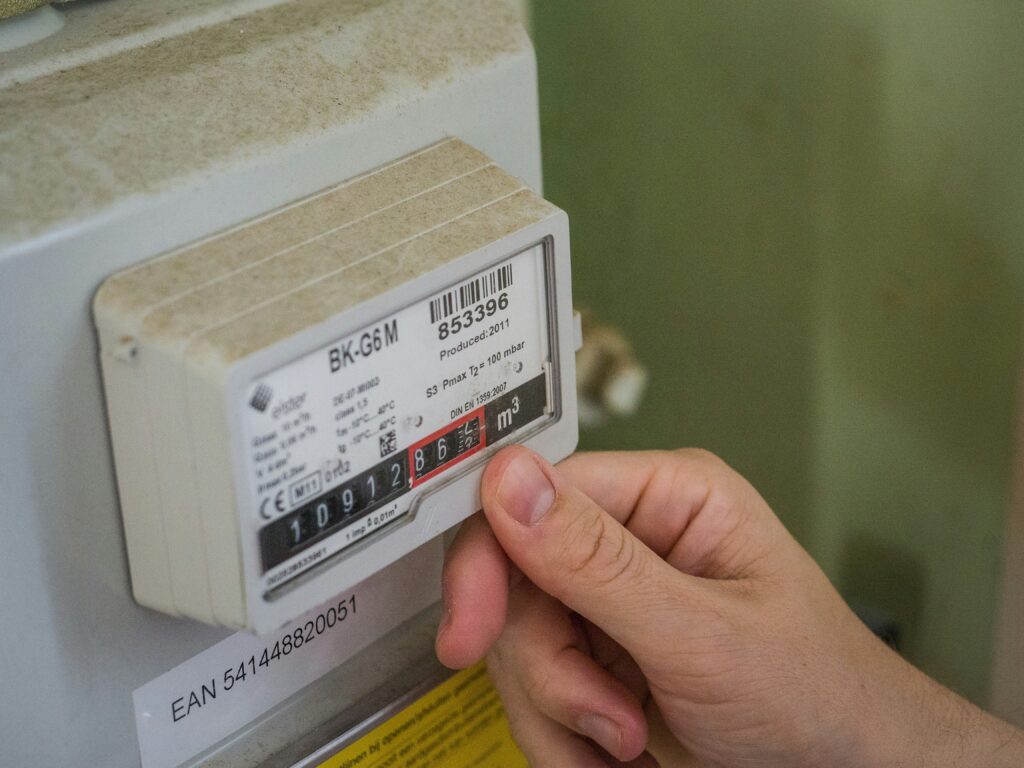
The most significant part of this, otherwise Croatia’s 10th package of measures in terms of value relates to the medium-term strengthening of resilience to the energy crisis and the promotion of the energy transition. For households, these primarily include programmes aimed at reducing overall dependence on fossil fuels and investing in renewable energy sources (RES), including co-financing heat pumps, photovoltaic power plants, batteries, and the like (up to 50% of investments, up to a maximum of 70%). RES is also in focus when it comes to agricultural entities, while for industry and entrepreneurship, the support provided primarily relates to compensation for the cost of CO₂ included in the price of electricity, investments in increasing efficiency and reducing emissions in district heating systems. The financing of the construction of geothermal systems is also included within this scope.
Business entities generally support Croatia’s latest set of measures, but they also emphasise that in these new and uncertain circumstances, it is particularly important to take into account the viability of small distributors of petroleum products. This is because they represent a crucial supply infrastructure in rural and agricultural areas and are the only available supply channel across very many areas. Price caps put some distributors in a situation where they’ll have to sell below the purchase price, which endangers their business and increases the risk of shortages in rural areas.