August the 27th, 2025 – An enormous investment totalling millions could alter the face of Slavonia permanently. What is attracting such huge sums lies under the ground.
Slavonia and eastern Croatia as a whole has become synonymous with demographic woes, economic hardship and being more or less left behind as the rest of the country experienced impressive post-war recovery. The Homeland War during which Croatia gained its hard earned independence drew to a close 30 years ago now, and yet eastern Croatia has, for the most part, been trapped in a time warp.
The vast, flat eastern plains were once the entire region’s fertile bread basket. Slavonia was always the old man and his land much like Dalmatia was always the old man and his fishing boat. In more recent times, it has produced some seriously impressive startups, attracted numerous investments and become known for its highly unlikely blossoming tech scene. The likes of Gideon have put Osijek, the region’s largest city, firmly on the map, with others having followed. Tourism has also sprouted, but it’s still impossible to compare to that down by the sea.
Despite progress that is of course worth celebrating, Slavonia has retained its reputation as a demographically, economically struggling region. In extremely stark contrast to the coastline and the islands, this very much forgotten part of Croatia lives in the increasingly long shadow of sun drenched Dalmatia and Istria. One huge investment, however, may change the face of Slavonia in a way little else could.
As Poslovni Dnevnik writes, the drilling of the first exploratory geothermal well has begun in Babina Greda, with the goal of building a power plant that will provide heating and plenty of employment. This cash injection may finally alter the trajectory of the chronically overlooked Slavonia.
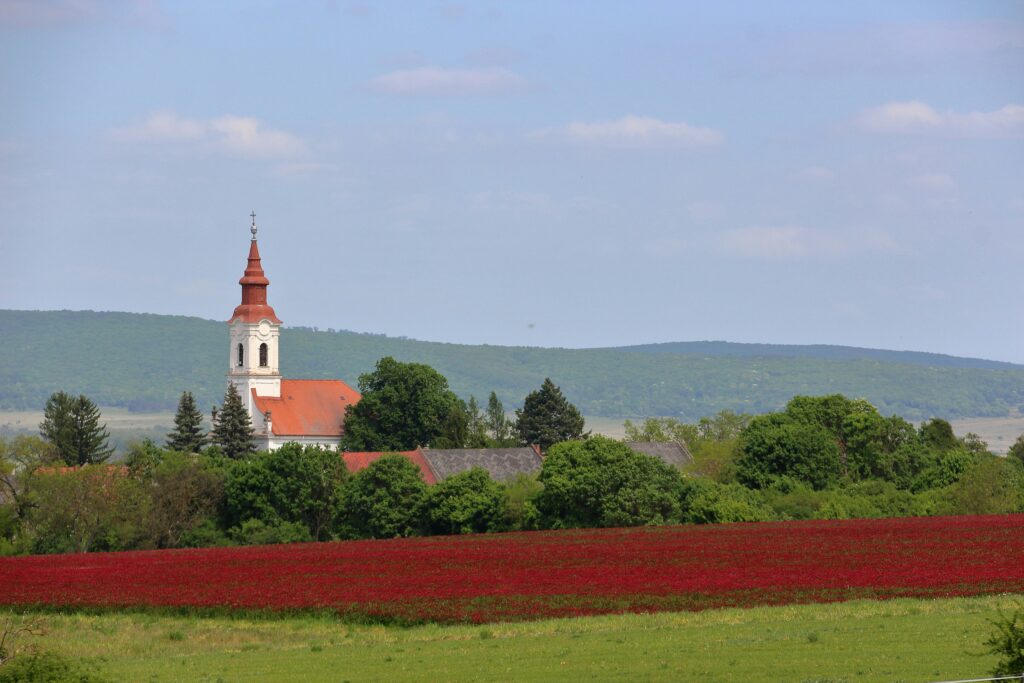
Beneath this field lies liquid treasure – groundwater that reaches more than 170 degrees at a depth of 3,850 metres. This will be the energy source for the new 15-megawatt power plant, according to a report from HRT.
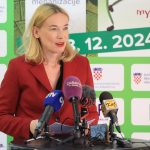
“The process of drilling a well is very demanding and expensive. We have the largest facility in Croatia that can drill to these depths. In order to prove that this well has sufficient geothermal water reserves, it will be necessary to drill three more wells and build a geothermal power plant,” explained Ivana Mejašić, director of the company ENNA Geo.
The value of the investment is estimated to stand at a huge 11 million euros, but without the cost to the municipality and county.
“I wish the contractors all the best so that they can actually find the water here that we’re looking for, that has both good pressure and high temperature,” said Darko Dimić, Deputy County Prefect of Vukovar-Srijem.
“Renewable energy projects are an imperative and part of the energy strategy for Croatia. They always have been, however, in the past few years they’ve gained particular importance due to the events that have occurred. Energy security primarily means the availability and sufficiency of one’s own energy,” said State Secretary Vedran Špehar, referencing the EU-wide aim of removing any and all reliance on Russian products.
In addition to electricity, Babina Greda could result in an array of other benefits – from heating households and greenhouses for growing vegetables to the development of spas and other forms of tourism for eastern Croatia.