
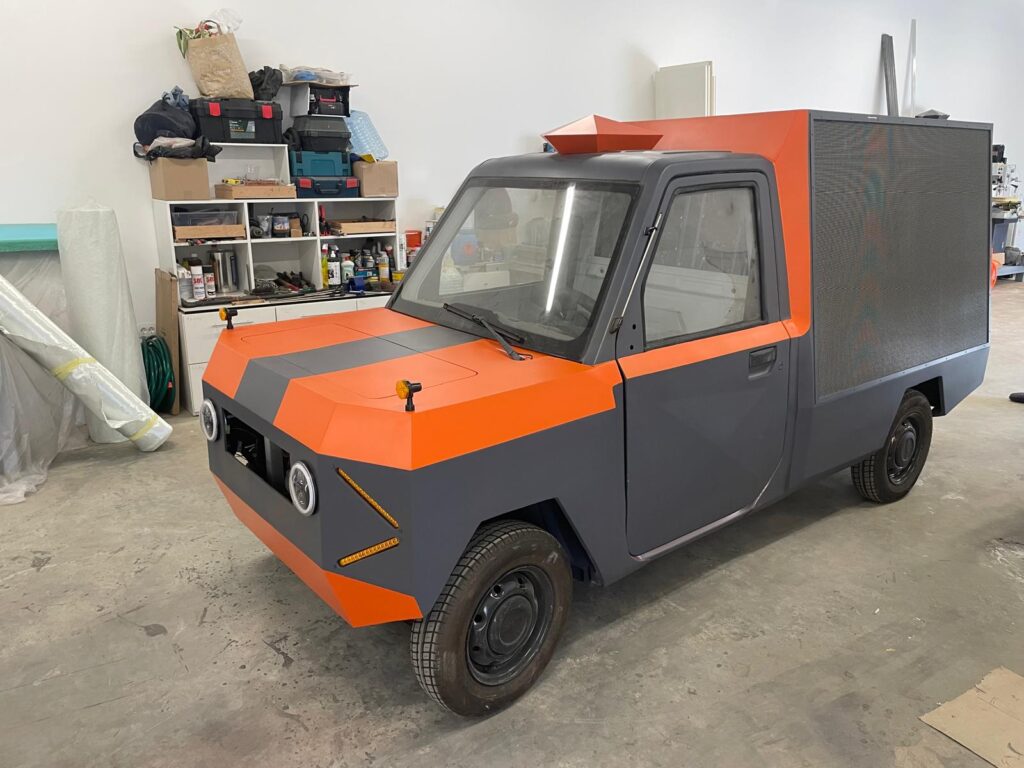
August the 21st, 2025 – Croatian innovation has been making waves in recent years, with the amazing MatanX taking the stage as the latest revolutionary e-vehicle.
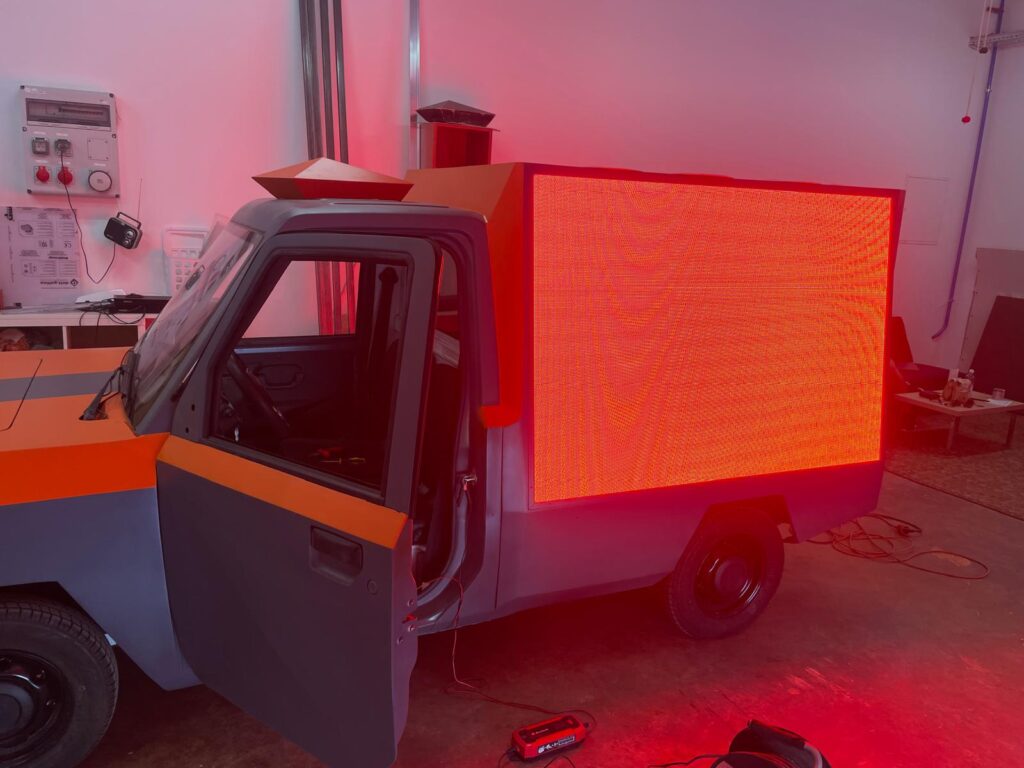
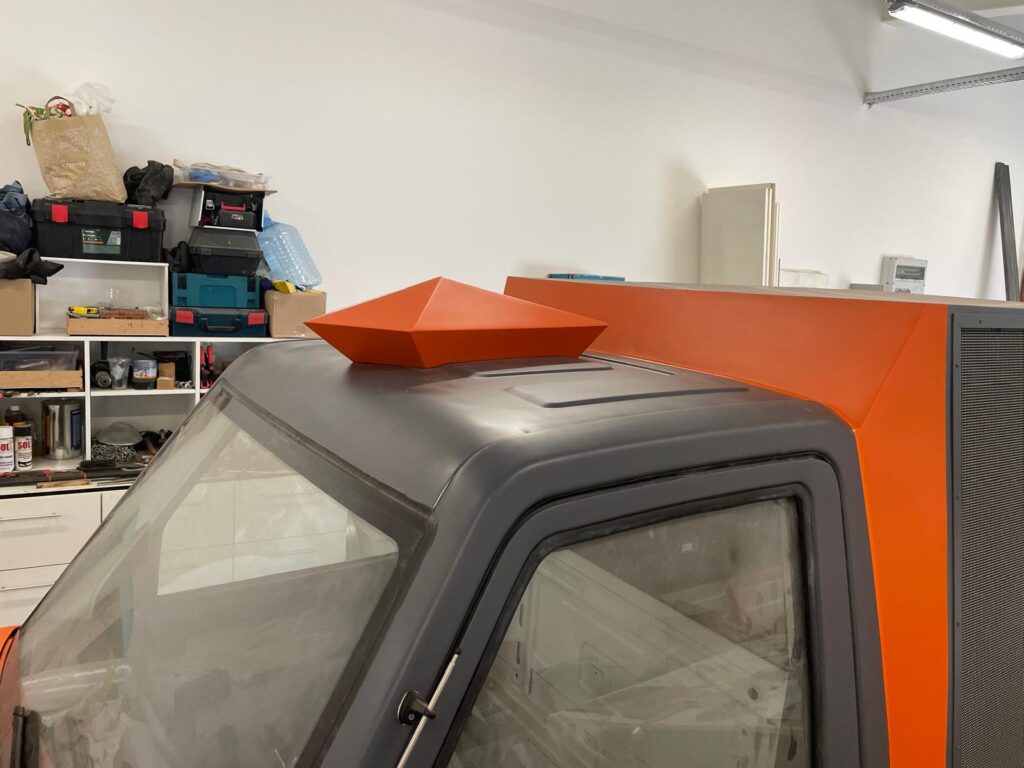
As Jutarnji/Novac/Karla Zupicic writes, something completely new is about to come out of the workshop in Zagreb’s Žitnjak. The innovative MatanX is a Croatian e-vehicle with a body made of industrial hemp. On the roof is an air pollution detection sensor that recognises a dozen harmful particles, and on each side is a large screen for advertisements by local entrepreneurs. The amazing MatanX is a project with Igor Kolovrat and his team behind it. In addition to the body and sensors made of hemp and the supporting structure made of steel and alluminum, they also took care of the non-flammable battery that they made and configured themselves, as well as the motor, the on-board charger and all the electronics.
hemp and higher sustainability
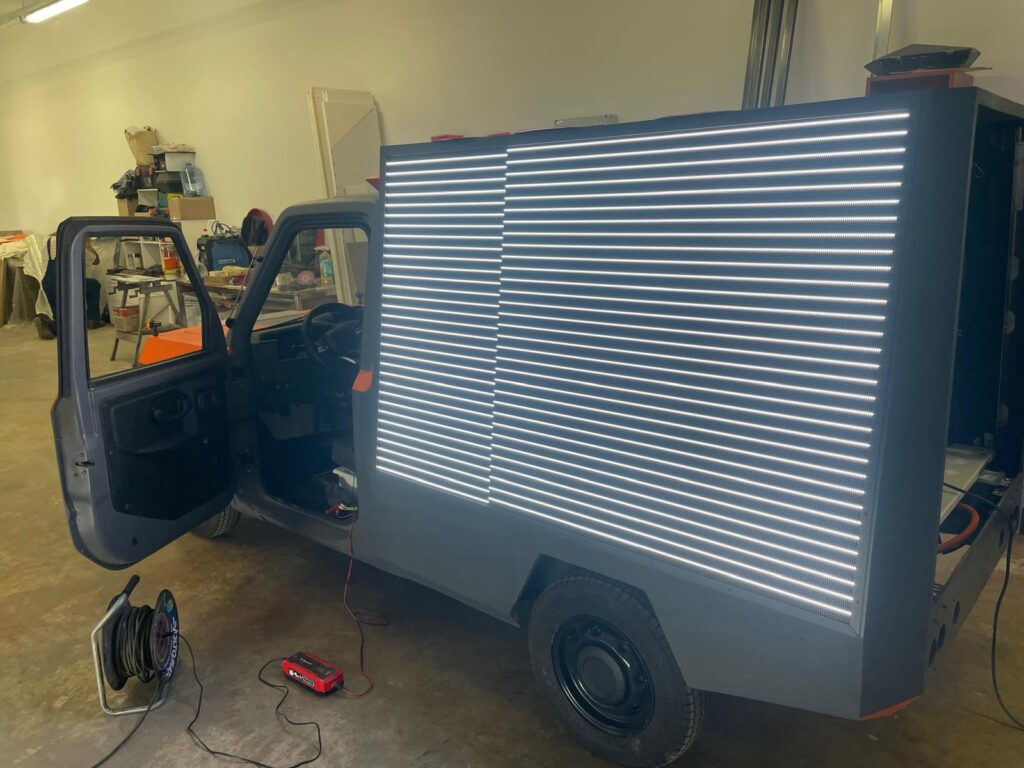
The MatanX Croatian e-vehicle only takes an hour to charge and will have USB slots where anyone can charge their mobile phone. Hemp is a very strong and durable material, being three and a half times stronger than plastic, and at the same time three times lighter. The total weight of the vehicle is 630 kilograms, and the load capacity is 750 kilograms. It can reach a maximum speed of 72 kilometres per hour, but it was designed for urban zones with a speed limit of 30 or 40 kilometres per hour.
“We want to make a positive impact on the community, so this low-carbon vehicle is made of biodegradable materials, and the business model supports the local economy by collaborating with local companies and small family farms. This is a sustainable alternative to today’s delivery model, which increasingly resembles a slave economy, while at the same time helping communities identify areas of increased pollution,” explained Igor Kolovrat, who made the first renderings of the future MatanX back in 2016. Years of research and experimentation followed to find the best way to make objects from hemp. He found literature on the internet from which he learned, and he also connected with enthusiasts from around the world to exchange ideas, knowledge and experience. He was also helped by local experts. In pandemic-dominated 2020, he made his first hemp granules.
“You have a bunch of engineers who are experts in a narrow field. For example, one of them is a master at making granulate, but plastic, while the other knows everything about hemp. This knowledge all had to be combined,” explained Igor Kolovrat.
After they created a life-size model of the vehicle, it took several months to prepare the first fibreglass molds, from which they create hemp body parts. Hardeners and epoxy resin are added to the granulate of this plant, and the production process itself is a combination of injection, infusion and vacuum – a method they also invented themselves. It’s important to find people who can bring an idea to you and who have qualities, just like Darko and Mladen,” said the proud Kolovrat, emphasising that Darko is the main engineer of the entire vehicle’s body.
The initial phase takes the longest, so the MatanX Croatian e-vehicle team hopes to grow the company from the current three vehicles to a fleet of 30 next year. That is what is needed to start the actual implementation of the business plan. They won’t sell them because they don’t have the capacity for it, nor is it worth it because the profit is higher if they keep MatanX for themselves and release it into the system.
why matanx?
The very name of the vehicle has a double meaning. On the one hand, it’s a link to his hometown of Imotski, and on the other, it is an abbreviation for Mobile Advanced Trade Advertising Network Exchange. They see it as an agent of the new age, which creates a network that connects partners and users. These vehicles are used for delivery, advertising and air quality measurement, and the cooperation is based on sales, not just distribution. The services will initially be performed by a team of employees, but the plan is to introduce car sharing so that people can also use MatanX for moving furniture and the like.
zagreb and amsterdam
The project started in Zagreb, as well as in Amsterdam because, as Kolovrat stated, the Netherlands is a backup homeland for him. He has his own company there, he has already talked to an institution that is interested in this project. At the same time, recently fifteen Dutch cities have banned fossil fuel vehicles from entering the centre of the city, which they see as a fantastic opportunity. In both countries, the emphasis will firmly be on fair business practices.
“We want to ensure fair wages and proper, quality working conditions for our drivers and associates. Just as we have designed a vehicle that is different from anything offered by the classic automotive industry, we’re also applying a completely new and fairer approach to the way we sell and distribute our products,” said Kolovrat.
advertising
They count on income from several sources – from subscriptions, ads, delivery and data on air pollution. Registered users will receive 250 hours of free driving and part of free advertising for 90 euros per year. The second part of the income will be from advertisements, which they charge at a price of 2 euros for 15 minutes. Depending on the target population, the vehicle can be used to visit heavily frequented areas, and the messages themselves will be intended for passing pedestrians, not other drivers. The plan is to divert part of this income from the collection and sale of air pollution data recorded by rooftop sensors. Although there is already a company in California engaged in this, the advantage of the MatanX Croatian e-vehicle is that it’s only a sporadic source of income. When everything is added up, Igor Kolovrat explained that they expect a return on the investment of 20,000 euros per vehicle within about ten months.
Although they’re planning other, customised versions of this innovative vehicle, such as tourist ones that will not have screens, Kolovrat pointed out that the hemp car was never a goal in and of itself. This is just a way to show people what can be made from this versatile material. They’ve already managed to produce cups from hemp fibres that at first glance are very similar to plastic.
“We’re looking forward to future challenges and people’s reactions to the vehicle because they’ll certainly be divided. Some will like it, and some will find this orange-grey checkered design ugly. In any case, the point was to provoke reactions because if there are none, we may as well not have bothered doing anything at all,” concluded Igor Kolovrat.