
November the 10th, 06 – Pula has won the title of the best 15-minute city in the region, with around 60% of the people in this city getting from A to B within a quarter of an hour.
As many as 60% of Pula residents get from A to B within a quarter of an hour. In contrast, in Zagreb, more than 80% of citizens travel for much longer. There’s a coastal Croatian city in which one reaches their job, school, family obligations and more, all in the time it often takes a resident of Zagreb to leave a car park. Poslovni reports that this remains the case even as a city that receives hundreds of thousands of visitors from all over the world in summer. In spite of that, it has preserved what most European cities have long since lost – order and peace on the roads. That city didn’t win only in Croatia, as this Friendly City Index research spans 62 cities across 11 countries.
pula takes first place
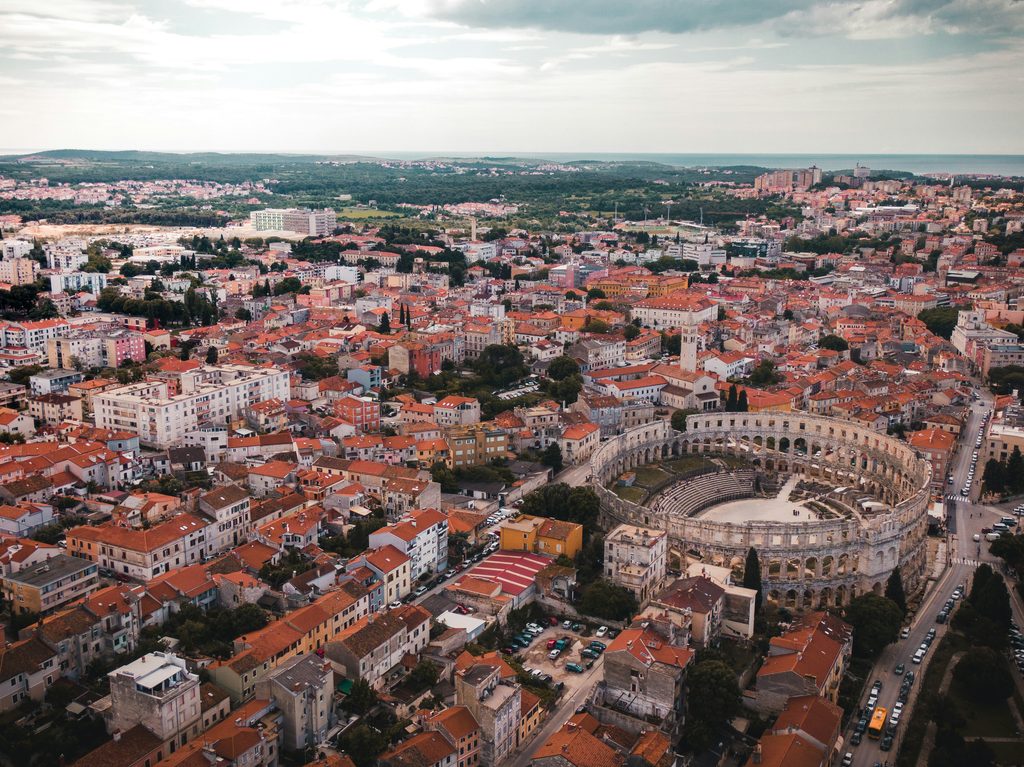
The biggest city in Istria was victorious among 62 cities. This is because as many as 60 percent of surveyed Pula residents manage to reach most of their everyday destinations within 15 minutes. The research , which was carried out by Syno International in 62 cities across Croatia, the Czech Republic, Estonia, Latvia, Lithuania, Poland, Romania, Slovakia, Ukraine, Bulgaria and Azerbaijan, show that Pula residents live the everyday life that many desire: one in which less time goes on travel, and more remains for and free time.
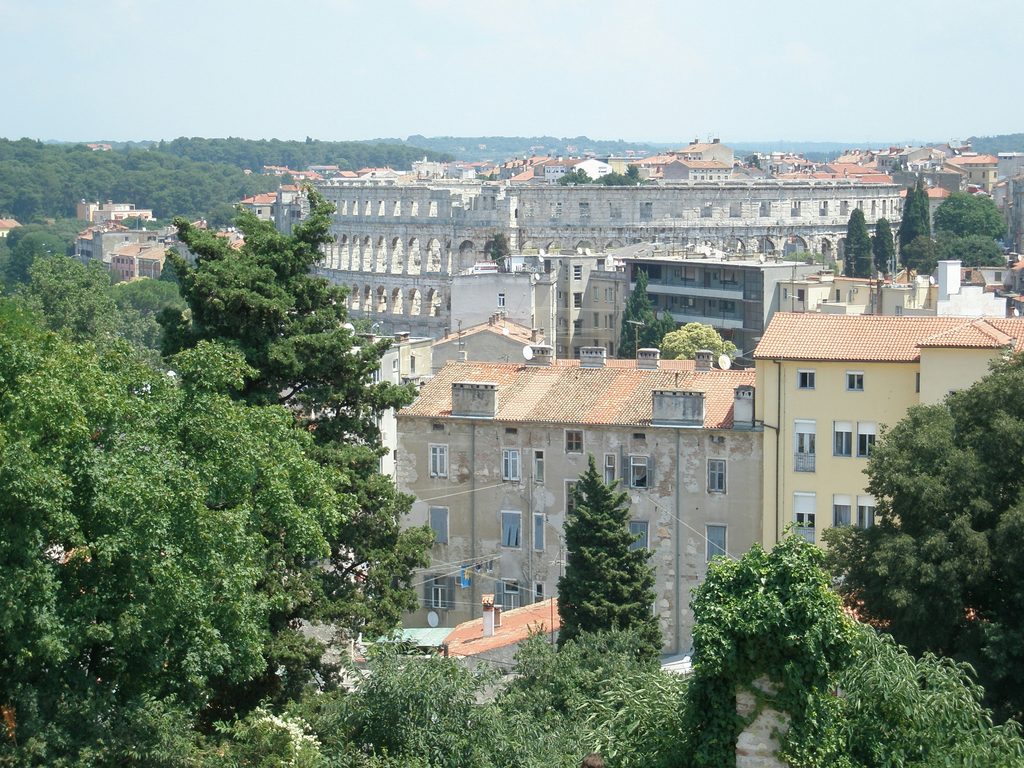
“Pula was packed with events this summer, and thousands of visitors from all over the world week after week filled the Pula Arena at concerts of the biggest music stars. Despite the hustle and bustle, tourists and the expected crowds of the peak summer season, the average Bolt ride lasted 11 minutes, and almost 80 percent of all rides finished in less than 15 minutes. Our mobility and user movement data thereby additionally confirm what Pula residents highlighted in the Friendly City Index research: Pula is indeed a 15-minute city,” said Sanja Babić. Such a city rhythm is not a coincidence. Short distances and roundabouts, which in Pula at many key intersections have replaced traffic lights and enable more fluid traffic without long waiting, make Pula an example of how urban mobility can be simple and efficient.
zagreb remains the croatian record holder… at the very bottom of the list
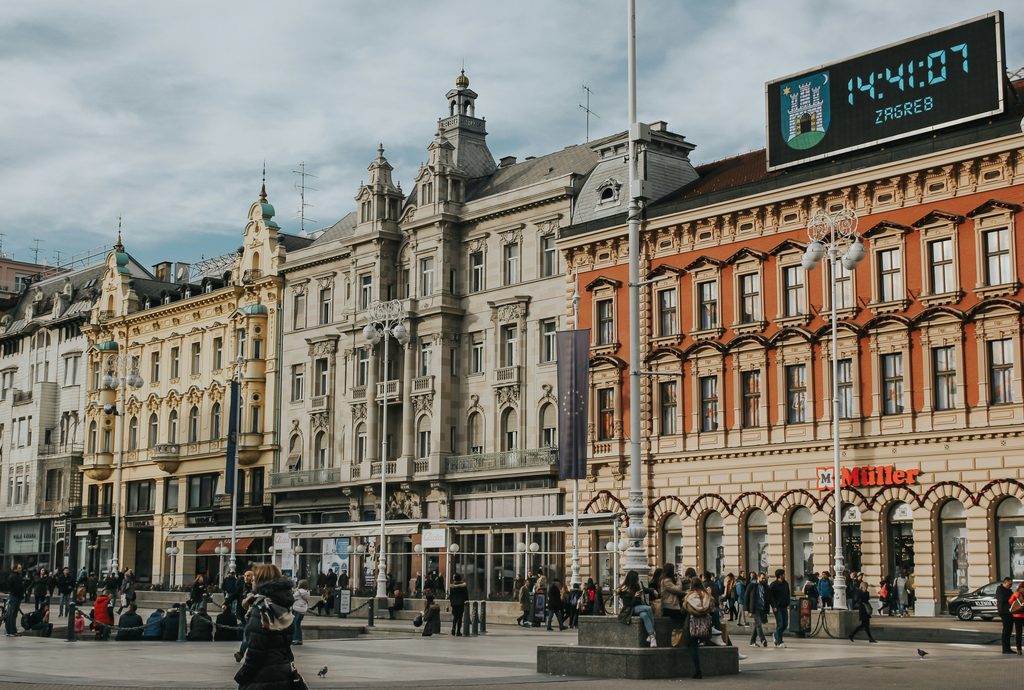
Zagreb failed the 15-minute city test, and rather catastrophically so. The majority of surveyed Zagreb residents consider that the capital is still far from the vision of a city within a quarter of an hour’s reach, so it found itself at the bottom of the ranking, in 50th place, with a result of 18 percent. A surprise also came in the form of Zadar, which last year led the regional ranking with approximately 54 percent of respondents, and this year fell to ninth place, with 46 percent. This year’s analysis was also expanded to Pula and Dubrovnik, whereby the number of covered Croatian cities was increased from five to seven. In addition to first-placed Pula, Split occupies fourth and Osijek fifth place, both with a result of 50 percent. They were followed by Zadar, Rijeka in 16th place with 38 percent, Dubrovnik in 38th place with 23 percent, and Zagreb as the last among Croatian cities.
pula beats bucharest
The Friendly City Index research, in which residents of 62 cities in 11 countries assessed whether they reach their everyday destinations within 15 minutes, showed that at the opposite end of the ranking from the winner Pula is Romanian Bucharest, which took last place in the research. In Bucharest only six percent of residents reach destinations within a quarter of an hour, which means that that share in Pula is as much as ten times higher than in the Romanian capital. Among the capital cities Bratislava fared the best, but even it with a result of 26 percent occupies only 30th place in the overall ranking.
what is the Friendly City Index?
The Friendly City Index is an international research that compares the quality of life in cities of Central and Eastern Europe as the residents themselves see it: how much time they need to work, educational, health and sports facilities or the shop, how close green areas are to them, what the cycling and traffic infrastructure is like. The research was conducted on Bolt’s initiative by the company Syno International, and this year’s edition covers 62 cities in 11 countries: Croatia, the Czech Republic, Estonia, Latvia, Lithuania, Poland, Romania, Slovakia, Ukraine, Bulgaria and Azerbaijan. The ranking of 15-minute cities is based on the share of respondents who reach most everyday destinations within a quarter of an hour.
People who still want to live in cities move into them primarily because of practicality, but the accelerated growth and development of cities can make everyday life much more challenging. That’s why the concept of the 15-minute city is a good check of what the real situation is. It shows where cities succeed, and where there is room for improvement. The recipe for success is almost universal – fewer crowds, better public transport and more available alternatives to the private car. If people daily spend more time travelling, that indicates the negative consequences of urban planning that ultimately reflect on the quality of life, from the household budget to health.