
April the 13th, 2026 – The tourist season is now rapidly approaching. How many workers will the Croatian tourism sector require this summer, and what sort of season will it actually be?
As Poslovni Dnevnik writes, many are choosing to remain cautious in their forecasts ahead of the start of the main tourist season in Croatia, which will likely be affected by the situation across the Middle East, as well as general geopolitical uncertainty. There’s no particularly outward optimism among experts.
croatia’s upgraded image resulted in heavier reliance on air traffic
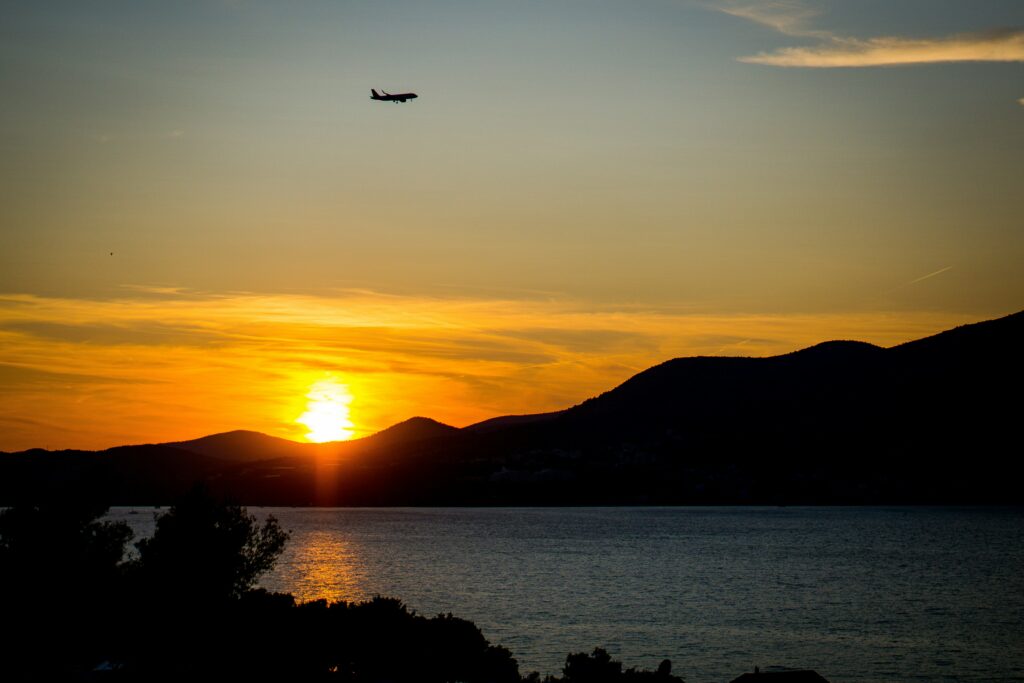
Croatia is in a fantastic geographical position and many can therefore drive to it, but it remains a predominantly air destination owing to its geographical distance of its main emitting markets. The structure of guest arrivals, which on average spend more, also sees things sway in the direction of air traffic.
Previously, the Croatian Adriatic was extremely dependent on guests arriving by car, mostly from Austria and Germany. Over the years, their share has decreased significantly in favour of higher paying guests and Croatia’s constantly “upgraded” image in terms of a country to visit. This therefore implies air traffic.
Today, Croatia is far more dependent on air arrivals, which makes it more sensitive to developments in aviation, fuel prices and the general perception of travel safety. People are right to ask just what kind of season awaits the country this year, given Donald Trump’s disastrous actions.
a new reality…
The period of extremely strong demand that marked 2023 and 2024, driven by a sudden return to travel after the coronavirus pandemic, is gradually fading.
The market is now stabilising and entering a new reality of sorts, with a slowdown in bookings that was noticeable even before the latest geopolitical tensions took hold. This trend isn’t solely the result of high prices that have dogged Croatia, but also a broader sense of insecurity among European travellers, who are planning their trips with increasing levels of caution. In addition, issues like the ongoing economic slowdown in Germany, Croatia’s key source market, as well as the general uncertainty related to the war in Ukraine are encouraging potential guests to exercise even more caution.
Today’s average guest is still planning a trip, but is waiting until the last minute to book, unsure of how the situation will develop in the coming months. All of the above will also affect the demand for workers, and just how many workers the Croatian tourism sector will require this year has a huge question mark over its head. Given that foreign workers have been propping the season up for several years now, this renders the issue even more pressing.
how many workers will the croatian tourism sector really need this summer?

According to data released by the Croatian Employment Service (CES), back in 2025, a total of 18,435 workers were sought in various seasonal job positions in the tourism sector. Of these, 13,528 people were employed, the largest number of whom were employed in the accommodation and food preparation and serving, and then in the wholesale and retail sectors.
The greatest demand by far was for waiters, cooks, cleaners and valets, and although the largest number of workers were employed in these occupations, demand still remained higher than the employment realised. For seasonal roles such as kitchen workers, assistant waiters and so on, more pronounced labour shortages were recorded, which confirms the continuing challenge of finding seasonal workers throughout 2025.
foreign workers propped up the season

Foreign workers should also be added to this number of seasonal employees. Out of a total of 170,723 work permits issued to foreigners in 2025, 20,083 of them were for seasonal jobs.
For the 2026 season, it is estimated that the engagement of seasonal workers could increase by an additional 5,000. Although calculations show that foreign workers often ultimately represent a higher cost for employers compared to domestic labour, their employment has become necessary to ensure smooth business operations during the summer months.
The lack of workers in previous seasons has already led to situations in which some restaurants were forced to close their doors in the middle of summer.