
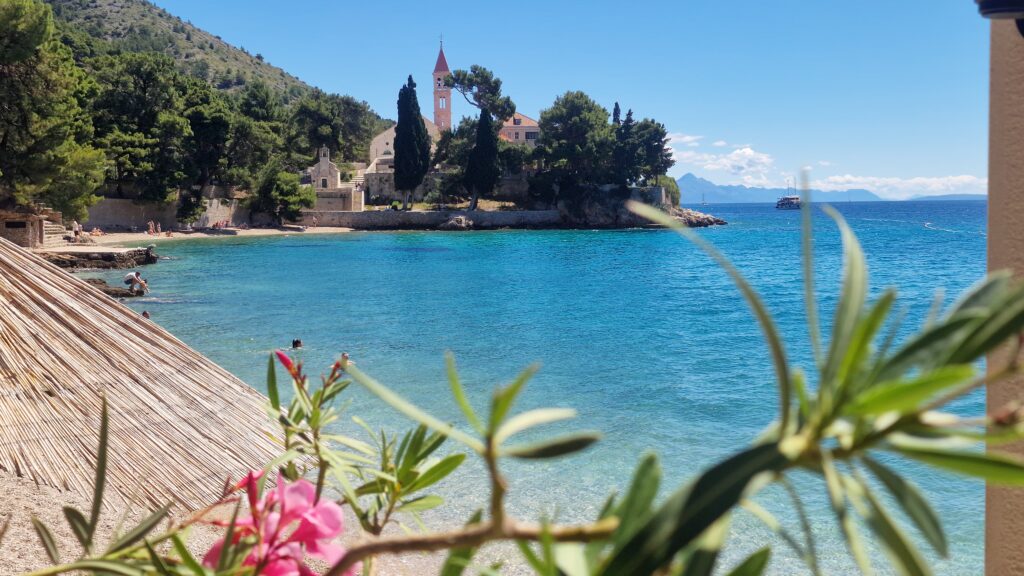
June the 8th, 2026 – In Croatia, there’s a very specific type of local tourism you won’t find anywhere else in the world, trust me!
It’s not a boat excursion, it’s not promoted by tourist boards, and you’ll most likely experience it without any warning, right as you step off the ferry, out of the airport, or from the train station. Let’s call it the “taxi experience”, a seasonal programme that includes a fast ride, a surprising price, and the lasting impression that you’ve just become part of someone’s private business experiment.
In this game, which repeats itself every year, there are three main characters. The first is the tourist, usually exhausted, dragging suitcases, a bit lost, and prone to believing that a welcome should be polite rather than charged as a premium service. The second is the taxi driver, who isn’t necessarily evil, but has clearly decided that tourist season is the time to take double (or more). And the third is silence, or rather, the system that watches, records, but rarely acts. This trio is enough to create the perfect storm: crowds, profit, and untouchable silence.
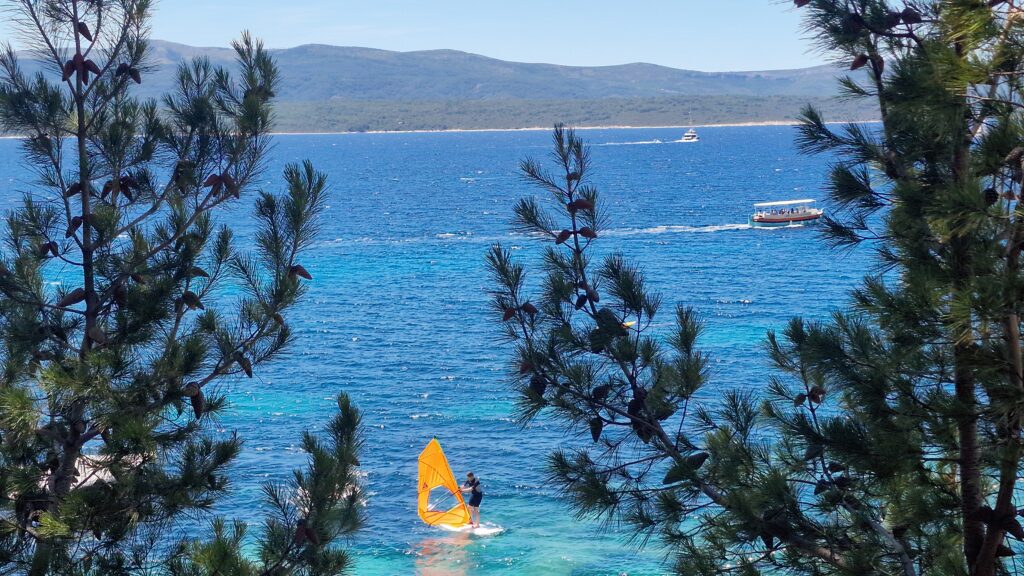
After a delayed flight, I arrived in Supetar on the island of Brač, just when no normal bus (Arriva) was running anymore to the famous Bol, known for the Zlatni rat beach. An older gentleman with thick “island ashtray-style” glasses approached me and offered a ride for no less than 100 euros for 35 kilometers of empty road. When I spoke back to him in clear Slavonian Croatian, he kindly lowered the price to 80 euros for his fellow countryman. I felt like Alice in Wonderland. I couldn’t believe such taxi prices even existed. In shock, I waved him off and started wondering how this would even be possible in a normal EU country. Then I remembered that we’re clearly not a normal EU country, because if we were, some kind of order would have to exist.
While I sat on a bench with the sea breeze in my hair, calling someone on my phone, the man already had several foreign victims in his van. They didn’t complain about the price because the poor souls would only find out at the end of the journey, and would probably be shocked or shed a tear, just like that unfortunate passenger in Zagreb the other day. “The card accepts everything, just a tap and it’s paid!” And now what?
The whole concept works on a simple principle: if the tourist is a foreigner, has luggage, doesn’t have the app, doesn’t know the price, and seems to be in a hurry, then it’s the perfect opportunity. Distance doesn’t matter. The taximeter doesn’t matter. What matters is the impression: “This is a fixed price,” “This is normal,” “Everyone does it this way.” And when the final amount appears at the end of the ride, sounding like you just crossed half of Europe when you only went one street, you realise you’ve become part of a local tradition. A tradition called “skinning” (“guljenje”), which is especially characteristic of Croatia.
What’s even worse is that all of this happens in ferry ports, at airports, in crowds, at the exact moment when a person is most vulnerable, at the end of a long day of travel. How pathetic it sounds, exploiting passengers under the guise of good service. By the time you cool down, it’s already too late, because rides of five kilometres can cost a hundred euros.
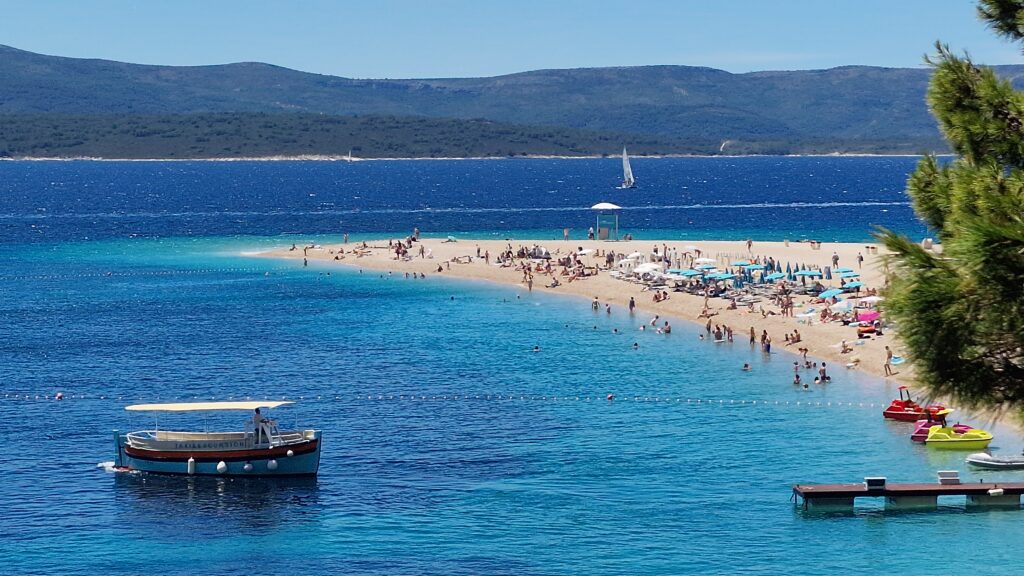
In the Supetar ferry port, there’s no Uber, Wizi, or Bolt. Somehow the local mafia has managed to block or stop these companies so they don’t offer lower prices and become competition. I managed to book an Uber for 27 euros, which I found acceptable, but the driver acted like he didn’t exist — he simply refused to accept the ride! In the end, I got to the hotel for ten euros (the price of a drink), which I paid to a transfer company driver who was heading back to Bol and happened to witness my verbal clash with the man who wanted to skin me for eighty euros.
We present ourselves as a destination that lives off hospitality. In Croatia, hospitality has become prey, and neither the sun nor the sea can wash away that impression, because our guests don’t only remember the price, but also the feeling: whether they were treated as a guest or as a fool.
Welcome to the Adriatic, let us skin you!