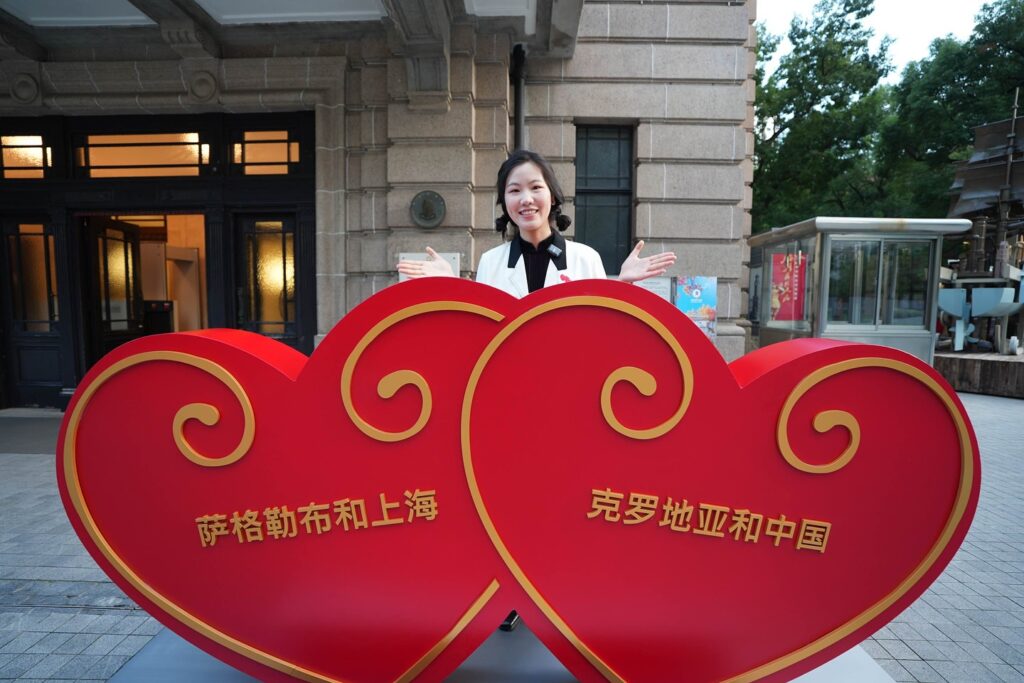
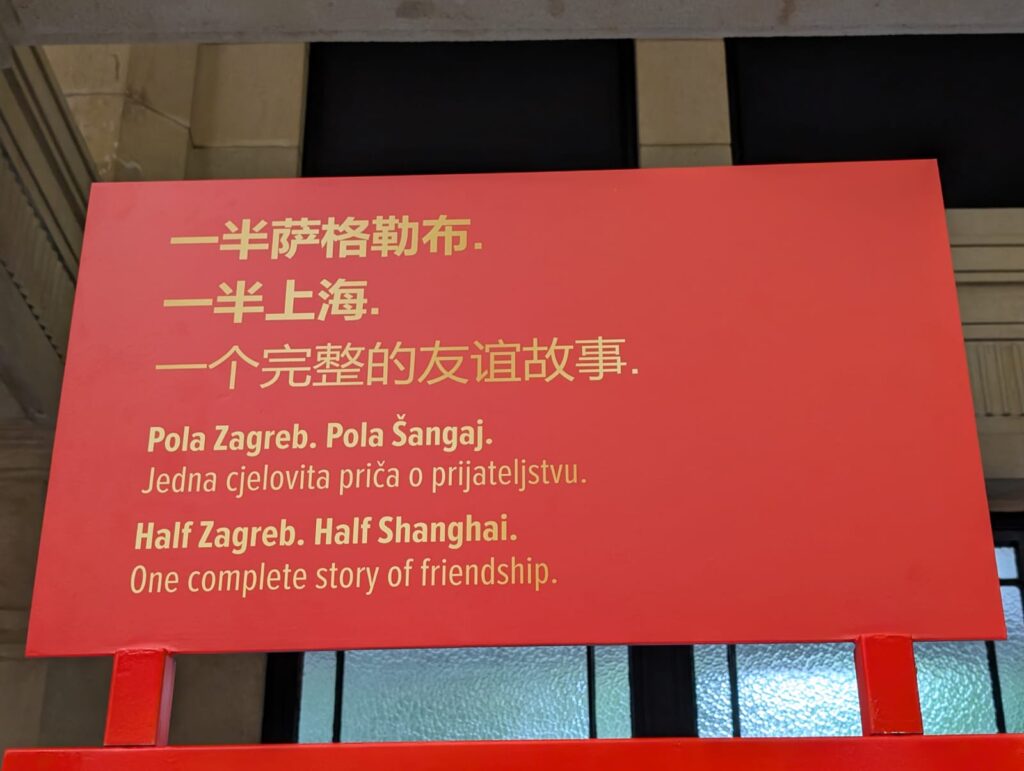
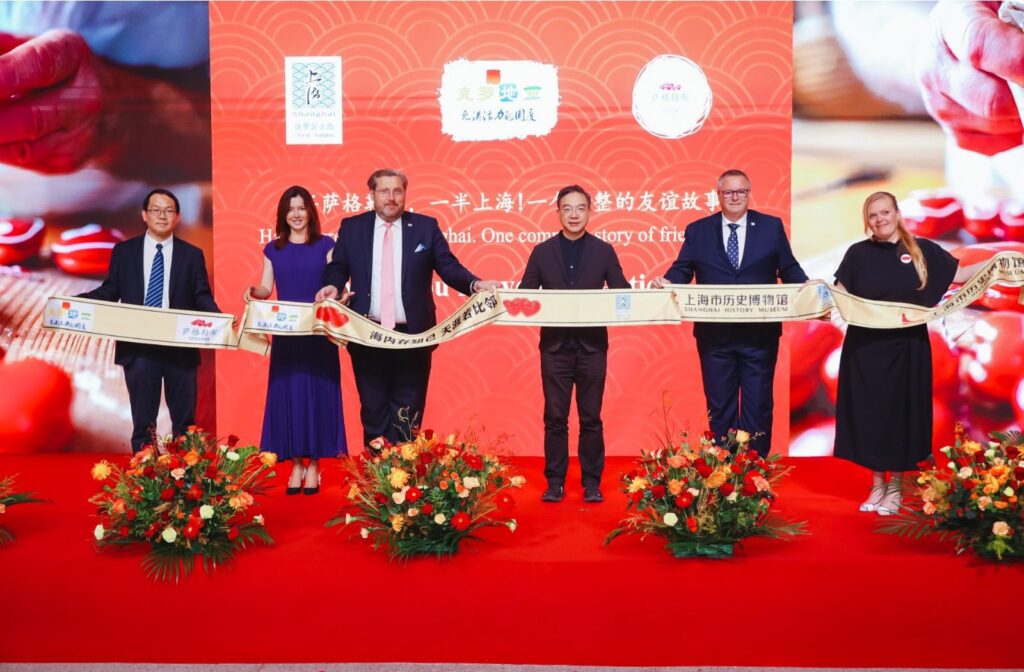
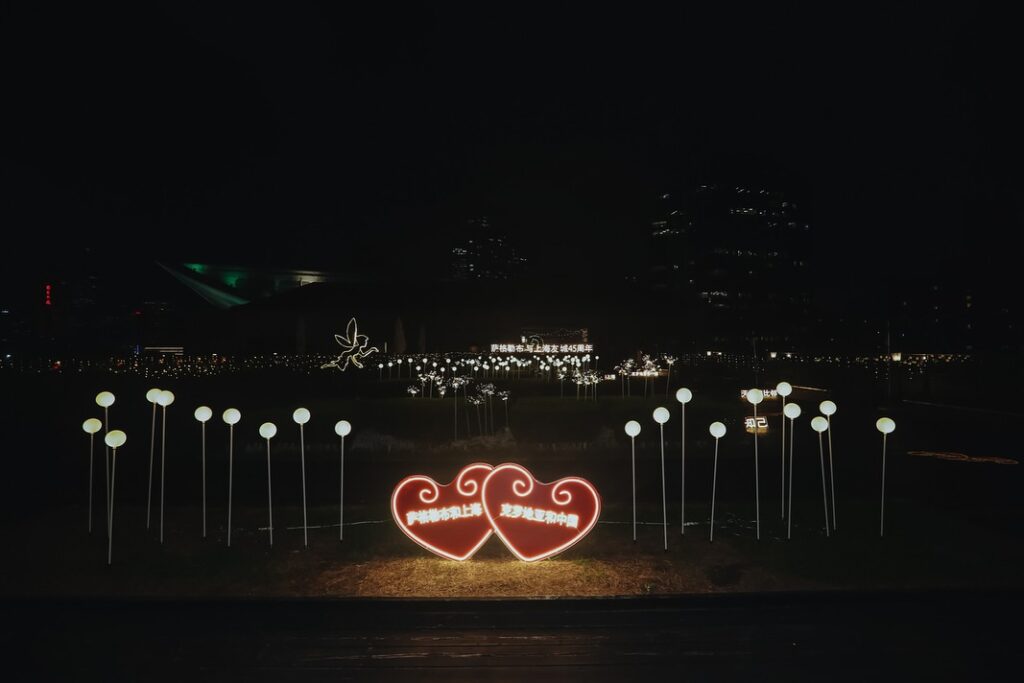
September 23, 2025 – Zagreb continues to raise its profile on the international stage, this time in China, with a ceremony marking 45 years of friendship between Zagreb and Shanghai.
Since my first two trips to China earlier this year, I have been taking more of an interest in Croatia’s dealings with China, especially with the huge potential of tourism out of the peak season. While a lot more proactive efforts could be made, it is heartening to see that the City of Zagreb is once again active on the global stage. The Croatian capital is perhaps not the first place people think of when they think about Croatian tourism, but Zagreb tourism has improved exponentially in the last decade. As a resident of the last five years, it is so refreshing to live in a major city and tourist destination where tourism coexists, rather than dominates the destination, as elsewhere, especially on the coast.

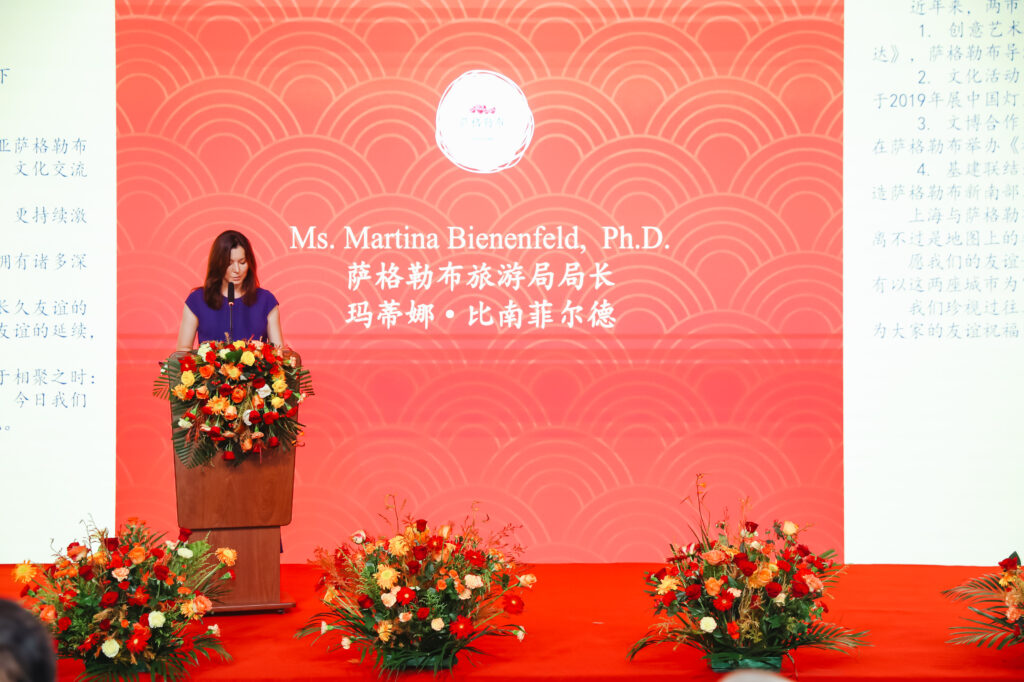
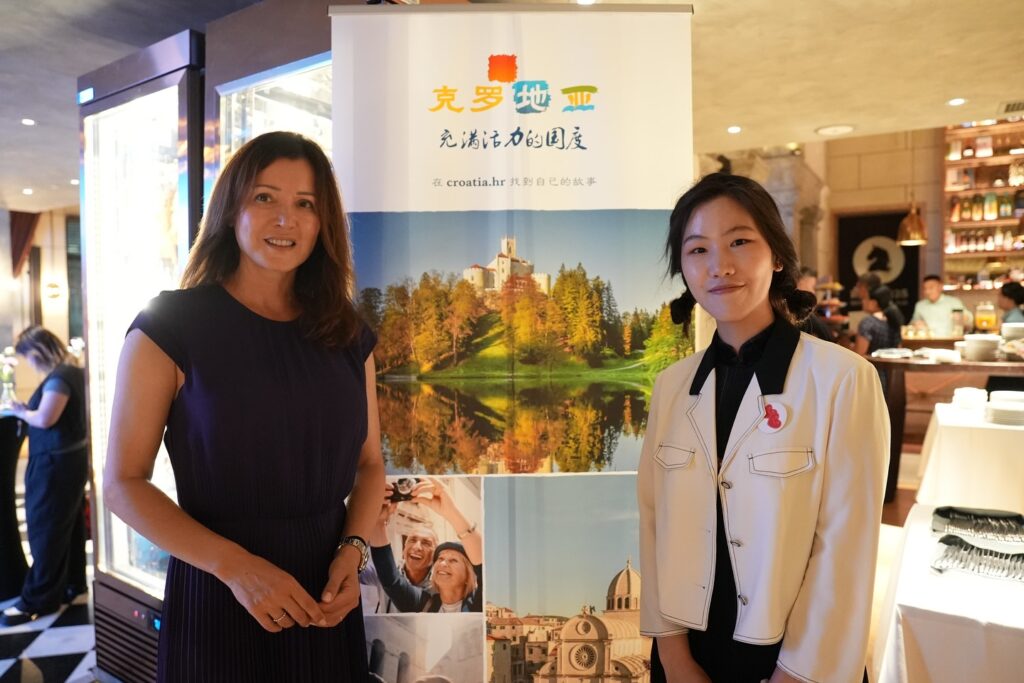
The 45 years of friendship between Zagreb and Shanghai was attended by Zagreb Tourist Board director, Martina Bienenfeld, who has been very active in several major international markets on various continents pushing the Zagreb story. I only became aware of the event thanks to the reporting of my Chinese friend Vera, who I met earlier this year – there was considerable excitement on the Chinese side about the partnership.
While Zagreb and Shanghai may not seem to be the most obvious brothers at first sight. But there are several connections, particularly in culture, nature and lifestyle, and Shanghai, for example, has been a strong exponent of Zagreb culture, hosting the Museum of Broken Relationships, Museum of Ilusions and 80s Museum, for example. Other similarities include:
Magnolia – the official flower of Shanghai, and in Zagreb magnolias are also a symbol of spring (especially at King Tomislav Square and the Botanical Garden).
Chestnut – the official symbol of Zagreb, while in Shanghai there is a long tradition of street vendors selling roasted chestnuts in winter.
Flower festivals – both cities have parks and boulevards that become photographic attractions during blooming season.
Red – in Chinese culture symbolizes happiness and success; in Zagreb, red appears in the coat of arms (the red field of the checkerboard) and is often present at festive occasions.
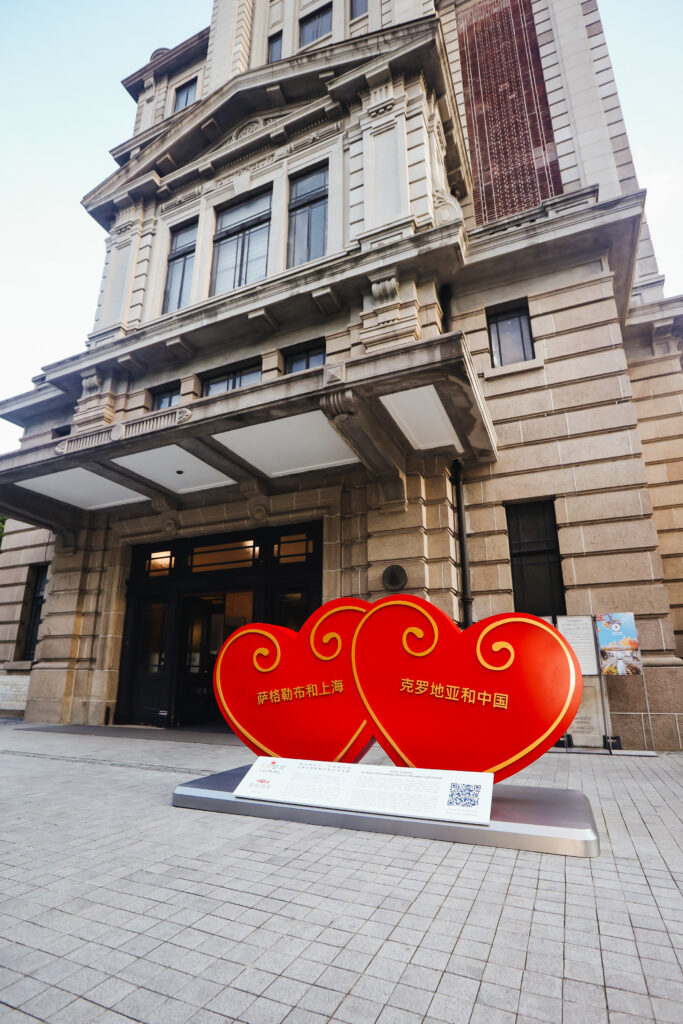
Gold – in Shanghai symbolizes wealth and prestige; in Zagreb it can be seen on historic buildings, facades, and cultural institutions.
Bridges and rivers – Shanghai on the Huangpu River, Zagreb on the Sava – both rivers carry strong symbolic and identity significance.
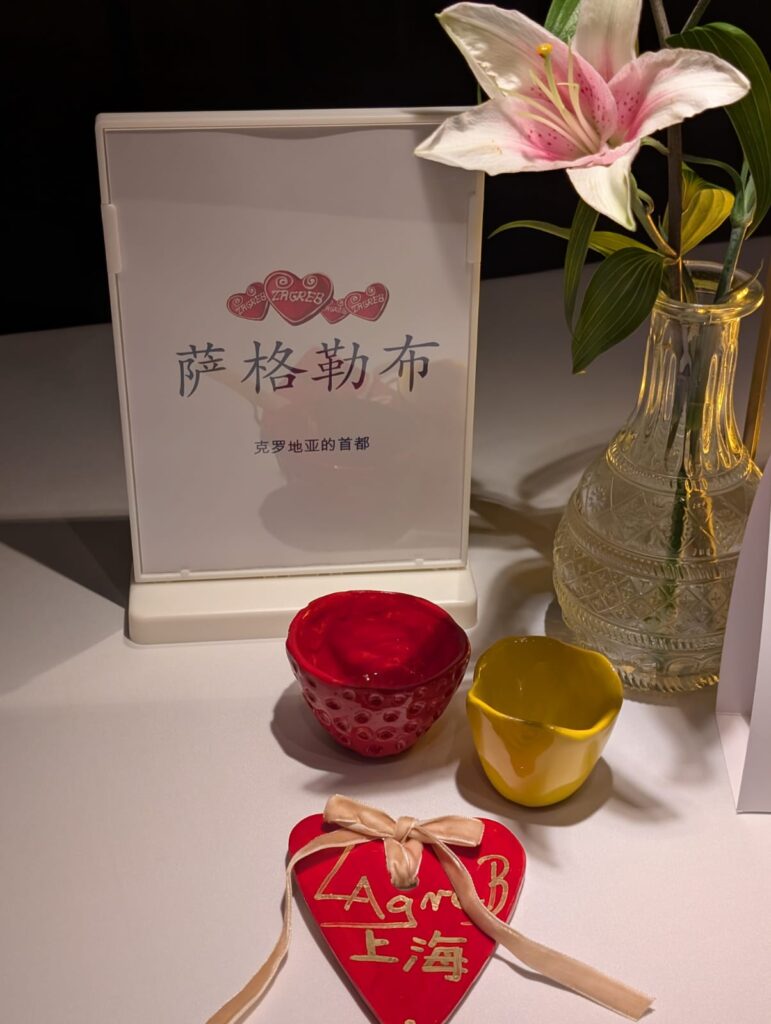
Combination of tradition and modernity – Shanghai blends colonial districts with futuristic skyscrapers; Zagreb combines Secession palaces with modern business districts.
Café and social culture – in Shanghai, teahouses and modern café concepts; in Zagreb, the tradition of long coffee breaks on terraces.
Seasonal gastronomy – both cities highlight seasonal specialties (in Zagreb štrukli, chestnuts, turkey with mlinci; in Shanghai dumplings, duck dishes, spring bamboo).
Pedestrian zones – Nanjing Road in Shanghai and Ilica/Tkalčićeva/Zrinjevac in Zagreb attract locals and tourists for walking, shopping, and socializing.
Parks and green oases – Shanghai has Fuxing and Century Park; Zagreb has Maksimir and the Botanical Garden.
Umbrella – in Shanghai, rain often comes unexpectedly and umbrellas are a fashion accessory; in Zagreb, a similar story in spring and autumn.
Bicycle – in both Shanghai and Zagreb, bike-friendly routes are expanding, and the bicycle symbolizes freedom of movement.
Festival of Light – Shanghai International Light Festival (also known as Shanghai Light and Sound Show) is a spectacle of light, projections, and interactive installations held every autumn and winter, peaking around Golden Week and Chinese New Year. Zagreb has its own Festival of Lights in spring, transforming the city with light installations.
Musical identity – Shanghai is renowned for its jazz scene (since the 1930s), while Zagreb is known for the Zagreb Festival and its jazz clubs.