December the 11th, 2025 – Croatia’s southernmost fortress sits at the very border with Montenegro and is home to a secretive underground tunnel network. Synonymous with the Homeland War, Prevlaka is more than what meets the eye.
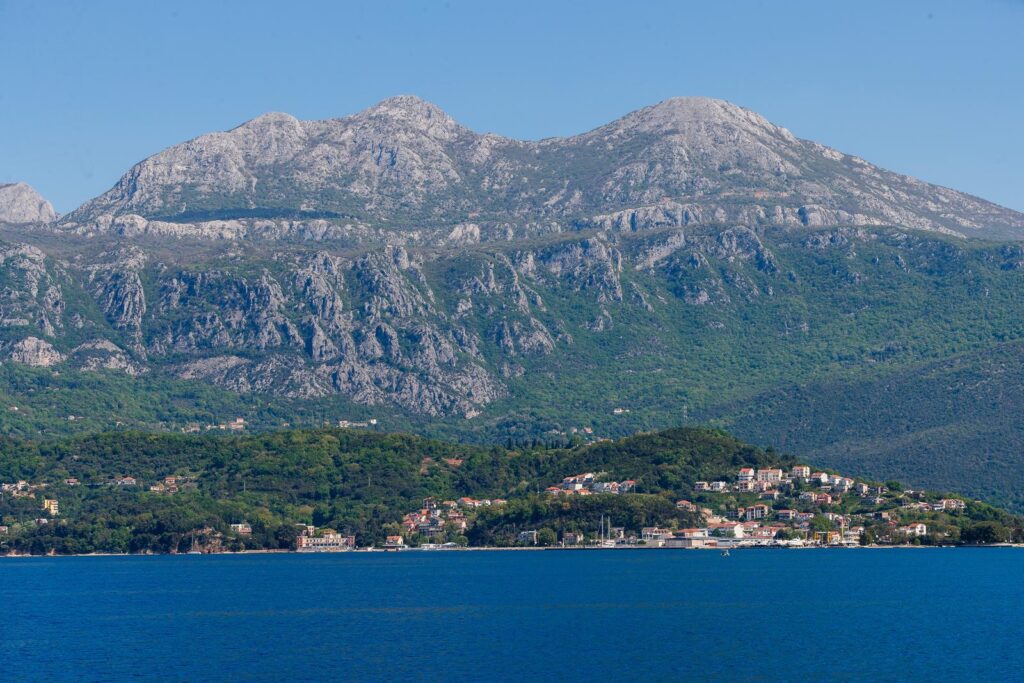
As Putni kofer writes, Croatia’s southernmost fortress sits on Prevlaka, a rugged peninsula at the very entrance to the Bay of Kotor, on the Croatian border with Montenegro. It is the southernmost mainland point of Croatia, with the only part of the country located even further south being the islet of Galijula.
sweeping views of the montenegrin coast
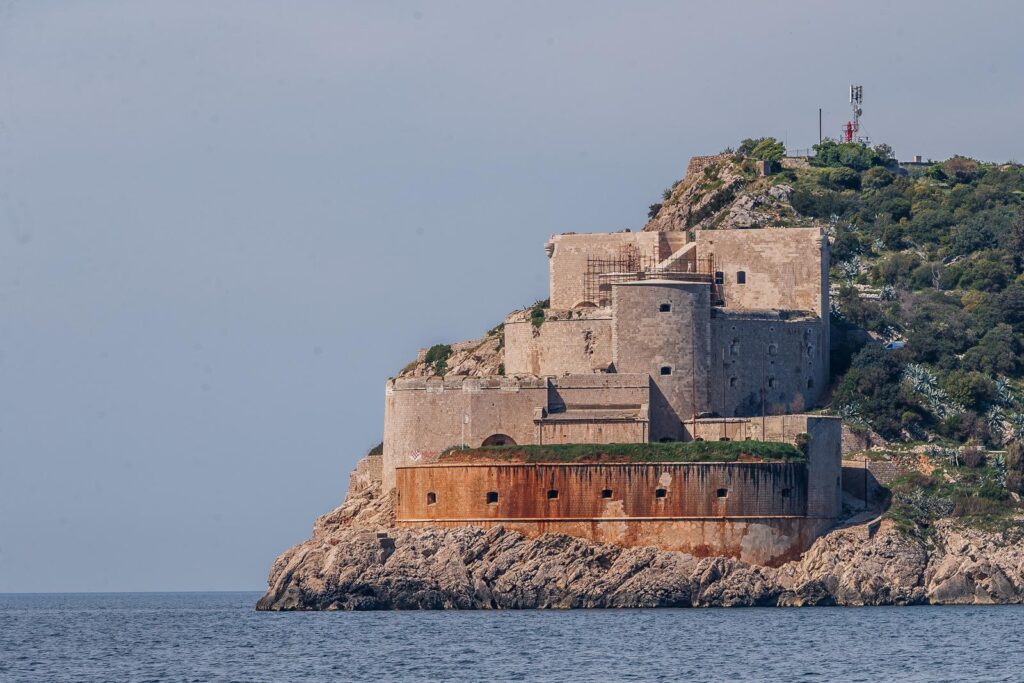
At the very tip of the imposing Prevlaka peninsula is the mysterious old Punta Oštro fortress, an impressive building that has guarded the bay from attack for centuries. Rumour has it that this historic, formerly rather impressive construction will soon be renovated and become a new tourist attraction at the most extreme southern point of Croatia. It will likely make an ideal day trip from nearby Cavtat (Croatia’s southernmost town), Dubrovnik (the southernmost city), or Konvale (the southernmost municipality).
Prevlaka closes off the western side of the entrance to the Bay of Kotor, providing it with protection from high waves threatening from the open sea. At the very end of Cape Oštro is the aforementioned old fortress bearing the same name, built during the Austro-Hungarian Empire between 1850 and 1853.
croatia’s southernmost fortress through the ages
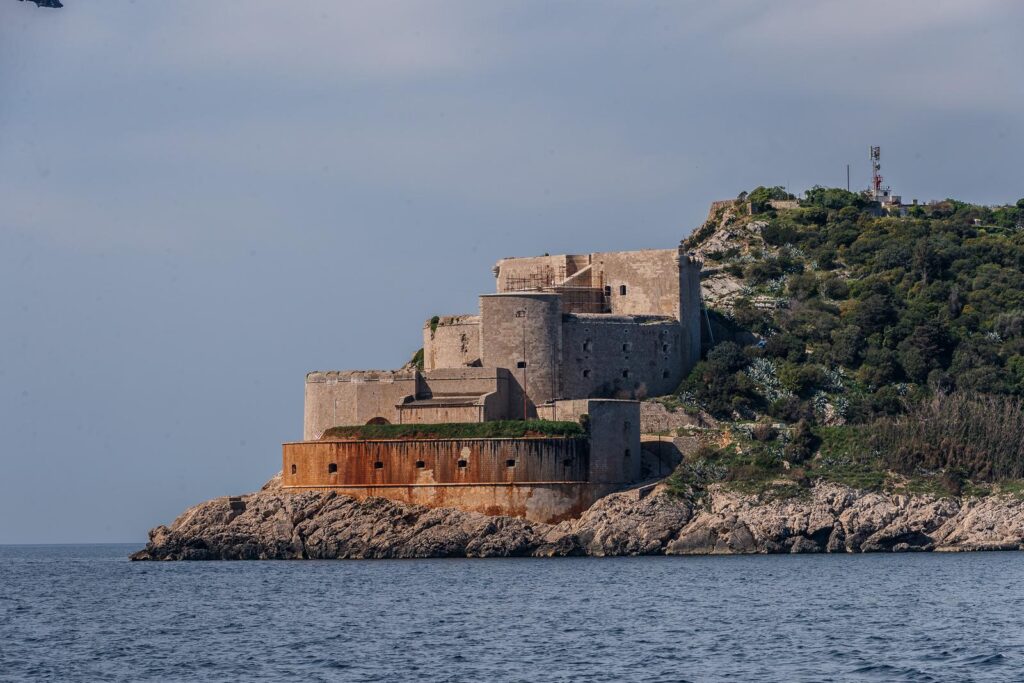
“The Punta Oštro fortress was intended to prevent enemy vessels from entering the Bay of Boka Kotorska. Together with the Mamula and Arza forts, it formed the first line of defence in the southern defence zone of the Boka Kotorska fortress. The fortress was built as a multi-story tower consisting of four levels, 50 metres high with flanking cannons in case-mates and cannons on platforms. It once boasted all the facilities for independent combat operations as well as for the life, work and training of the crew,” it was written in Vojna Povijest (Military History), issued by Večernji list.
Croatia’s southernmost fortress gradually began to lose its importance during the late 19th century, and in the 20th century it was practically left abandoned and forgotten for decades. “The Prevlaka peninsula has historically been known as a strategic military base. Its rich military past is reflected in numerous defensive and military facilities from various different historical periods and regimes.
the home of secret underground tunnels…
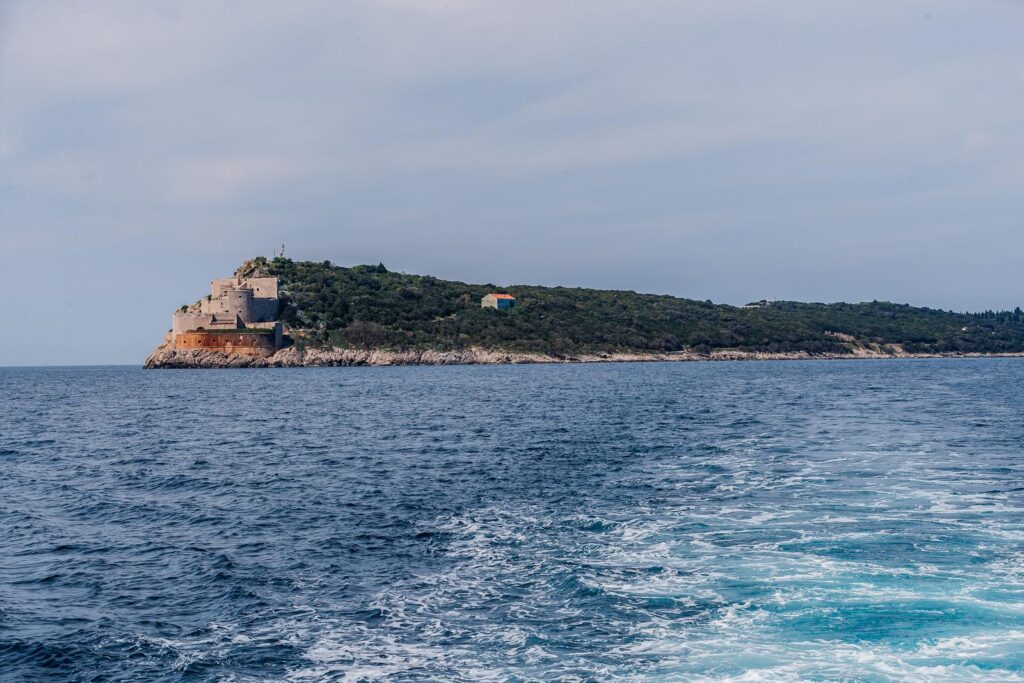
Connected by a network of roads, Croatia’s southernmost fortress is home to special attraction – secretive underground tunnels, some of which emerge in the form of artillery holes on the southwestern coast of the peninsula itself. The most significant building on Prevlaka is certainly this fortress. Despite suffering damage throughout history, this mighty stone structure remains the largest and most important point of the whole peninsula. Located at the very entrance to the Bay of Kotor, it has played a key role in the defence of the Adriatic coast throughout history and, due to its strategic position, has often been the scene of conflicts between naval powers. In addition to the fortress, the peninsula also has a mercenary battery from the same period. The last users of these buildings was NATO, who finally left the peninsula back in 2002.
a new chapter – tourism
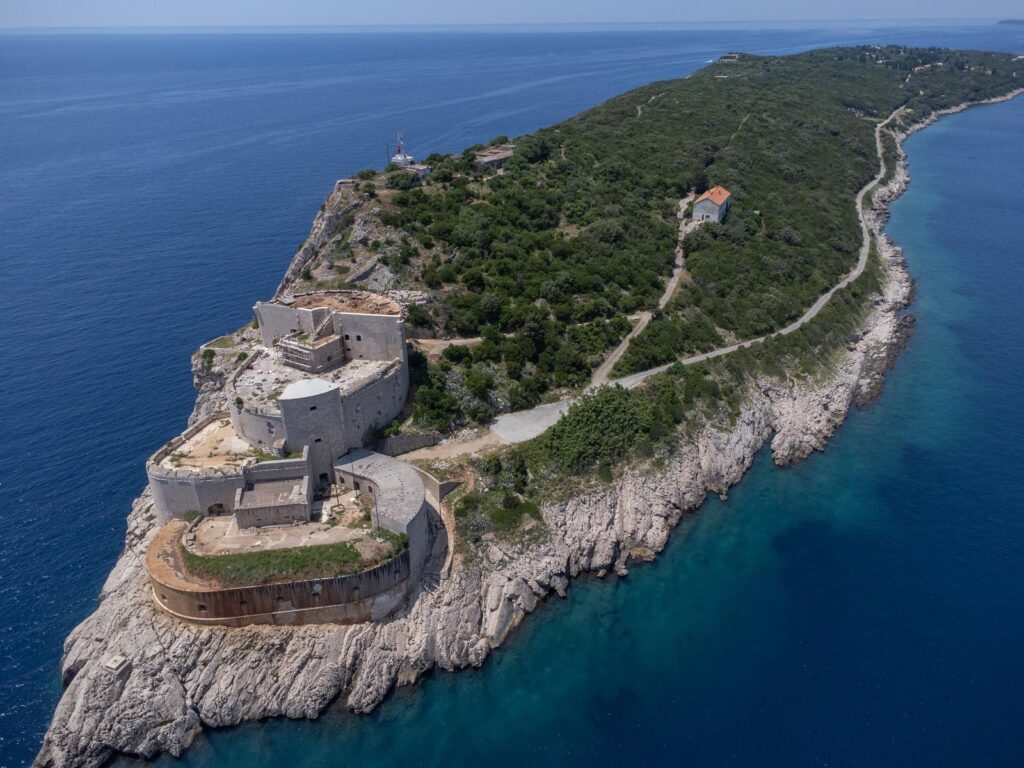
Since then, these buildings, including Croatia’s southernmost fortress have been abandoned and are currently standing in poor condition, covered with dense vegetation. Dubrovacki list has reported that this should soon change. The plan is to comprehensively restore and transform the fortress, which covers an impressive 4,000 square metres, into a fascinating tourist attraction at the very tip of the country, offering not only something different but sweeping views of the Croatian coast, the open Adriatic and the Montenegrin coastline. There are also plans to open a museum inside the fortress itself, where visitors will be able to see old uniforms, weapons, ship parts, and decorations, through which they will learn about the rich history of the former Austro-Hungarian Navy.