February the 19th, 2026 – El Pais has stated that Croatia is suffering from the same tourism problem as Spain, but it claims that Croatia’s issues are worse.
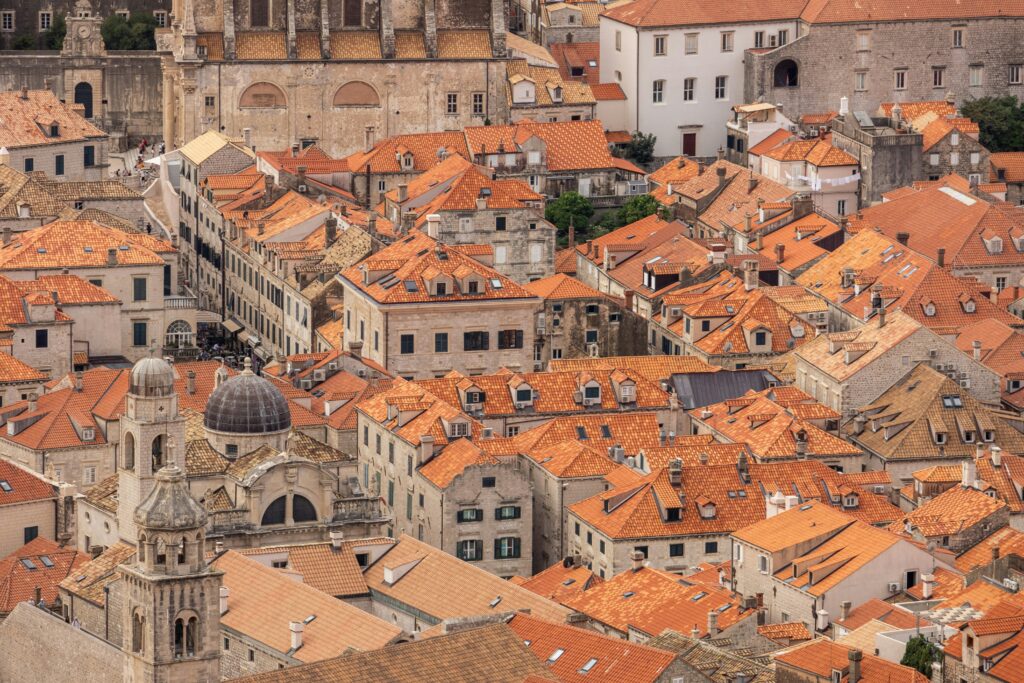
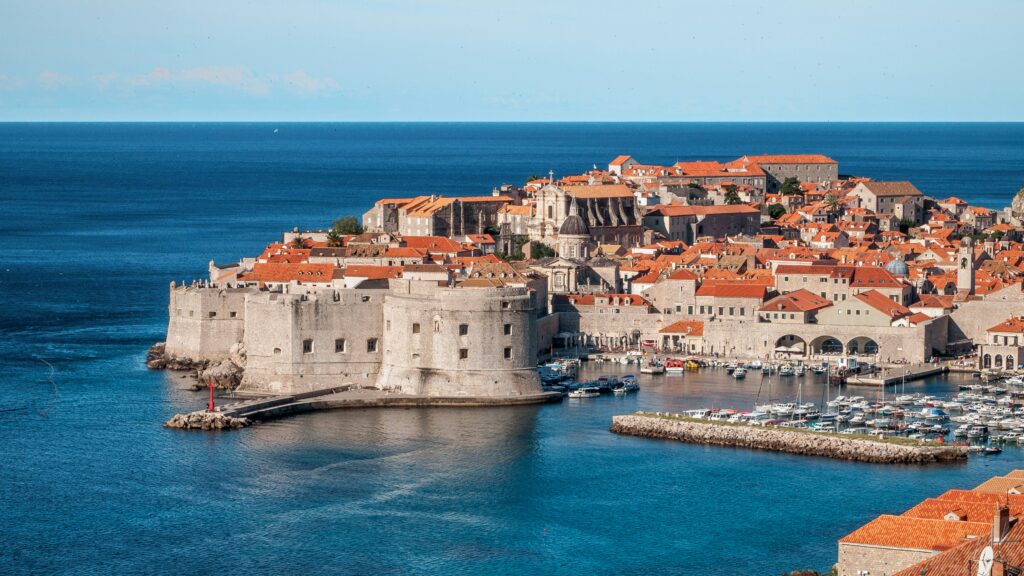
As Index vijesti/news writes, well known Spanish daily publication El Pais has written that Croatia is facing the same problems of overtourism as Spain is – but in an even more pronounced form. As a symbol of the country’s transformation, it cites the one and only Dubrovnik, which became a global tourist attraction after the filming of the series “Game of Thrones” back in 2014.
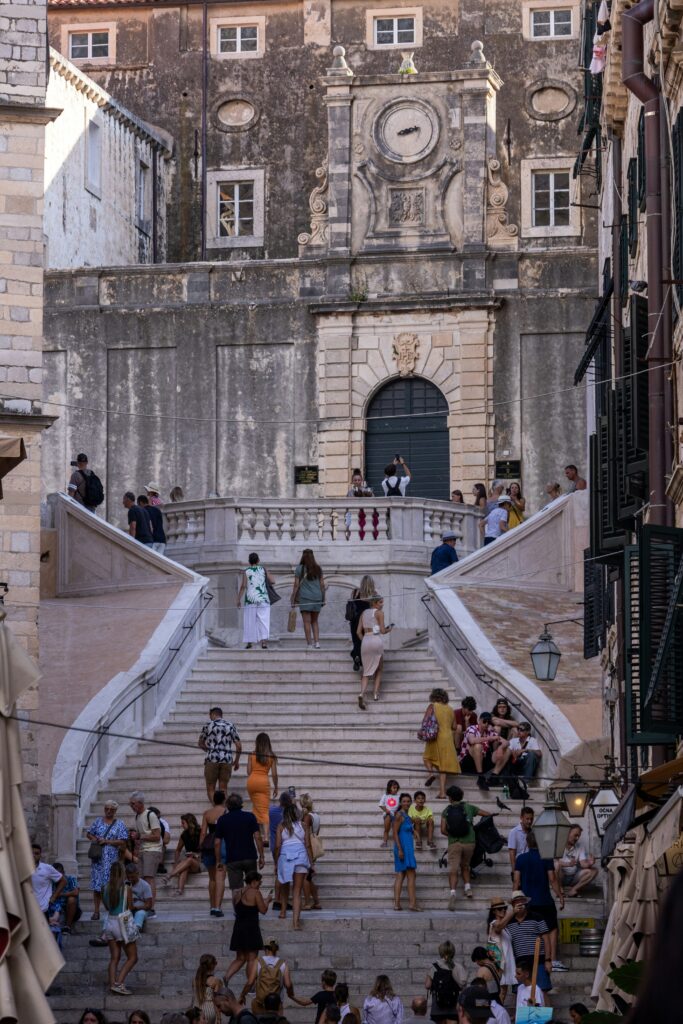
The scene in which the character Cersei Lannister walked the “walk of shame” down the Jesuit Steps, the newspaper writes, forever put Dubrovnik on the map of massive global tourism. Fast forward to this year, however, and let’s say you’re there in the middle of August, walking down those same steps means people need to fight through crowds and face extremely high prices.
Tourism makes up about 20% of Croatia’s GDP, which is twice as much as is the case across the Adriatic in Italy and significantly above the 13% in tourism giant Spain. This is precisely why Croatia, with its mere 3.8 million inhabitants, feels both the benefits and the consequences of tourist over-saturation much more strongly.
“dubrovnik has turned into an open air museum”
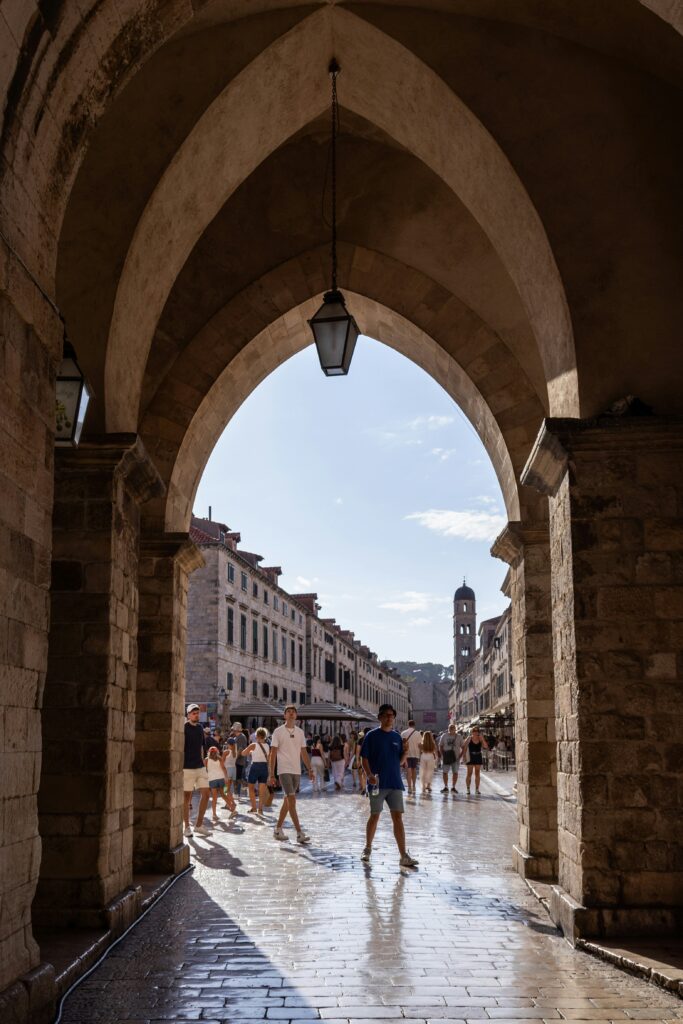
El País quotes a statement made by Croatian N1 journalist Hrvoje Krešić, who grew up in Dubrovnik and now lives in Zagreb. He says that the city of his childhood has turned into an “open-air museum.”
“The shops and restaurants are still there, but the Mediterranean spirit of everyday life has disappeared: open windows, people looking out, chatting, arguing over trifles,” Krešić said. He added that “Game of Thrones” is present on every single corner of the ancient city today, while the real historical importance of Dubrovnik, its poets, engineers and diplomats, is hardly ever discussed anymore.
inflation and rental apartments
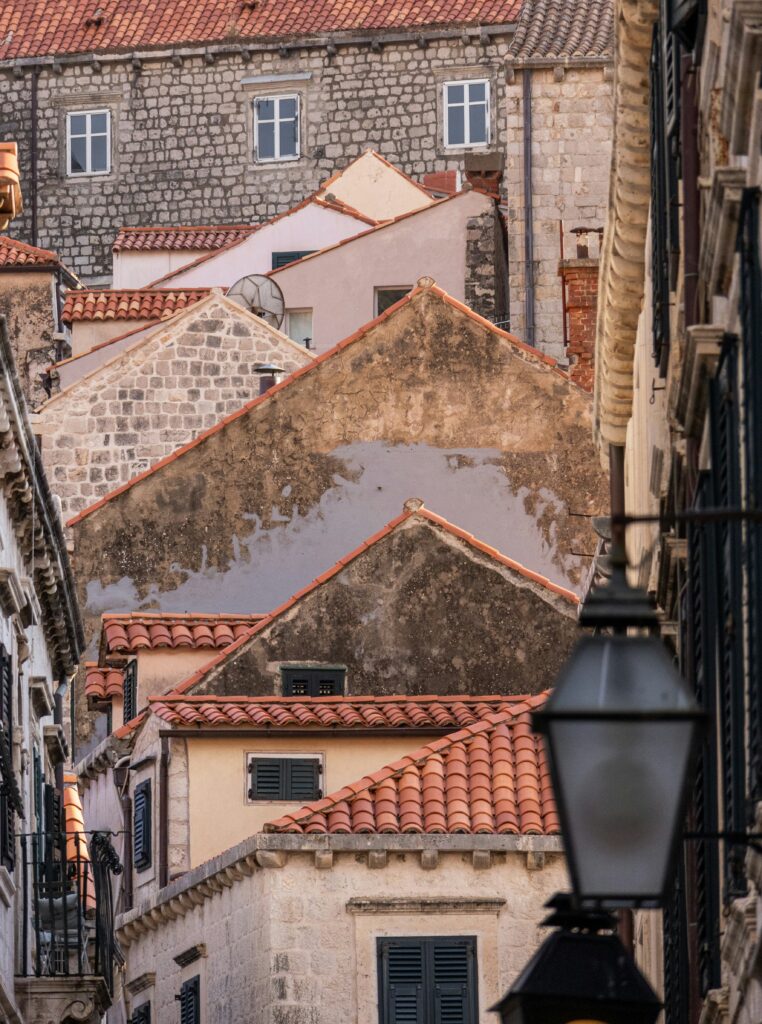
The newspaper points out that the rapid growth of tourist apartments across Croatia, particularly on the coast and islands, has led to a rise in property and rental prices, which is similar to Spain’s plight. Croatia has one of the highest inflation rates in the entire European Union. Back in November 2025, according to the Harmonised Index of Consumer Prices (HICP), it was 4.3%, while in the Eurozone it was a far lower 2.2%.
“A young doctor, professor or firefighter can hardly afford to live in an apartment in Dubrovnik, Split or Zadar today. Prices have become totally prohibitive,” Krešić warned. Some individual city governments, including the one down in Dubrovnik, are planning to build apartments for young families on the outskirts of the city itself, but the question is how to prevent these apartments from later ending up as tourist rentals.
In response to the pressure, Dubrovnik has now limited the number of new tourist apartments that can operate in the city centre. A maximum of two cruise ships will be able to dock in the port at a time per day, with a mandatory stay of at least eight hours, or 12 hours for ships with more than 4,000 passengers. A maximum of 4,000 cruise ship passengers will be able to stay inside the city walls at any one time.
Tickets for the city walls will be available to book exclusively online, in order to reduce the so-called “flash tourism” that clogs the city in a few hours, while leaving a limited economic impact. The aim, local and national authorities emphasise, is to prioritise quality over quantity.
the pressure on croatia is “greater”
A spokesman for the Ministry of Tourism told El Pais that similar pressures are being experienced in other coastal cities and islands during the summer, which prompted the government to adopt measures at the national level.
One of the key changes was made back in January 2025, when the Hospitality Act was amended to more clearly distinguish between family accommodation and commercial short-term rentals. In the peak season on August the 15th, 2025, a net decrease of more than 2,000 beds in private accommodation was recorded for the first time compared to the previous year.
More than 21 million tourists visit Croatia annually, which is five times more than the number of actual inhabitants. Spain, with a population of 49 million, is visited by about 97 million tourists, but proportionally the pressure on Croatia is greater. According to government data, over the first six months of last year, revenues from foreign tourists increased by almost 6% compared to the previous season, and since 2016, these revenues have doubled in the first half of the year.
Official data also shows that the number of new long-term rental contracts increased by 11%, while 3,350 taxpayers partially or fully switched from short-term tourist to long-term rental.
are cities becoming lifeless backdrops?
Back in 2024, Prime Minister Andrej Plenković warned the public of the danger of unjustified price increases for foreign tourists.
“Any attempt to make a quick profit based on unjustified prices will cause damage to Croatia’s strategic reputation. A tourist who feels cheated simply does not return, and today such an opinion spreads globally in just a few seconds,” he said back then.
The Ministry of Tourism has also stated repeatedly that without clear rules and rigorous supervision, there cannot be a sustainable tourism model. The success of the measures, concludes El País, will show whether cities like Dubrovnik and Croatia as a whole will ever manage to succeed in regaining their Mediterranean identity or whether they will remain a perfectly arranged but lifeless scenery for tourists.