February the 24th, 2026 – TCN’s Paul Bradbury reflects on his experiences in the Ukrainian capital of Kyiv as the war against the Russian aggressors rages on.
Having lived on Hvar for 13 years, I have been to many epic beach parties. The music, the sea, the sun, the vibe, the community. Priceless memories. But no beach party I have experienced came close to Sunday’s pop up beach party on a lake somewhere outside the Ukrainian capital of Kyiv…
Already 12 years at war with Russia, today marks the 4th anniversary of the full invasion, or Special Military Operation, as Putin calls it, an operation which was meant to take three days, but has lasted longer than the Great Patriotic War, with no end in sight.
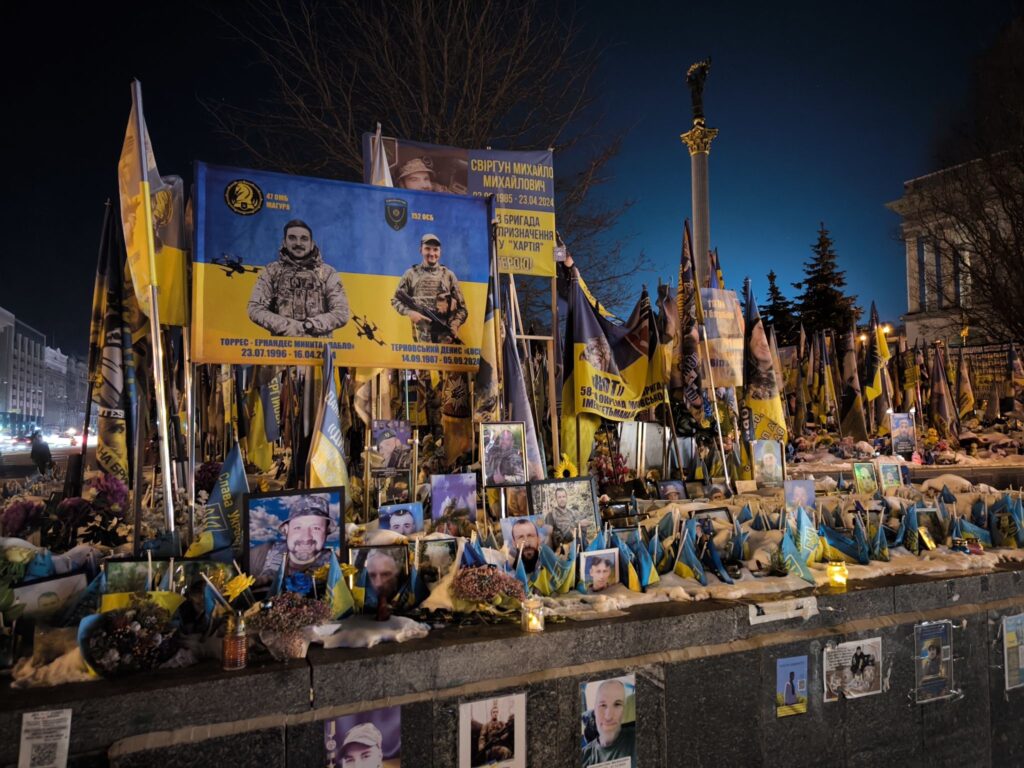
Far away from the traditional battlefield, there is another, far more cynical war going on – against civilians. When Russia first started bombing infrastructure earlier in the war – a clear war crime – there were denials. Now it is one of the main strategies of the brutal attacks this winter. The attacks on civilian infrastructure have consistently targeted cities like Kyiv, this in a brutal winter where temperatures have plunged to -25C, leaving inhabitants without power, heat, and also water on occasion. Whatever your views on the war, this deliberate targeting of the civilian population is inhuman.
And if the aim is to break the spirit of the Kyiv population, it is having the opposite effect. I have travelled the world and never experienced such resilience and community than I have over the last few days in Kyiv. And Sunday’s beach party was a great example of that.
Friends were concerned that I was going to Kyiv at a time when Russian missiles were flying in (they didn’t seem to worry about me being cold…). From my time as an aid worker in Rwanda, Somalia and Russia, I am aware that the reality on the ground versus the media can be significant. Yes, civilian buildings are being hit, but mostly away from the centre and close to the power plants and other infrastructure. A security expert told me that perhaps 200 of the 25,000 civilian buildings had been hit, so a 1% risk, less if you stayed in the embassy quarter.
“Maybe only 200 with missiles and drones, but how many with no power and heat – perhaps 15,000,” piped in a friend in the back of the car. The targeting of civilian infrastructure has nothing to do with war, just a direct attempt to demoralise the civilian population.
If that is the aim, it is not working.
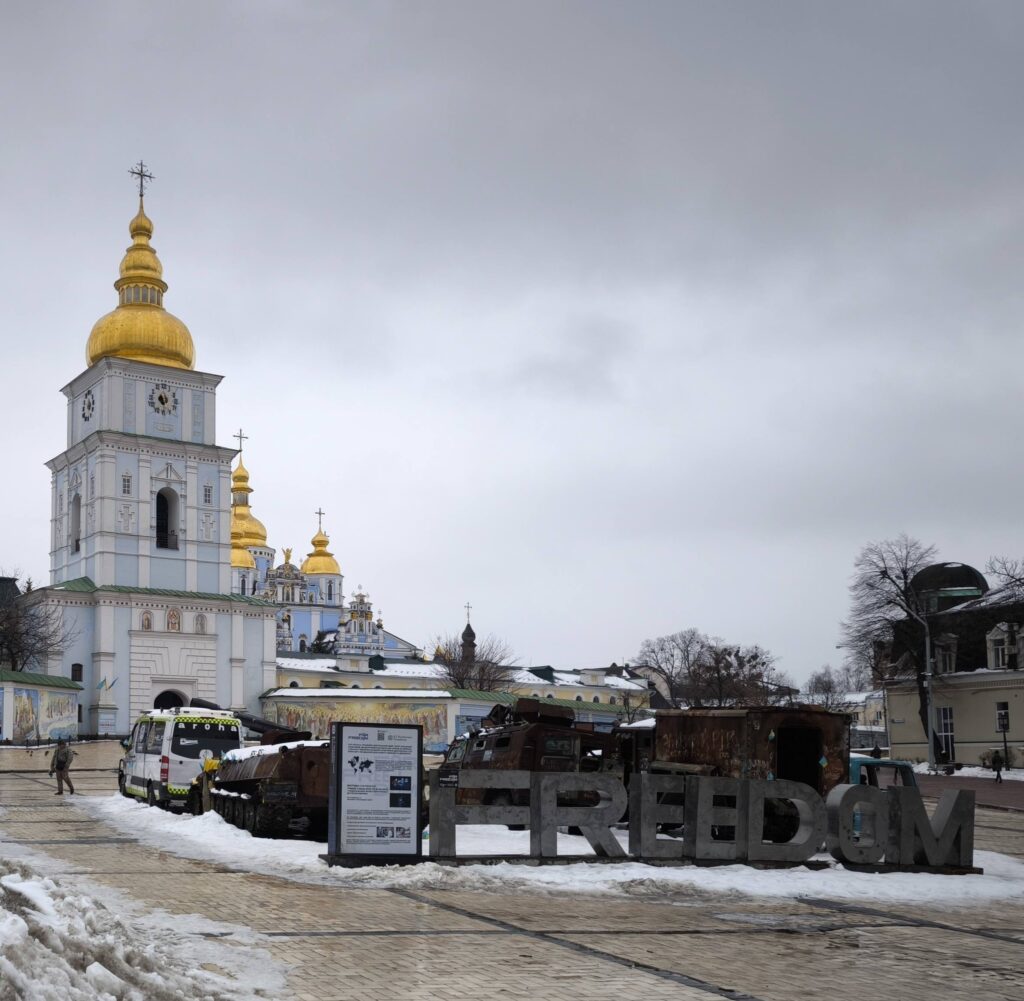
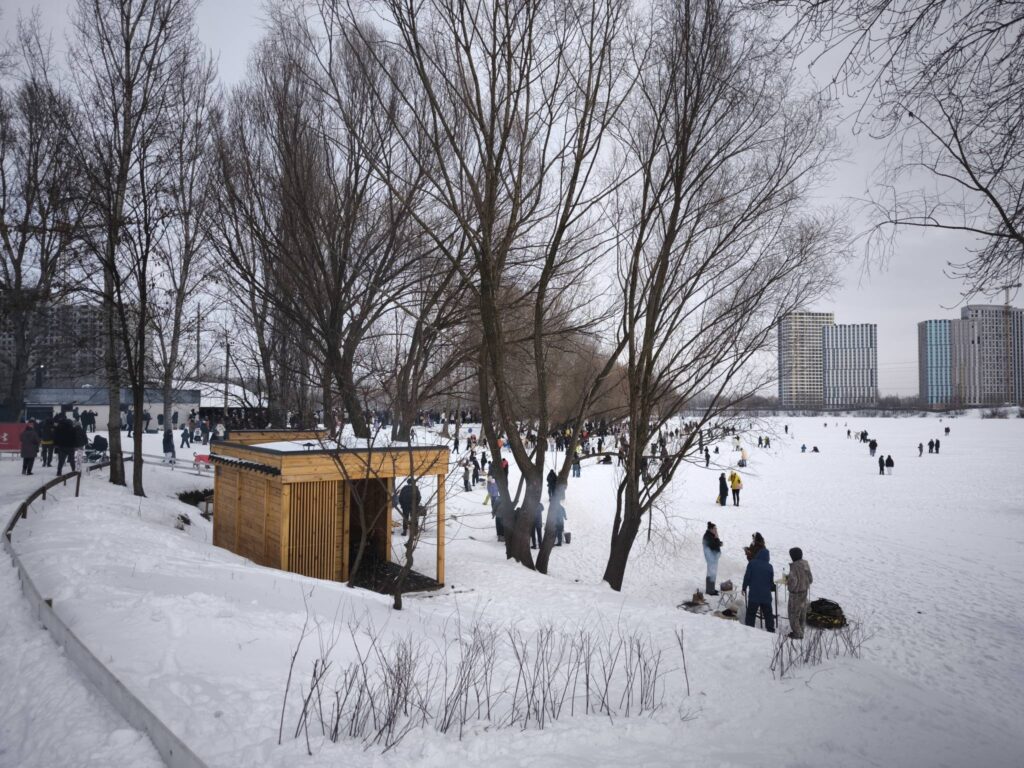
After the massive attack on civilian infrastructure on January 27, an Instagram page popped up, advertising pop up DJ parties at the weekend. Thousands attended – it was as warm outside as it was inside, so why not? They are advertised a couple of days in advance, always in a different location. And so it was that I found myself in a car heading to a lake in sub-zero temperatures on Sunday.
Like so much about this war, there was nothing hi-tech in the delivery. Some speakers, a microphone, and two Djs who have become social media sensations. Around them, thousands of people, families of three generations, kids sledding, dads grilling, entrepreneurs selling food and drinks, picnics from the boots of cars. And dancing. Lots of dancing.
It was impossible not to fall in love with the spirit of these people. Life has given them lemons recently, but they have made lemonade with a double vodka chaser. I have heard from friends about the spirit of solidarity and community during the Homeland War, and it must have been something like this. Life was brutal, but that did not mean people were going to stop living.
I have not heard a single person complain about anything since I have been here, despite them living in the harshest of conditions that I have encountered anywhere in 30 years since Rwanda and its genocide.

A friend organised lunch in a delightful Crimean Tatar restaurant with Liudmyla, 34, who had quit her good job in Amsterdam after the war broke out – she just felt that she needed to be home in Ukraine. Having just arrived, I asked her about safety – the missiles in Kyiv versus the safety of Amsterdam.
“But I feel so much safer, and SO much freer here, than in Amsterdam. Here there is no threat of theft, stabbling, assault, rape. I don’t go to the shelters for the air raids anymore. Everything will be ok. We just need to endure, but we need your help.”
Help is available, and it is what is helping Ukraine to keep going. She directed me to the Yurt of Invincibility in a park in the centre, an authentic Kazakh yurt from businesses and volunteers from Kazakhstan which provides heat, shelter, hot drinks, kids activities, and that most precious of things – community. There are many such examples of international aid all over the city.
And as you would expect in war, there is humour, often of the darker kind. I laughed out loud as the army recruitment poster was explained to me. Rather than recruiting for the army, individual battalions pitch the merits of joining them. Shortly after it was confirmed that North Korean soldiers were fighting side by side with Russia, a recruitment poster for one of the battalions appeared:
Citizens! Do your duty and enlist today. They are coming for your dogs.
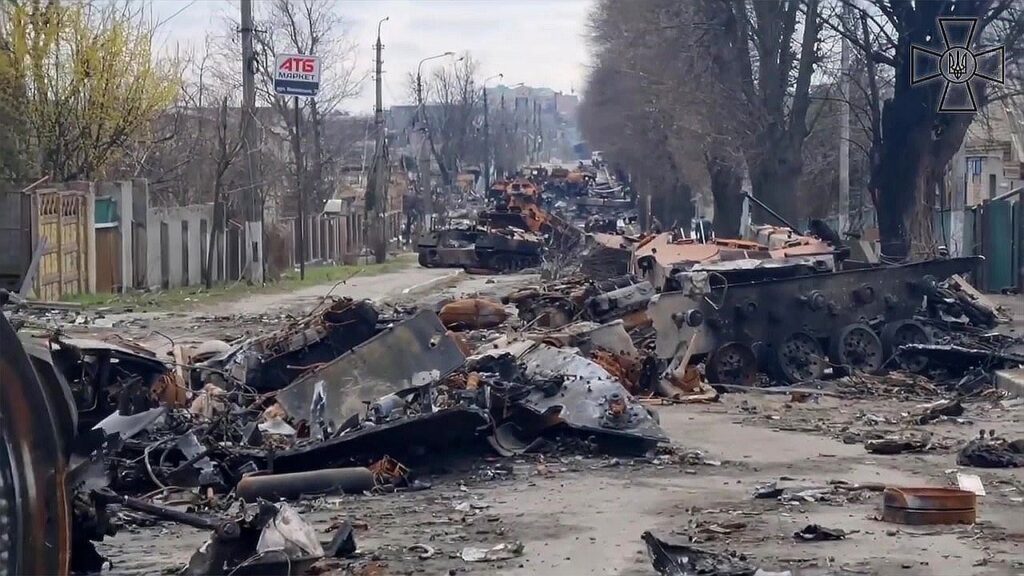
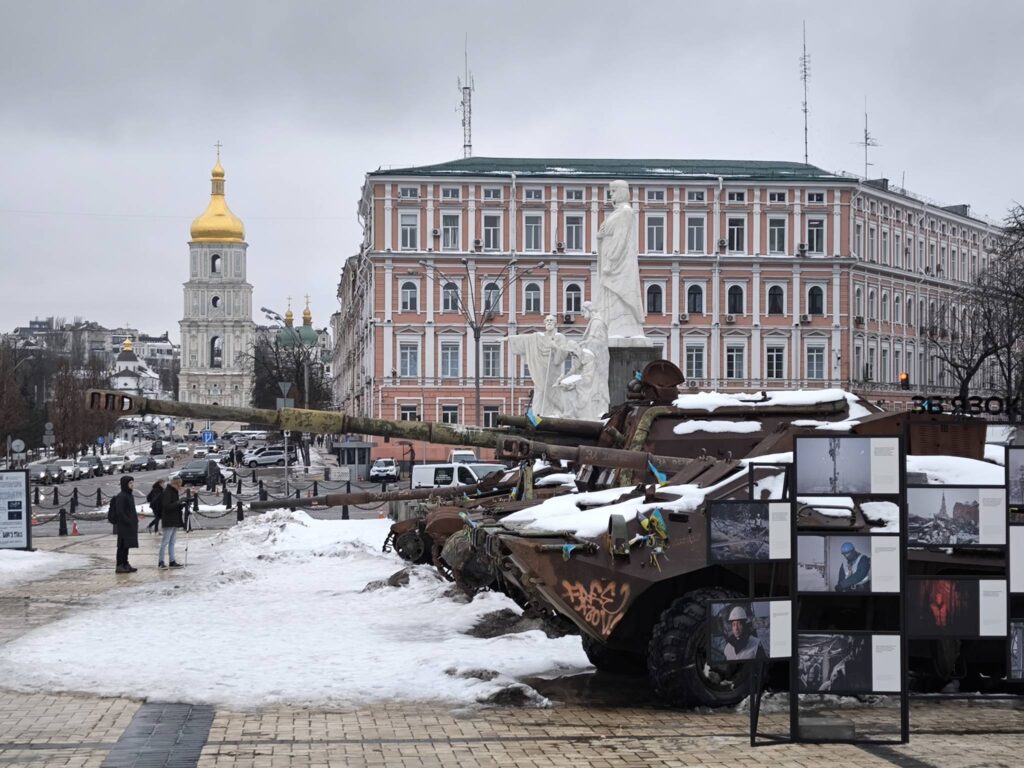
One place I wanted to visit was Bucha, a small town outside Kyiv that made international headlines and became the poster child of Russian atrocities back in early 2022, when many civilians where found tortured on the streets after the Russian withdrawal. The sight of destroyed Russian tanks on the main street was shown all over the world. What would Bucha look like today?
Andrii was in Bucha when the Russians invaded, spending days in a basement with his and 25 other families. After that, he interpreted for Reuters, as they discovered the horrors that had happened above ground. As we drove around Irpin and Bucha, he recounted various stories, but also pointed out the rebuild. I took a video of 20 minutes, which captures the complete rebuild of Bucha in wartime – schools, a hospital, shopping centres, restaurants, and more. I only noticed two ruined buildings. And the population has increased. Being 350km from the frontline, it feels safer. Bucha is certainly not typical of Ukraine, but it is a sign of what is achievable.
Liudmyla was telling me about life without power and heating in minus 20, and how she did her laundry and dried her clothes. Not some dramatic tale, just matter of fact, without drama. This was a period of time that people had to endure, and endure they would if necessary, even though they were tired. But their spirit would not be broken, no matter how bad it got, and Ukraine would prevail in the end. The next day, she kindly agreed to translate for me for a podcast I was doing with a lady talking about her experiences over the last four years. She did an excellent job, but we overran, and she was late for her next appointment. I insisted on paying for a taxi. She smiled.
“I will take the metro, but I would be happy if you donated the taxi money to the armed forces of Ukraine.”
Ukraine will not be defeated in this war, their spirit is too strong. But it needs the help of the West more than ever. Having been here a few days and talking to lots of people from Kyiv and the international community, two things are very clear to me:
- If Kyiv falls, Tallinn, Riga, Vilnius and Chisinau are next, and then Warsaw is the next target. September 1939 again.
- This war will probably go on for years, unless there is one scenario – Russia is defeated. President Zelensky often says he is fighting Europe’s war. He is absolutely right. Now is the time to bite the bullet and invest more in Ukraine. Apart from being the right thing to do, failure to do so will bring this war much closer to home.
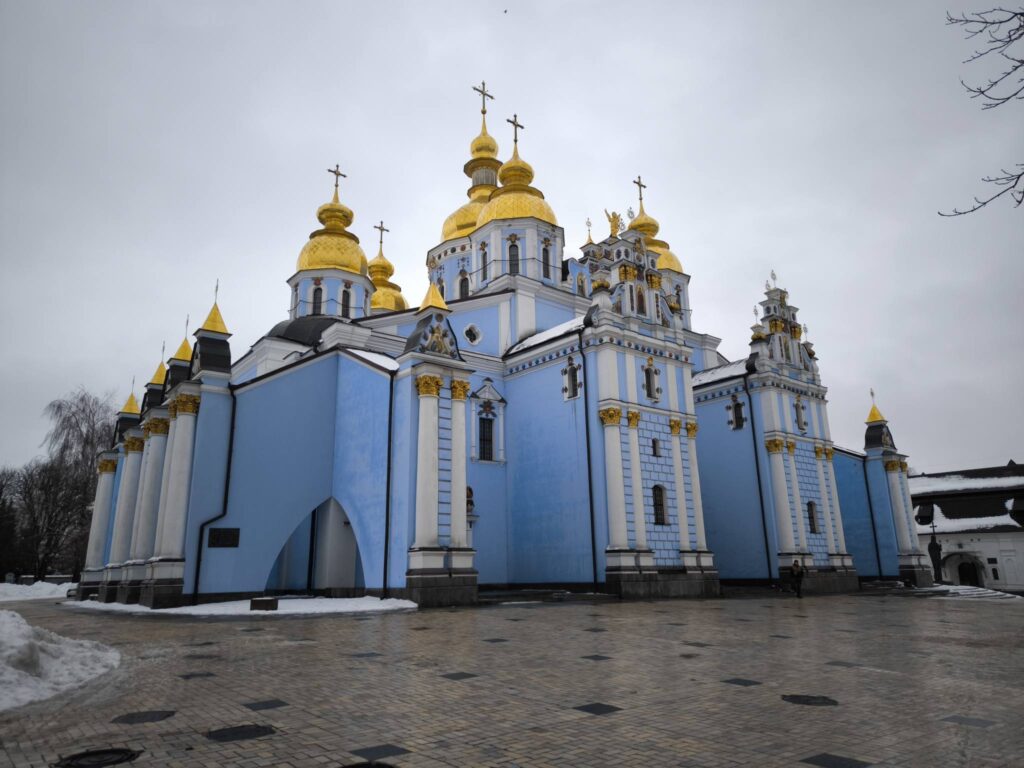
After three days in Kyiv, I feel so energised. So much so in fact, that I have decided I will spend next winter in Kyiv, documenting life here. With or without electricity. Ukraine needs our help. The rest is up to us.