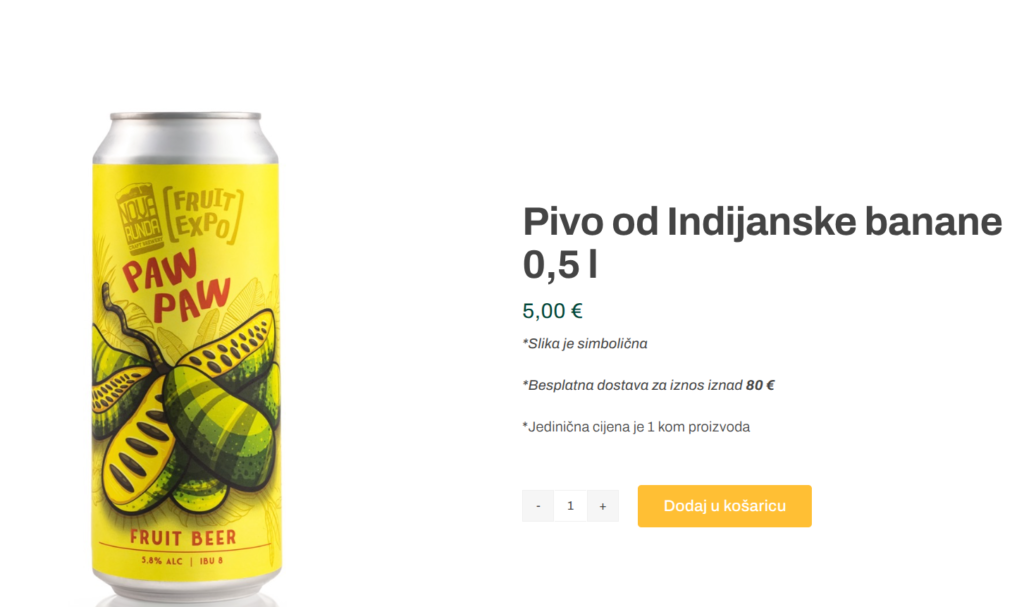
March the 3rd, 2026 – Few realise that Croatia has started producing Indian banana beer and successfully places all sorts of exotic fruit on the market.
As Poslovni Dnevnik/Ana Roksandic writes, the growing popularity of protein products is shifting the focus from agricultural production itself to a broader industrial and market perspective. The growth of global demand for protein food, pressures on supply chains and long-standing dependence on imported soy and other protein raw materials are opening up space for new production models, and that’s been a perhaps rather surprising open door for various Croatian business ambitions.
Croatia, traditionally perceived as the EU’s agricultural periphery, could position itself as a relevant European player in the protein industry, believes Zvonimir Sedlić, founder and CEO of NutriS. He has emphasised how economically strong, despite being very niche, this sort of production is.
“When we talk about the global protein market, then we’re talking about an industry worth between 50 and 60 billion dollars and is growing between 12 and 15 percent annually. Estimates show that this amount will double by 2030,” said Sedlić.
meet croatia’s nutris
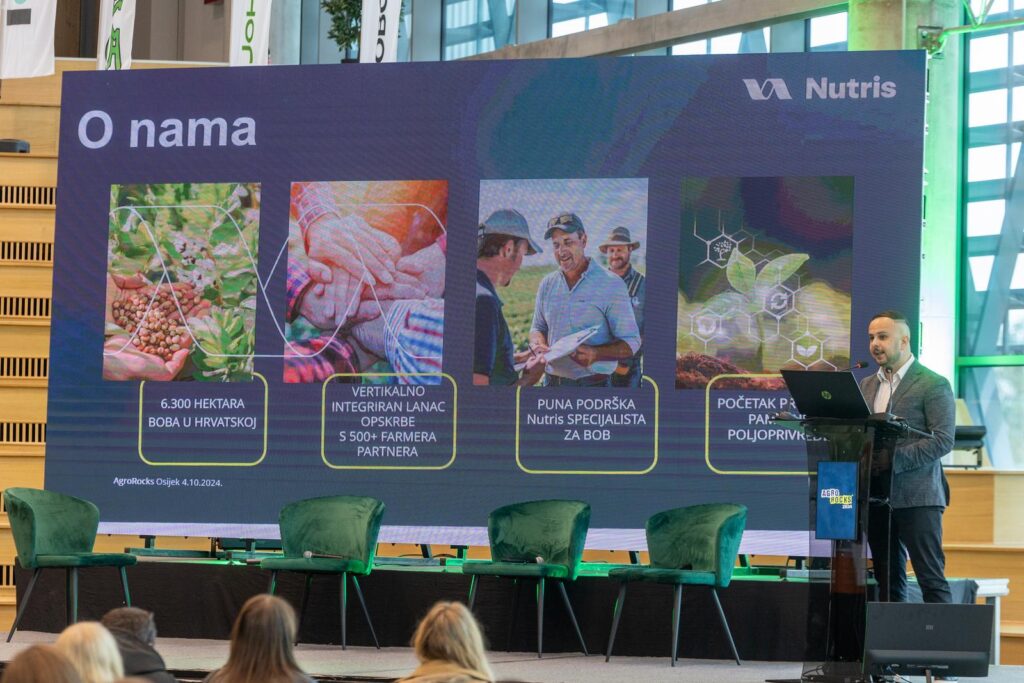
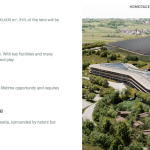
NutriS has constructed one of the first factories in all of Europe in Croatia that specialises in processing beans into high-quality plant proteins, starch and fibre for human consumption and the wider food industry. The factory works in partnership with local farmers and significantly contributes to strengthening local production of bean-based proteins instead of imported sources.
It is headquartered in Novi Senkovac, and the factory processes enable an annual capacity of 45 thousand tonnes, including 15 thousand tonnes of protein, 14 thousand tonnes of starch and 3600 tonnes of fibre.
Asked how the idea came about, Sedlić revealed how crucial the needs of customers, who all come to NutriS from abroad, were for the entire saga. “If we’re looking at things from the perspective of both Europe and North America, we can see that many people are increasingly looking for so-called clean and healthier meals. They look at what is written on the back of the label, what they eat, how it’s been produced and where it comes from. They’re looking for more fibre content in the end product, not to mention far fewer additives,” explained Sedlić. NutriS was founded back in 2019, and the company’s founder notes that it was a capital-intensive project whose first investment cycle ended last year. They’re now on numerous European shelves, with Sedlić singling out Germany, the Nordic countries and the Benelux countries as the countries to which they export the most.
the first of their kind in croatia
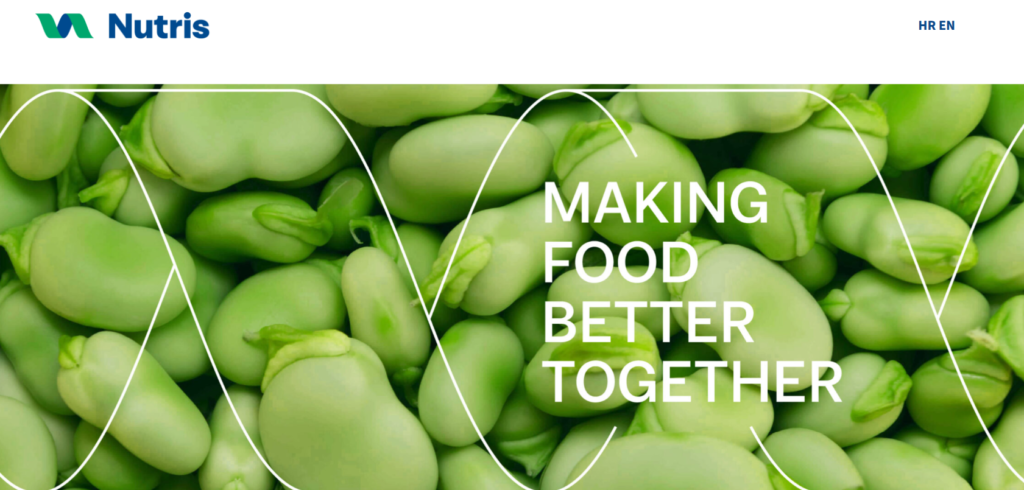
The company’s founder explained that their product can be eaten, but it is also sold to companies that then add it to products such as protein shakes and protein puddings. There is a wide range of products in which this Croatian protein from fava beans can be incorporated. Sedlić revealed that when they started, there was no such production facility anywhere in Croatia.
“We finished 2025 with more than 500 family farms in organised production, this figure shows that people are satisfied, but it also means that Croatia needs industry and inclusion in some new and added value chains,” said Sedlić. In addition to the opportunity to exploit the popularity of protein products, the agricultural sector remains a major challenge of demographic decline across the country and fewer young people who will continue to follow agricultural trends. That’s why attention should be paid right now to the new generation of Croatian farmers and entrepreneurs who, outside of large systems, are working to fully redefine what competitive and sustainable food production means.
croatia doesn’t focus enough on organic farming
This year’s Agro Summit highlighted the experiences of David Pejić, director of Zrno eko imanje and one of the most awarded young organic farmers in Europe, and Maja Šulo, heiress of the Exotic King family company and winner of the award for the best young farmer in Croatia last year. The two showed the motivation of young people to stay in the family agricultural business.
“The decision to continue is based on a vision. I was inspired by the fact that as a family we’ve had a vision of producing food that puts people in the right place. We see organic production as a solution, but the reality is that the demand for it is growing,” said Pejić. Pejić was first awarded as the best organic farmer at the European level, and only a year later did he receive recognition at the national level. The young farmer believes that this is a testament to the fact that organic farming is not focused on enough at all in Croatia.
croatia is now producing indian banana beer
Šulog noted that she inherited the idea of growing exotic crops in Croatia from her father, and in the beginning, everything produced was sold in the Netherlands. However, the young farmer says that Croats are increasingly accepting new crops, citing sweet potatoes as an example, which are popular today. Just a decade ago, hardly anyone in Croatia ever consumed them.
“Today, we grow more than 50 different types of exotic fruits and vegetables, and we place our products mostly on both the Croatian and European markets. There were comments that certain crops have no place on the European market, but we’ve shown that it absolutely can be done,” said Šulog.
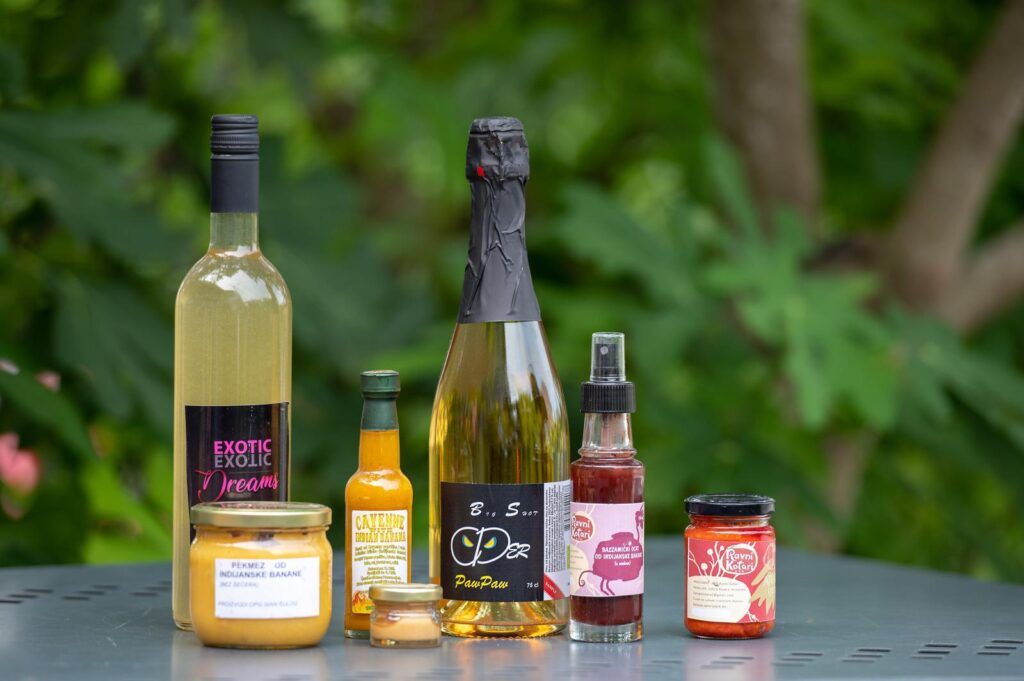
Asked what they see as the biggest risks, Šulog noted that Exotic King plans to introduce processed products from its own exotic fruits and vegetables to the market, but the challenge is that such products have a short shelf life. One of the successful examples she did highlight is that they have successfully seen Croatian produce Indian banana beer. She also warned that they must rely on their own capital; namely, they don’t receive incentives because such crops they grow aren’t registered. Pejić also spoke about the ongoing topic of the labour shortage. If Croatia wants to seize the opportunity brought by the growth in demand for food, the key will not only be technology and investments, but also people who are willing to stay and build value on domestic soil.