March the 8th, 2026 – Croatia has now had a brand new nature park in Zagorje declared and added to its list which until last week numbered 12, alongside 8 national parks.
As Putni kofer writes, until just a couple of days ago, Croatia had eight national parks and 12 nature parks. The last to receive this status was Dinara, which was declared a nature park in 2021. The youngest national park of all is Northern Velebit, which has had this level of protection since 1999. As of last week, Croatia’s rich family of nature parks has grown once again.
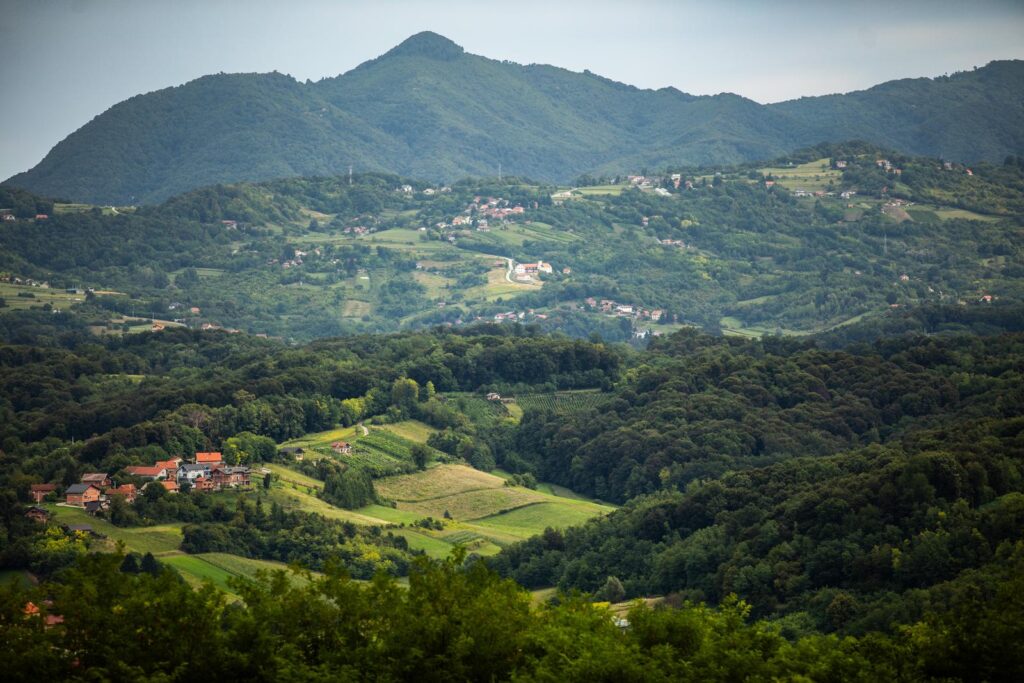
On Friday, a decision was adopted at the session of the Croatian Parliament to protect the beautiful mountains and hills in the north of the country. With that, Croatia officially received its 13th nature park, and it’s in Zagorje. It is called Zagorje Mountains (Zagorske gore), it stretches through two counties, Krapina-Zagorje and Varaždin, and this decision firmly protects the expansive area of Ivanščica, Ravna gora, Strahinjčica and Maceljske gora.
meet the zagorje mountains nature park (park prirode zagorske gore)
The proposal to declare the Zagorje Mountains Nature Park was adopted unanimously. The area of Croatia’s brand new nature park spans a massive 30,087.437 hectares and is shared almost equally by the two aforementioned counties. Compared to the initial proposal, the area of the future Nature Park has actually apparently been reduced by 100 hectares.
The initiative to make Ivanščica a nature park has been floating around for some time now, and it started to be talked about more seriously after Dinara was granted this status. The idea came from enthusiasts from two counties, a study supporting the justification of the initiative was written back in 2013, but that waited in a drawer for years. The declaration of Dinara as a nature park in 2021 was used as a moment to revive the initiative and see it finally get its turn in the limelight.
legally prescribed protection and an easier time getting grants
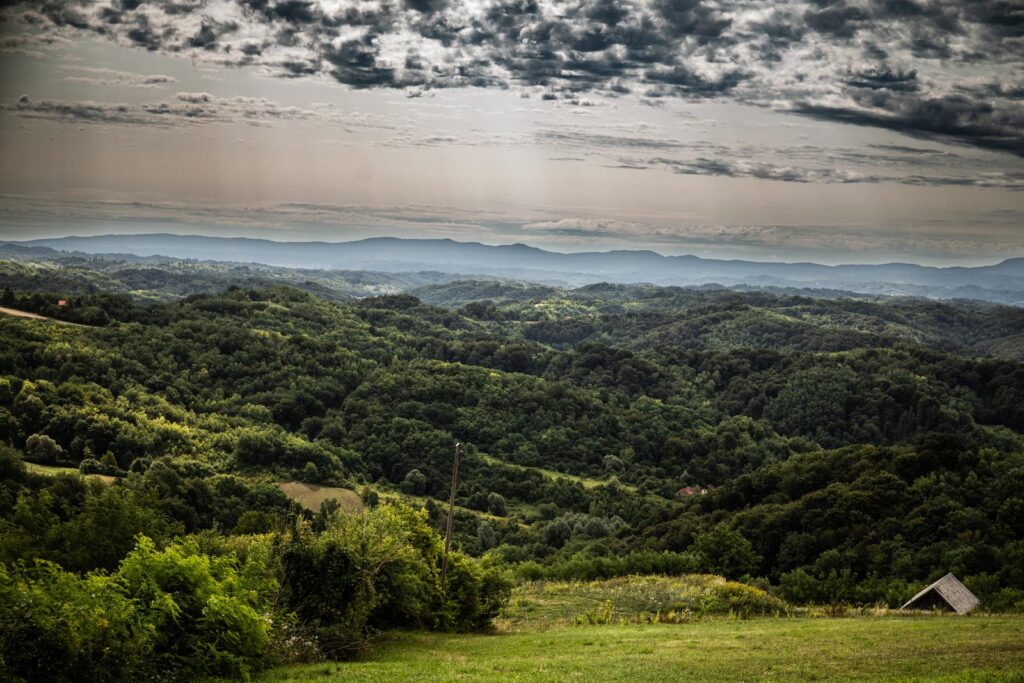
What this new status actually means for the mountain itself, nature protection and the people who visit it is multi-layered. Nature parks have a much easier time getting their hands on money for projects, which would mean the revitalisation of almost abandoned areas. There is then also the legally prescribed protection of the park’s nature, heritage and ecosystems, which is absolutely necessary.
Ivanščica, the highest mountain in northwestern Croatia, is a natural artwork many have long admired. Cloaked in dense forests, its slopes are both pliable and challenging. Sometimes there are large steep slopes and even bare rocks, with features keen mountaineers love. As such, it offers something for everyone, especially beautiful views. At its top, you will be greeted by two lookouts – a smaller one, called Stričevo, and a 10-metre-high iron “pyramid” built in 1929, from which the view stretches even further and wider.
This mountain is just wild enough for those who want peace to “get lost” on it, and on the other hand, accessible to hikers who want proper infrastructure. Ivanščica really has it all. According to some sources, around 60,000 people visit it annually. Its highest peak is 1061 metres tall, it’s about 30 kilometres long, and a maximum of nine kilometres wide, and it is richly criss-crossed by as many as 150 kilometres of hiking trails.
the roof of zagorje
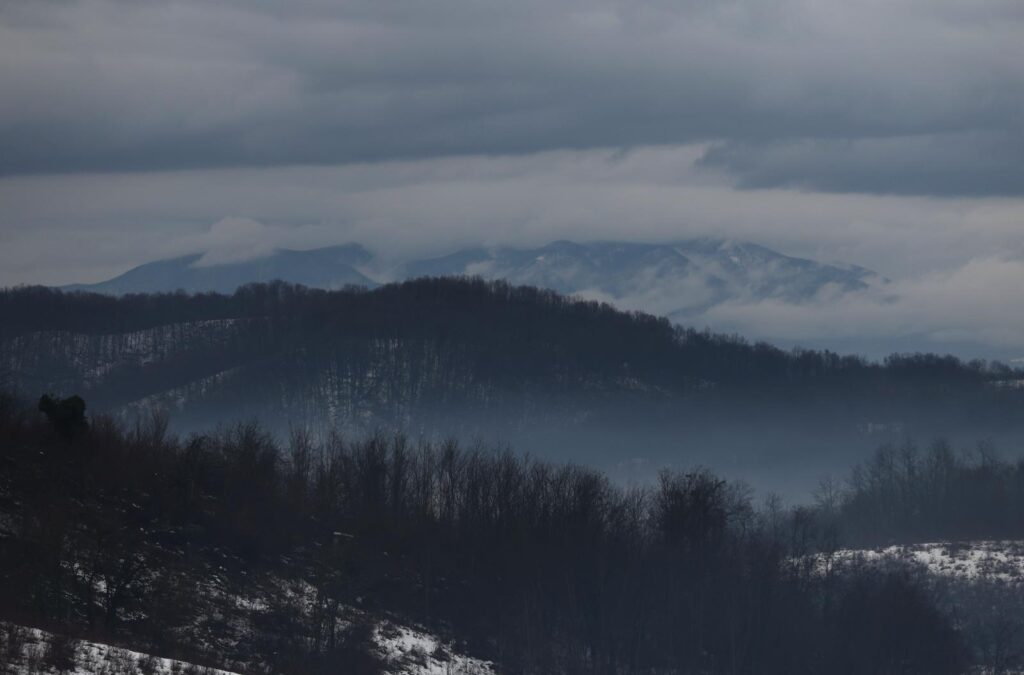
Ivanščica is often said to be the roof of Zagorje, a mountain where fairies hide and the home of various old towns. bBack during the Middle Ages, it was referred to Očura, and today the locals call it Ivančica, omitting the “š” from the name. In addition to its beautiful nature, Ivanščica is also known for its rich historical heritage. On its southern and northern slopes, a series of old towns and abandoned fortresses can be found. The most famous of them all are Pusti Lobor, Oštrcgrad, Belecgrad, Milengrad and Grebengrad.
For those who primarily want to explore nature, the options at Croatia’s brand new nature park are endless. Some of the most popular hiking trails are Ivanec, or the village of Prigorec, from where several trails lead to Ivanščica. The climbs from this direction take about an hour and are therefore quite popular. In addition to them, other popular starting points are Lobor and Belec, as well as the village of Podevčevo. It’s located below the easternmost peak of Ivančica, the Čevo peak. This peak stands at 562 metres high, but the trails are somewhat more demanding.
ravna gora – zagorje’s northernmost mountain
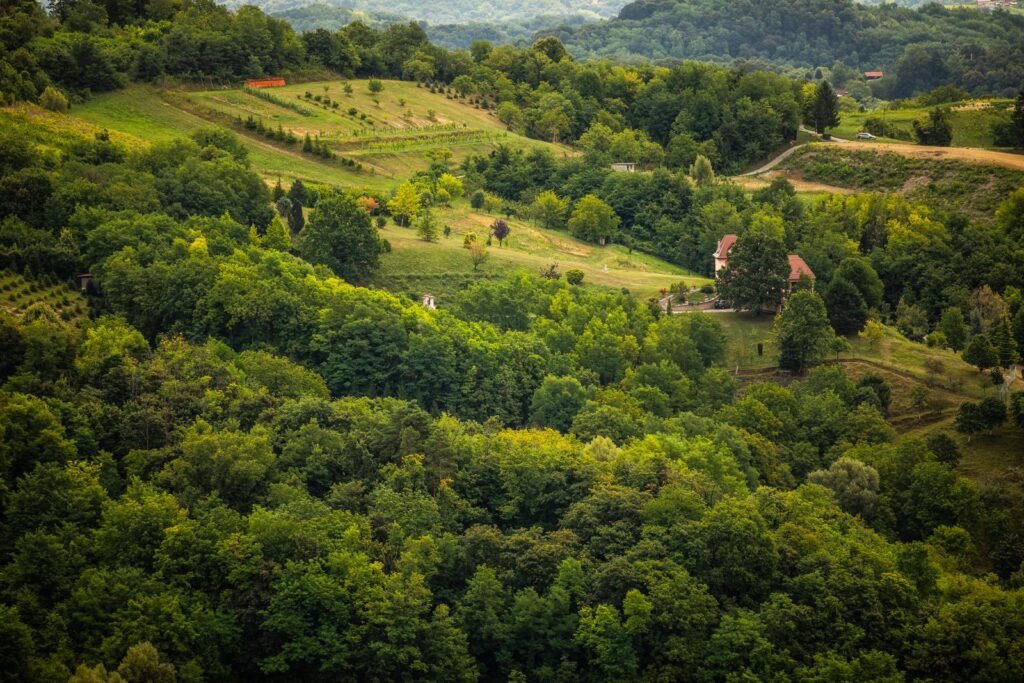
The new Zagorje Mountains Nature Park also includes Ravna gora, the northernmost mountain in all of Zagorje, which is considered to be the very last branch of the Alps. Many consider it one of the most interesting in the area. Ravna gora. In contrast to its name which would imply that it is quite flat (ravna/o: flat), it boasts caves, pits, very steep slopes, and even daunting 80-metre-high limestone cliffs. They are called Velike pećine and require mountaineering know-how and genuine skill.
If you’re interested in hiking, experts claim that the western part of Ravna gora, which is shaped like a horseshoe, is the most interesting for this activity. The area also includes the most common areas for hikers – the Pusti duh mountain hut, at an altitude of 672 metres, and the Filić dom with a dining room that can accommodate 80 people. On top of that, from the western part of Ravna gora, there are beautiful views of the Bednja valley and the beautiful Maceljsko gorje. The most beautiful approach to the top of Ravna gora is said to be the one that begins near Trakošćan.
Croatia’s gorgeous new nature park is only the sixth nature park in all of continental Croatia and the first in the north of the country. This unique area includes five mountains, five rivers, the largest volcano in Croatia and miles and miles of beautiful dense forests that deserve this exact level of protection.