March the 16th, 2026 – It has gone from being a postal delivery service to being on the path to having one of the most modern passenger fleets in Europe. The 35 years of Croatia Airlines have been turbulent, full of criticism, plagued by debt and in a large part – still successful. Let’s take a look back at the national carrier’s tumultuous and transformative journey thus far.
As Poslovni Dnevnik writes, 2026 marks Croatia Airlines’ 35th anniversary. Over those 3.5 decades, it has grown from a company with a single mail plane into a modern European passenger transport company. That journey has been marked by war, global alliances and many technological advances. It has all culminated in a complete fleet renewal, the largest project in the company’s history.
going back to the beginning, to the summer of ’89
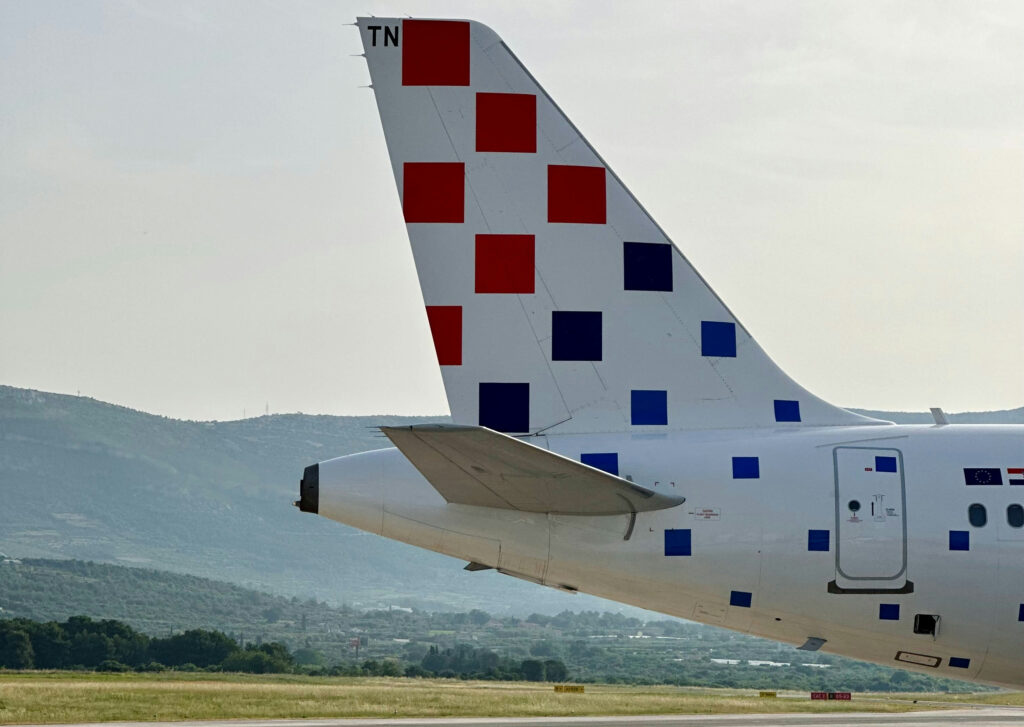
The story of the Croatian national airline began back on August the 7th, 1989. It took place during the dawn of major political changes, with the founding of Zagreb Airlines d.d., better known as Zagal. Far from its current recognisable red-and-white squares and modern aircraft, the company carried out its first operations in December of the same year with a single Cessna 402 C aircraft, dealing exclusively with the transport of postal items for the American logistics company UPS. However, after the first democratic elections, on July the 23rd, 1990, Zagal changed its name to Croatia Airlines, taking on the fateful role of the national company for the transport of passengers, goods and mail, becoming one of the symbols of the new, independent Republic of Croatia.
That dream of the state owning its own airline began to come true on May the 5th, 1991, when a chartered McDonnell Douglas MD-82 aircraft operated the first commercial passenger flight on the Zagreb-Split route, a historic moment that marked the beginning of regular air traffic within Croatia.
connecting a war-torn croatia with the world
Just one year later, in the midst of the Homeland War which saw blood spilled for independence and recognition, Croatia Airlines made a crucial step forward in connecting the then very isolated, war-torn Croatia with the rest of the world. On April the 5th, 1992, the first international flight was established on the Zagreb-Frankfurt route. That route became an air bridge to the rest of Europe for a country which had been so criminally left alone by the European community.
Shortly thereafter, Croatia Airlines became a member of the International Air Transport Association (IATA), and began building its fleet by purchasing three Boeing 737 aircraft from the German Lufthansa, a partner with whom it would develop a long-term and highly successful cooperation. The 1990s were years marked by very rapid growth: the fleet was expanded with ATR 42 aircraft, representative offices were opened in various European cities, and by the time 1994 rolled around, the airline’s millionth passenger was transported. The company experienced a special honour that same year when Pope John Paul II flew on its aircraft during his visit to Croatia, which was repeated twice more later on. A symbolic and bold move followed two years later in 1996, when Croatia Airlines became the first ever company to establish flights to Sarajevo after the end of the brutal war in neighbouring Bosnia and Herzegovina.
following the tumultuous 1990s, a new millennium called for modernisation

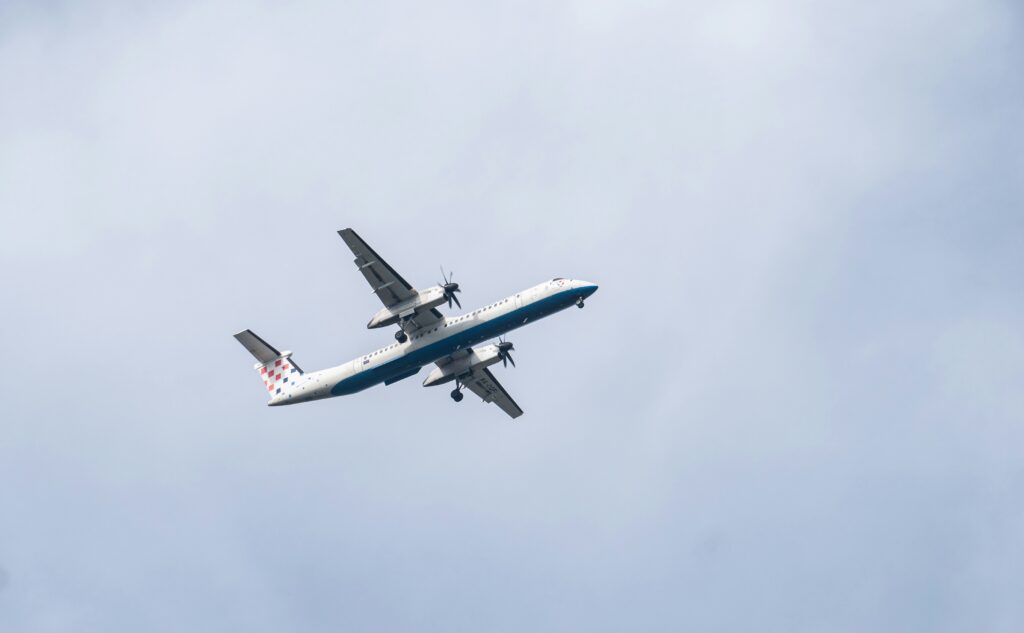
The end of the 1990s brought the first major technological transition and modernisation of Croatia Airlines’ fleet. The company made a strategic decision to replace its Boeing aircraft with more modern and efficient aircraft from the European manufacturer Airbus. The first Airbus A320, named “Rijeka”, arrived in 1997, and a year later it was joined by the first Airbus A319, named “Zadar”. This move laid the foundations of a fleet that would mark the next two decades of business. The key moment for global positioning occurred on November the 18th, 2004, when Croatia Airlines became a member of Star Alliance, the world’s largest airline association. Joining this prestigious association opened the doors to a global flight network for passengers and brought the company an international, trustworthy reputation. In parallel, the renewal of the fleet for short flights continued, and from 2008 to 2010, the older ATR 42 aircraft were replaced with six new Bombardier Dash 8 Q400 turboprop aircraft.
croatia airlines – dogged by financial woes, criticism and a pandemic
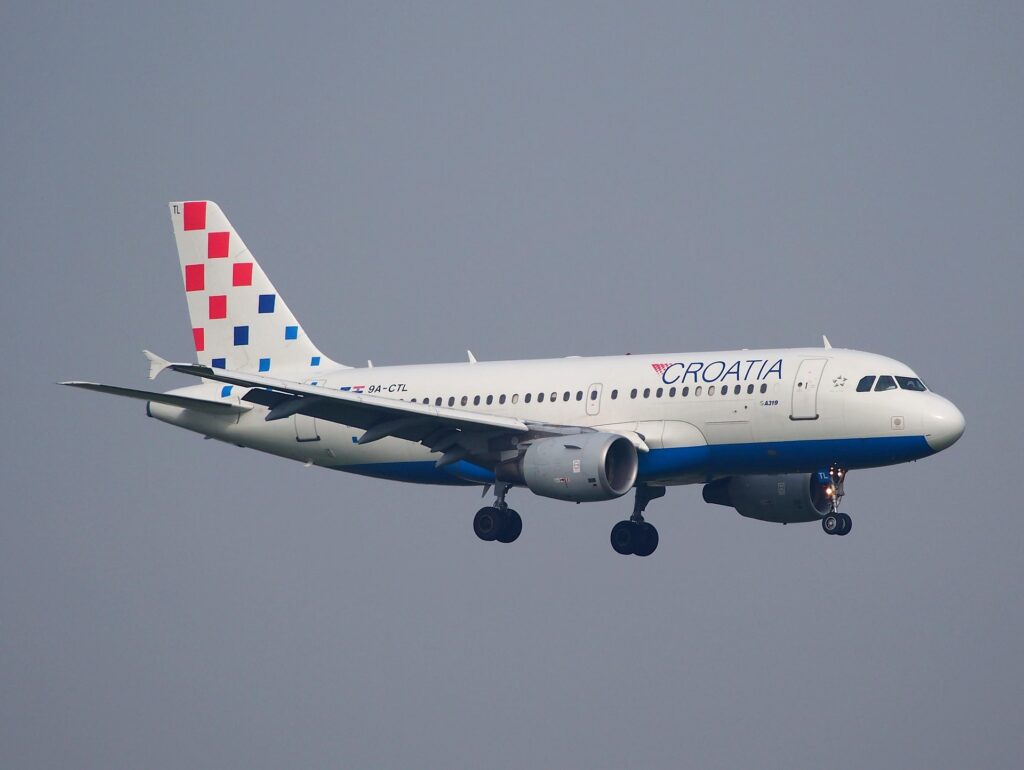
Like all good stories, this journey didn’t pan out without turbulence. The company faced an array of financial challenges, which in 2012 led to a restructuring process with the help of the state. The state remains the company’s majority owner to this very day. The global coronavirus pandemic that rocked the world in 2020 dealt the world’s aviation the hardest blow of all, but Croatia Airlines never stopped operating completely. In these truly extraordinary circumstances, the company played a crucial role in the repatriation of thousands of Croatian residents, the transport of humanitarian aid and the preservation of the minimal traffic connections which still did function. It was the post-pandemic period that brought about the decision on the most ambitious project in the company’s history.
total modernisation and a glance towards the future

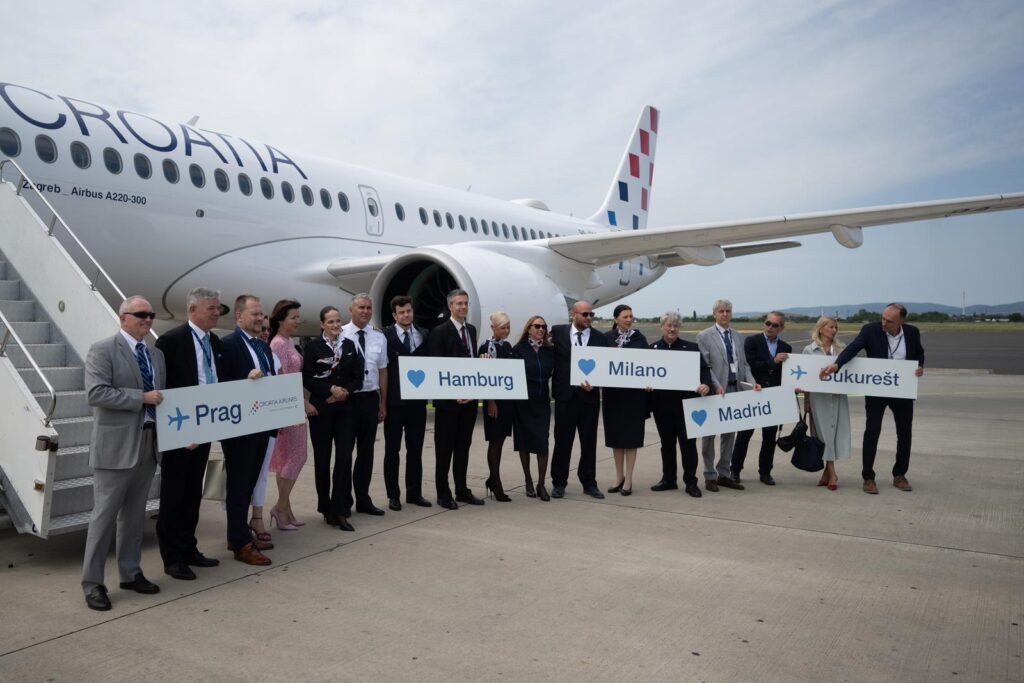
In 2022, a historic decision was made to completely replace Croatia Airlines’ entire fleet and switch to a single aircraft type, the Airbus A220. This move represented a massive technological leap forward that would ensure greater energy efficiency, with up to 25% lower fuel consumption and a significant reduction in CO2 emissions. The first of a total of fifteen ordered aircraft, the A220-300 named “Zagreb”, landed at Zagreb Airport in July 2024. Symbolically, the first commercial flights with the new aircraft were carried out on the historic routes Zagreb – Split and Zagreb – Frankfurt, thus completing the company’s rather touching story of 35 years of development. By the end of 2027, when the last aircraft is expected to be delivered, Croatia Airlines will have one of the youngest and most modern fleets in all of Europe, ready for new market competition and an expanded network of destinations.
In its 35 years of existence, which have been dogged by all kinds of issues and complaints, Croatia Airlines aircraft have performed more than 711,000 flights and transported more than 46 million passengers. The company has firmly grown into an indispensable part of Croatia’s transport infrastructure and a key partner of domestic tourism. From the old postal Cessna to the advanced Airbus A220, the journey of the national airline is a story of perseverance, adaptation and dogged determination.