September the 15th, 2026 – Brač residents worried for their properties and indeed their lives in the recent Milna fire were very clumsily advised to follow the TV and radio – despite having no electricity.
The Early Warning and Crisis Management System (SRUUK) was activated on Saturday evening because of a large fire in the wider Milna area on Brač. Lukrecija Zderic reports for Index that residents in that area received a message on their mobile phones with a link to instructions on how to act, along with advice to follow further announcements on television and radio. At the same time, part of Brač had no electricity, which raised the question of how exactly people without power were supposed to obtain new information about the fire.
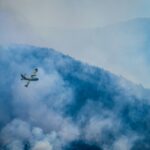
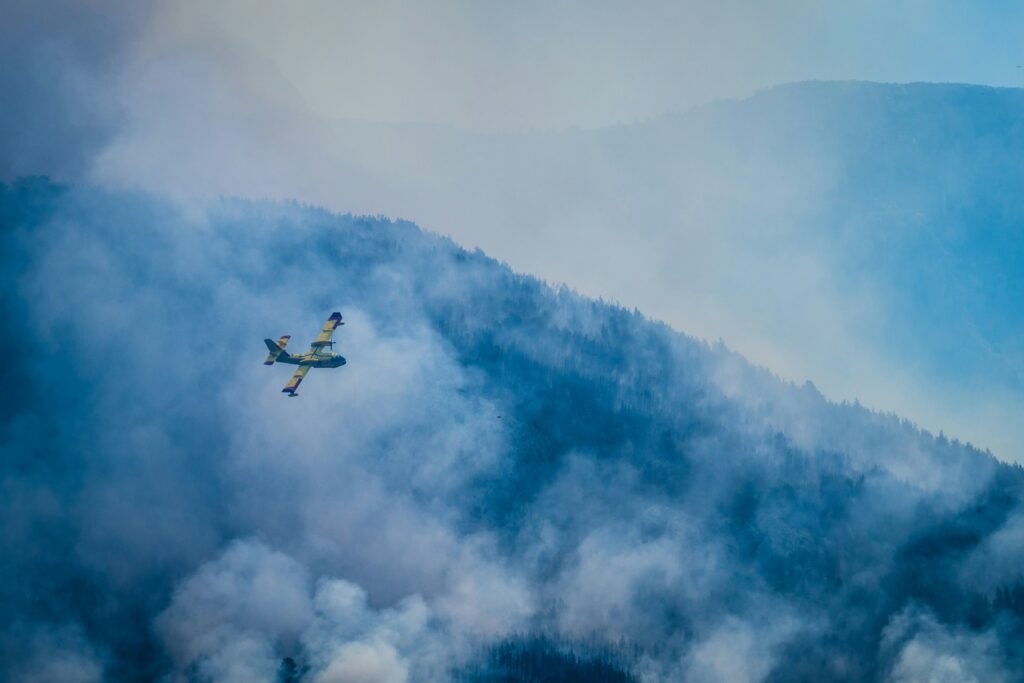
On Saturday evening, the fire, driven by strong wind, spread rapidly towards Milna as well as the bays of Duboka and Osibova, where Resort Gava with a large number of tourists is located. More than 200 firefighters were on the ground trying to stop the fire from spreading towards the populated area.
false evacuation and sruuk activation
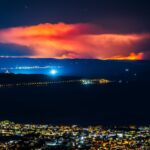
The red sky above Brač and Milna was visible even from Split, while Index readers filmed the firestorm approaching the settlement. As the situation became increasingly serious, various pieces of information about a possible evacuation began to arrive. Shortly before 23:00, a notice about the evacuation of the population was published on the Facebook page of the Milna Volunteer Fire Department. It stated that the situation was critical and called on citizens to make their private boats available for evacuation needs. The post was deleted about half an hour later, and services on the ground reported that there was no official evacuation.
At 23:28 the SRUUK was activated. Citizens in the endangered area received a warning via SMS or Cell Broadcast about the danger, together with a link to additional information. Clicking the link opens a page of the Ministry of the Interior (MUP), i.e. the Civil Protection Directorate, containing “Instructions for Citizens.” These are general instructions on how to behave during a fire, and below them citizens are directed to follow further announcements via television, radio and links of the Civil Protection Directorate. At that moment Milna was already without electricity. The earlier post about evacuation further confused residents. Some did not know whether they should leave the place, so they prepared for evacuation and went out onto the street by the sea.
The SRUUK activated once again that evening at 00:22, when citizens once more received a link with instructions on how to act in the event of a fire. Why residents in the endangered area without electricity were recommended to follow information via TV and radio remains unknown for now. Because of the approaching fire a partial evacuation of the most endangered parts of Milna and the surrounding area was carried out, while the entire settlement was never evacuated at any point.
a fire warning for a fire on an island was received in split… on the mainland
The Civil Protection Directorate was therefore asked for an explanation as to exactly why citizens in an area affected by a power outage were directed to television and radio, who in such a situation is responsible for delivering key information, and how many times the SRUUK was activated during the fire on Brač. We will publish the answer when we receive it. However, the problem was not only in the content of the messages. Residents we spoke to said that some received the warning around 23:00 and then again after midnight, while others received only the first message. According to their accounts, some residents of Supetar received no warning at all.
At the same time, a warning about a significant fire danger was also received by some citizens who were at that moment in Split and on the island of Hvar, even though they were not on the territory of Brač. We have also requested an answer from the Civil Protection Directorate on this issue.
a heavily criticised system
The SRUUK has previously been criticised for not being activated during crisis situations. The last time this happened was during the large fire near Omiš, in which three people died and five more are still fighting for their lives. The fire left enormous consequences — people were left without homes and jobs, thousands of hectares of forest burned, and the safety of the population remains threatened due to possible landslides.
The non-activation of the system at that time was justified by Split-Dalmatia County Prefect Blaženko Boban with the assessment that sending a warning could cause panic. On Brač the opposite question has arisen: did the unclear communication from the services further contribute to confusion and panic among residents? In the fire that has been burning on Brač for several days, around 4,000 hectares of forest, low vegetation and maquis have totally burned, as have private buildings, cars and one resort. Around 700 people were evacuated and two people were injured. There is still some smouldering on the ground, the fire has not been completely extinguished, and firefighters remain on alert.
Over 200 firefighters on the ground have for days been making superhuman efforts to defend houses and protect residents. For the locals they are heroes who risk their own lives to protect people and property. Yet the question remains how much help they receive in crisis situations from a system that the state paid 8.4 million euros for. The SRUUK was conceived as a tool for timely warning of citizens. On Brač, however, it has been shown that simply sending a message is not the end of its job, the key question is whether citizens can, after that message, actually receive clear, timely and useful information when they need it most.