
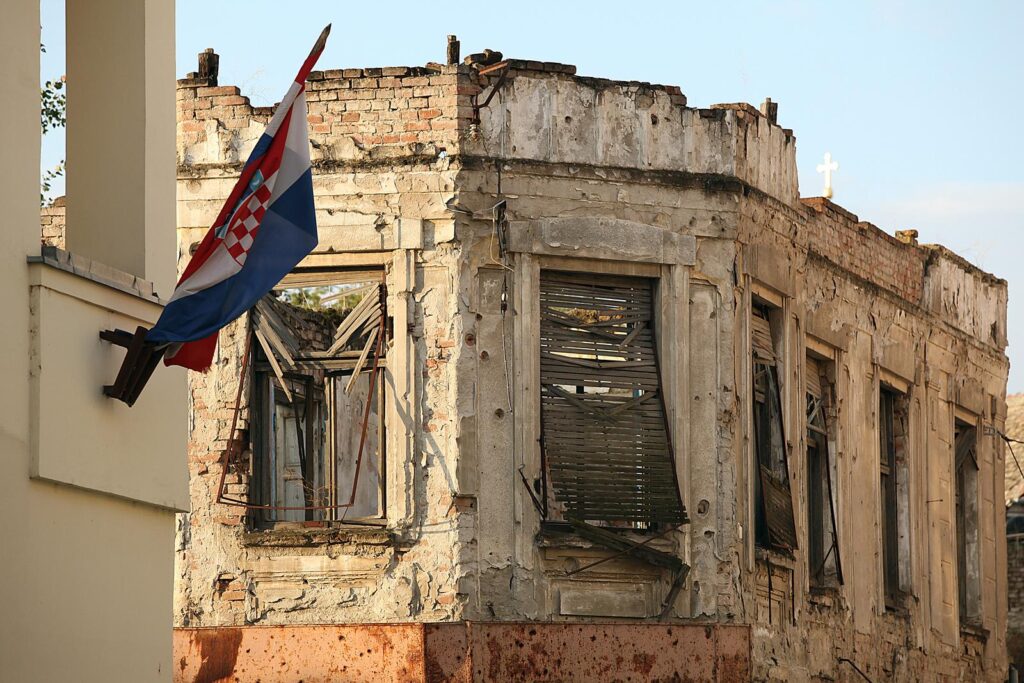
November the 10th, 2026 – Claiming Croatian citizenship is no easy feat without professional assistance, but it becomes even more of a quagmire when your ancestral records were destroyed during the war. Luckily, there’s help available to guide you through what’s often a difficult, lengthy process.
America is a melting pot and there’s a lot of Croatian “ingredients” within it. There are countless Americans who have Croatian descendants scattered across North America, and many have a desire to not only reconnect with their family histories, but cement that connection with a Croatian passport of their own. For all of them, the journey toward claiming a Croatian and as such EU passport begins with a simple request, and that’s obtaining an ancestor’s birth certificate (rodni list) from that usually long gone relative’s home village somewhere in Croatia. For many such would-be applicants, that’s where the journey typically ends.
the dead end… or is it?
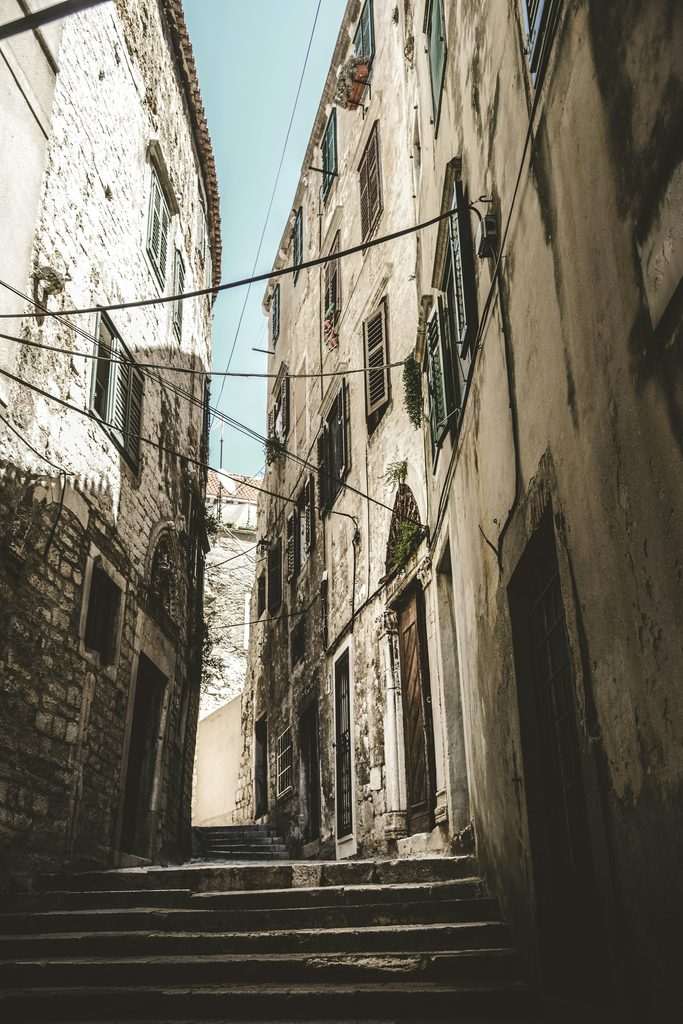
There’s a reason why what sounds like such a simple procedure comes unstuck so often – the war. For families whose roots trace back to areas of the country which were particularly heavily impacted by the Homeland War, including Slavonia, Banovina, Kordun, or the Dalmatian hinterland, the first step is also the last.
When DIY applicants reach out to local municipal registry offices or consular officials, they’re frequently met with the response that the old local archives were burned, shelled, or simply became completely lost during the war, and the primary civil records simply no longer exist. For most diaspora applicants, this feels like the end of the road. They assume that without an original birth certificate of a relative who actually came from Croatia, proving their lineage under the Croatian Citizenship Act is impossible. Fortunately, a destroyed municipal archive doesn’t erase your legal right to Croatian citizenship, even if those who destroyed it during the 1990s had hoped that would be the case. It just means your application requires administrative (and often legal) reconstruction rather than standard document retrieval.
a missing birth certificate doesn’t have to mean the end of the croatian citizenship road…

Under current Croatian administrative law, the Interior Ministry requires an unbroken chain of evidence proving your ancestor’s identity, birthplace, and connection to Croatia. When primary civil registries end up being destroyed, the law does allow applicants to rebuild that proof using secondary historical records. However, you can’t simply submit a family story or a letter stating the records were burned or lost during the war. To satisfy Croatia’s somewhat strict legal thresholds, you need obtain an official certificate confirming the destruction of the primary registry, and then pair it with alternative, state-recognised proof of your ancestor’s birth and residency.
duplicate histories, and why croatia’s love of recording everything more than once leans in your favour…

Back during the 19th and early 20th centuries, vital events in Croatia (and there were very many) were rarely recorded in just one single book. This era was a very turbulent time for what is now Croatia, with regimes and empires coming and going fairly often. That means that even if a local town hall was destroyed in the 1990s, parallel records often survived in completely different institutions across the country. It’s finding them that can be tricky. Reconstructing a lost Croatian lineage often involves hunting down secondary evidence across four main repositories.
First, you usually need to begin with the Diocesan church archives. Catholic parishes usually held meticulous baptismal, marriage, and death registers. Parishes were, at least historically speaking, required to send duplicate copies of these books to regional bishoprics or archdiocesan archives in bigger cities like Zagreb, Split, or even (again, historically speaking) Đakovo. This largely kept them safe from localised village destruction.
Then comes the regional state archives. These often contain much older civil records. Usually older than 100, these records were frequently transferred out of local municipal offices and into regional state vaults long before the final fall of Yugoslavia in the 1990s.
Another particularly important area to explore are the property registries. These are historical court records detailing land ownership, agricultural plots, and inheritance deeds. Logically, they tend to list exact family lineages, birth years, and familial relationships.
Then comes the historical Census and conscription lists. Austro-Hungarian or early 20th-century regional tax rolls, school registries, and military draft lists can serve as vital corroborating evidence to establish an ancestor’s presence in a specific village. The interesting thing here is that you shouldn’t necessarily be put off if you don’t find your ancestor listed as even being Croatian. Given the period we’re talking about here, they very likely wouldn’t be.
why taking the diy approach often falls flat
While secondary reconstruction is completely legal, executing it from thousands of miles away is nearly impossible for a DIY applicant. Local municipal clerks in Croatia are rarely equipped (or obligated) to act as historical detectives on behalf of overseas applicants. Frankly, they’ll likely ignore a single rogue applicant from somewhere in America until you go away. If a record is missing from their immediate database, their job ends at telling you it isn’t there. Hunting down duplicate baptismal books in a diocesan vault or pulling 19th-century inheritance deeds from a regional court requires physical presence, archival knowledge, and proper knowledge of administrative Croatian – and that’s not something you can muster up overnight (trust me on that).
how croatian by descent‘s services can be your guide
All is not lost. There are services which aid would-be Croatian citizenship applicants in exactly this, and Croatian By Descent is one of them. Their guidance and knowledge of the process, particularly for US applicants, can turn what seems like an administrative dead end into a genuine, flowing path towards that Croatian and EU passport. Instead of accepting a “records not found” notice at face value, their team, comprised of diaspora Croats themselves, utilises local archival experts who not only understand how to trace where surviving duplicates are housed, but have the skills to grasp what that undertaking looks like. They navigate the regional state archives, coordinate with authorities, and help you to compile the combination of documents required by the Interior Ministry. They also work with lawyer partners who are on hand to help push through anything that ends up being trickier than expected.
By pairing this investigative archival work with document formatting, they give you the best chance possible of your application meeting the requirements, even if your ancestral village’s town hall didn’t survive the war.
Subscribe to our newsletter
the fields marked with * are requiredRelated posts:
 As Croatian Passport Power Climbs, So Does Diaspora Interest in Obtaining One
 Croatia–US Economic Relations: Tax Changes Open Doors for Diaspora Business
 Why Ancestry.com Is Not Enough to Get You a Croatian Passport
 Why Your Ancestor’s “Austrian” or “Italian” Passport Doesn’t Mean You Aren’t Legally Croatian