August the 25th, 2026 – On August the 25th, 1991, the battle of Vukovar began, marking the start of one of the most devastating chapters of the Croatian War of Independence.
The most harrowing episode of the Homeland War began on this day in the eastern Croatian city of Vukovar when members of the JNA from the barracks in Vukovar joined Serbian paramilitary units. After doing so, they jointly launched an attack on both Borovo and Vukovar. Index writes that the siege lasted 87 days and transformed Vukovar into a symbol of Croatian resistance and heroism during the Homeland War.
the initial conflicts begin
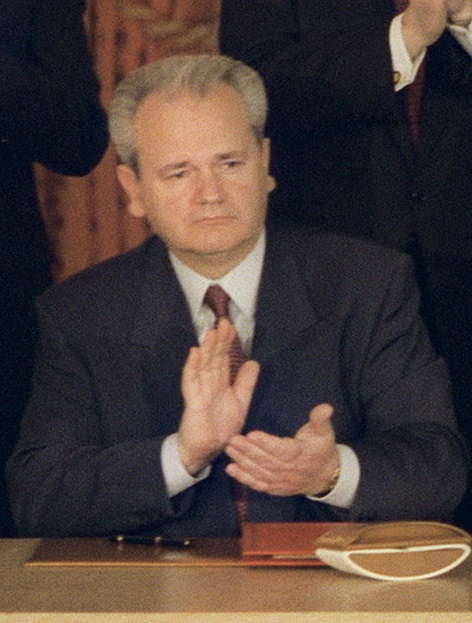
After Croatia declared independence on the 25th of June 1991, local conflicts in eastern Slavonia had already begun. For centuries Vukovar had been a city where Croats, Serbs and Hungarians lived in peace, but the situation changed at the end of the 1980s with the rise of nationalism and the policies of Slobodan Milošević, who wanted to consolidate power in Belgrade.
On the 25th of August, the JNA left the barracks with six tanks that blocked the road towards Bogdanovci. The very next day a new attack on Borovo began that lasted the entire day. The firing briefly stopped, and already during the following night another offensive started. By the 30th of August, the clashes continued one after another, after which a short ceasefire occurred during which weapons were delivered to the Croats in Vukovar from Slavonski Brod, Vinkovci and Zagreb. At that time Mile Dedaković arrived in Vukovar and organised the army and defensive positions in the city.
the serbs wanted to go all the way to zagreb

The JNA commander in Vukovar was Života Panić, who wanted to capture Vukovar as quickly as possible in order to prevent further mobilisation of the Croatian army. The original JNA plan was to take Vukovar and Osijek, then occupy all of Slavonia so that the road towards Varaždin and Zagreb would be open. However, problems already appeared when fewer than two thousand Croatian soldiers withstood numerous JNA attacks in Vukovar.
The plan was not helped by the fact that only 13% of those fit for military service responded to the call-up. After news arrived of the large number of casualties in Vukovar, many soldiers deserted, and by the end of 1991 there were six thousand open court proceedings against deserters. The failure of mobilisation meant the cancellation of the grandiose conquest of the whole of continental Croatia, culminating with Zagreb.
the fall of vukovar and horrific crimes against humanity
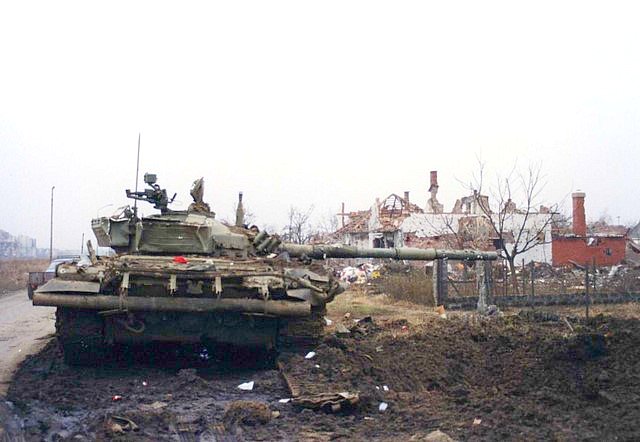
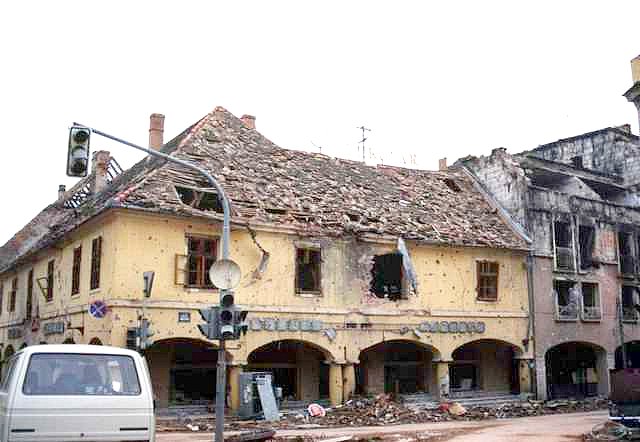
Vukovar endured a three-month siege in which seven thousand projectiles fell daily. On the 18th of November the city fell, although only 10–15% of the buildings actually remained. The rest were entirely destroyed. The army entered the city and the expulsion of the non-Serb population and horrific war crimes and crimes against humanity began. Neighbours accused other neighbours of being a defender, informed on where families were located, and just a few days later more than 250 civilians were brutally killed at Ovčara in one single night.

The total number of victims is measured in the thousands of people, and there are probably other undiscovered mass graves containing those who disappeared during the war. The Serbian government under Aleksandar Vučić refuses to cooperate so that the remaining mysteries from the war can finally be resolved.
The city was returned to Croatia only in 1998 through peaceful reintegration, and the 18th of November is marked in Croatia as the Day of Remembrance of the Victims of the Homeland War. Vukovar has still not recovered from the war: today it has just over 25,000 inhabitants, while in the years before the war it was home to 45,000 people. As the largest Croatian port on the Danube, Vukovar was a busy centre of trade and transport.
Today. it is only a shadow of what it once was, and Croatian authorities from the 1990s until today have not invested enough in it. It was the fifth-largest city in the former Socialist Republic of Croatia, then larger even than Zadar, while today it is not ranked among the ten largest Croatian cities.