February the 8th, 2026 – Croatia is home to many gems, both natural and man-made, but few realise that it’s actually the home of one of Europe’s last rainforests. Entry into it is strictly prohibited…
As Putni kofer/Ivana Vasarevic writes, it’s the globally famous pride of Lika and an absolute paradise in the very heart of Europe. It’s clear as day that we’re talking about Plitvice Lakes, the first, oldest and largest national park in all of Croatia. It was awarded this flattering title back in 1949, and in 1979 it was included on the UNESCO World Heritage List.
the private secrets of the very public park
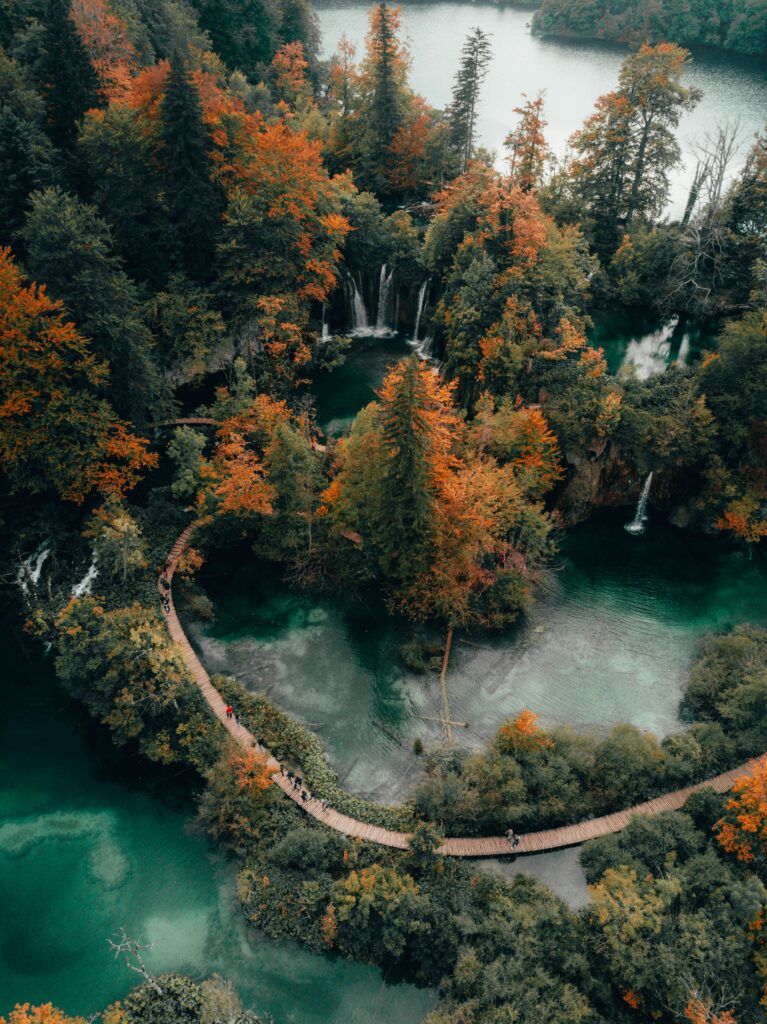
It’s the location of as many as sixteen larger, as well as many numerous smaller lakes, all connected in cascades, boasting impressive waterfalls, wooden paths and bridges. You can visit all of this on foot, by train or (or) by boat, but did you know that in the northwestern part of the Plitvice Lakes National Park there is another natural wonder that will take your breath away? Few have heard of the gorgeous Čorkova uvala, located at an altitude of between 860 and 1028 metres above sea level, spanning a total area of around 84 hectares.
croatia – the home of one of europe’s last remaining rainforests
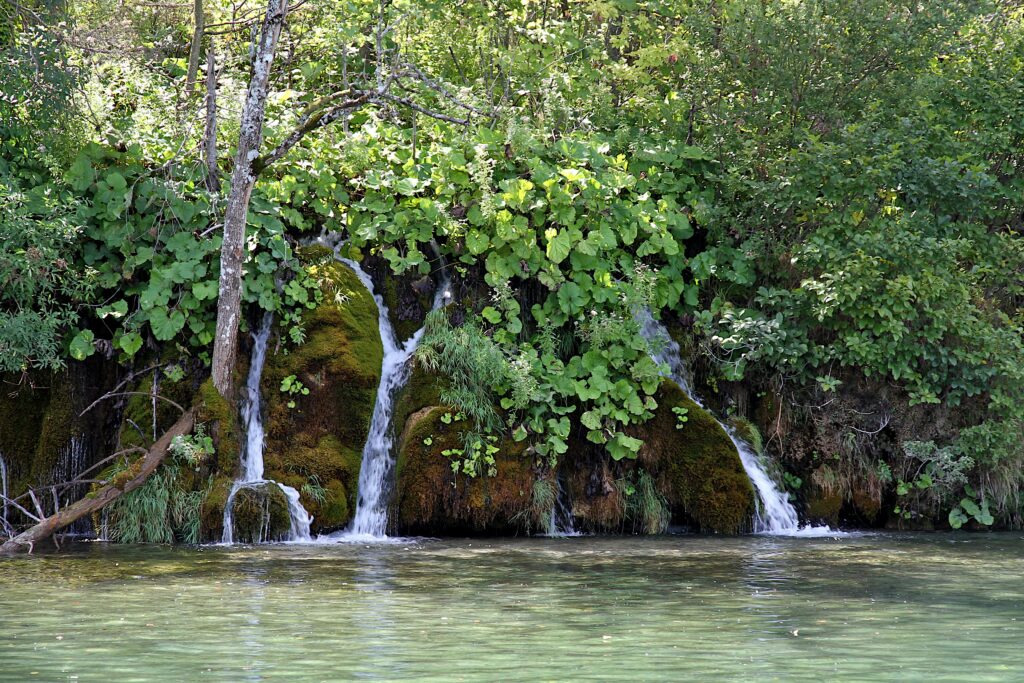
This secretive location in the heart of Croatia is actually one of Europe’s last remaining rainforests, which developed without or with little human influence. This means that life processes in it proceed completely unhindered, resulting in the presence of all developmental stages that relate to all components of the highly intricate rainforest ecosystem.
In modern-day Čorkova uvala today, there are trees of various heights, thicknesses and ages, including a common fir tree that is over 500 years old, up to 58 metres tall and with a trunk diameter of about 150 centimetres. Equally impressive dimensions are also reached by the common beech and common spruce trees growing there.
it is named after an abandoned, ancient village
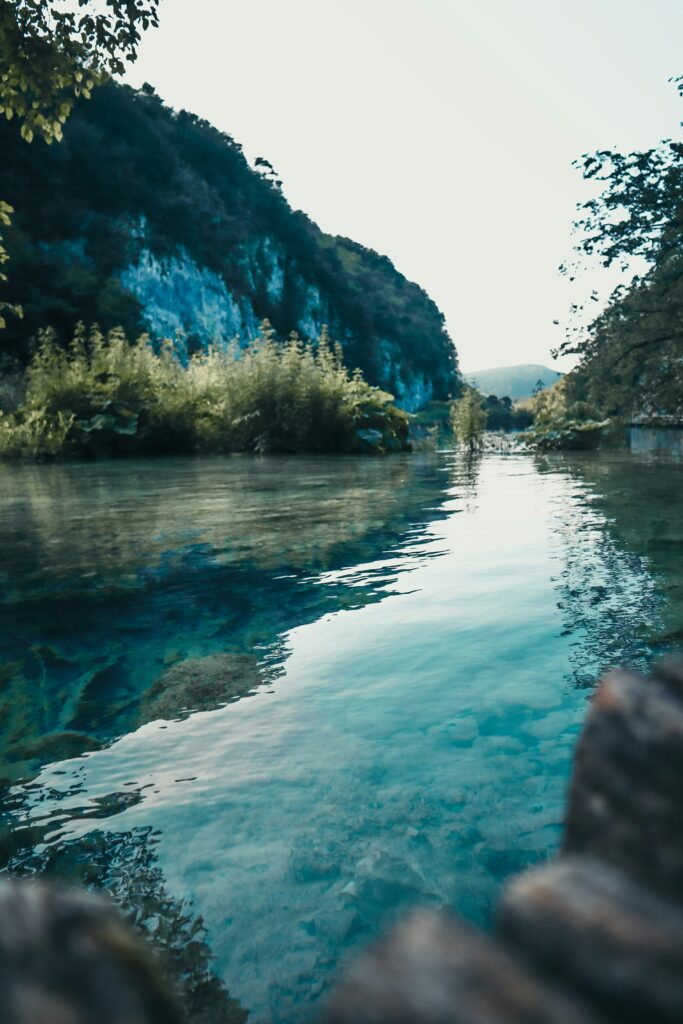
This green oasis within Croatia’s heart is the most beautiful rainforest of the Dinarides and one of the last well-preserved and intact rainforests in all of Europe. It was named after a long-forgotten village, the remains of which can still be seen on its outskirts today.
The richness of the flora of the Čorkova uvala rainforest is evidenced by as many as 1,267 known plant species growing not only in that smaller area but in the national park as a whole. 75 of these plants are endemic, with 55 different species of orchids growing there. There are also 321 species of butterflies recorded as living in the area, as well as 161 species of birds and 21 species of bats. Of the large animals, the most impressive (and grumpy) inhabitant of this unique rainforest is the mighty brown bear.
a mosaic deep within lika
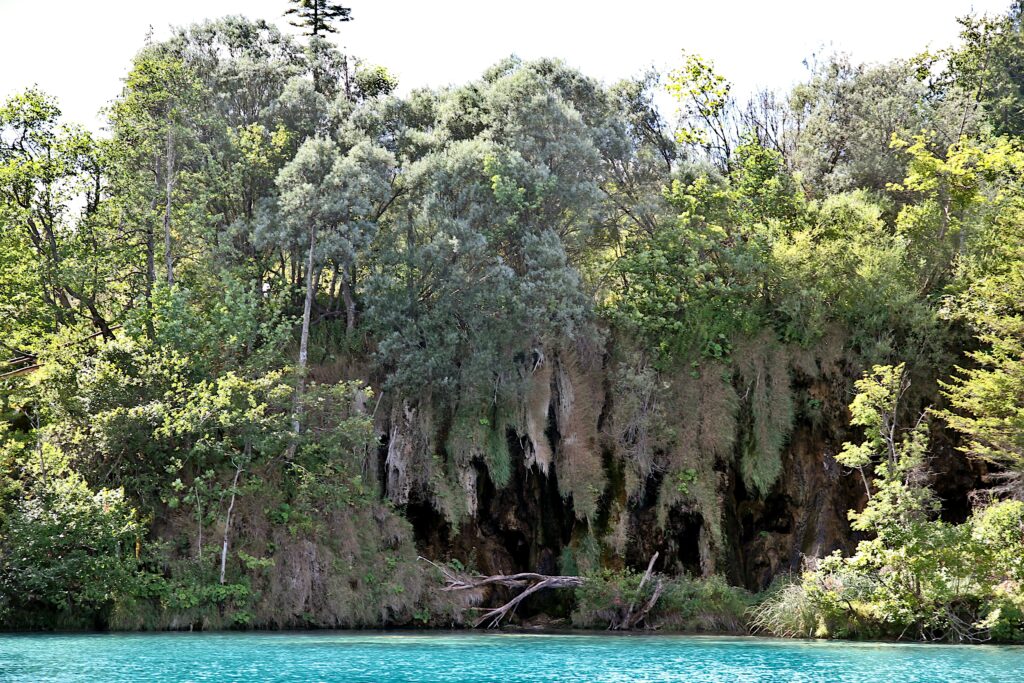
This ancient rainforest undergoes constant changes throughout its centuries-long development cycles. During them, the ratio of tree species, vertical layering, the amount of dead wood, the size of the openings in the crowns, the likelihood of windbreaks, the invasion of harmful insects, all take place.
However, these phenomena don’t affect the entire rainforest at once, but only some of its parts, and this is what gives it a beautiful mosaic appearance. Rainforests like this one in the very heart of Lika are extremely important for the preservation of natural heritage. In addition to an exceptionally high level of biological diversity, they also have an enormous potential for genetic diversity.
entry into the rainforest is forbidden
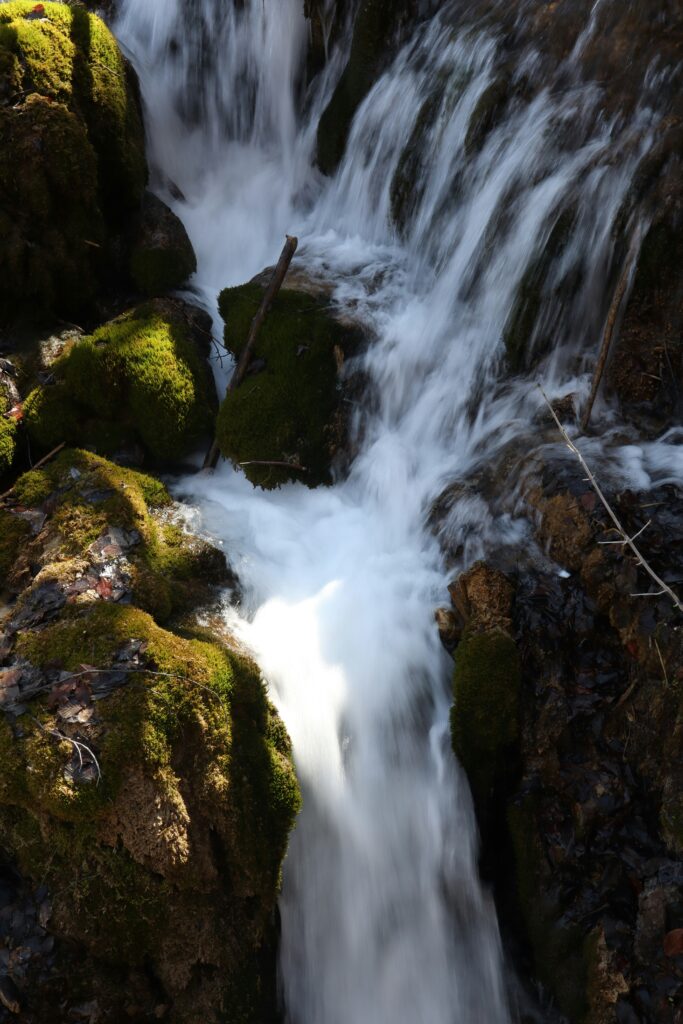
In the past, very few trees were ever cut down in Čorkova uvala. When it was done, it was only to make planks that were once used to cover the old houses in the area, which wouldn’t have been enough to have disturbed the structure of the rainforest itself. Today, this green oasis is intended exclusively for scientific research, which means that “ordinary” people are prohibited from entering it.
Every person or institution must first contact the competent ministry, which then issues a permit for any research to be conducted. Without this, the rainforest cannot be entered. Access is only allowed to one location nearby. This is the village of Čorkova uvala itself.