
August the 8th, 2026 – There’s a so-called Croatian dead sea, tucked away on a southern Dalmatian island paradise, just a stone’s throw away from the hustle and bustle of Dubrovnik.
Hidden away on an island in the very far south of Croatia lies an unusual lake that shares its name with the saltiest sea in the world. In summer it is a popular swimming spot. Just a few hundred metres from the famous Dubrovnik lies the island of Lokrum. Putni kofer writes that this beautiful little island of small size and great diversity is a must-visit destination for a trip from the Mediterranean pearl and offers peace and beauty that can rarely be experienced elsewhere. But did you know that Lokrum also hides the Croatian Dead Sea? That is exactly what an unusual lake is called that has become one of its most popular swimming spots in the summer months.
The Croatian Dead Sea – 30 metres wide and 10 metres deep
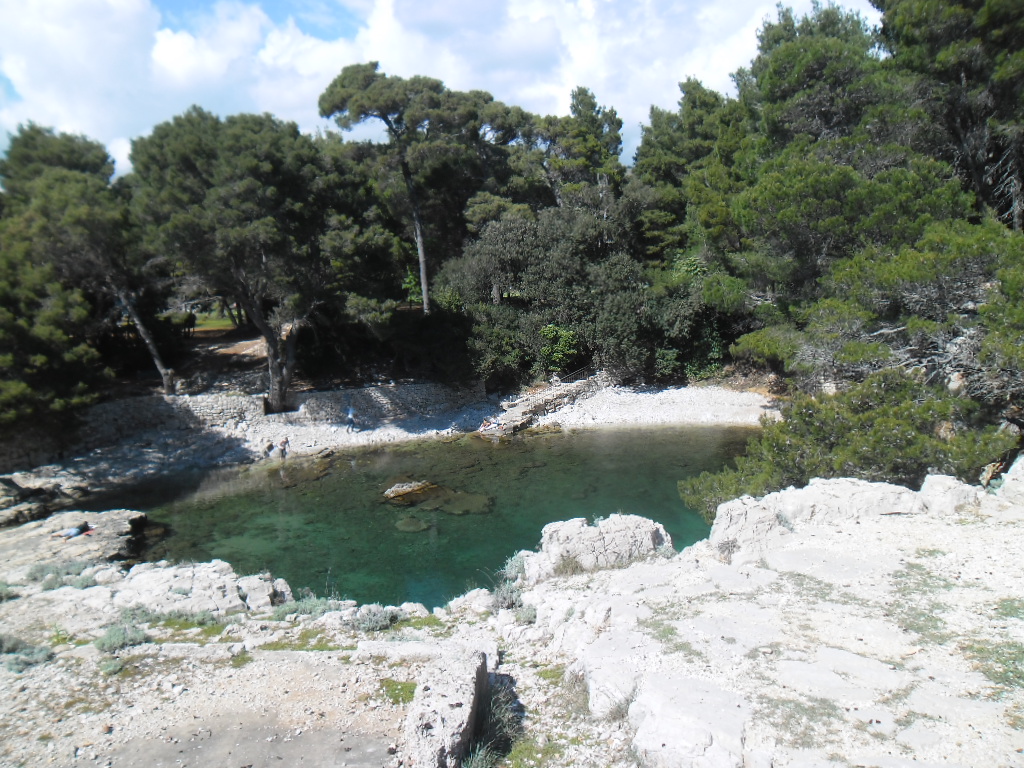
The island of Lokrum itself is believed to have got its name from the abundance of sour wild orange trees that once grew on it, derived from the Latin word for sour fruit, acrumen. Its highest peak, Glavica, is 96 metres high, and on the southern part of the island there is also a small lake. That is precisely the Croatian Dead Sea!
It is 30 metres wide and, at its deepest point, ten metres deep. Its southwestern shore is not kind to visitors, but the northeastern one is. That is why the Croatian Dead Sea has become one of the favourite swimming spots on the island, especially for families with small children.
This natural wonder is actually a saltwater lake connected to the Adriatic Sea by a narrow channel. The enclosed natural cove is ideal for swimming because there are never any waves in it, and the water is shallow and warmer than that on the open sea. In summer the lake on the island of Lokrum is full of bathers and tourists, so it is best to visit it out of season or in the early morning hours. Nearby there is also a natural stone arch that locals call “Buža”, a favourite backdrop for photographs among tourists. The Croatian Dead Sea was of interest to numerous researchers and travel writers who, as early as the 19th century, analysed and described the chemical composition of its seawater. Today this lake is part of the Natura 2000 ecological network, and its condition is regularly monitored.
the island of plants…
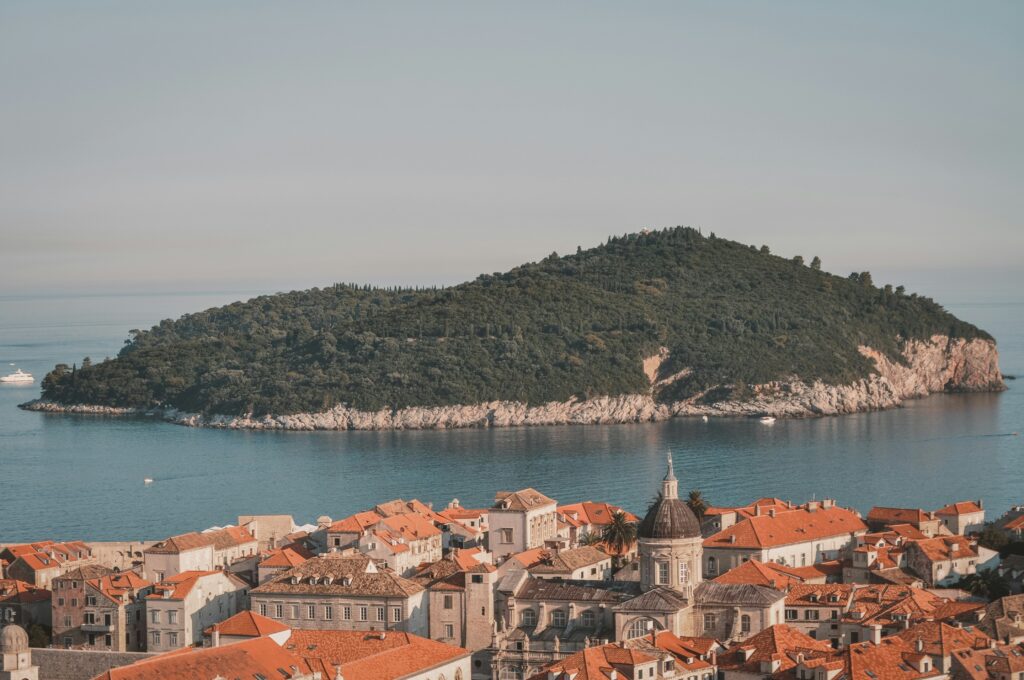
Over many millions of years, the rocks have been extremely tectonically disturbed, as evidenced by the systems of cracks and faults that are gradually widened by karstification and the erosive action of the sea. Thus a former erosional depression in the relief, today known as the Lokrum swimming area, was filled with the sea in the youngest geological period, the Quaternary. You can very easily reach the island by regular boat lines from Dubrovnik. This pearl of the southern Adriatic was first protected as early as 1963, and since 1976 it has had the status of a special forest vegetation reserve. Hundreds of plant species grow on it, including 70 species of eucalyptus.
Besides the botanical garden and the beaches, the biggest attractions are also the abandoned Benedictine monastery and the castle on the southern part of the island. You can simply walk across Lokrum, but if you really want to enjoy it and explore it in more detail, we definitely recommend setting aside a whole day.