

August the 8th, 2026 – The Croatian Chamber of Commerce (HGK) has stated that climate change is already costing Croatia exceptionally dearly, and that major investments are required sooner rather than later.
Record heat, droughts and fires are no longer a problem of the future but already represent a serious risk to the Croatian economy, warned Marija Šćulac, vice-president of the Croatian Chamber of Economy (HGK), on HRT. According to the estimates she presented, damages from climate change at the European level without adequate adaptation measures could reach a staggering 126 billion euros annually.
“All these extremely high temperatures, droughts, fires and other disasters today have their real, concrete economic price,” Šćulac warned. Index reports that she added that Croatia belongs to the group of countries particularly exposed to climate risks, among other reasons because of the size and structure of its economy.
Croatia should invest an additional 1.1 percent of GDP annually

According to World Bank estimates cited by Šćulac, Croatia would need to invest an additional around 1.1 percent of GDP annually for climate change adaptation and decarbonisation. Although this is a large amount, she warns that postponing adaptation could be significantly more expensive in the long run. “When we talk about climate change and climate resilience today, we are not talking only about environmental protection, but primarily about economic competitiveness,” she said.
Šćulac says that almost no economic sector is immune to the very serious consequences of climate change, but that some are particularly vulnerable. Agriculture is already facing extreme temperatures, droughts and heavy rainfall that reduce yields. Climate change could also alter tourist habits. “Because of high temperatures, guests will change their habits and come less and less during the hottest summer months,” Šćulac said.
The tourism sector will therefore have to extend the season and adapt business models, while construction must find ways to organise work during extreme heat. The consequences of droughts and low water levels are already being felt in transport and logistics as well.
there’s no alternative to the energy transition
A particular problem is the energy sector, where high temperatures increase electricity consumption while simultaneously creating pressure on production.
“The energy transition, especially in the context of climate change, has no alternative. However, Croatia must accelerate this process tremendously,” Šćulac warned. She emphasised that the transition doesn’t mean only building new solar and wind power plants. She considers the modernisation of the electricity grid key so that it can accept an ever-greater share of production from renewable sources. Battery systems should also play an important role, storing surplus electricity during periods of high production and returning it to the grid when demand rises.
“The modernisation and construction of the electricity grid is the key, largest and most important infrastructure project of Croatia’s energy transition,” Šćulac concluded.
all of europe’s agriculture is suffering
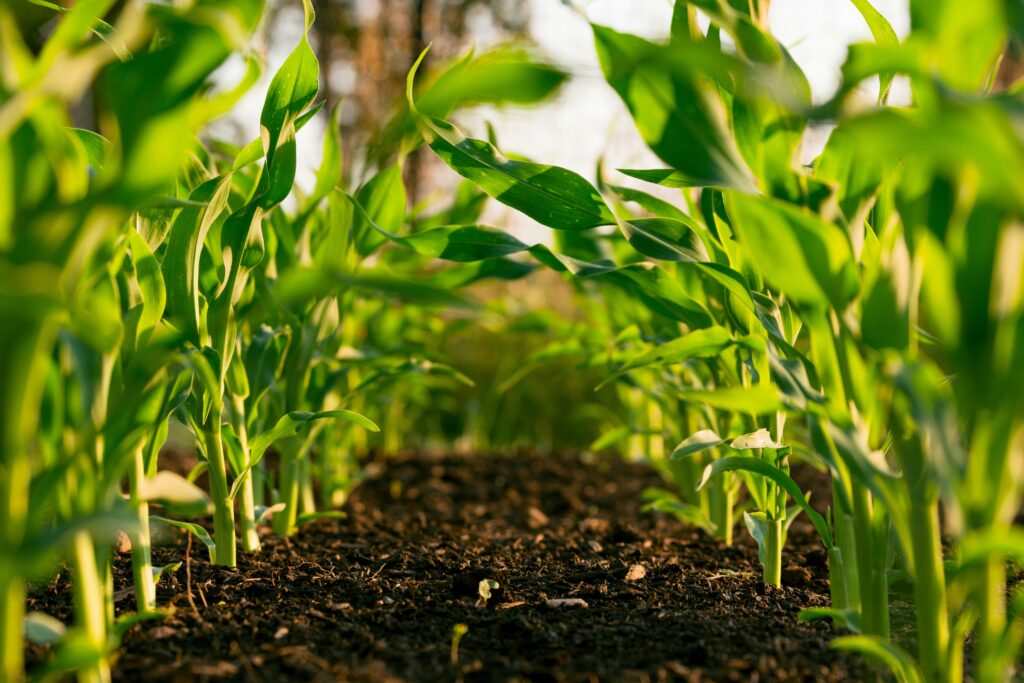
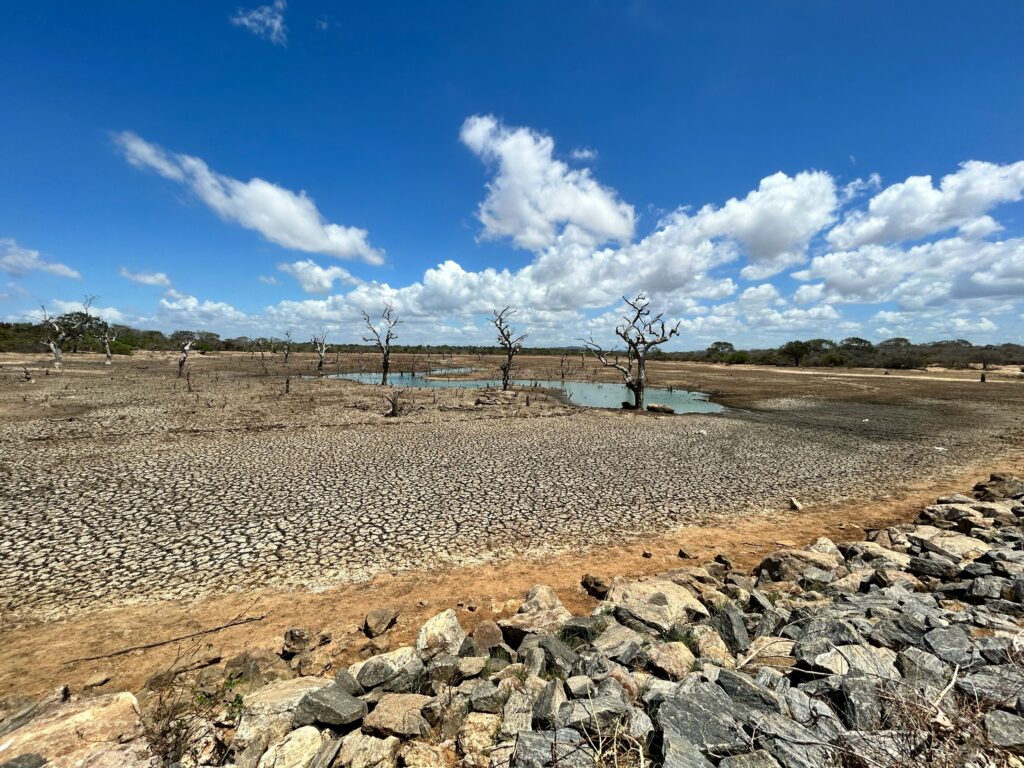
Extreme weather conditions are already strongly affecting agriculture outside Croatia as well. In parts of Europe, pronounced drought and very high temperatures are being recorded, while food price growth has accelerated again. Up in northern Europe, particularly in England and Wales, an exceptionally dry July was recorded, and drought was declared in certain areas of England. The consequences are already visible on agricultural land.
“This picture was taken on the 26th of June this year, and this one on the 29th of July. So the difference is only one month. But look at how it looks after we had such a pronounced heatwave, and this month there was no rain at all,” said geospatial data expert Tom Gray, showing changes in the area of southern England.
Problems are also pronounced in the German state of Bavaria, where farmers expect very weak grain yields. “In my region, there has been practically no precipitation for two months and that’s an absolute catastrophe, especially for cereals. We are recording some of the worst grain yields since records began. And after a strong storm we also had to deal with hail damage,” said farmer Michael Pellmeyer from Freising. High temperatures are also affecting the prices of agricultural products elsewhere in the world. In South Korea some products at markets rose by a third in just one week, and cases of prices doubling were also recorded.
hunger risks are mounting
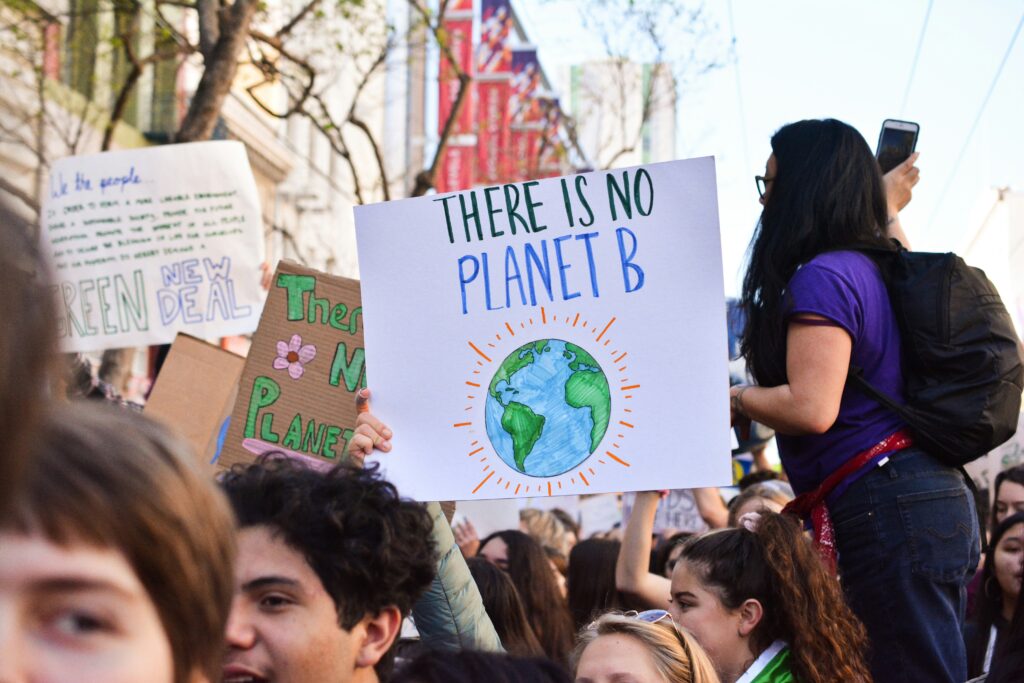
The UN World Food Programme warns that strong climate disruptions can further increase the number of people facing hunger, especially in combination with wars and economic instability.
“Such conditions include the warming of the Pacific Ocean, which affects the climate around the world. The previous El Niño caused a large increase in hunger,” said Jean-Martin Bauer, director of the Food Security and Nutrition Analysis Service of the World Food Programme. Climate change is thus already simultaneously affecting food production, energy, tourism, transport and infrastructure, which is why the HGK warns that the ability to adapt will increasingly determine the competitiveness of the Croatian economy.
Subscribe to our newsletter
the fields marked with * are requiredRelated posts:
 The Croatian Chamber of Commerce (HGK) Requests Priority Vaccination for Shop Assistants, Builders, Undertakers
 Croatia to Receive €1.4 bn From New EU Climate Action Social Fund
 Karlovac Among First Cities in Europe With Low-Carbon District
 The Croatian Cities Most Likely to Face Rising Temperatures