
June the 16th, 2026 – Islanders in Croatia face issues we often don’t even think about. Here are 10 of the main Croatian island problems that lie behind the tourism glamour, from healthcare to demographics and waste.
Croatian islands are often presented as symbols of pristine beauty, successful tourism, and a high quality of life. Every summer, they attract millions of visitors and dominate promotional images of the Adriatic. However, behind this seasonal shine lies a set of structural problems that significantly affect everyday life for island residents and threaten the long-term sustainability of these communities.
At a recent island-focused discussion held by the Croatian Chamber of Economy in Split, experts and stakeholders highlighted ten key challenges that are often overshadowed by tourism success.
Healthcare and access to medical services

One of the most pressing issues is the limited availability of healthcare. On many islands, general practitioners and specialists are not permanently present, and emergency care often depends on weather conditions and transport availability to the mainland. This creates a sense of insecurity, especially among the elderly population.
Transport connectivity
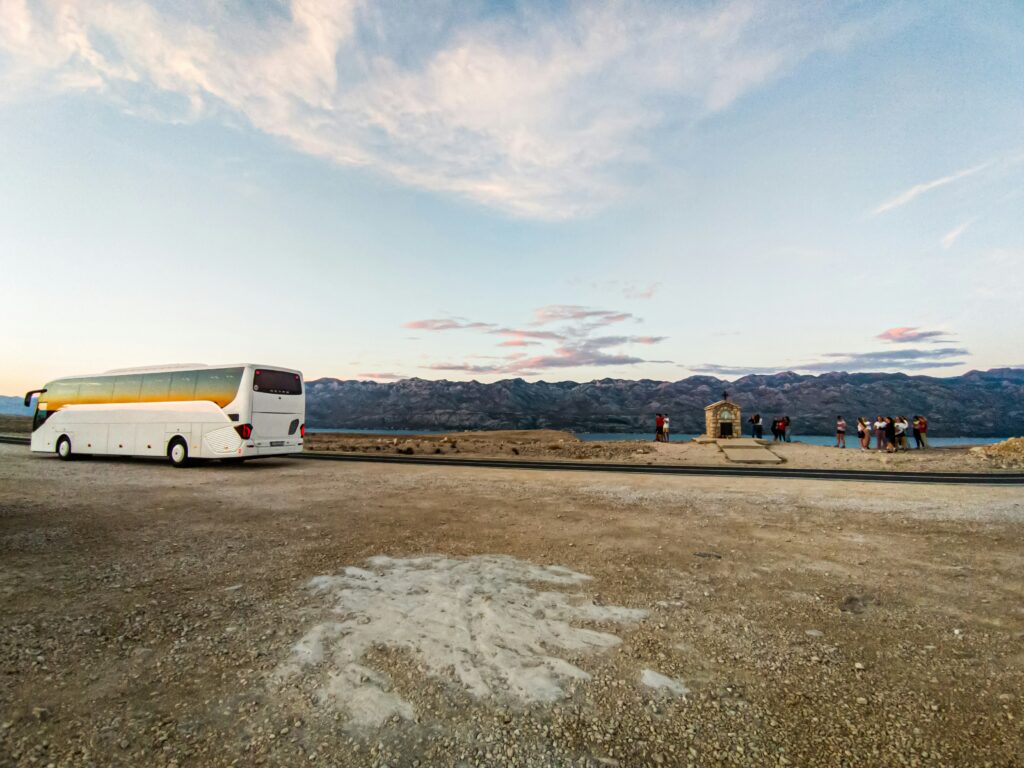
Transport isolation remains a fundamental challenge. Island mobility depends heavily on ferries and catamarans, while schedules and prices often fail to meet residents’ needs. Seasonal congestion, delays, and limited frequency further complicate daily life, schooling, and work.
Waste disposal and proper management
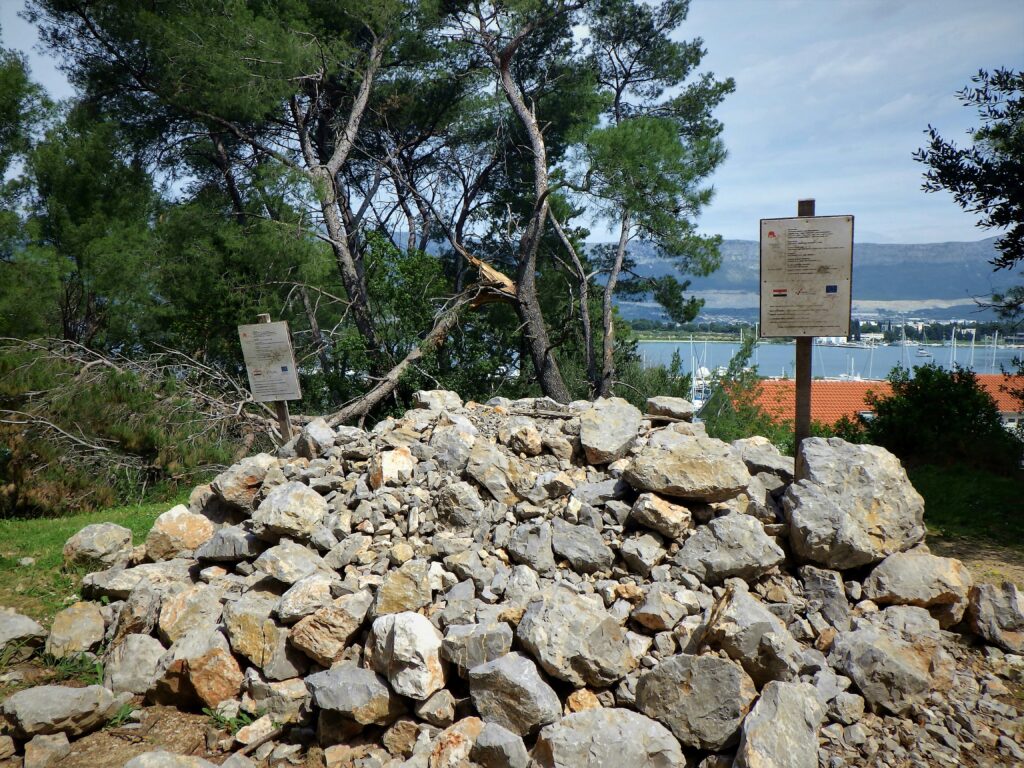
Waste disposal is a growing environmental and logistical problem. Limited space and the high cost of transporting waste to the mainland create long-term difficulties. Discussions increasingly focus on circular economy solutions, thermal treatment, and specialized collection systems for island waste.
Higher cost of living
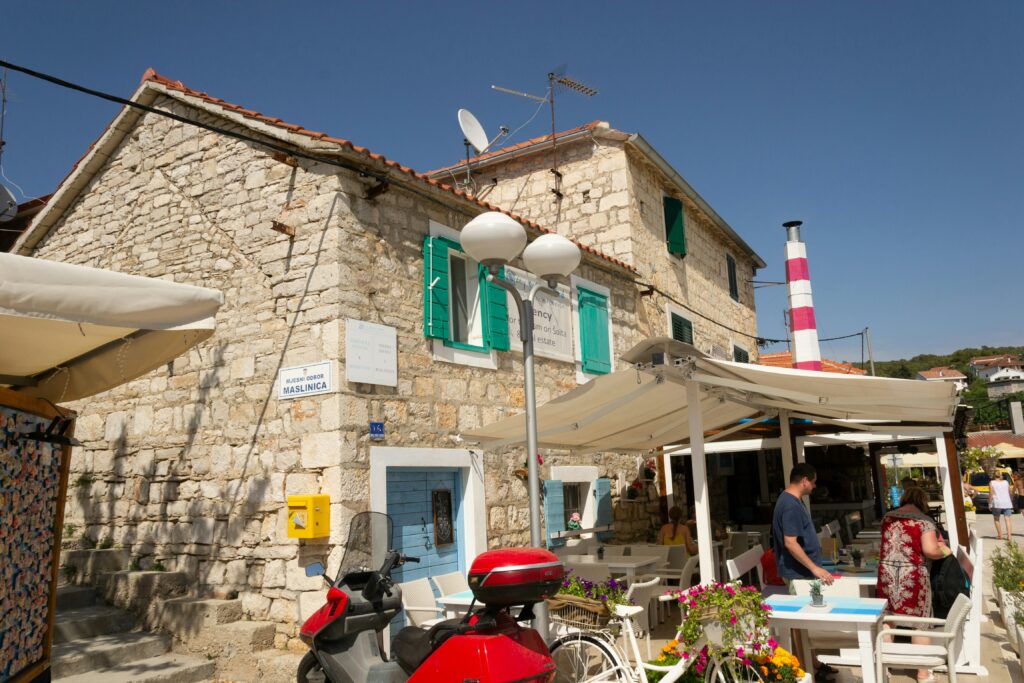
Due to transport and logistics costs, prices of food, construction materials, and basic goods are significantly higher on islands than on the mainland. This affects not only residents’ living standards but also the competitiveness of local businesses and tourism itself.
Demographic decline and youth migration

One of the most serious challenges is population decline. Limited job opportunities, lack of affordable housing, and restricted access to services push young people to leave. As a result, many island communities face rapid aging and long-term depopulation.
Lack of workforce
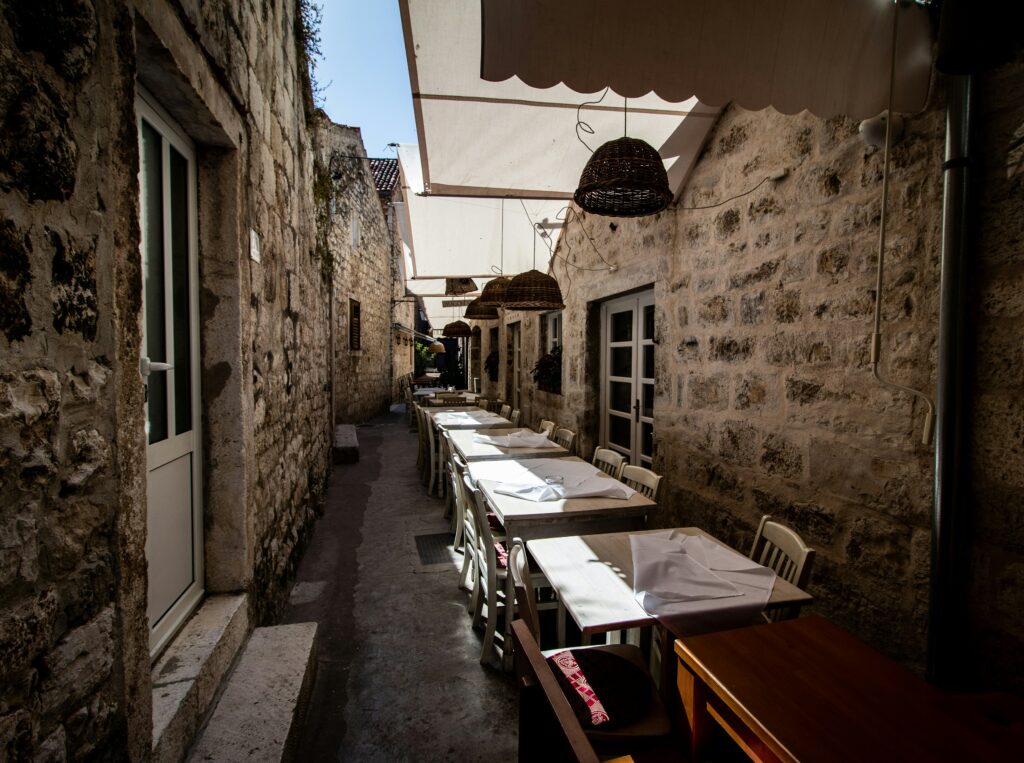
While tourism creates strong seasonal demand for labor, the local population is often too small to meet it. Islands increasingly rely on workers from other parts of Croatia and abroad, creating additional organizational and social challenges.
Housing and spatial planning
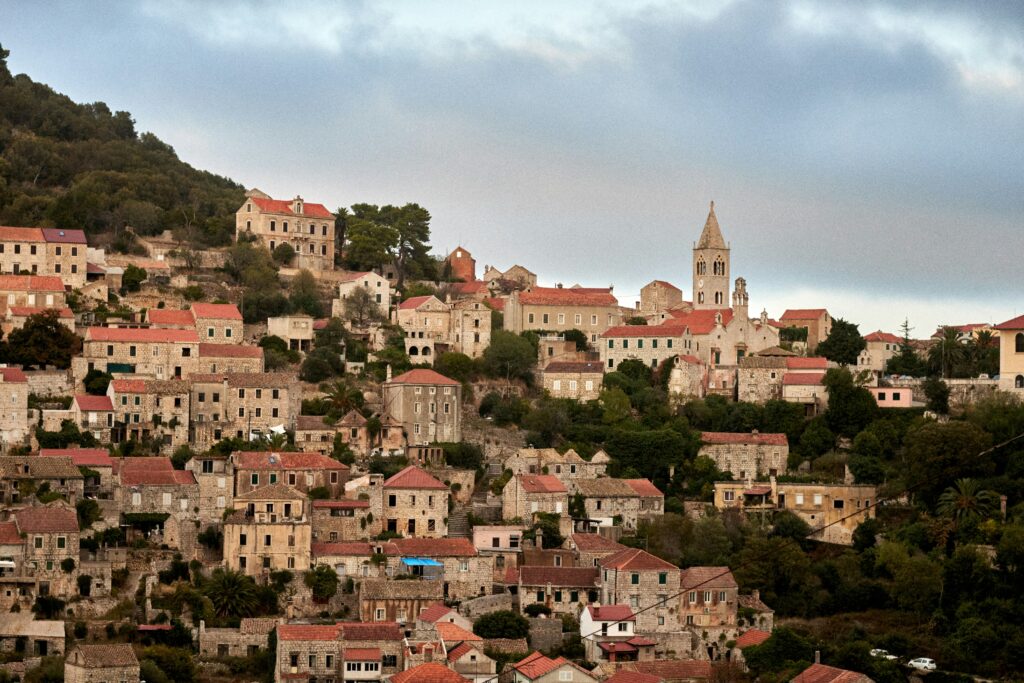
The expansion of short-term tourist rentals and apartment conversion has put pressure on the housing market. Local residents find it increasingly difficult to access affordable housing, while spatial planning often lags behind rapid market changes.
Education and youth opportunities

Island students frequently need to travel or relocate to the mainland for further education. A lack of cultural, sports, and educational facilities further reduces the attractiveness of islands for young families.
Administrative and institutional limitations

Local island governments often operate with limited financial and human resources. This restricts their ability to implement development projects and long-term strategies, despite the availability of national and EU funding programs.
Dependence on seasonal tourism
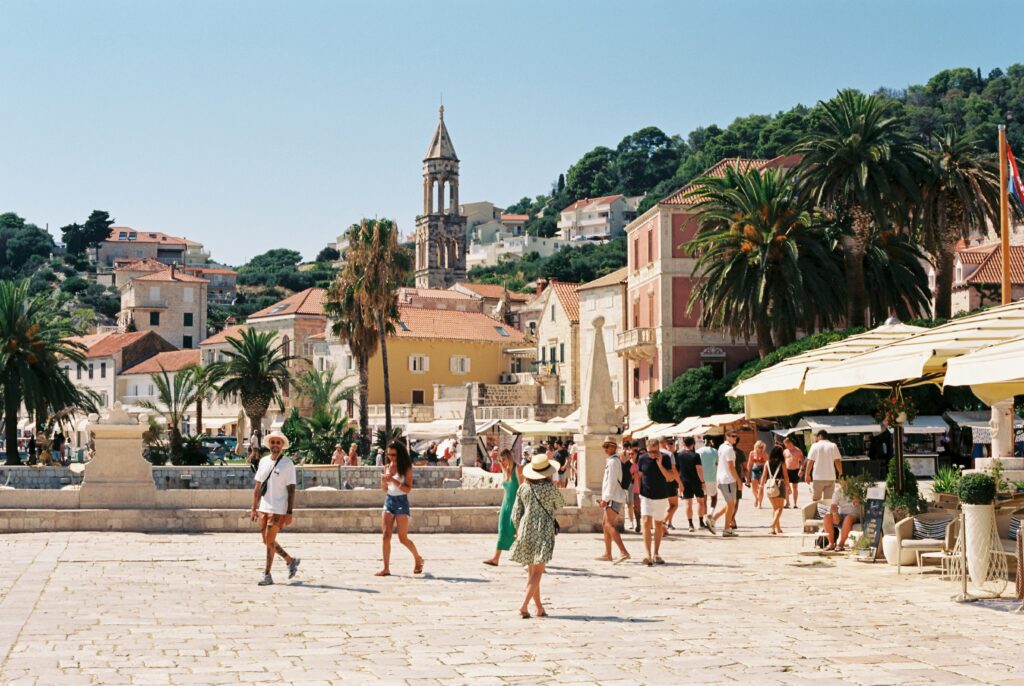
Although tourism is the main economic driver, excessive dependence on it creates structural vulnerability. Outside the summer season, many islands experience reduced economic activity, fewer services, and limited employment opportunities.
While tourism continues to be the backbone of Croatia’s island economy, it also masks deep structural challenges that cannot be solved by seasonal income alone. Transport isolation, demographic decline, healthcare access, and infrastructure gaps require long-term, coordinated policy responses.
Without systemic change, the glossy image of island life risks remaining just that, a seasonal facade that does not reflect the everyday reality of Croatia’s island communities.