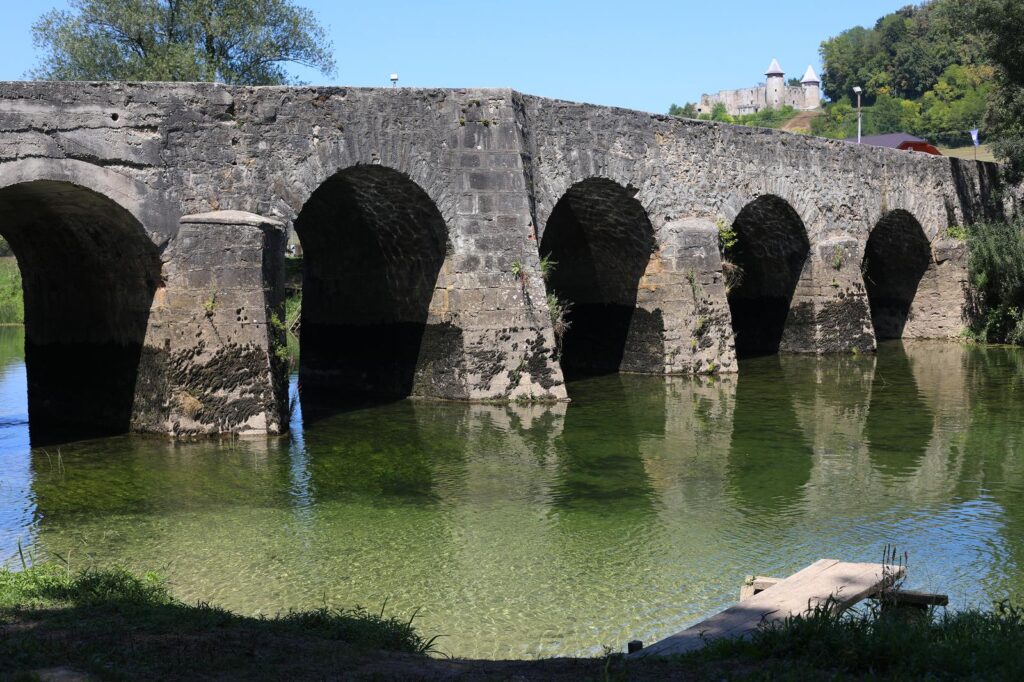
December the 7th, 2025 – There’s a 300-year-old Croatian river bridge widely considered to be the most beautiful in the whole country. It’s part of the old road to the coast, and cars still pass over it to this very day.
It’s far from a secret that Karlovac County is absolutely beautiful. Home to winding rivers, waterfalls, beautiful countryside and plenty of stories, everyone who visits enjoys it. There are some parts that are still not widely known, however.
As Putni kofer/Antonio Ivcevic writes, Karlovac County’s rolling hills are home to beautiful old castles, fortresses, beautiful bridges and forgotten traces of the past that we could explore for days without ever running out of interesting stories. In this magical (and still underrated) landscape, one of the most beautiful and special stone monuments in all of Croatia stands out. This old stone bridge has been connecting shores, landscapes and people for centuries. It is the Old Bridge on the Dobra (Stari most na Dobri), a tranquil, enduring beauty that still bears witness to the skill and spirit of the period in which it was constructed.
an eternal witness to the past
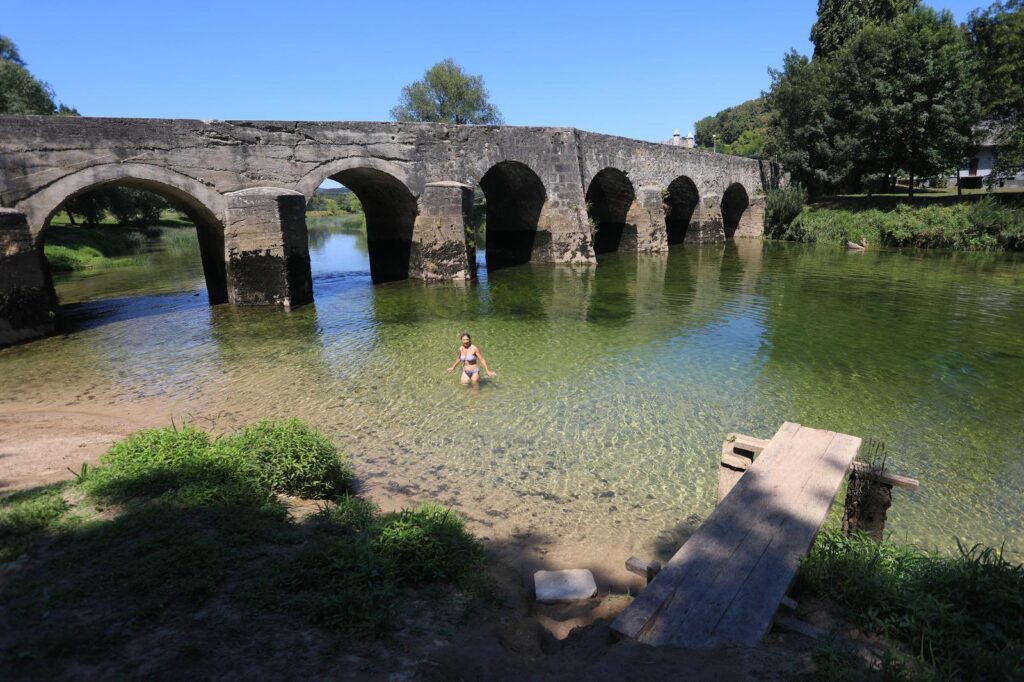
Located in Novigrad na Dobri, not far from Karlovac, this gorgeous Croatian river bridge is one of the most valuable gems of old Croatian bridge construction. It was built in the year 1730, during the period when the famous Karolinska Cesta was made, the first major road connecting Karlovac with Bakar and bravely making its way through the then wild and almost totally untouched landscape.
Karolinska Cesta stretched for more than a hundred kilometres and carried with it the mighty ambitions of the Habsburg monarchy. With its development, the life of many settlements through which it passed gradually changed forever. It was on this most important road that a bridge was built that would soon become one of the most recognisable symbols of the entire region.
Its construction was a response to the needs of the time, while also being a clear image of the power and vision of the Counts Patačić, who reigned over the Novigrad area at that time. Instead of the previous wooden bridge from the 16th century, which the strong flow of the Dobra River often damaged, they decided to construct a more permanent and ambitious structure. That’s precisely how this old Croatian river bridge on the old road to the coast came to be.
the coming together of nature and architecture
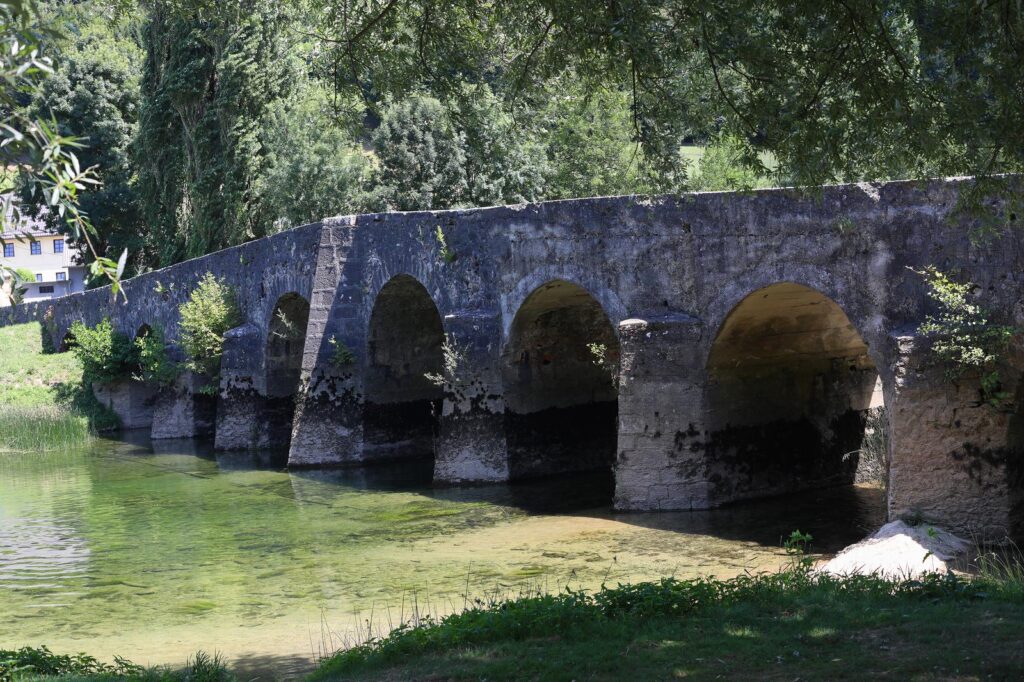
This imposing stone structure eventually emerged, with 10 harmonious arches, impressive in its simplicity and completely naturally integrated into the surrounding landscape. At an impressive 122 metres long and made of solid carved stone, the bridge soon became the pride of the entire region and an unmissable stop on the road between the interior and the coastline and islands.
Over the centuries, the world has changed, but this old Croatian river bridge has remained strong and unwavering. It has survived wars, floods, numerous changes in traffic and the arrival of new technologies, and its recognisable silhouette still attracts the eyes of travellers who stop to take photos or simply enjoy the harmony of architecture and nature acting as one. Cars still drive over its stone slabs, as silent evidence of an extraordinary construction that has successfully withstood time and all of its many challenges.
the most beautiful croatian river bridge of all
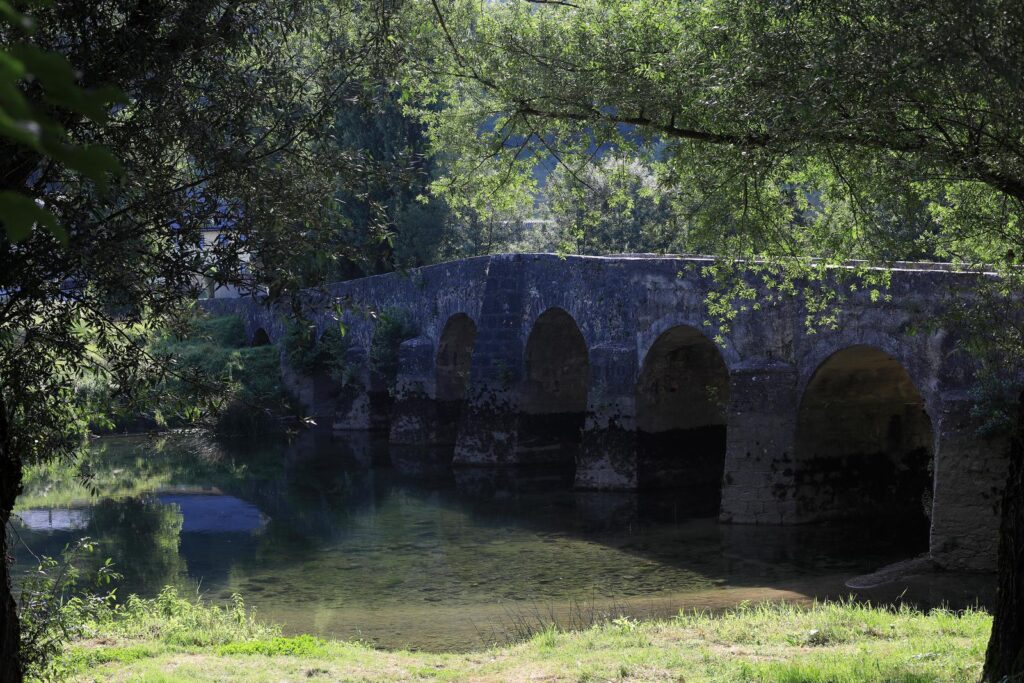
In addition to serving its practical purpose today, this Croatian river bridge also carries invaluable cultural and historical value. It is considered one of the oldest and most beautiful river bridges in Croatia, so it’s no wonder that it is protected as a cultural asset and that experts often single it out as an outstanding example of bridge construction. Each of its imposing arches and each carefully carved stone is reminiscent of a period in which construction was always thoughtful, patient and carried out with deep respect for nature and the spaces that the bridge connects.
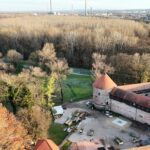
Right next to this bridge sits the old town of Novigrad na Dobri, another jewel that preserves the spirit of a time when roads were slower and life took place within solid stone walls. Today, it is a protected cultural property and one of the most important historical buildings in all of the expansive Karlovac County, visible even from the motorway between Karlovac and Bosiljevo. Although it’s exact construction date remains unknown, and its earliest beginnings remain shrouded in mystery, it is widely assumed that the roots of the hillfort could go back as far as the 12th century. However, it is reliably known that during the 15th century, it belonged to the powerful Frankopans, who breathed new glory into it and turned it into a pleasant, well-groomed and strategically important centre.