September the 26th, 2026 – The ponds in Majkovi are just a stone’s throw from the hustle and bustle of Dubrovnik, but it’s a place unlike anywhere else in Croatia.
The far south of Croatia hides incredible landscapes, places, islands and phenomena that often remain in the shadow of Dubrovnik, without doubt one of the most beautiful cities on the Mediterranean. Putni kofer writes that no matter how special and beautiful Dubrovnik is, it’s truly worthwhile to explore its surroundings and all the beautiful and peaceful places it hides. A little more than half an hour’s drive from Dubrovnik in the direction of Pelješac lies a unique natural phenomenon: the ponds in Majkovi.
croatia’s only herpetological reserve… but what does that mean exactly?
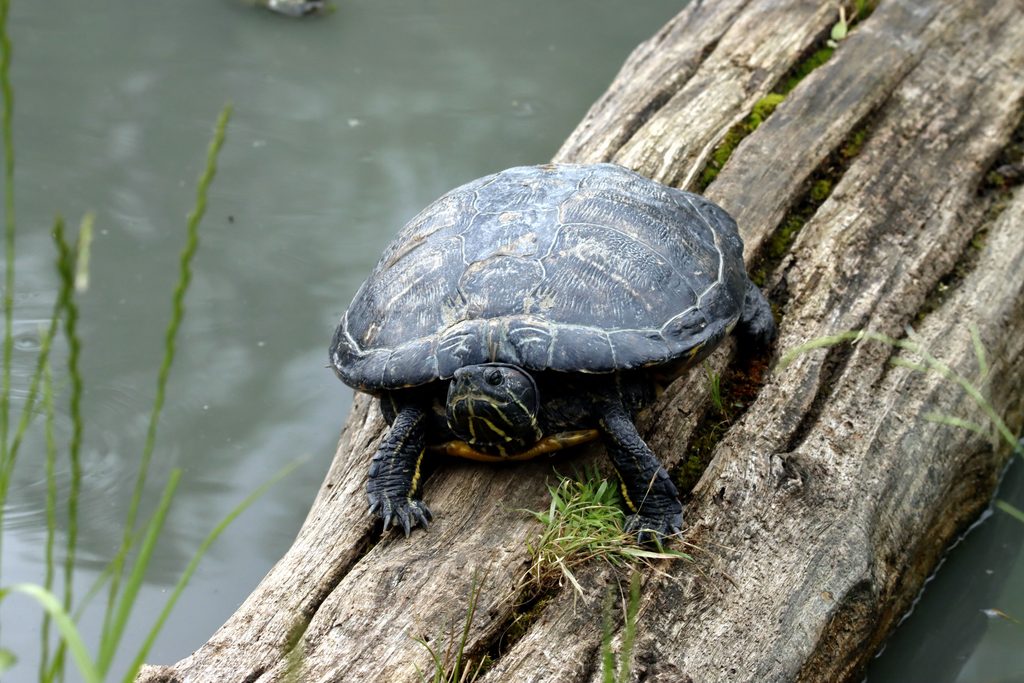
The special pond reserve in Majkovi was declared to be such back in January 2022 as the first herpetological reserve in Croatia. The reserve area spans two ponds in the settlements of Donji Majkovi and Prljevići. What exactly is a herpetological reserve, however? By definition, it is a specially protected area in which reptiles and amphibians live, an area protected so that these species can be safe, reproduce, and so that people can observe them in their natural habitat.
an important habitat for european pond turtles
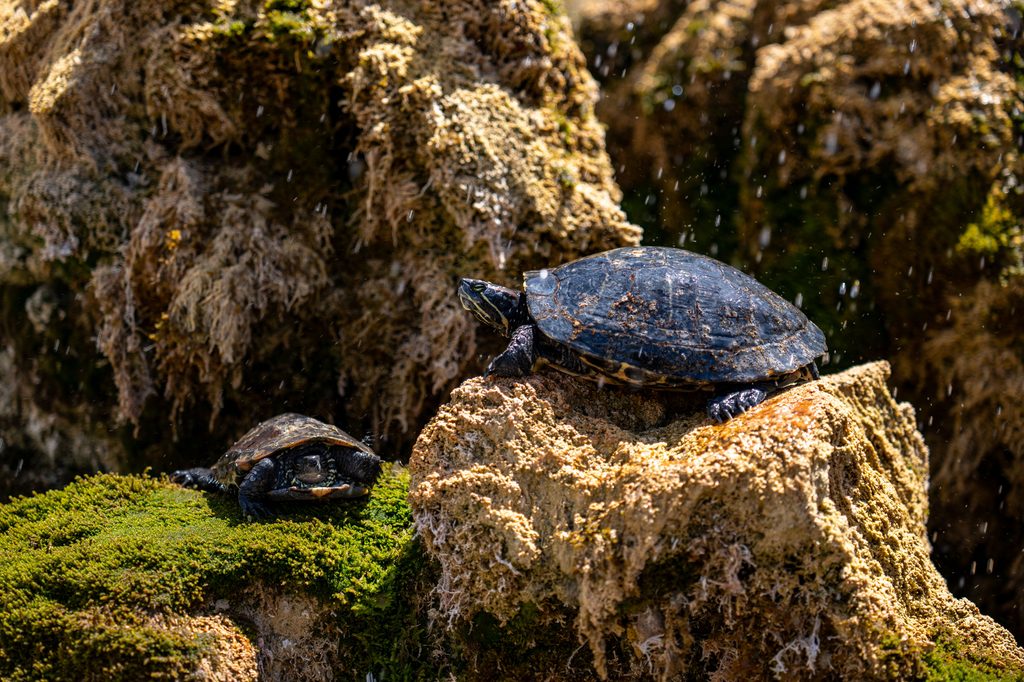
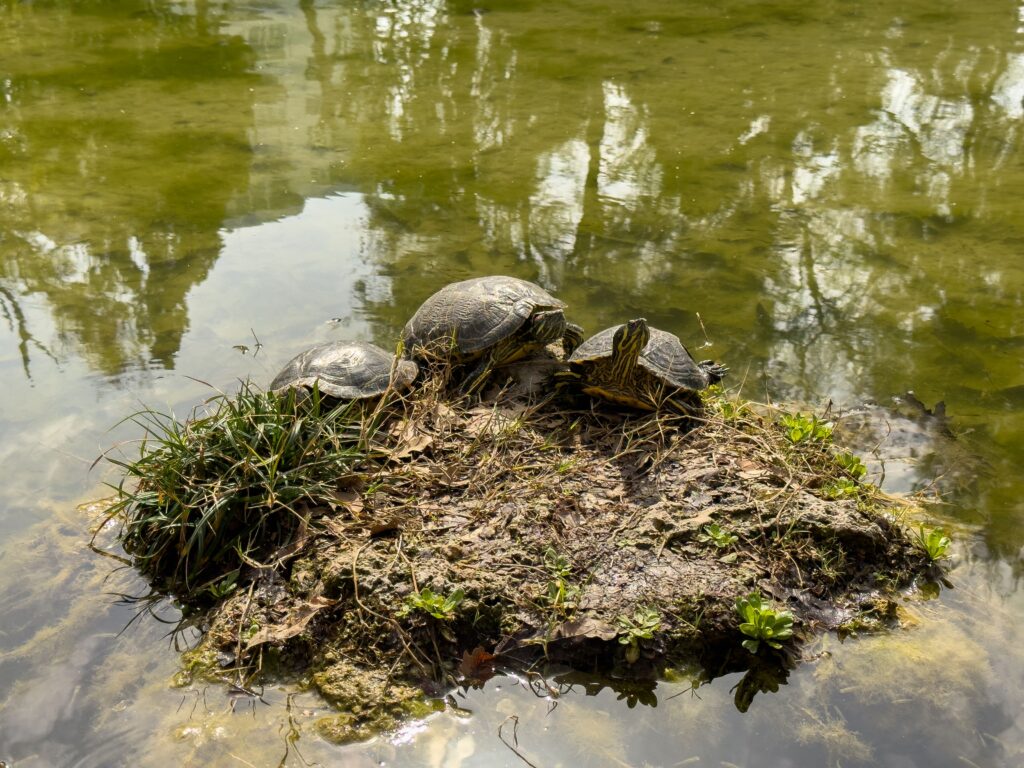
Majkovi is a settlement in the municipality of Dubrovačko Primorje, not far from the place Slano in whose hinterland it lies. As stated on the TZ Slano website, the two protected ponds are important habitats for the European pond turtle, which is strictly protected in Croatia and lives in a small area from Pelješac to Prevlaka. The ponds in Majkovi are one of four areas in Croatia where the European pond turtle lives. In addition to the turtle, 19 species of amphibians and reptiles have been recorded there. Ten of them are strictly protected. As a significant habitat for protected species, the ponds are also part of the Natura 2000 ecological network, which consists of areas important for the conservation of endangered species and habitats in the EU.
why are these pond turtles endangered?
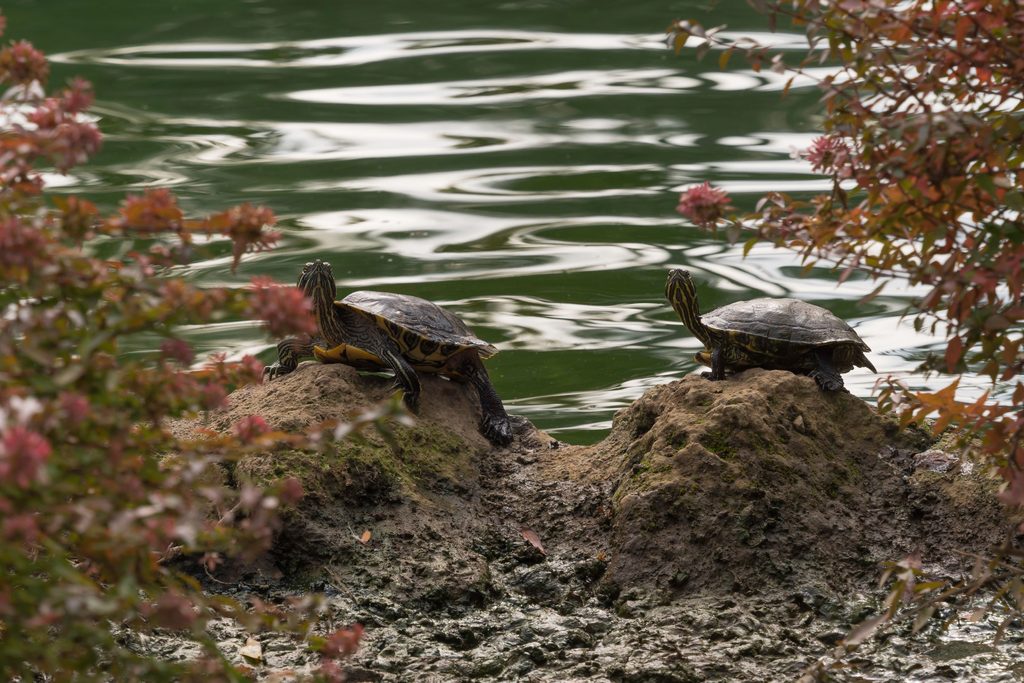
These animals are medium-sized turtles with shells that are approximately 20 cm long. They regularly feed on algae, insect larvae, earthworms, small fish, shellfish… Young European pond turtles are actually carnivores, while older specimens become, as a rule, herbivores. The number of individuals of this species is decreasing and it is endangered and strictly protected in the area of Pelješac and Dubrovačko primorje, and financial penalties are prescribed for its destruction. The greatest threat to the European pond turtle is the reduction of habitat and conventional agriculture with its pesticides and artificial fertilisers.
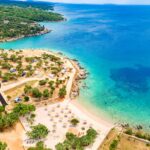
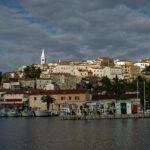
slano – more than just a place to go for a swim
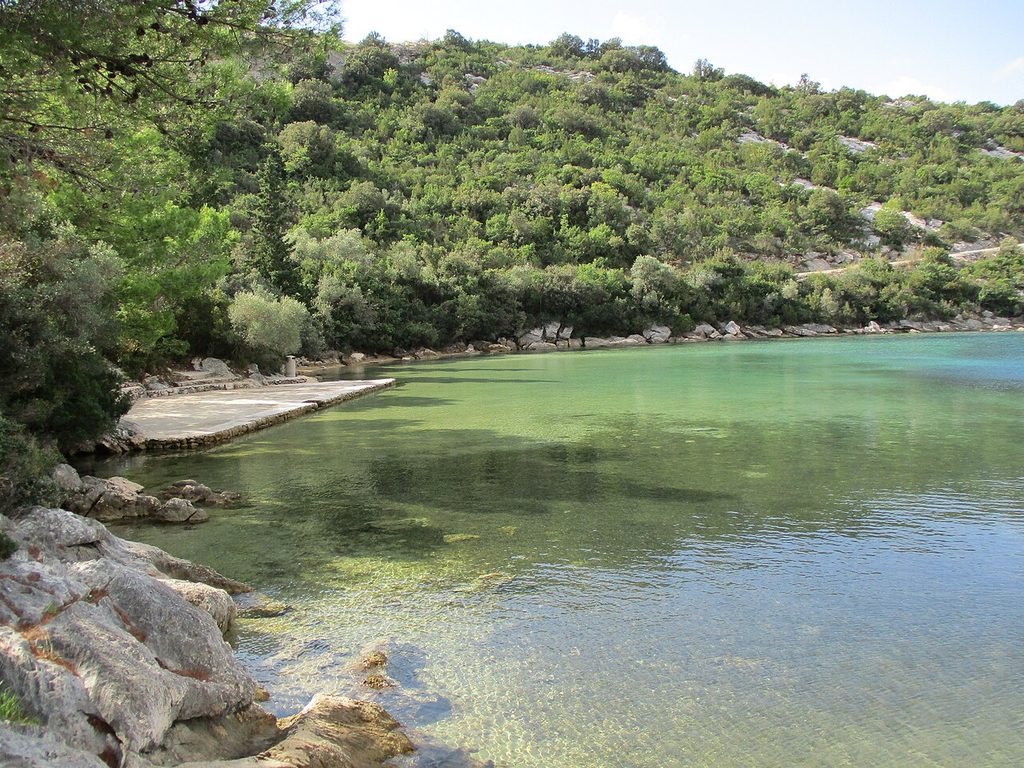
If you stop in Majkovi to see this unique reserve, from that place you can also set off on a nice hiking trip. In Majkovi itself, a hiking trail begins towards the peak of Neprobić, which is located near the border with Bosnia and Herzegovina and which takes about three hours of walking. The peak is at 963 metres above sea level and from it looks out openly towards the bay of Slano, the Elaphiti Islands, Mljet and Pelješac on one side and the hills of bordering Herzegovina on the other.
the rector’s palace (but not the one you’re thinking of…)
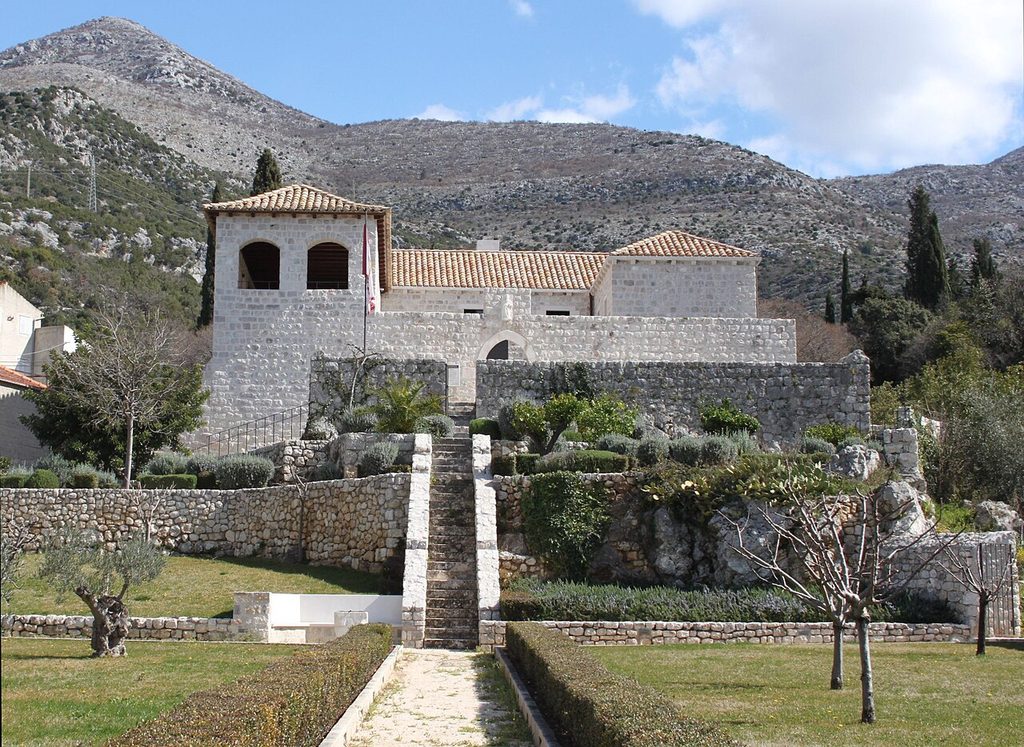
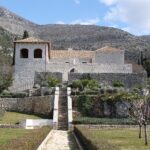
Slano is also home to one of greatest attractions of this entire part of southern Dalmatia: the Rector’s Palace. This stone palace at first seems unobtrusive, allowing its namesake from Dubrovnik to be the star of that name, but when you approach it you will soon realise that every stone of the carefully restored palace holds incredible stories. Entering the Rector’s Palace in Slano is entering a long and rich past that was proud, but anything but simple.
The first function of the palace was defensive and administrative, but over time it changed, and with it the surroundings and appearance of the palace also changed. The building was often under attack by pirates and hajduks in the 16th and 17th centuries, in 1667 it suffered a strong earthquake, and it was burned twice: the first time in 1806, and the second time in the Homeland War. The Society of Friends of Dubrovnik Antiquities restored the palace in 2017, opened it to the public and made it once again a centre of cultural life, a guardian of heritage and a top tourist attraction. You can visit it every day except Sunday; the ticket costs a symbolic two euros.