April the 8th, 2026 – The island of Silba is widely known as the Gates of Dalmatia. Cars are banned, and there’s only one settlement on it which happens to bear the same name.
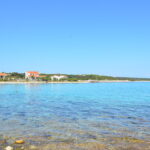
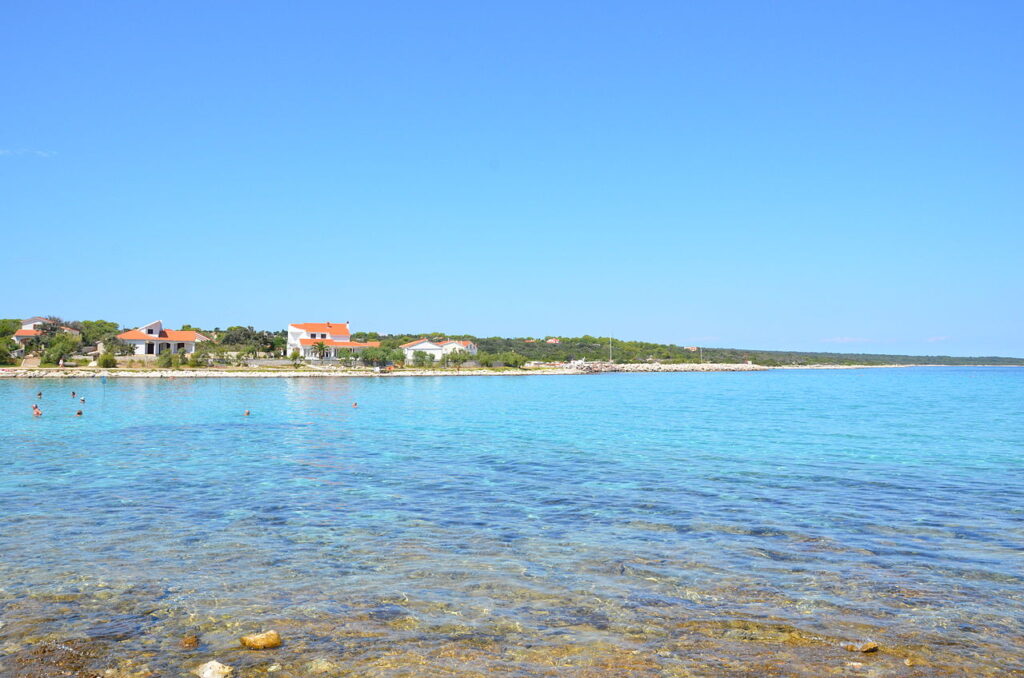
As Putni kofer writes, the beautiful island of Silba in the expansive Zadar archipelago wins everyone over at first sight. Also known as the “Gates of Dalmatia” and the island of pedestrians, this timeless little oasis of peace boasts beautiful beaches and is lapped by a crystal-clear, incredibly turquoise sea. It’s precisely because of that that many, and quite rightly so, consider it to be among the most beautiful swimming destinations on the Adriatic. Its coastline is about 25 kilometres long and is home to a series of fascinating bays and coves.
the home of beaches, zen, and the best swimming water in the whole adriatic
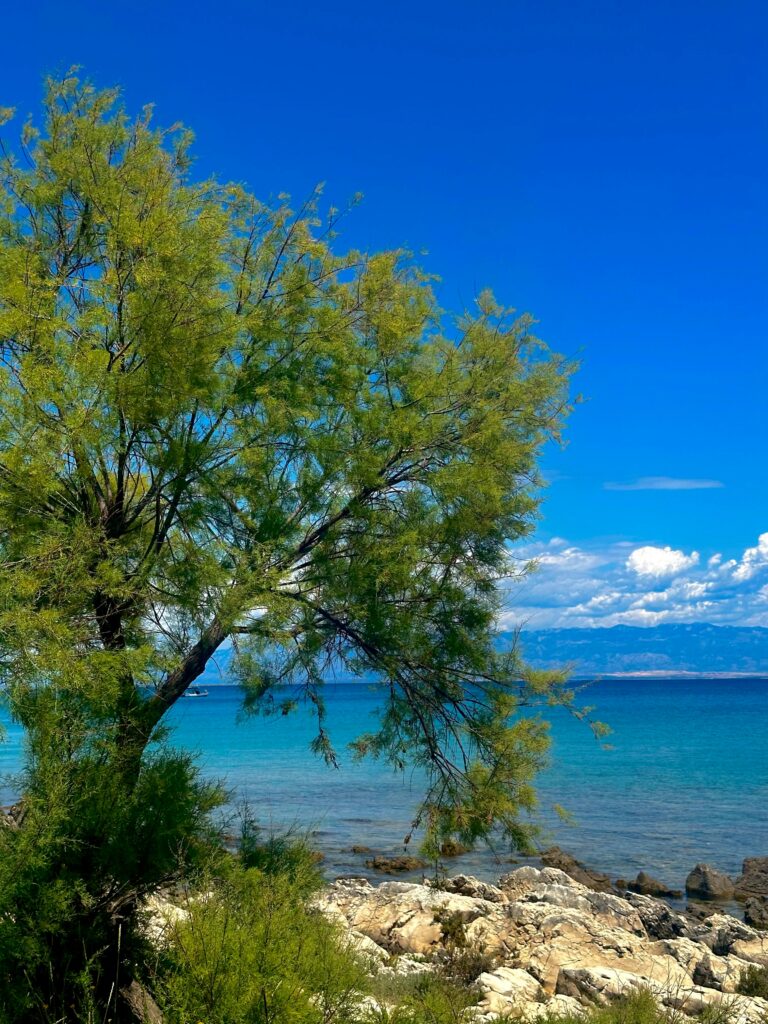
The most famous of them all is the stunning Šotorišće on the northern side of the island. This beach with its light, almost white sand and seemingly endless shallow water is a favourite among families with children, and since it is surrounded by dense pine forests, it also offers plenty of natural shade for a break from the often harsh Dalmatian summer sunshine.
The other coves dotted all over the island of Silba are no less impressive. Pernastica, also in the north of this paradise island, is another beach with a sandy bed that is ideal for swimming, while the southern side of Silba hides quieter corners: Dobra Voda, Vele Stene and Ugljanica are just a few of them.
Then there is Slatina, Carpusina, Žalić and a nudist beach called Mavrova, as well as the Pocukmarak cove, near which remarkable sarcophagi from the 5th and 6th centuries were discovered. Whichever of these beaches or bays you choose, you won’t regret it because the combination of untouched nature, sky-blue sea and Mediterranean vegetation gives each one a very special charm.
Silba spans an area of just 15 square kilometres, is about 8.3 kilometres long and 3.3 kilometres wide and is one of the most densely forested Croatian islands, right after the famous Mljet. The climate there is typically Mediterranean, with as many as 2,570 hours of sunshine drenching the island per year, while the sea temperature in summer reaches about 24 degrees.
The highest point on the island is called Varh and is only 83 metres high. Cars are banned on Silba, but here and there you will come across a bicycle, moped or water distribution vehicle, and even these are limited during the peak tourist season. This is precisely why this island has an incredibly peaceful atmosphere, without noise and traffic jams, making it an ideal destination for anyone who wants to slow down, at least for a while.
the only settlement on silba is… silba
The only settlement on the island, Silba, is located on its narrowest part, in an area that is only about 700 metres wide. That means that your walk from the west to the east coast will take only ten minutes. In the centre of the town you will find shops, a bakery, cafes and restaurants, and the ancient stone streets will take you towards the sea or to hidden gardens and old Dalmatian stone houses.
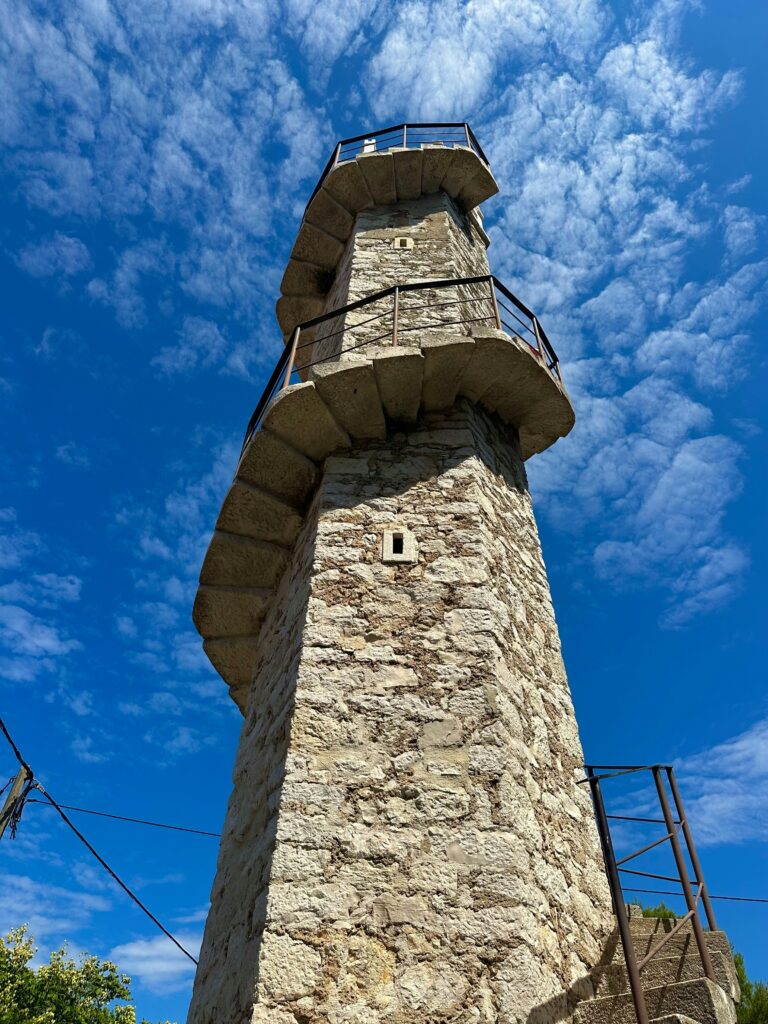
Silba’s greatest attraction is the 15-metre-high stone tower called Toreta from the 19th century, with a recognisable spiral staircase. It is also known as Marinić’s toreta or the monument of love, and it is associated with the romantic story of the sailor Petar Marinić and a local Silba woman called Antonija Mauro.
the island of sailors
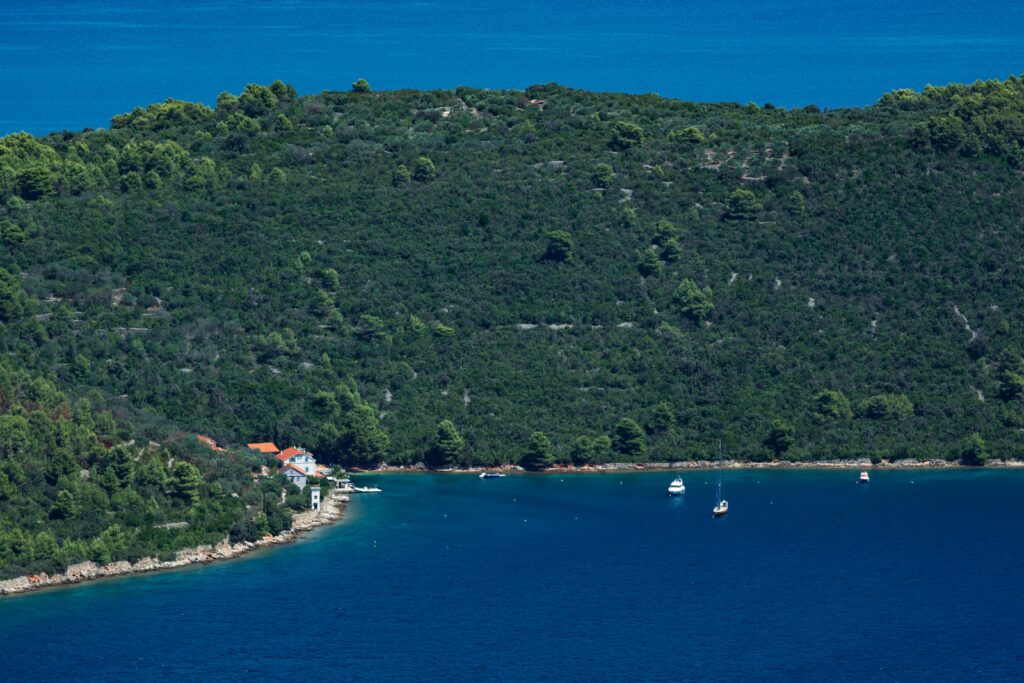
Silba has been known as the island of sailors for centuries. Located on the old waterway connecting Zadar with Istria and further on to the Gulf of Trieste and Venice on the other side of the Adriatic, it was an important stopover for sailors for centuries. The island’s rich maritime tradition still lives on in the captains’ houses scattered throughout the ancient settlement, which has a population of just under 300 throughout the whole year.
The charming island of Silba is also known as an artistic oasis. It is often visited by all kinds of painters, sculptors, writers and musicians who find inspiration for their works there – and it isn’t exactly difficult to see why that is. The name Silba actually comes from the Greek word silbon, which means sand, while the secondis based on the Latin word silva, i.e. forest, which perfectly describes this pure green, peaceful island located at the very entrance to Dalmatia.