
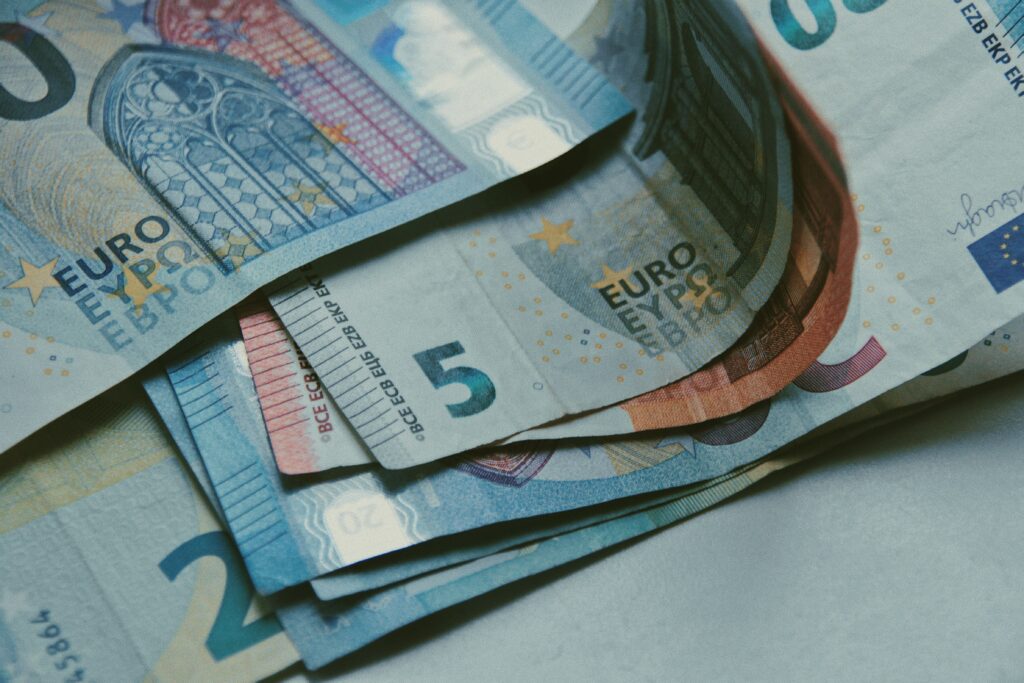
November the 25th, 2026 – The EU is tightening its rules for cash payments across the bloc, and as such in Croatia in 2027. Here’s what it means for the general public.
As of the 10th of July 2027, much stricter rules for cash payments will start to apply across the entire European Union. While the cash payment limit of €10,000 already exists in Croatia, the novelty is the introduction of a lower general threshold for mandatory identity checks on cash transactions. Index reports that according to the new European Union regulation on preventing money laundering and terrorist financing, certain business entities will have to establish and verify the identity of clients already for occasional cash transactions of €3,000. The regulation was adopted back in 2024 and begins to apply in July next year.
what’s changing for cash payments in croatia in 2027?
Under the current Croatian law, banks, financial institutions and other obliged entities under money-laundering prevention regulations are required to carry out customer due diligence for occasional transactions of €10,000 or more. This analysis includes identity verification. For certain activities and types of transactions, lower thresholds already apply. Checks are also mandatory when establishing a business relationship and when there is a suspicion of money laundering, regardless of the transaction amount. The new European Union regulation introduces an additional obligation to verify identity for occasional cash transactions of €3,000, while the general threshold for full customer due diligence remains €10,000.
This does not, however, mean that every trader in Croatia will have to ask for the customer’s identity card when a bill of €3,000 is paid in cash. The obligation applies to business entities covered by the regulation, including banks, financial institutions, traders in precious metals, precious stones and certain categories of luxury goods.
croatia actually already has a cash payment limit
The European Union is also introducing a common upper limit for cash payments for goods and services of €10,000. Member states will be able to retain existing stricter limits or introduce new ones. In Croatia specifically, natural and legal persons who perform a registered activity are already not allowed to accept or make cash payments of €10,000 or more. The ban also covers several interrelated transactions whose total amount reaches that limit.
what about buying a car from a private individual?
The European Union limit will not apply to payments between natural persons who are not acting within the framework of their business or professional activity. This means that a person who buys a used car from another member of the public, and not from a car dealership, can, according to the European regulation, pay more than €10,000 in cash. The limit will also not apply to deposits and payments at bank branches and other payment service providers, for which separate supervisory rules apply.
working to prevent money laundering
The new rules are part of a broader package of European measures aimed at making it more difficult to use the financial system for money laundering and terrorist financing, and at harmonising regulations among member states. Until now, cash payment limits differed significantly among EU members, and some countries did not have them at all. The European Union wants to prevent criminals from exploiting these differences to transfer and conceal illegally obtained money. As part of the same package, a new European Anti-Money Laundering Authority (AMLA) with its seat in Frankfurt has also been established; from 2028 it will directly supervise selected high-risk financial institutions.