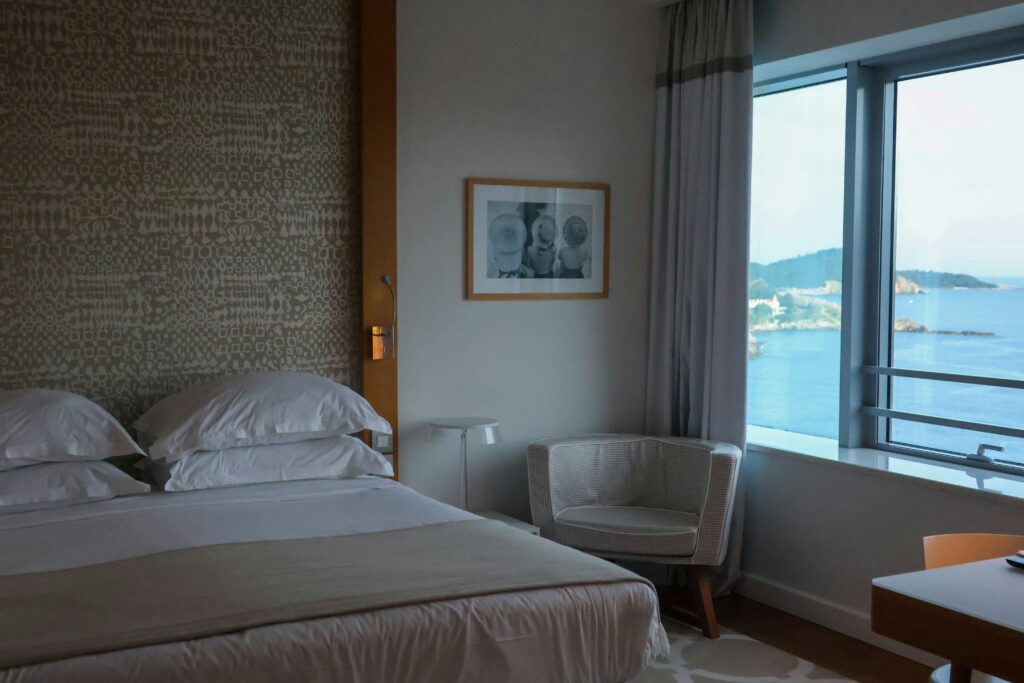
November the 13th, 2026 – Croatia is going to need anywhere between 80,000 and 100,000 new hotel beds over the next decade, according to hotelier reps warn.
Croatia will need between 80,000 and 100,000 new hotel beds over the next ten years, hoteliers’ representatives warned at a recently held congress in Poreč. There’s an issue, however, as building new hotels is becoming increasingly difficult due to high land prices, expensive construction work, slow administration and shrinking opportunities for profit. Index reports that in Croatia currently, hotels currently account for only 9.2 percent of total accommodation capacity in Croatia, yet generate approximately a quarter of all tourist overnight stays. Hoteliers are therefore calling for the continuation of state incentives, better conditions for investment and measures that would attract more tourists outside the summer months.
croatia’s accommodation capacity poses an issue
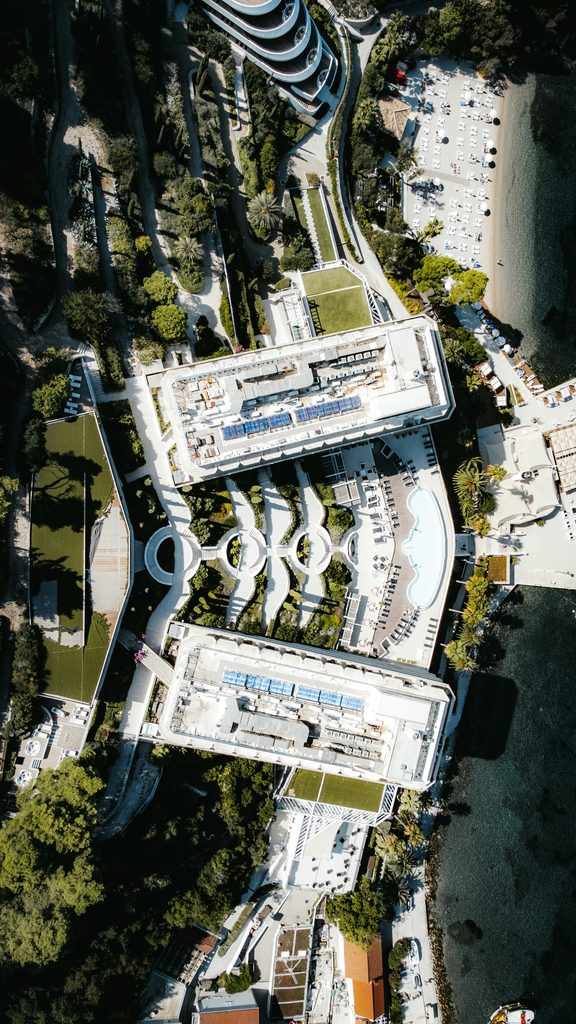
Veljko Ostojić, president of the Association of Entrepreneurs in Croatian Hospitality and director of the Croatian Tourism Association, said that the hotel sector achieved good results this year, but that Croatia must change the structure of its tourist accommodation. “Croatian hospitality is the winner of this tourist year, not only according to physical indicators but also according to everything it does to raise the quality of Croatian tourism. However, the structure of our accommodation capacity is currently the biggest challenge,” Ostojić said. According to his estimate, Croatia should increase the number of hotel beds by 80,000 to 100,000 over the next decade. The problem, he warns, is that most investments relate to the renovation and reconstruction of existing hotels, while completely new hotel complexes on previously undeveloped land are almost not being built at all.
why are so few hotels being constructed in croatia?
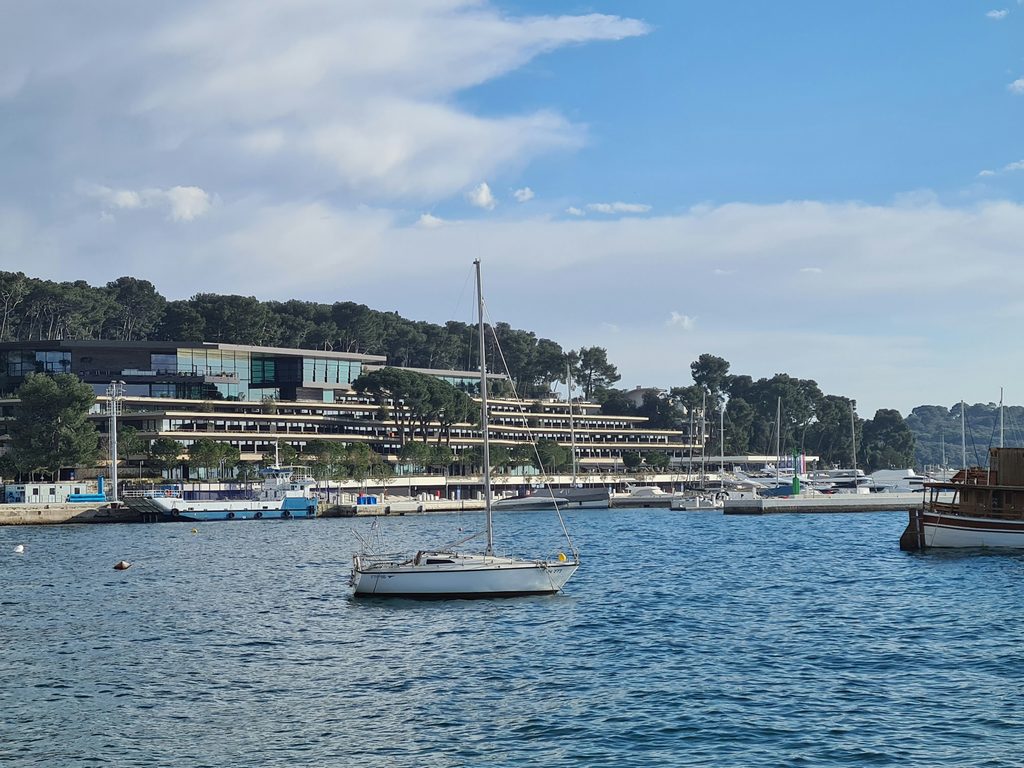
Ostojić believes that investors are deterred by a combination of several problems, from the price of land and construction to slow administrative procedures and legal uncertainty. “The question is why there are practically no significant greenfield investments in Croatia. The reasons are numerous: the price of land, the slowness of administration, legal uncertainty, the cost of construction and the hotel business model itself. We must be open and realistic,” he said. He added that the space for new investments is getting smaller, which he considers bad for the long-term development of Croatian tourism. Hoteliers also warn of rising operating costs and declining profitability, which makes it increasingly difficult to find financially viable projects.
the interest in the height of summer is waning…
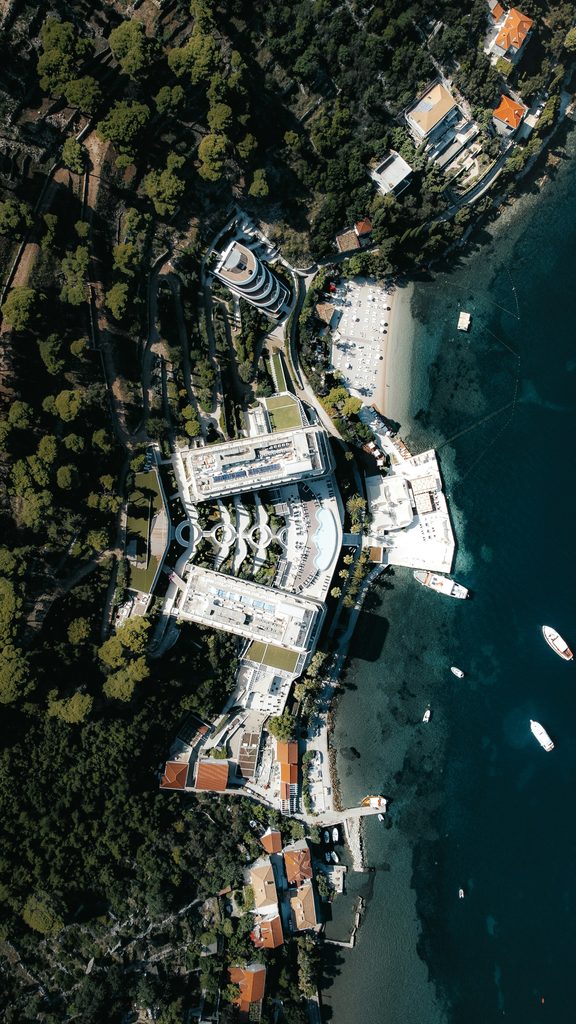
Ostojić also warned that tourist habits are changing. According to him, some guests are increasingly avoiding the busiest summer months because of the heat, high prices and excessive crowds in certain destinations. He believes Croatia must develop new tourist facilities, events and manifestations that would attract guests during spring and autumn. This would extend the tourist season, increase the occupancy of hotel capacities and reduce dependence on July and August alone, which many are now avoiding due to extreme temperatures and crowds.
Robert Pende, director of the Directorate for Entrepreneurship Development, Investments and Competitiveness at the Ministry of Tourism and Sport, said that the state has been encouraging investments in the hotel sector for years. The aim of these incentives is not only the construction of higher-quality accommodation but also the reduction of seasonality in Croatian tourism. Pende warned that Croatia still has one of the most pronounced seasonalities of tourism in the European Union.
“We want to change that, and investments are key to this,” he said, noting that 34 applications for projects with a total value of approximately 500 million euros have been received through the investment incentive system. This refers to the value of planned investments, not the amount of state support.
has croatia managed to retain its competitiveness?
Kristijan Staničić, director of the Croatian National Tourist Board, assessed that Croatia, despite global challenges and unpredictable circumstances on the tourist market, has retained its competitiveness among Mediterranean destinations. “The tourist year that is slowly coming to an end has shown that Croatia has retained its competitiveness. The results we have achieved confirm positive trends in tourist traffic, and a great deal of credit for this belongs precisely to hoteliers,” Staničić said. He added that new investments, raising the quality of service and the development of tourist destinations play an important role in the further development of Croatian tourism.