May the 30th, 2026 – Croatia’s hospitality industry is facing a growing off-season problem as another likely intensely busy summer draws near.
Croatia’s restaurants, cafe and hospitality businesses are all busy preparing for the arrival of the masses, but behind the strong tourism numbers lies a growing structural problem, and many hospitality businesses are struggling to survive outside of the peak summer season.
While coastal destinations fill with visitors during the scorching summer months, large parts of the sector face sharp drops in revenue for the rest of the year, creating instability that is reshaping Croatia’s restaurant industry. According to those in the industry, the problem is becoming more serious.
Croatia’s tourism economy remains heavily concentrated around a relatively short summer period. For many restaurants, cafes and bars along the Adriatic, July and August generate a disproportionately large share of annual income. This means businesses often depend on a few peak months to cover costs for the entire year. When summer performs well, the system functions. However, outside of the peak season, many establishments face major financial pressures.
smaller towns are much more vulnerable

The issue is particularly visible in smaller coastal towns where visitor numbers decline sharply once summer ends. Restaurants that operate at full capacity during August may struggle to attract enough customers during autumn and winter months. There have unfortunately been increased numbers of establishment closures, reduced operating hours and businesses shifting toward purely seasonal operation because year-round activity is no longer financially sustainable.
Inflation and operating expenses are making the situation even harder. Restaurant owners across Croatia continue reporting rising costs linked to food supplies, energy, wages and rent. Even businesses with strong summer performance increasingly say off-season survival is becoming difficult under current economic conditions. This has pushed many operators toward more cautious business models.
Labour shortages are another major challenge. Many hospitality businesses struggle not only to recruit seasonal workers, but also to retain trained staff throughout the year. Employees increasingly seek more stable year-round employment rather than seasonal hospitality contracts. As a result, some restaurants reduce operations during quieter months simply because maintaining full staffing becomes impractical.
Croatia’s tourism success paradoxically contributes to the problem. The country remains strongly identified with summer Adriatic tourism, which means visitor flows remain highly seasonal despite efforts to promote year-round travel. This concentration creates unstable business cycles for hospitality operators heavily dependent on tourist spending.
is specialising a wise move?
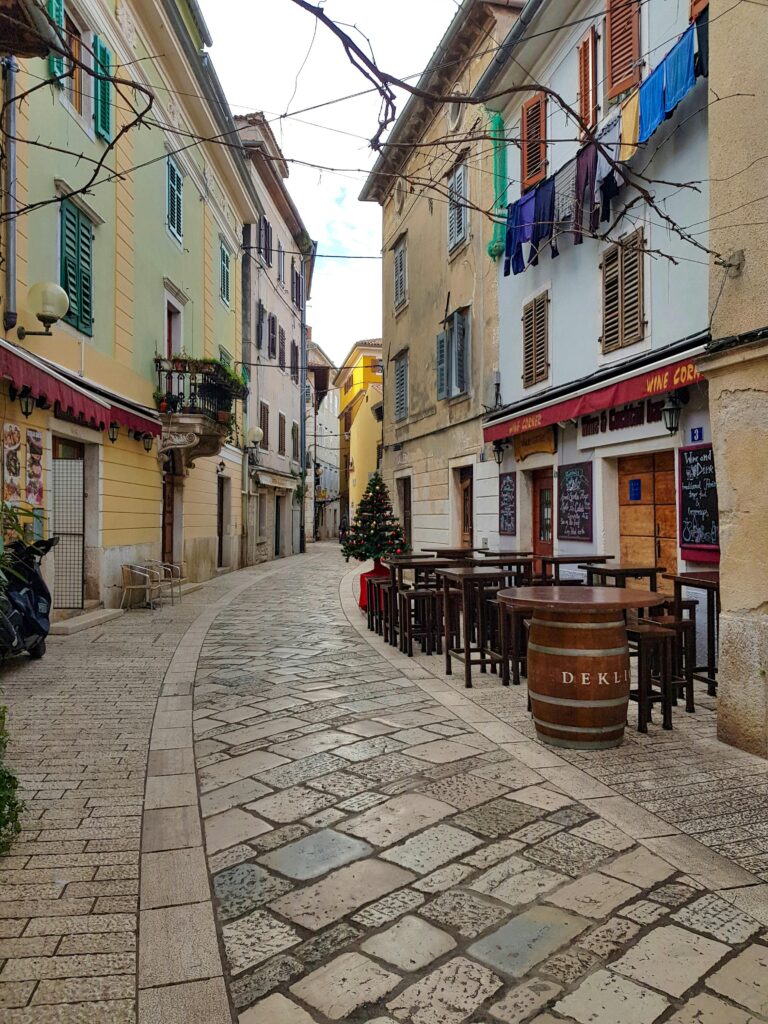
In response, many restaurants are trying new strategies. Some focus on premium dining and higher-spending guests during summer in order to offset weaker winter revenue. Others are targeting local customers more aggressively outside of tourist season through events, delivery services or revised pricing models. Adaptation is becoming essential. The situation is far less severe in larger urban centres such as Zagreb, where local populations and business activity support year-round hospitality demand. However, smaller Adriatic destinations remain far more exposed to tourism seasonality. This regional divide is becoming increasingly noticeable within Croatia’s hospitality industry.
Croatian tourism authorities have spent years promoting the idea of extending the season beyond summer. Cultural tourism, gastronomy, sports events and digital nomad initiatives are all partly aimed at reducing seasonal imbalance. However, meaningful change remains painfully slow.
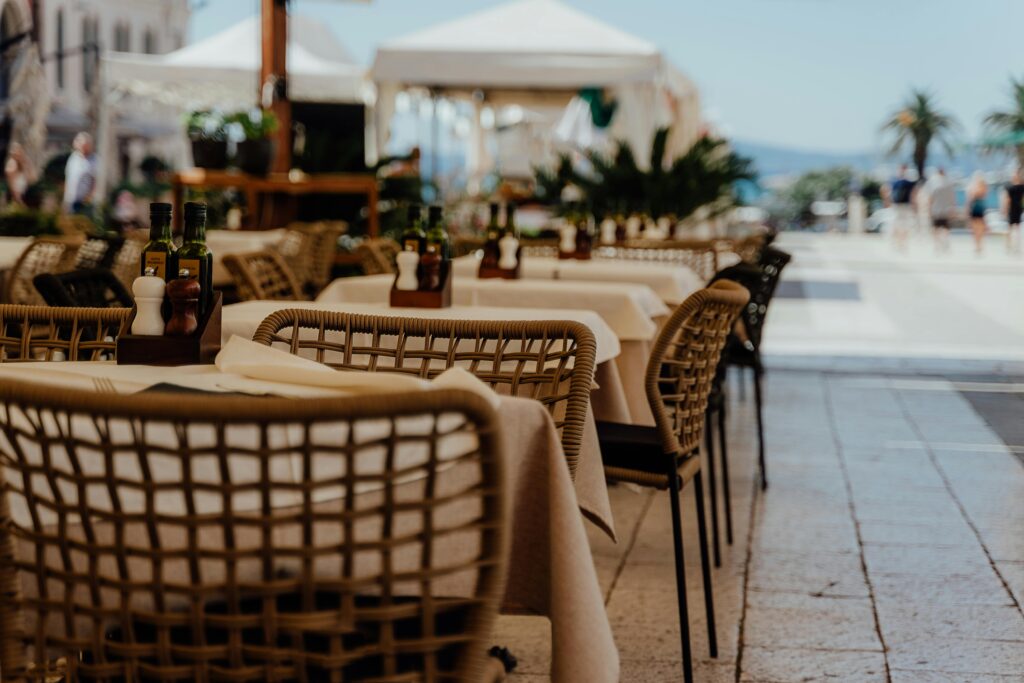
Behind the busy terraces and full restaurants of summer lies an industry undergoing significant adjustment. Businesses are becoming more selective, more seasonal and more cautious about long-term operations. For some owners, the traditional model of year-round hospitality is becoming increasingly difficult to maintain.
scrapping seasonality is the only way to ensure balance
Ultimately, the issue reflects one of Croatia’s biggest economic questions: can the country evolve from a highly seasonal tourism destination into a more balanced year-round economy? For now, the summer crowds continue arriving, but what happens after those crowds leave may become just as important to the future of Croatia’s whole hospitality industry.